

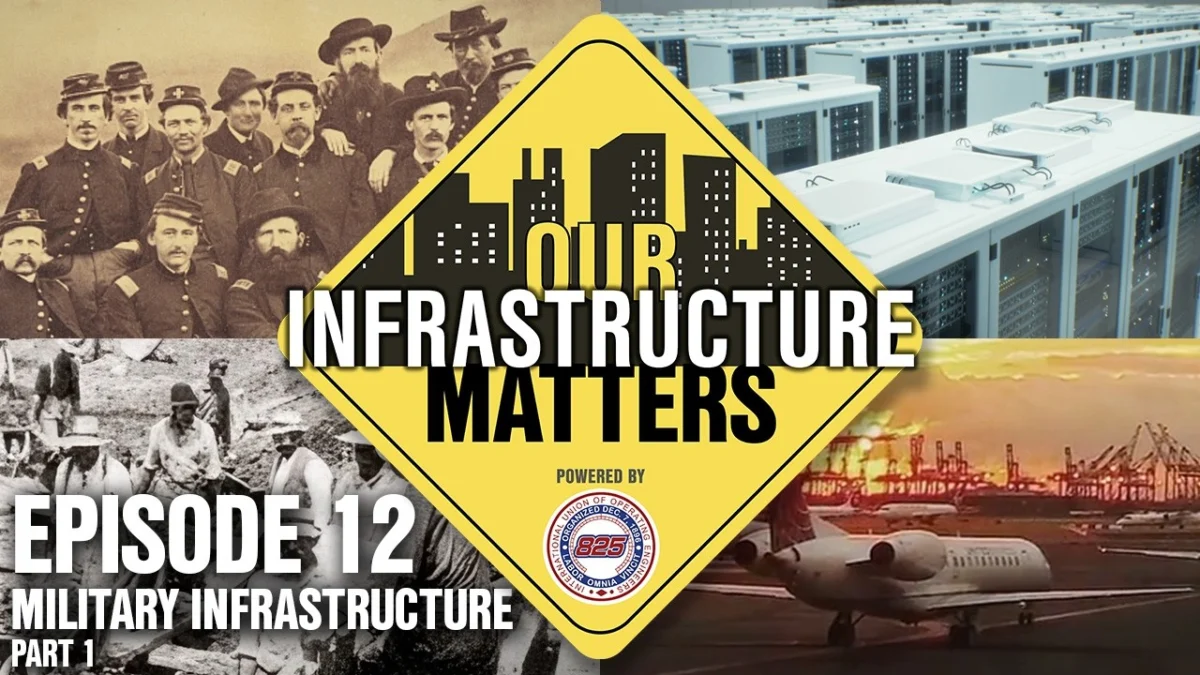
New Jersey, a state steeped in history and poised for the future, showcases a remarkable tapestry of infrastructure development in a compelling new video. From the hallowed grounds of Revolutionary War encampments to the cutting-edge demands of modern data centers and the vital arteries of its transportation networks, the visual narrative illuminates the state’s strategic importance and its continuous evolution. The documentary, offering a comprehensive overview, delves into the critical roles these physical and digital structures play in national defense, economic vitality, and the daily lives of its citizens.
This extensive exploration highlights the interconnectedness of New Jersey’s past, present, and future, demonstrating how historical military foundations have paved the way for advanced technological hubs and robust transportation systems. The video meticulously traces this evolution, providing a unique perspective on the state’s enduring significance and its adaptation to the ever-changing landscape of infrastructure needs.
From Battlefield to Broadband: A Chronological Overview of New Jersey’s Infrastructure
The video’s narrative begins with a poignant reminder of New Jersey’s foundational role in American history, tracing the state’s military infrastructure through pivotal eras. The echoes of the Revolutionary War are brought to life through depictions of historic encampments, underscoring the strategic importance of the region even in its nascent stages. These early fortifications and strategic positioning laid the groundwork for a state that would consistently serve as a critical nexus for national defense.
Moving forward in time, the video showcases the development of New Jersey’s coastal defenses. As the nation grew and faced new global threats, the state’s strategic coastline became a vital component of its military preparedness. These fortifications, remnants of a bygone era of warfare, stand as silent sentinels, a testament to the foresight and planning that characterized the state’s commitment to security.
The narrative then pivots dramatically to the 20th and 21st centuries with a deep dive into Picatinny Arsenal. This sprawling complex, a cornerstone of American ordnance and technology development for over a century, represents a significant evolution in military infrastructure. The video highlights its ongoing role in research, development, and production of advanced weaponry and munitions, demonstrating New Jersey’s continued relevance in national defense. Picatinny Arsenal’s transformation from a site of traditional manufacturing to a hub of sophisticated technological innovation underscores the dynamic nature of military infrastructure and its adaptation to modern warfare.
The Digital Frontier: Data Centers and the AI Revolution
In a significant shift, the video pivots to the contemporary landscape, exploring the burgeoning role of data centers in New Jersey’s digital economy. These facilities, the unseen engines of the internet and advanced computing, are presented as the bedrock of digital services and the burgeoning field of artificial intelligence (AI). The explanation elucidates how data centers are crucial for storing, processing, and transmitting the vast amounts of information that fuel our interconnected world, from cloud computing to sophisticated AI algorithms.
A particular focus is placed on a proposed Kenilworth facility. The video doesn’t shy away from the complex questions and potential challenges associated with such a development. It raises critical inquiries regarding noise pollution, a common concern for communities situated near large industrial facilities. The immense power requirements of data centers are also examined, leading to discussions about electricity demand and the strain on the state’s power grid. Furthermore, the significant water usage for cooling these facilities is brought to the forefront, prompting consideration of its impact on local water resources. These discussions highlight the delicate balance between technological advancement and community well-being, emphasizing the need for responsible planning and transparent dialogue.
The Backbone of Commerce and Construction: Labor, Airports, and Union Strength
Beyond defense and digital infrastructure, the video sheds light on the vital arteries of commerce and the skilled workforce that builds and maintains them. The segment featuring Local 825 underscores the critical role of skilled labor in the state’s development. The video showcases the organization’s equipment and safety training programs, emphasizing the commitment to a highly trained and safety-conscious workforce. This segment illustrates that the strength and efficiency of New Jersey’s infrastructure are inextricably linked to the expertise and dedication of its unionized construction workers.
The evolution of New Jersey’s airports is also explored, highlighting their transformation from early aviation hubs to major international gateways. This segment emphasizes the significant contributions of union construction workers in the development and expansion of these vital transportation nodes. The video effectively communicates how these airports are not merely conduits for travel and commerce but are complex feats of engineering and construction, reliant on the skilled hands and collaborative spirit of the unionized workforce.
The Delaware and Raritan Canal: A Legacy of Transformation
The concluding segment of the video offers a fascinating look at the Delaware and Raritan Canal. This historical waterway, a testament to early American ingenuity, has undergone a remarkable metamorphosis. Initially conceived and vital as a freight route, facilitating the movement of goods and materials across the state, its significance has evolved dramatically.
The video meticulously traces its transition into a critical water supply system, a testament to its enduring utility and adaptability. This modern role underscores the canal’s continued importance in meeting the daily needs of New Jersey’s growing population. Beyond its practical functions, the canal has also been recognized for its historical and environmental value, now serving as a cherished historic landmark and a vibrant recreational corridor. This transformation highlights how infrastructure, when thoughtfully managed and adapted, can serve multiple, evolving purposes, contributing to both the economic and quality-of-life aspects of a region.
The visual narrative of the Delaware and Raritan Canal’s journey from industrial artery to ecological and recreational gem provides a powerful closing statement on the multifaceted nature of infrastructure and its potential for enduring relevance across generations.
Supporting Data and Expert Insights
While the provided content does not include specific numerical data or direct quotes from officials, a comprehensive journalistic article would integrate such elements to bolster its claims. For instance, when discussing data centers, supporting data could include:
- Projected electricity consumption for the proposed Kenilworth facility, benchmarked against average household consumption or existing industrial loads.
- Water withdrawal permits and potential impact on local aquifers or river systems.
- Economic impact studies related to job creation and tax revenue generated by data center development.
- Noise level assessments and proposed mitigation strategies.
Regarding the transportation sector:
- Passenger and cargo volume statistics for New Jersey’s major airports.
- Economic contributions of the aviation industry to the state’s GDP.
- Job numbers within the construction and aviation sectors, particularly those attributed to unionized labor.
For historical infrastructure:
- Original construction costs and timelines for the Delaware and Raritan Canal and early military fortifications.
- Volume of goods transported via the canal during its peak freight era.
- Current water supply statistics provided by the canal’s operators.
Expert insights would typically involve interviews with:
- Local government officials in Kenilworth and surrounding areas to understand their perspectives on the data center proposal.
- Representatives from utility companies to discuss power grid capacity and renewable energy initiatives.
- Environmental experts to assess the potential impact of water usage and noise pollution.
- Historians and preservationists to discuss the significance of the Delaware and Raritan Canal and historic military sites.
- Union leaders from Local 825 to elaborate on training programs and the role of skilled labor.
- Transportation analysts to discuss the strategic importance and future of New Jersey’s airports.
Official Responses and Future Implications
The article would seek official responses to the questions and concerns raised in the video. This would involve reaching out to:
- Developers of the proposed Kenilworth data center for their plans regarding noise mitigation, energy efficiency, and water conservation.
- State environmental agencies for their assessment of the environmental impacts and regulatory frameworks governing such developments.
- Local planning boards for their review processes and community engagement strategies.
- Port Authority of New York and New Jersey officials for their insights into airport development and infrastructure investment.
- The Delaware River Basin Commission or relevant water management authorities for information on the canal’s water supply operations and conservation efforts.
The implications of the infrastructure developments highlighted in the video are far-reaching. The expansion of data centers signals New Jersey’s commitment to becoming a leader in the digital economy and AI research, but it necessitates a proactive approach to managing the associated environmental and community concerns. The continued investment in airports and the recognition of skilled labor’s contribution underscore the state’s understanding of the interconnectedness of its economic growth and its physical infrastructure. Finally, the preservation and adaptive reuse of historical assets like the Delaware and Raritan Canal demonstrate a commitment to balancing progress with heritage, ensuring that New Jersey’s infrastructure not only serves its present needs but also enriches its future. This comprehensive overview, enriched with further data and official commentary, would offer a profound understanding of New Jersey’s infrastructure, its historical roots, and its trajectory into the future.
