

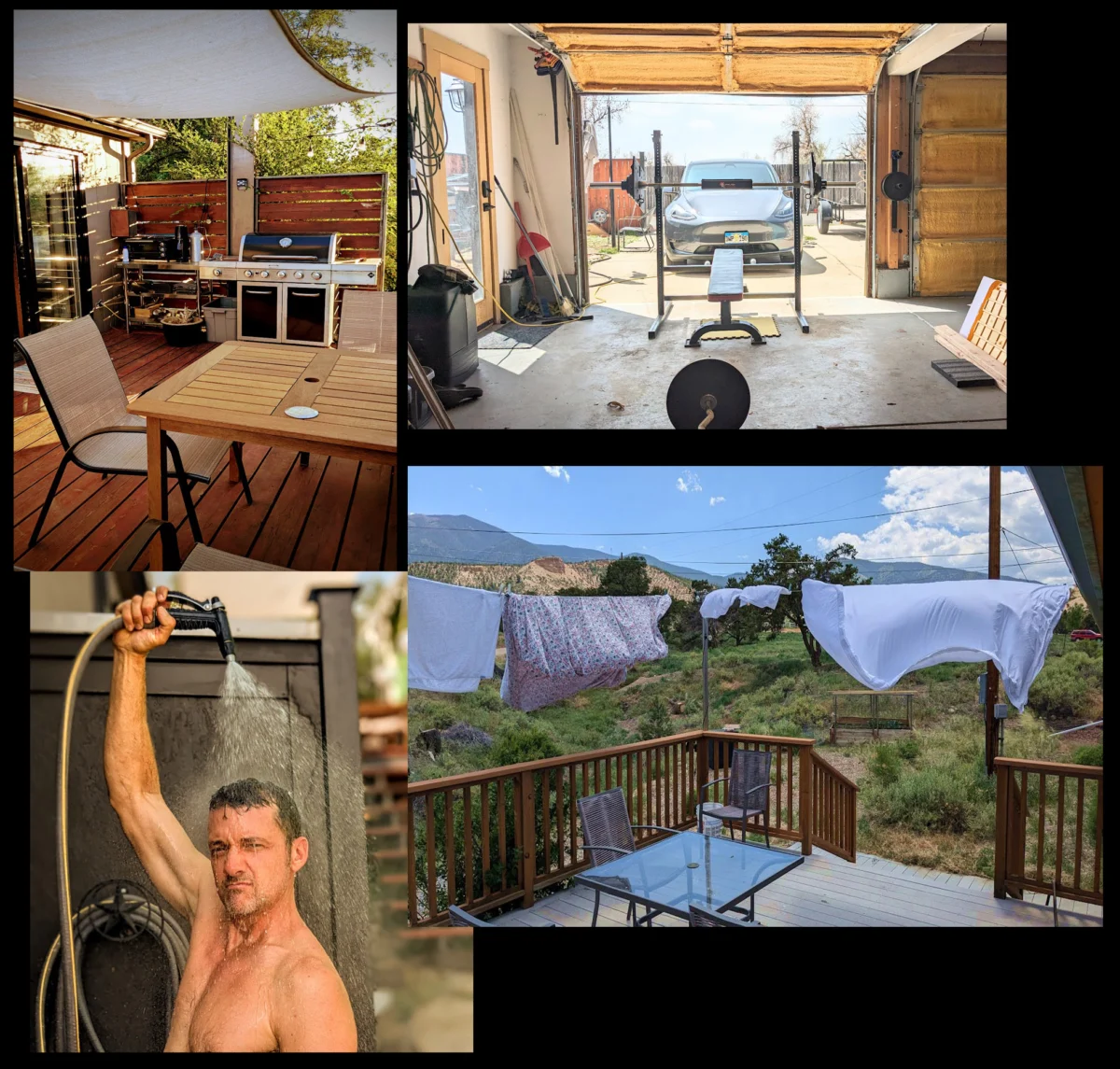
For over a decade, a digital firestorm has been brewing in the corners of personal finance blogs. At the center of it stands "Mr. Money Mustache" (MMM), the pseudonymous blogger who pioneered the FIRE (Financial Independence, Retire Early) movement. Recently, a wave of criticism has targeted the influencer, with detractors suggesting that his newfound wealth has detached him from the realities of the average person. Critics argue that he no longer practices the radical frugality that built his empire, claiming his advice is now purely performative.
However, a closer look at the life of the man behind the moniker reveals a different story. Far from abandoning his principles, the "Mustachian" lifestyle remains a deeply ingrained philosophy that prioritizes efficiency, self-sufficiency, and intentional living.
The Philosophy: Beyond Standard Financial Advice
To understand the friction between the critics and the Mustachian movement, one must distinguish between "standard" financial advice and the Mustachian approach. Standard advice often focuses on a binary goal: slash expenses until you reach a specific savings percentage, then view the rest as a matter of personal lifestyle choice. It often leads to the "FatFIRE" mentality—saving just enough to eventually transition to a life of high-end consumption.
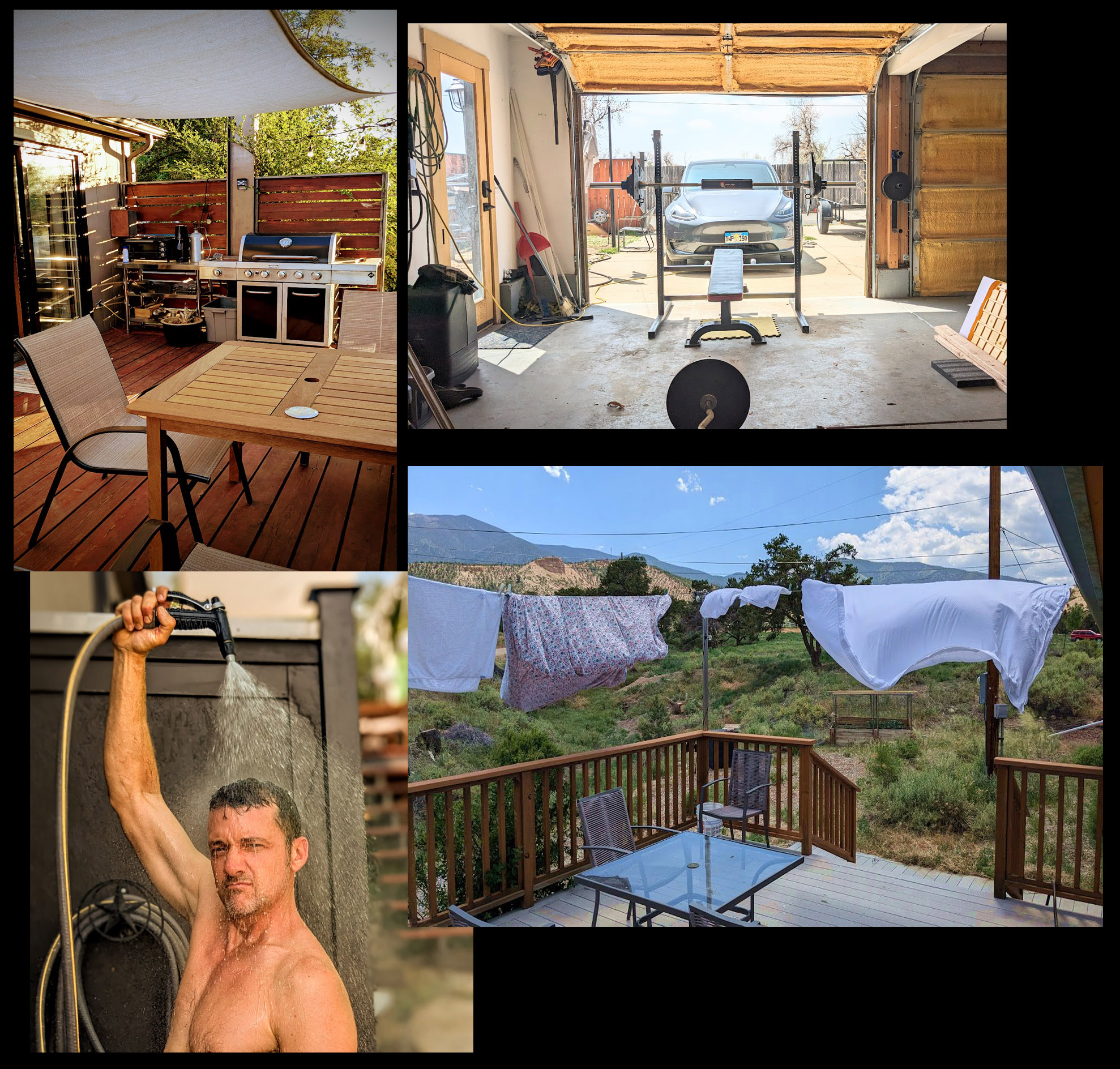
In contrast, Mustachianism is defined by the cultivation of efficiency, creativity, and self-improvement. It is not a temporary period of suffering to reach a finish line; it is a permanent recalibration of how one interacts with the world. The goal is to improve the quality of life while simultaneously lowering the monthly expense rate.
Chronology of a Lifestyle: A Decade of Consistency
When Mr. Money Mustache first gained prominence, the focus was on the "shockingly simple" math of early retirement: save 50% or more of your income, invest in low-cost index funds, and exit the traditional workforce. Over the past twelve years, his net worth has grown significantly, a trend mirrored by many of his long-term readers.
Yet, the core habits—the "Mustachian" toolkit—have remained static. Critics mistake his current financial security for a departure from his values, but the author maintains that his spending habits are not a result of necessity, but of genuine preference. By applying the "Rule of 172"—a method of calculating the impact of monthly expenses over a decade of potential investment growth—it becomes clear that even small changes result in massive long-term wealth shifts.

Supporting Data: The Economics of Frugality
The power of the Mustachian lifestyle is best illustrated by the tangible savings generated by specific, daily choices. When these habits are projected over a ten-year horizon, the figures are staggering.
1. The Producer Mindset: DIY Construction
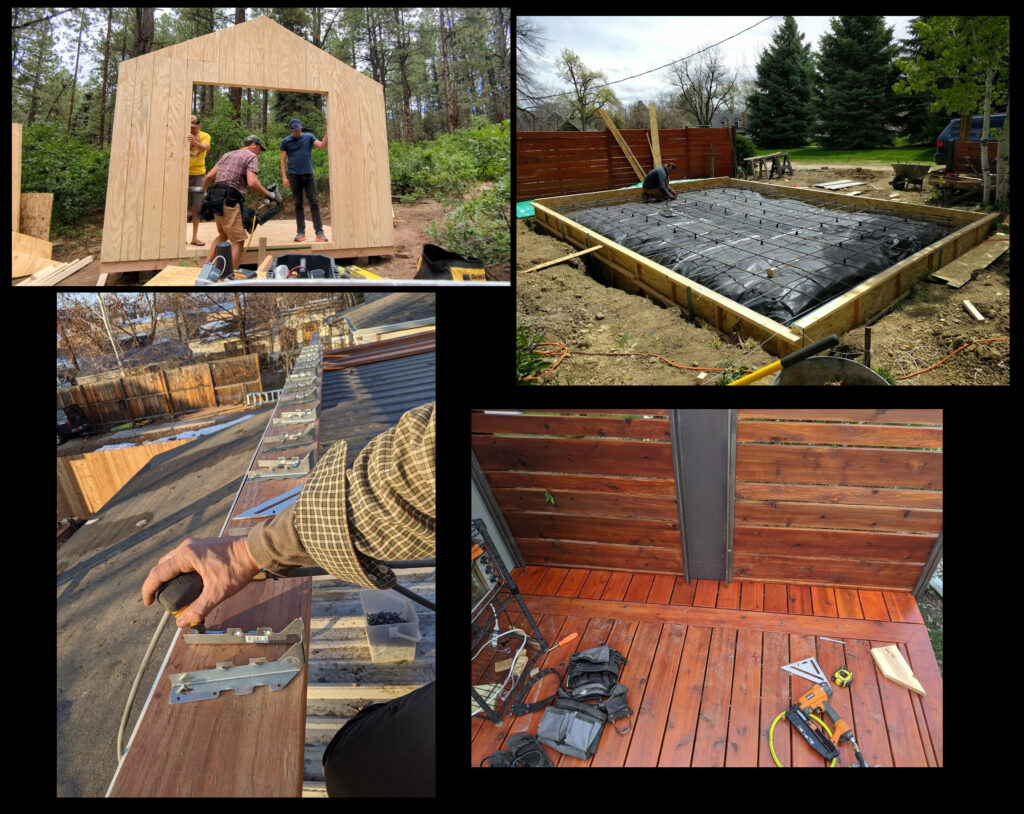
Mr. Money Mustache advocates for "becoming a producer of the things you enjoy consuming." By mastering home renovation and maintenance, he avoids the high premiums of professional contractors.
- Annual Savings: ~$20,000
- Decade Impact: $287,000
- Implication: This isn’t just about labor costs; it’s about reclaiming autonomy. Mastering one’s living space reduces dependency on external services and increases the functional beauty of the home.
2. Community-Driven Consumption
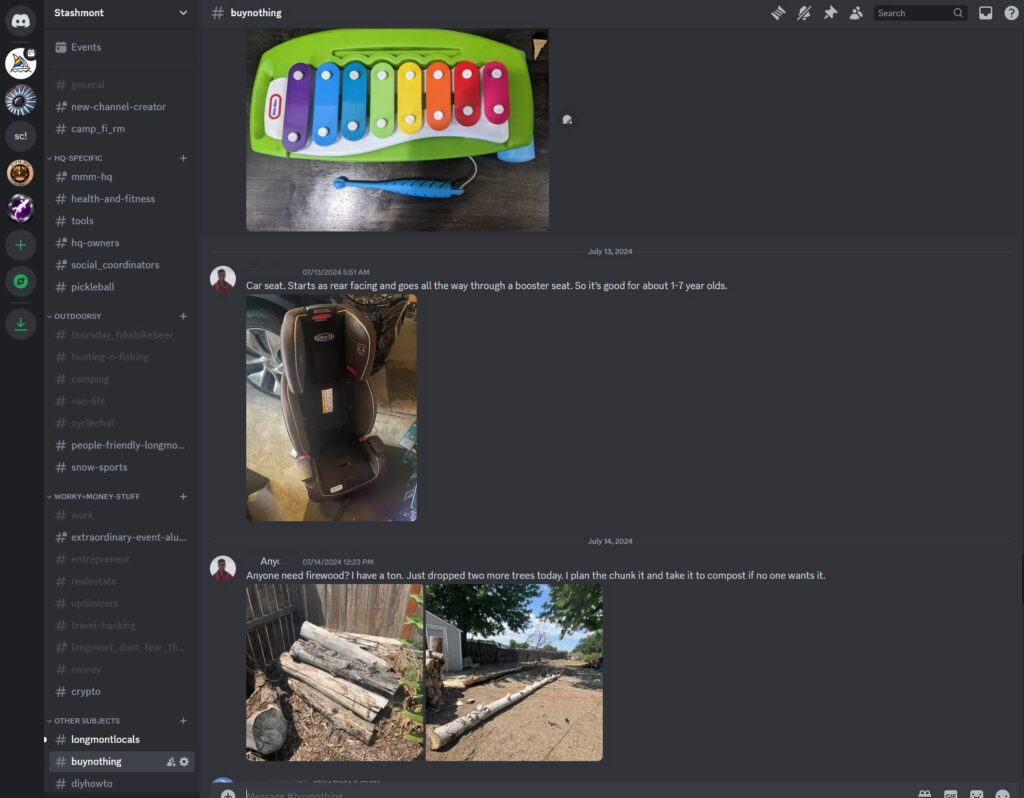
By utilizing platforms like Craigslist, Facebook Marketplace, and local Buy Nothing groups, the Mustachian community minimizes the need for retail consumption.
- Decade Impact: $42,000
- Implication: This practice fosters social cohesion. Through Discord servers and local networks, members trade high-quality goods, reducing waste while building deep-rooted community ties.
3. The Transport Revolution
The movement’s most famous tenet remains the prioritization of bicycles over cars. The math is simple: cars are depreciating assets that cost roughly $0.50 per mile to operate, while bicycles offer minimal maintenance and health benefits.
- Decade Impact: $14,000
- Implication: While the direct cost savings are lower than home construction, the systemic health improvements are impossible to quantify fully.
4. Human-Powered Living
"Muscle over motor" is the guiding principle for home maintenance. Whether it is shoveling snow, raking leaves, or moving furniture, the refusal to outsource manual labor to machinery serves a dual purpose: fitness and financial prudence.
- Estimated Decade Impact: $140,000 (factoring in healthcare cost avoidance).
- Implication: In a society where the average healthcare expenditure is ballooning, maintaining physical fitness through daily, labor-intensive activities serves as an insurance policy against the "cost of aging."
5. Energy Efficiency and "Glamping"
By retrofitting homes for passive solar energy and optimizing usage, the author keeps his energy bills at a fraction of the regional average.
- Decade Impact: $30,000
- Implication: This represents the "Mad Scientist" approach to living—viewing a home not as a static asset, but as an experimental lab for efficiency.
6. Localism vs. Consumerist Travel
Perhaps the most controversial, yet impactful, shift is the move toward "local living." By saying "no" to frequent, expensive travel and "yes" to local experiences, the author avoids the incidental costs of modern vacations.
- Decade Impact: $143,000
- Implication: This challenges the modern narrative that "happiness" requires constant movement or expensive escapism. It suggests that a high-quality home environment can act as a permanent vacation spot.
Implications: The $656,000 Discrepancy
When these six habits are aggregated, the total value exceeds $656,000 per decade. For context, this is more than double the median net worth of American seniors who have spent their entire lives in the traditional workforce.
The implication is profound: Financial Independence is not solely the domain of the high-income earner. It is an attainable state for anyone willing to re-evaluate the "standard" lifestyle. The critics who suggest that MMM is out of touch are missing the point: the wealth is not the goal—it is a byproduct of a life lived with extreme intentionality.

Official Stance and The Path Forward
Mr. Money Mustache’s stance remains defiant. He views the gossip surrounding his wealth as a natural outcome of the "transparency" required to build a community. However, he remains committed to the idea that the "Mustachian" path is open to all.
For those looking to begin, the advice is simple: you don’t need to be a master builder or an energy expert. You simply need to be slightly less ridiculous than the average consumer. By questioning the necessity of every expense and prioritizing self-reliance, anyone can begin to bridge the gap between their current financial reality and a life of true freedom.
As the movement continues to evolve, the core lesson remains the same: the most radical act in a consumerist society is to live a life that is efficient, productive, and—above all—enjoyable on your own terms. Whether or not it is "about the money" for the individual, the result is the same: a life defined by freedom rather than obligation.

In the final analysis, the Mustachian lifestyle is not a chore to be performed; it is a way of engaging with the world that, as a fortunate side effect, leaves you with more time, more energy, and more resources than you ever thought possible.
