

Los Angeles has long been defined by its contradictions: a sprawling, car-centric metropolis that serves as the global epicenter of entertainment, innovation, and architectural experimentation. From the iconic mid-century modern homes perched in the Hollywood Hills to the industrial-turned-artistic hubs of the Arts District, the city is a living canvas. However, as the climate crisis accelerates, the "City of Angels" is facing a reckoning. The very features that once defined its growth—unrestrained suburban expansion and a heavy reliance on the personal automobile—are now the primary obstacles to its survival.
To understand the future of this sprawling urban landscape, we must look beyond the concrete and steel. We are witnessing a fundamental shift in how one of the world’s most famous cities perceives its role in the global transition toward sustainability. By bridging the gap between historical design, cultural identity, and cutting-edge environmental engineering, experts are now proposing a radical reimagining of Los Angeles.
The Architecture of Transition: Main Facts
The challenge of decarbonizing Los Angeles is not merely a technical problem; it is a cultural one. For decades, the city’s design language was dictated by the needs of the freeway system. Today, the mission has shifted toward creating a "net-zero" urban environment. This involves a multi-pronged strategy: electrifying the transit sector, retrofitting existing structures to meet modern energy efficiency standards, and integrating green infrastructure into the densest parts of the city.
Recent efforts, such as the massive expansion of the Metro rail system and the ongoing restoration of the Los Angeles River, serve as testaments to a newfound political and social will. These projects are no longer seen as optional enhancements but as essential infrastructure for a future where the city must contend with rising temperatures, water scarcity, and shifting demographic patterns.

A Chronology of Change: From Freeway Culture to Green Transit
The history of Los Angeles is written in its asphalt. To grasp the current momentum, one must look at the timeline of its development:
- 1950s–1970s: The Freeway Era: The post-war boom solidified LA’s identity as a car-dependent city. Zoning laws and urban planning prioritized the automobile above all else, creating a dispersed city structure that remains a hurdle for modern sustainability.
- 2000s: The Recognition of Limits: As air quality and traffic congestion reached breaking points, the city began exploring alternatives. The push for "smart growth" began to enter the political lexicon, focusing on higher-density living near transit hubs.
- 2010s: Policy Pivot: California began leading the nation in climate legislation. State-wide mandates regarding emissions and renewable energy targets forced Los Angeles to begin the slow, arduous process of retrofitting its grid and public transportation systems.
- 2020–Present: The "Renewing the Dream" Phase: Current initiatives, supported by firms like Woods Bagot, are moving beyond individual building sustainability. The focus is now on "systems-level" changes—such as replacing gas stations with EV charging networks and integrating public art into sustainable infrastructure—to make the transition palatable and even aspirational for residents.
Supporting Data: The Scale of the Challenge
The transition is not just about aesthetics; it is about hard, measurable metrics. According to recent studies, the transportation sector accounts for the largest portion of greenhouse gas emissions in the Los Angeles basin.
- The EV Shift: With state laws now phasing out the sale of high-emission vehicles, the pressure on the electrical grid is mounting. The transition involves not just more electric vehicles, but the infrastructure to support them. Replacing gas stations with high-capacity E-charging hubs is estimated to have a transformative effect on the city’s carbon footprint.
- Public Transit Metrics: The Metro expansion aims to reach hundreds of thousands of commuters, potentially removing millions of individual car trips from the road annually.
- Energy Efficiency: Retrofitting older, inefficient buildings in the downtown and industrial districts remains one of the most effective ways to lower the city’s total energy consumption.
Official Perspectives: Conversations with Industry Leaders
To gain a deeper understanding of this shift, we spoke with the experts at Woods Bagot, a global architecture and design firm currently spearheading the discourse on urban transformation. Matt Ducharme, West Coast Principal, and Russell Fortmeyer, Global Sustainability Leader, emphasized that the transition to a sustainable city requires an alignment between government policy and public culture.
"We are talking about the impact of transitioning to clean energy and not just sustainable buildings," Ducharme explained. "Think about replacing every gas station in LA with an E-charging station. This will have a massive impact on the carbon footprint, but will also affect our electricity consumption. It’s a systemic change."

Fortmeyer highlighted the necessity of government involvement, noting that while the private sector is the engine of development, the roadmap must be provided by the public sector. "The government can’t spearhead every aspect of development," Fortmeyer noted. "With that said, government policies should make it possible for the transition to happen. Providing incentives is one way they can help with this."
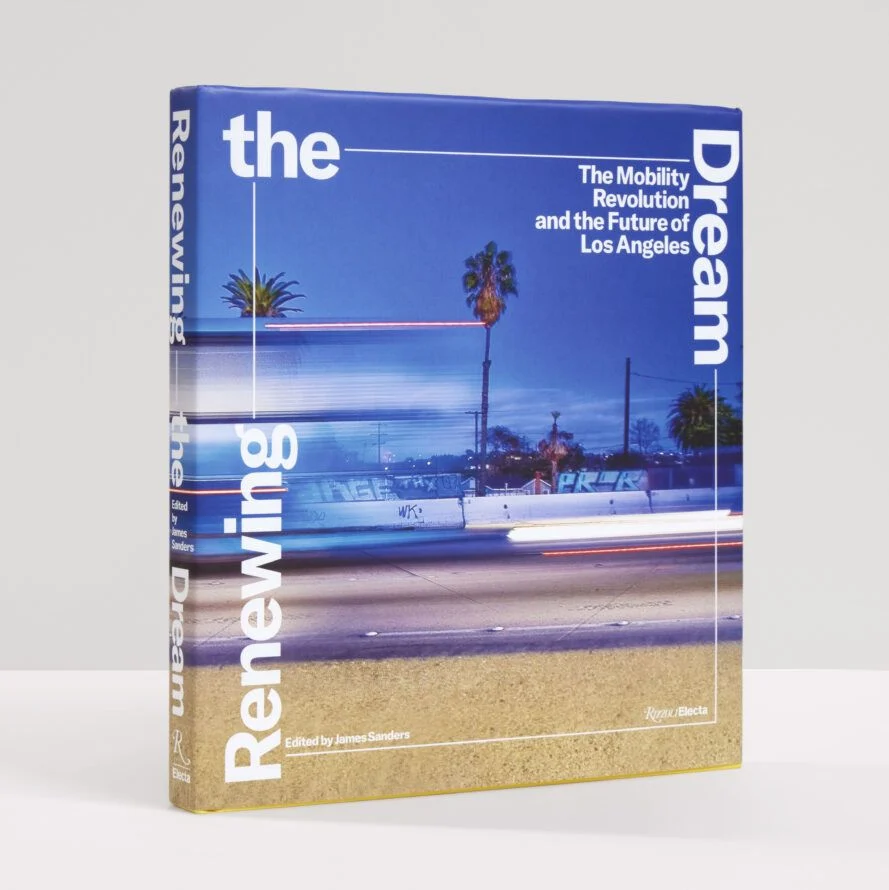
The duo’s recent book, Renewing the Dream: The Mobility Revolution and the Future of Los Angeles, acts as a manifesto for this change. It argues that sustainability must be "sold" to the public by making it beautiful, efficient, and deeply integrated into the city’s existing cultural tapestry.
Implications: The Road Ahead
The implications of this shift are profound, not just for Los Angeles, but for every major city struggling to break free from the patterns of the 20th century. If Los Angeles—a city synonymous with the car—can successfully transition to a sustainable, transit-oriented, and net-zero model, it sets a global precedent.
1. The Cultural Integration of Sustainability
One of the most critical takeaways from the experts is that sustainability cannot be an "add-on." It must be woven into the cultural life of the city. By leveraging the Arts District’s creativity and the city’s penchant for grand, visual spectacles, sustainable design becomes a feature rather than a chore. Large-scale LED screens on public buildings, for instance, can serve both as energy-efficient communication tools and as hubs for community gatherings.

2. The Role of Policy and Incentives
The transition will be stalled if left purely to market forces. The successful implementation of California’s ban on high-emission vehicles has already proven that policy can force a shift in behavior. Future success will depend on similar bold policies that incentivize developers to prioritize high-performance materials and transit-oriented site selection.
3. Empathy as a Design Tool
Perhaps the most unique aspect of the current approach is the focus on empathy. Designing for sustainability means understanding the specific needs of different neighborhoods. A one-size-fits-all approach will fail in a city as diverse as Los Angeles. Architects are now looking at history and local demographics to ensure that new developments enhance, rather than displace, existing communities.
Conclusion: A New Urban Tapestry
The evolution of Los Angeles from a car-dependent sprawl to a sustainable, net-zero beacon is a monumental task. It requires the coordination of policymakers, private developers, architects, and the public. By treating the city’s mobility, energy, and culture as a single, interconnected system, Los Angeles is finally beginning to write a new chapter in its history.
The "Dream" being renewed is not one of endless asphalt and solitary commuting, but one of a vibrant, connected, and environmentally responsible metropolis. As the city continues to evolve, the interplay between its storied past and its innovative future will determine whether it can lead the world once more—this time, not just in film and culture, but in the essential art of living sustainably. The path is complex and the stakes are high, but for Los Angeles, the transition has already begun.
