

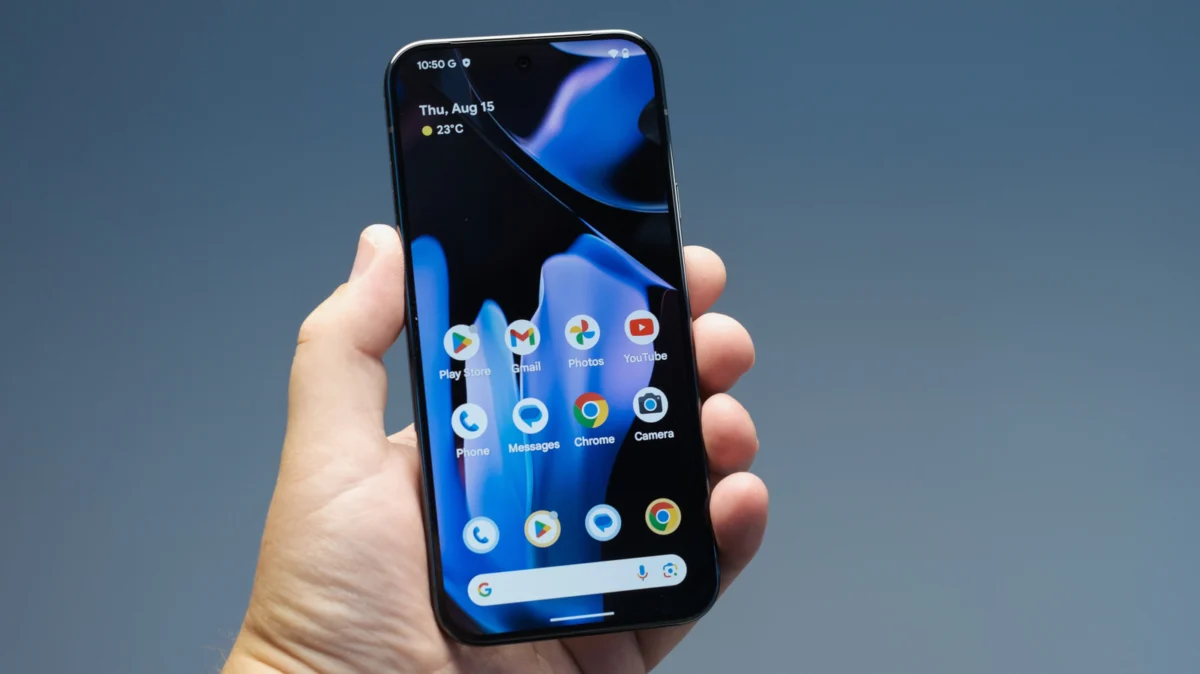
In an era where flagship smartphones regularly command prices exceeding $1,200, the "budget" segment has become a lifeline for millions of consumers. However, the allure of a low price point can often lead to "feature blindness," where a buyer ignores critical hardware limitations in favor of a sleek design or a recognizable brand logo. The reality is simple: a phone that cannot keep up with the basic demands of modern digital life—navigation, communication, and media consumption—is a poor investment, regardless of how little it costs.
Finding a high-performing Android smartphone for $300 or less is not only possible; it is a smart fiscal move. However, navigating this market requires a strategic understanding of which components are disposable and which are fundamental to the device’s longevity.
The Philosophy of Essentialism in Smartphone Purchasing
When shopping for an affordable device, the primary objective is to differentiate between "luxury" features and "utility" features.
Luxury features—such as titanium frames, high-end haptics, curved glass edges, or ultra-fast wireless charging—are the first things to sacrifice. These elements increase production costs significantly but offer diminishing returns on daily performance. Conversely, utility features are the components that govern the device’s speed, visual clarity, and endurance.
The Non-Negotiable Thresholds
To ensure a device remains relevant for at least two to three years, buyers must set rigid minimums. The goal is to avoid the "frustration tax"—the inevitable moment when a slow, underpowered phone begins to impede your productivity, forcing you to replace it prematurely.
Screen Technology and RAM: The Pillars of Performance
The user interface of a smartphone is its most important interaction point. If the screen is dim or the RAM is insufficient, the phone will feel "cheap" every time it is unlocked.
The Display Requirement
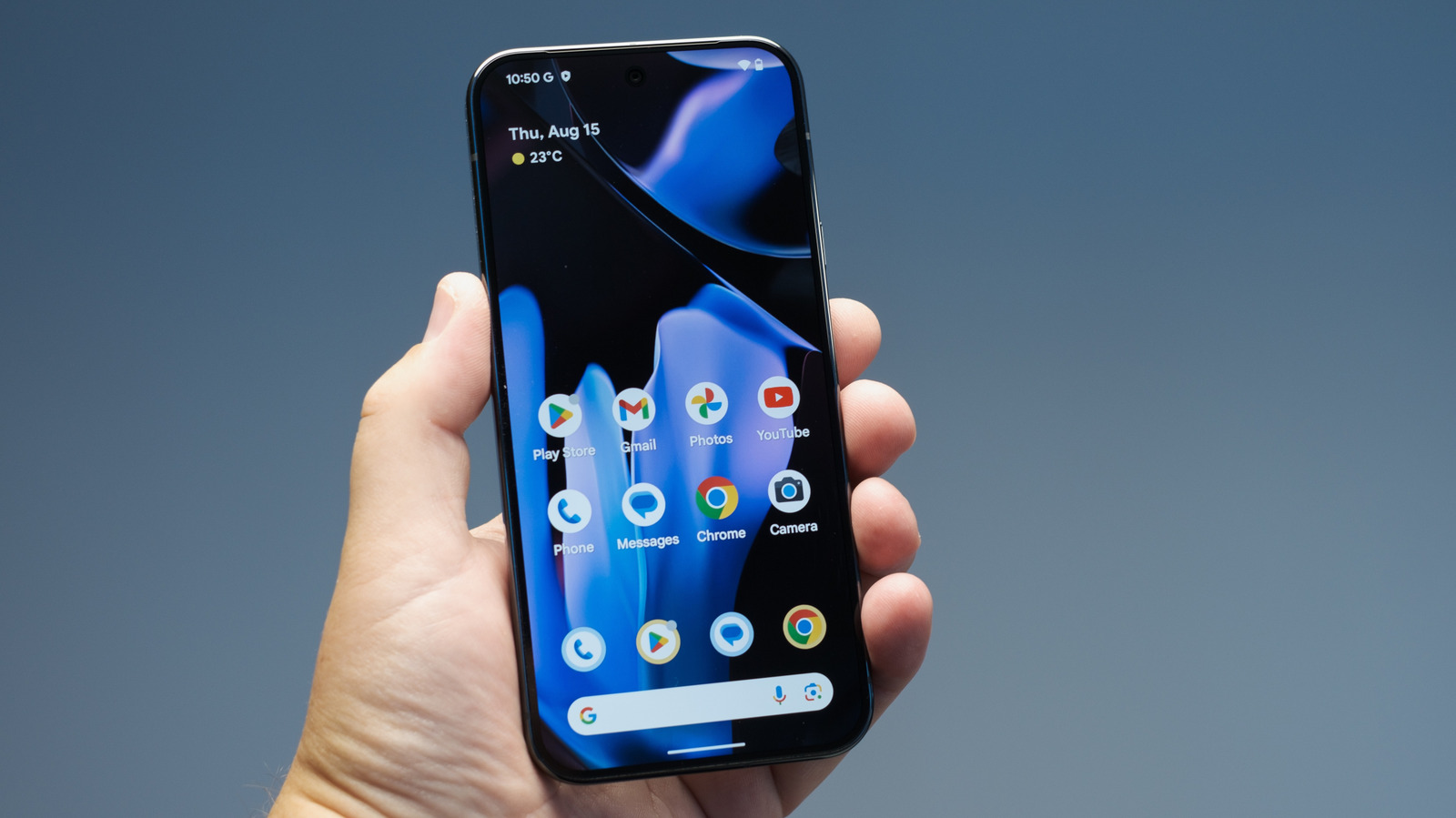
In the early 2010s, a 4-inch display was the industry standard. Today, such a screen would be functionally useless for most modern applications. For a balanced experience, look for a minimum of 6.1 inches. This size provides enough real estate for comfortable two-handed typing and media consumption without becoming unwieldy.
Beyond size, panel technology is paramount. Avoid low-end LCD panels if possible. Aim for an AMOLED (Active-Matrix Organic Light-Emitting Diode) display. AMOLED screens provide deeper blacks and more vibrant colors, which significantly improves the perceived quality of the device. Furthermore, ensure the display offers at least 1,000 nits of peak brightness. A screen that is unreadable under direct sunlight is a major failure in mobile utility.
Memory and Storage Management
Memory (RAM) is the engine room of your phone. In the current Android ecosystem, 4GB of RAM is no longer enough to handle background processes, social media apps, and browser tabs simultaneously.
- The 6GB Minimum: This is the absolute floor for a fluid experience. Anything less will lead to frequent app reloading and stuttering.
- The 8GB Sweet Spot: If you intend to do any mobile gaming or heavy multitasking, 8GB of RAM is the recommended target.
Regarding storage, the industry has shifted away from expandable microSD slots. Consequently, 128GB should be considered the entry-level baseline. If you store high-resolution photos or cache large amounts of media, 256GB is the safer, more future-proof choice. Relying solely on cloud storage can lead to data bottlenecks when you are away from stable Wi-Fi.
Processor Longevity and Software Support
The processor (System-on-a-Chip) is the most difficult component to upgrade, as it is soldered directly to the motherboard. While you do not need the top-tier Snapdragon 8-series chips, you must avoid "entry-level" processors that are more than two years old.
The "Lag Factor"
A processor that was mediocre upon release will be nearly unusable after two years of OS updates. When evaluating a budget phone, research the specific chipset. If reviews consistently mention "stuttering in the UI" or "dropped frames during navigation," steer clear. A laggy processor ruins the experience of using the phone, rendering the money saved on the price tag irrelevant.
Software Lifecycle
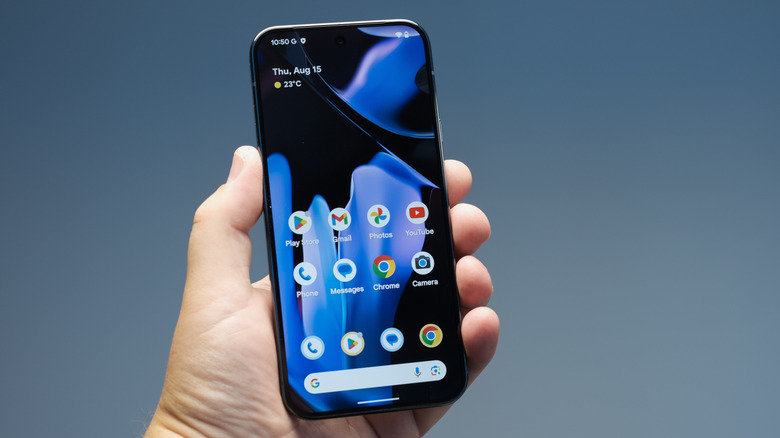
Perhaps the most critical "hidden" feature is the length of security and OS support. A phone is only as secure as its last patch. Before purchasing, verify the manufacturer’s commitment to updates. Ideally, look for a device that has at least two or three years of remaining support. Buying a phone that is already at the end of its life cycle is a security risk.
Battery Endurance and Photographic Capability
A phone that dies by 3:00 PM is a burden, not a tool. In the budget segment, battery capacity is usually the most heavily marketed spec, but efficiency is what actually matters.
Battery Capacity
A 4,500mAh battery is the baseline for a full day of moderate use. However, 5,000mAh has become the gold standard for budget-friendly devices. When checking specs, ensure the battery size matches the device’s power consumption. If the phone uses a less-efficient processor, it will need that extra capacity to survive the day.
The Camera Myth
Many cheap phones boast "50MP" or "108MP" sensors, but these numbers are often marketing gimmicks designed to mask poor hardware. A 12MP or 16MP sensor with a larger physical size will almost always outperform a high-megapixel, small-sensor camera. Look for cameras that offer:
- Large sensor size: This allows for better low-light performance.
- Optical Image Stabilization (OIS): Crucial for preventing blurry photos.
- Front-facing quality: Ensure the selfie camera is at least 12MP for clear video calls.
Market Strategy: How to Find Value
The best way to acquire a high-quality phone on a budget is through strategic timing and market segment awareness.
1. The Mid-Range Pivot
Instead of buying a "budget" phone, aim for a "previous generation mid-range" phone. Devices like the Samsung Galaxy A-series or older Google Pixel "a" models offer features (like superior camera processing and long-term software support) that entry-level budget phones simply cannot match.
2. Seasonal and Renewed Options
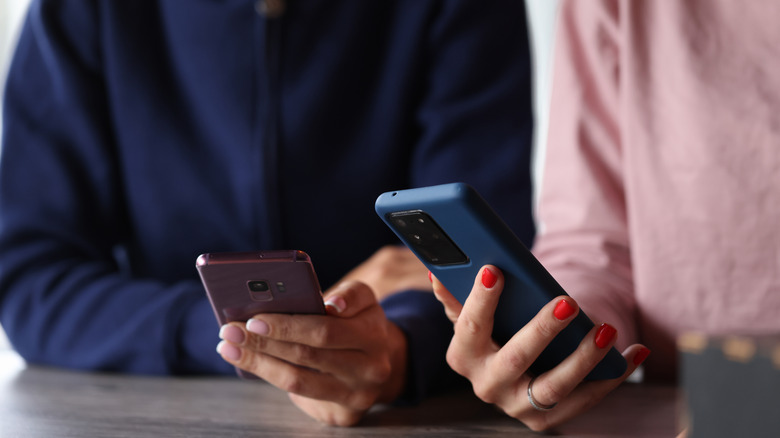
The "renewed" market is a gold mine for budget-conscious buyers. A professionally refurbished Google Pixel 8a or a Samsung Galaxy S-series model from two years ago will often outperform a brand-new $200 phone in every measurable metric. These devices are built with premium materials, have superior processors, and often include features like wireless charging and water resistance—luxuries you won’t find on true budget hardware.
3. The Importance of Connectivity
Do not overlook the "small" details. Ensure the device supports:
- NFC: Essential for mobile payments (Google Wallet/Apple Pay).
- Modern Bluetooth: Bluetooth 5.2 or higher ensures stable connections to headphones and smartwatches.
- 5G Support: While not always necessary, it ensures the phone remains compatible with network infrastructure as 4G coverage begins to sunset in various regions.
Conclusion: The Smart Buyer’s Checklist
When you are ready to make your purchase, carry this mental checklist:
- Display: AMOLED, at least 6.1 inches, 1,000+ nits.
- RAM: 6GB minimum (8GB preferred).
- Storage: 128GB minimum.
- Battery: 4,500mAh to 5,000mAh.
- Support: At least two years of security updates remaining.
By ignoring the bells and whistles—the flashy finishes and the excessive camera marketing—you can find a device that serves your needs for years. The goal is not to buy the cheapest phone; it is to buy the most valuable phone. By prioritizing screen quality, sufficient memory, and reliable software support, you can secure a smartphone that performs like a flagship at a fraction of the cost. Do not settle for a device that makes you fight against your own hardware; choose wisely, and your phone will reward you with reliability.
