

The landscape of modern marketing has shifted decisively from passive consumption to active participation. In a world saturated with digital advertisements, brands are increasingly turning to "experiential marketing"—tangible, immersive, and often surreal activations—to capture the dwindling attention spans of consumers. This week, five major global brands—Angry Orchard, Yotel, Hilton, Lurpak, Paramount Pictures, and Heineken—demonstrated the power of physical world-building. From ’90s-themed video stores in Manhattan to multisensory "food vaults" in London, these activations reveal a sophisticated trend: the blending of nostalgia, utility, and high-stakes gamification to drive brand loyalty.
Main Facts: The Evolution of the Pop-Up Experience
In early October, a series of high-profile brand activations took place across major global hubs, specifically New York City and London. These events were not mere PR stunts but strategic efforts to deepen consumer relationships through "retail-tainment" and sensory engagement.
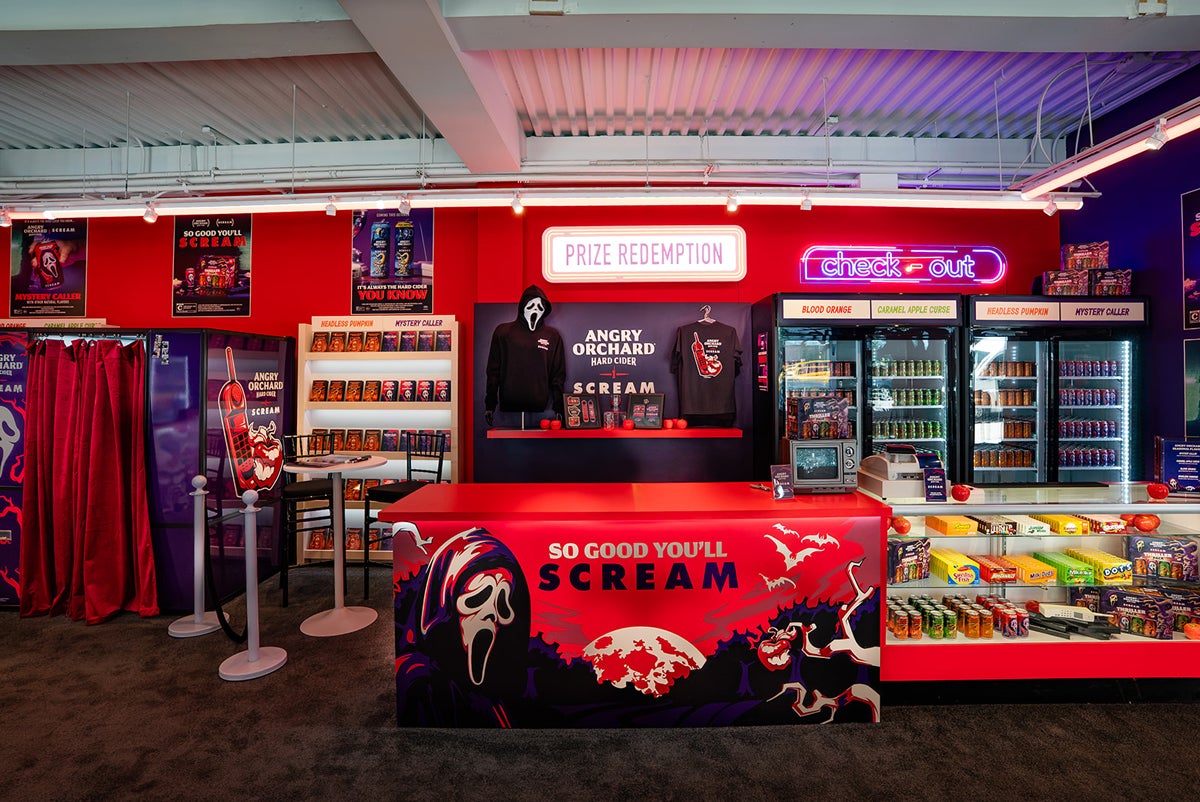
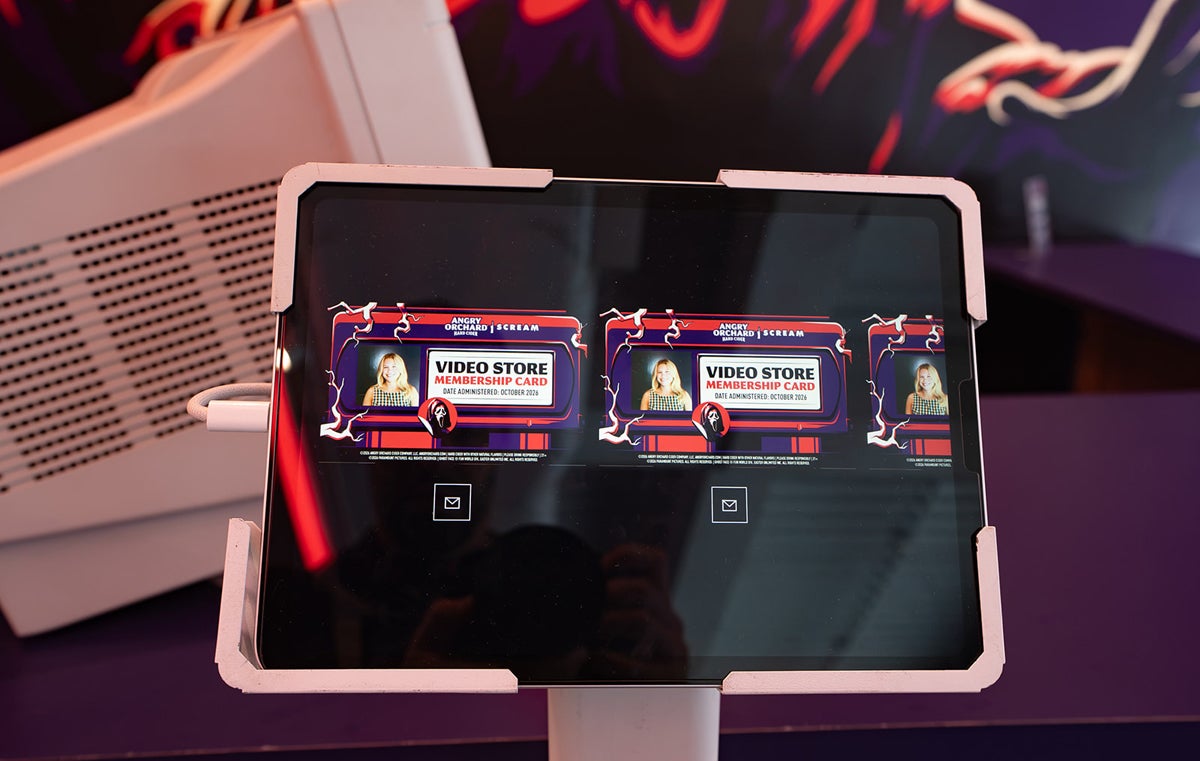
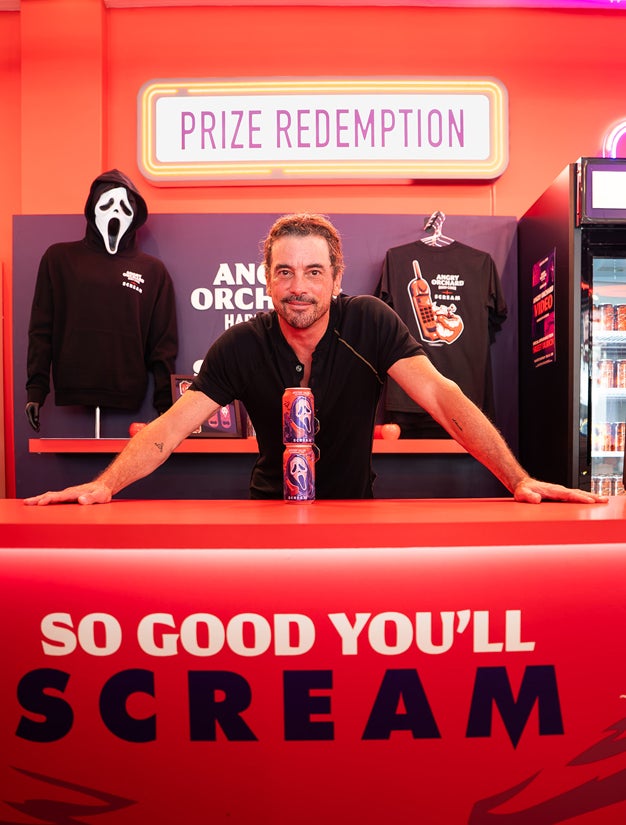
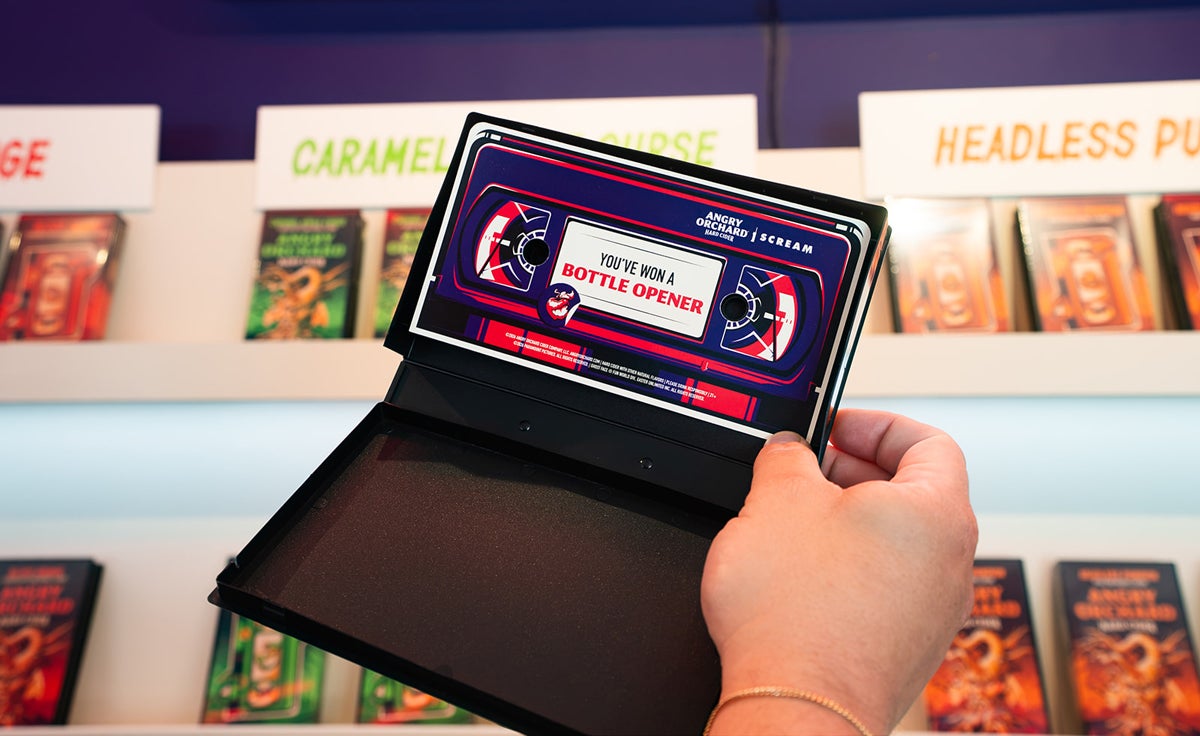
- Angry Orchard x Scream: To celebrate the 30th anniversary of the Scream franchise, Angry Orchard launched a limited-edition "Ghost Face" cider via a 1990s-themed video rental store pop-up in NYC.
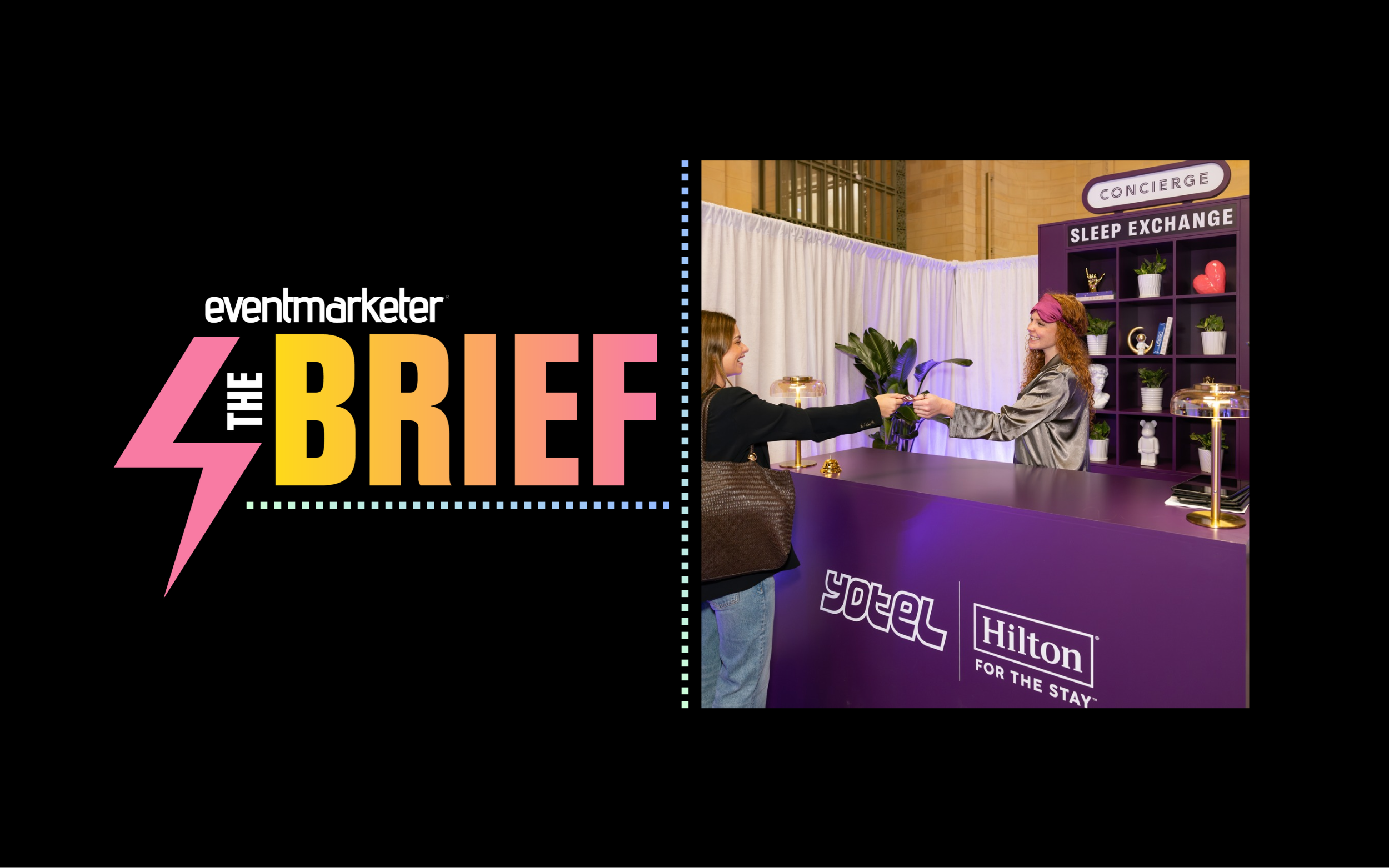
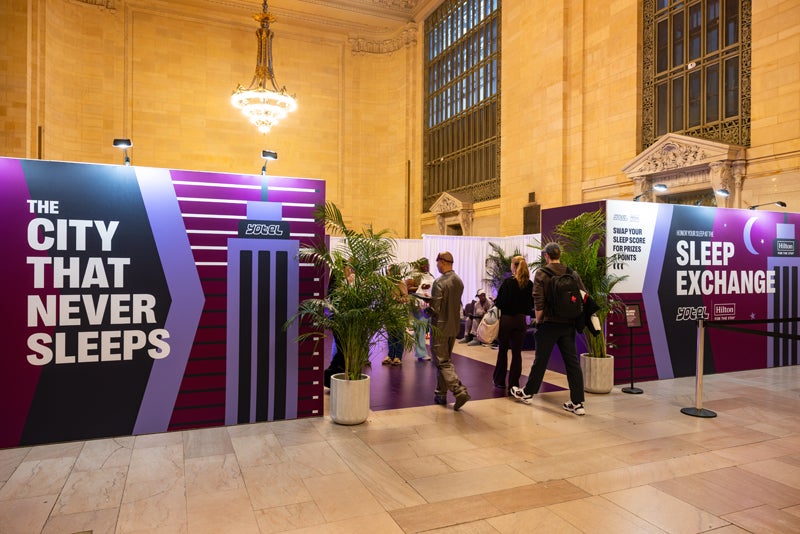
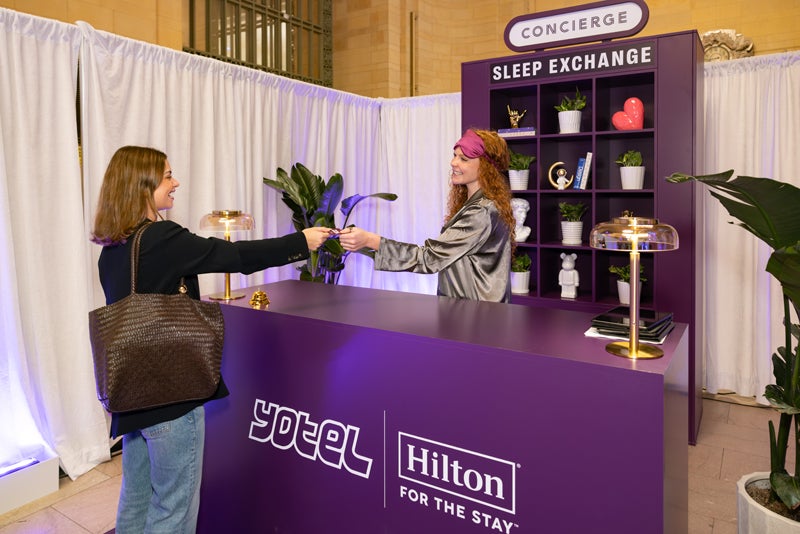
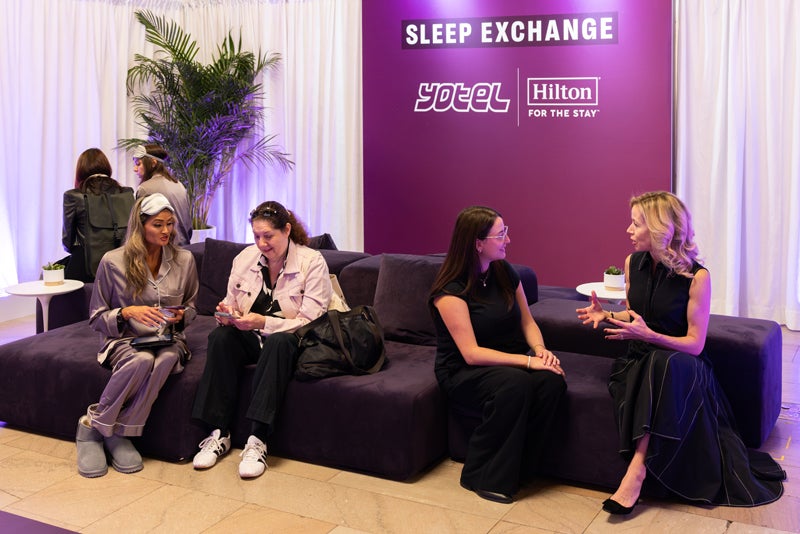
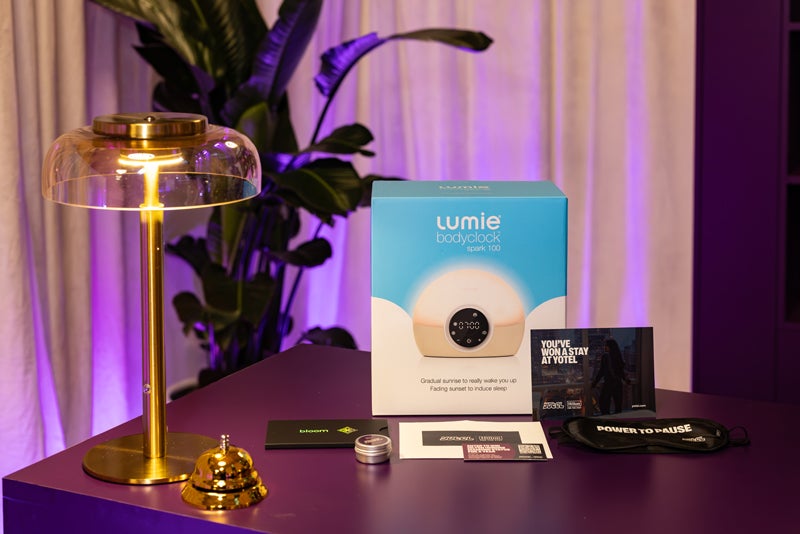
- Yotel x Hilton: Marking a new loyalty partnership, the brands transformed Grand Central Terminal into a "Sleep Exchange," offering personalized sleep consultations and gamified rewards based on "sleep scores."
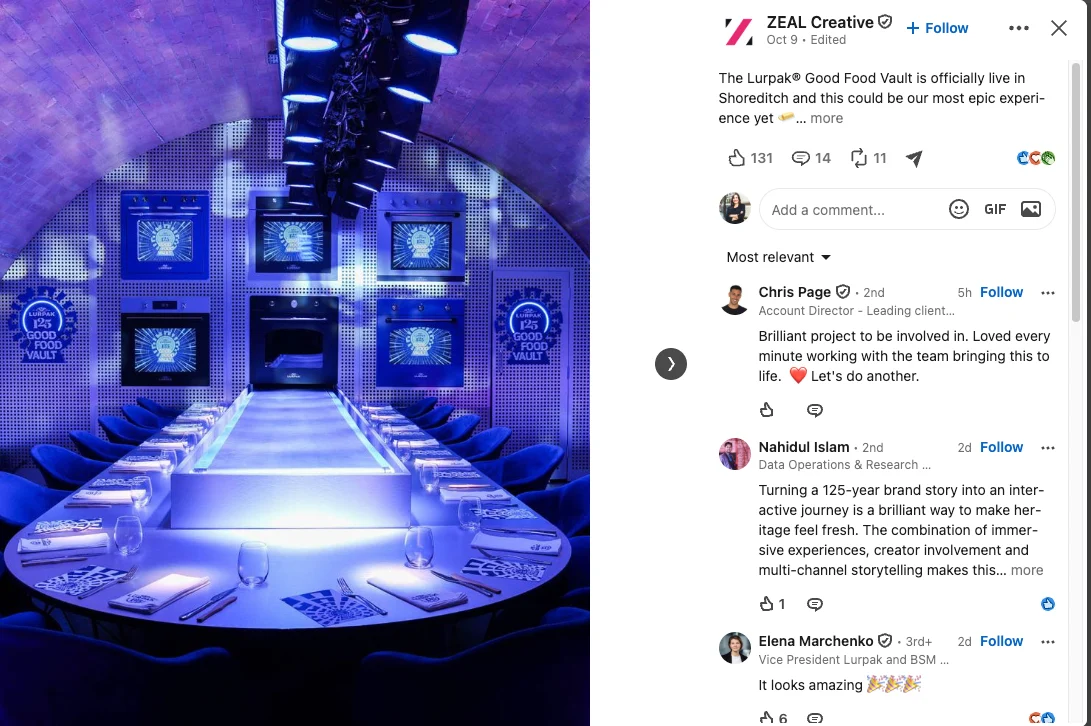
- Lurpak’s 125th Anniversary: The premium butter brand celebrated over a century of existence by opening "The Good Food Vault" in Shoreditch, London, taking guests on a multisensory journey through British culinary history.
- Street Fighter IRL: Paramount Pictures promoted the upcoming Street Fighter film by turning Times Square into a live-action arena where fans controlled real-life combatants via a massive arcade console.
- Heineken x Baller League: Heineken expanded its sports sponsorship portfolio by partnering with the digital-first "Baller League," introducing a custom-engineered "Foosballer Table" to bridge the gap between digital soccer and traditional pub culture.
Chronology: A Week of Immersive Brand Storytelling
October 2–3: The Return of Physical Media
The week began in New York’s West Village, where Angry Orchard and Fun World (the copyright owners of the Ghost Face mask) tapped into the surging "90s nostalgia" trend. For two days, fans over 21 were transported back to an era of VHS tapes and neon-lit aisles. The activation served as the launchpad for the "Scream" variety pack, proving that horror-themed marketing has a shelf life far beyond the Halloween season.
October 6–9: Culinary History and Sleep Science
As the week progressed, the focus shifted to London and midtown Manhattan. On October 6, Lurpak opened the doors of its "Good Food Vault" to the public for a preview, followed by a three-day ticketed dining experience (Oct 7–9). Simultaneously, on October 8, the "city that never sleeps" was invited to do exactly that. The Yotel x Hilton "Sleep Exchange" took over Grand Central Terminal for a single, high-impact day of data-driven wellness.
October 7: Combat in the Crossroads of the World
Mid-week, Paramount Pictures seized the spotlight in Times Square. The Street Fighter activation was a masterclass in high-visibility marketing, utilizing one of the world’s most trafficked locations to create a "viral moment" involving celebrity appearances and interactive technology.
Supporting Data: Measuring the "Sleep Deficit" and Brand Longevity
The effectiveness of these activations is often rooted in data. The Yotel x Hilton "Sleep Exchange" was particularly notable for its use of real-time consumer research. During the Grand Central activation, the brands surveyed participants to gauge the "sleep health" of New Yorkers.
Key Findings from the Sleep Exchange Survey:
- The Deficit: 46% of participants reported sleeping only five to six hours per night, significantly below the recommended seven to nine hours.
- Quality Metrics: Only 23% of respondents classified their sleep as "good," with an average sleep score of 70–79 out of 100.
- Incentivization: By allowing consumers to "trade" their poor sleep scores for Hilton Honors points and Yotel stays, the brands successfully converted a negative consumer pain point into a positive brand association.
In London, Lurpak utilized its 125-year milestone to reinforce its market dominance. The "Good Food Vault" was limited to 125 guests for the full dining experience, creating a sense of "manufactured scarcity" that drove significant social media buzz and long queues for the public "anniversary cupcakes."
Official Responses and Strategic Execution
The success of these events relied on the collaboration between brands and specialized experiential agencies.
Angry Orchard’s Nostalgia Play
Collaborating with agencies Little Red Bean Productions and Golin Ketchum, Angry Orchard aimed to create an "authentic" ’90s environment. The inclusion of Skeet Ulrich, who played Billy Loomis in the original 1996 Scream, provided the "earned media" necessary to propel the event into national entertainment news. Industry analysts note that "Legacy IP" (Intellectual Property) like Scream provides a safe but high-impact vehicle for alcohol brands to reach millennial and Gen Z demographics who value retro aesthetics.
Lurpak’s Multisensory Approach
Working with Zeal Creative, Lurpak moved beyond traditional print and TV ads to create a "theatre of food." The activation featured an interactive conveyor belt and "time machine" ovens. According to a spokesperson for Zeal Creative, the goal was to allow consumers to "smash, experiment, and play," moving the brand from the refrigerator to the center of a "memorable life experience."
Paramount’s Gamified Cinema
The Street Fighter activation in Times Square bypassed traditional trailers in favor of "interactive spectacle." By allowing fans to operate a massive arcade machine that dictated the moves of live-action fighters, Paramount tapped into the "participatory culture" of modern gaming. The surprise appearance by 50 Cent served as a secondary "hook" to ensure the event dominated social media feeds.
Implications: The Future of the "Experience Economy"
These five events offer a blueprint for the future of marketing. As we move toward 2025 and 2026, several key implications emerge for the industry:
1. The Rise of "Utility Marketing"
The Yotel x Hilton activation suggests that consumers are increasingly willing to engage with brands if the brand provides a tangible service or "fix." By bringing in Dr. Rebecca Robbins, a renowned sleep scientist, the brands provided actual value (health advice) in exchange for consumer data and loyalty program sign-ups. This "Value-Exchange" model is likely to replace traditional "Sampling" models.
2. Phygital Integration
Heineken’s "Foosballer Table" is a prime example of "Phygital" marketing—merging the physical (a foosball table) with the digital (Baller League’s online fandom). By placing these tables in "Star Bars" across the UK, Heineken ensures that the sponsorship lives on long after the live matches end. This creates a "long-tail" effect for experiential investments.
3. The "Anti-Digital" Backlash
The success of the Angry Orchard Video Store and the Lurpak Vault highlights a growing consumer desire for tactile, physical experiences. In an era of AI and Metaverses, there is a premium on "real" things: the smell of butter, the weight of a VHS case, the vibration of an arcade joystick. Brands that can provide a "sensory anchor" in a digital world will likely see higher brand recall.
4. Hyper-Localization and "Destination" Marketing
By choosing iconic locations like Times Square, Grand Central, and Shoreditch, these brands are turning marketing into a "destination." These are no longer just ads; they are events that people plan their day around. The challenge for marketers moving forward will be scaling these "local" high-impact moments into global digital campaigns through user-generated content.
Conclusion
This week’s experiential highlights prove that the most successful brands are those that stop talking at consumers and start building worlds for them. Whether it’s through the lens of a 1990s slasher film or the high-tech data of a sleep study, the goal remains the same: to create a "stickiness" that a digital banner ad simply cannot achieve. As Angry Orchard, Lurpak, and Heineken have shown, the secret to the future of marketing may just lie in the tangible, the playful, and the slightly surreal.
