

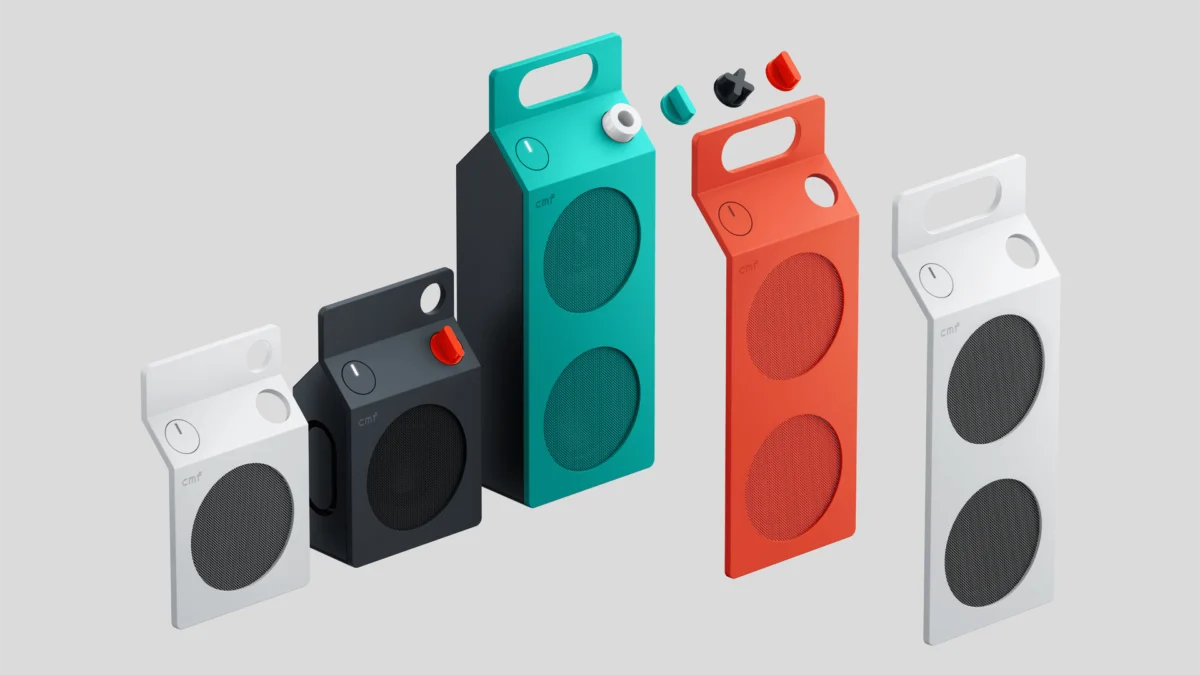
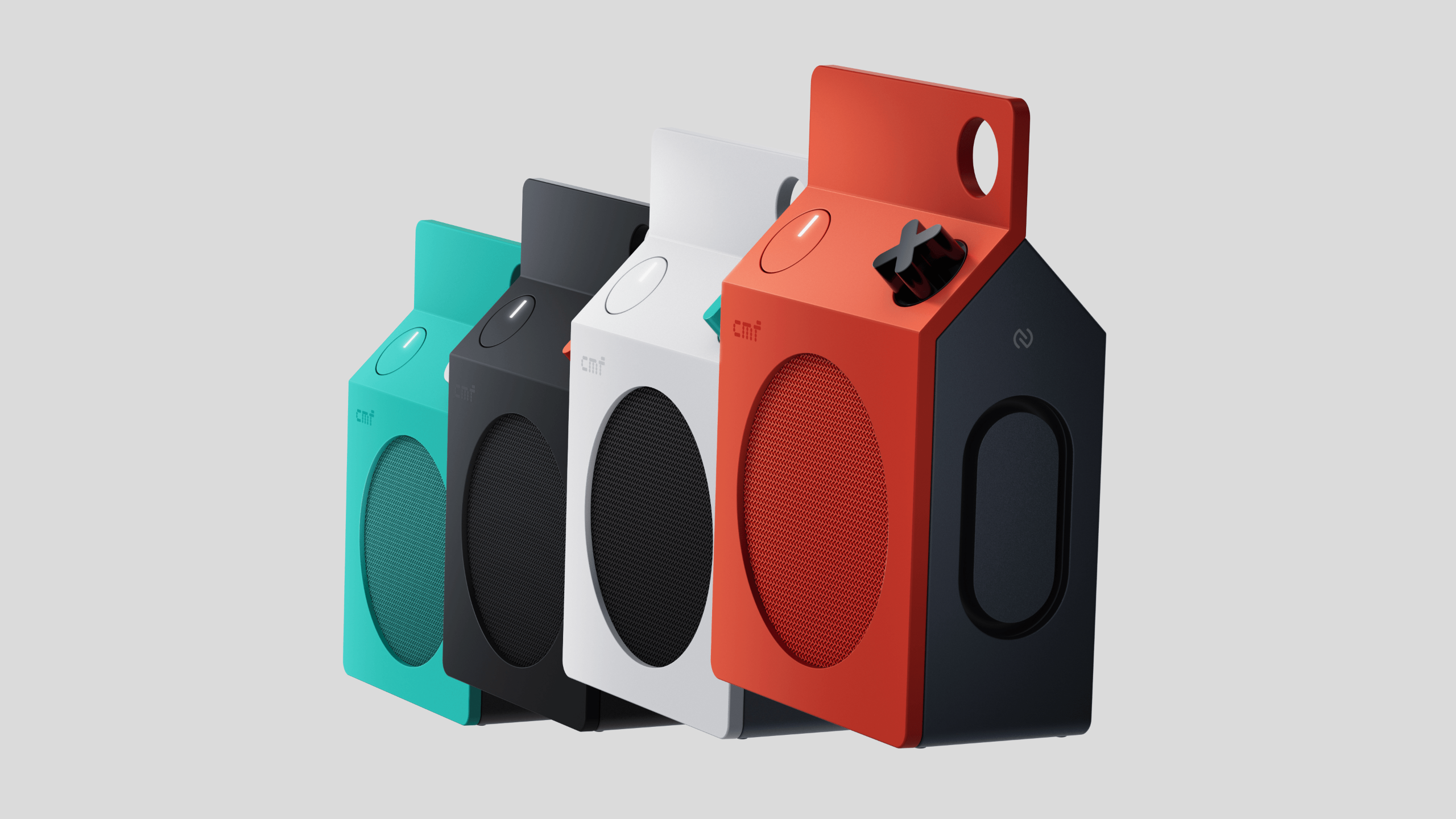
In the competitive landscape of personal audio, where aesthetic uniformity often dominates, Nothing’s sub-brand, CMF, has made a bold, visually striking entrance. The launch of the CMF Speaker S and Speaker M marks the brand’s first foray into the portable Bluetooth speaker market. Moving away from the ubiquitous pill-shaped or cylindrical designs that have defined the category for a decade, CMF has opted for a "milk carton" silhouette—a design choice that is as polarizing as it is refreshing.
As the industry pivots toward sustainability and modularity, CMF is positioning these devices not just as gadgets, but as customizable lifestyle accessories. With aggressive pricing, a commitment to open-source customization, and a feature set that punches above its weight, the Speaker S and Speaker M are poised to disrupt the entry-level audio market.
Main Facts: A New Direction in Portable Audio
The CMF Speaker S and Speaker M are designed to serve two distinct consumer segments while maintaining a unified design language. The smaller Speaker S is priced at $59 / £49, making it a highly accessible entry point for casual listeners. The Speaker M, priced at $109 / £99, offers a more robust sonic performance, targeting those who require a device capable of filling a room during gatherings.
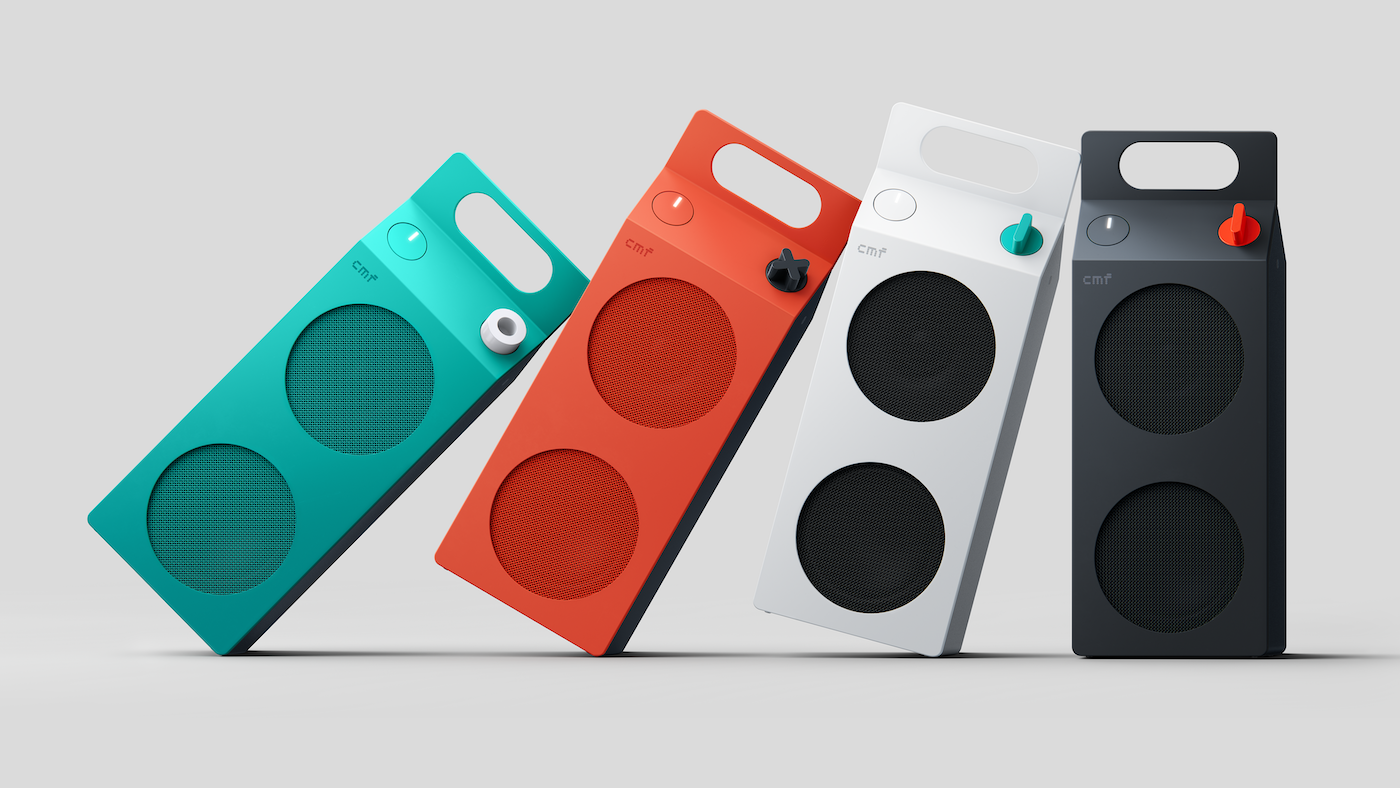
Both speakers are available in a vibrant palette of white, dark grey, orange, and turquoise. Beyond the color options, the devices share a foundational set of technical specifications:
- Battery Life: Both models offer an impressive 18 hours of playback at 50% volume with the "Ultra Bass" feature enabled.
- Charging: Both support fast-charging capabilities, providing one hour of playback from just a 10-minute charge.
- Connectivity: Equipped with Bluetooth 6.0 technology, the speakers boast an operational range exceeding 100 meters, a significant improvement over standard Bluetooth 5.x devices.
- Multi-Device Integration: Both models support dual-connection, allowing users to switch between two active source devices without the tedious process of re-pairing.
- Customization: The most radical feature is the modular front panel. Users can remove and swap these panels, and CMF has officially released 3D printing files, allowing users to manufacture their own custom panels and knobs.
Chronology: The Evolution of CMF’s Audio Ecosystem
The path to the CMF Speaker series has been one of calculated expansion. Since Nothing launched its CMF sub-brand, the strategy has been clear: bring the company’s distinctive "transparent" design philosophy to a more affordable, mass-market price point.
- Brand Genesis: CMF by Nothing was established to offer high-quality, design-focused hardware without the premium price tag of the flagship Nothing Phone or Ear series.
- Early Success: The sub-brand saw initial success with its smartwatch and earbuds, which garnered praise for their industrial design and software polish.
- The Headphone Transition: The recent release of the Nothing Headphone (1) Pro established a strong foundation in the audio segment, proving that the brand could balance acoustics with aesthetic appeal.
- Speaker Launch: The announcement of the Speaker S and M represents the latest milestone in this roadmap, shifting the brand’s focus from personal listening to shared, social audio experiences.
Supporting Data: Why the "Milk Carton" Design Matters
The portable speaker market is currently saturated with competitors like JBL, Ultimate Ears, and Sony. These brands have largely standardized their designs to favor ruggedization and IP-rated durability. While CMF’s speakers are durable, their design serves a psychological function: personalization.
Acoustic Architecture
The Speaker S features a custom-tuned 45mm driver, supplemented by two passive radiators. Passive radiators are critical in small-form-factor speakers as they help move air to create deeper low-end frequencies that a small driver alone could never achieve.
The Speaker M, conversely, is engineered for a broader frequency response, covering 60Hz to 20kHz. This range ensures that the speaker can reproduce both the deep bass kicks of modern pop and the delicate high-end detail of acoustic tracks, making it a more versatile "party" companion.
The "Ultra Bass" Philosophy
CMF’s implementation of "Ultra Bass" is an algorithmic approach to sound profile management. Rather than merely boosting volume, the DSP (Digital Signal Processor) analyzes the music in real-time to adjust the EQ curve, ensuring that the "extra weight" added to the audio doesn’t result in distortion—a common pitfall in budget-tier portable speakers.
Official Responses and Design Philosophy
In various communications, the CMF team has emphasized that these speakers were built with "creative freedom" in mind. The decision to open-source the 3D printer files for the front panels and knobs is a move rarely seen in consumer electronics. By encouraging users to "go ham" on their own designs, CMF is effectively offloading the burden of aesthetic variety to its user base, fostering a community of "makers" who will inevitably share their custom designs on social media platforms.
This strategy serves two purposes:
- User Engagement: It turns a transactional purchase into an ongoing project, increasing the emotional attachment the user has to the product.
- Marketing: Custom-printed speakers shared on platforms like X (formerly Twitter) or Instagram serve as organic, high-value marketing, showcasing the product’s versatility in ways a professional photoshoot never could.
Implications: The Shift Toward Modular Electronics
The launch of the CMF Speaker S and M carries significant implications for the broader tech industry.
1. The Rise of "Prosumer" Customization
For years, the "Right to Repair" movement has been fighting for access to internal components. CMF is taking a slightly different, more consumer-friendly approach: "Right to Customize." By embracing 3D printing, they are signaling that the exterior of a device does not have to be permanent. If this model proves successful, we may see other manufacturers adopt modular faceplates or interchangeable housings for their peripheral devices.
2. Redefining Entry-Level Value
At $59 and $109, these speakers occupy a crowded space. However, by providing features like dual-device pairing and a 100-meter Bluetooth range—features often reserved for mid-to-high-tier devices—CMF is setting a new floor for what consumers should expect from budget-friendly audio. The inclusion of "Party Mode," which allows for the pairing of multiple speakers (including, in some instances, compatible third-party units), demonstrates a commitment to interoperability that is rarely seen at this price point.
3. The Future of Social Audio
The dual-connection feature and the ability to link multiple speakers together suggest that CMF is designing for a post-pandemic social landscape. The brand is betting on the idea that users want to curate their environments. The "maestro" scenario—where two users can control the playlist simultaneously—is a subtle nod to the collaborative nature of modern social gatherings, where the "aux cord" is no longer a solo responsibility but a shared experience.
Conclusion: A Stylish Gamble
The CMF Speaker S and Speaker M are not trying to be the most audiophile-grade speakers on the market. Instead, they are trying to be the most interesting. By prioritizing a unique, modular, and highly functional design, CMF has successfully differentiated itself from the sea of black plastic cylinders that currently populate the market.
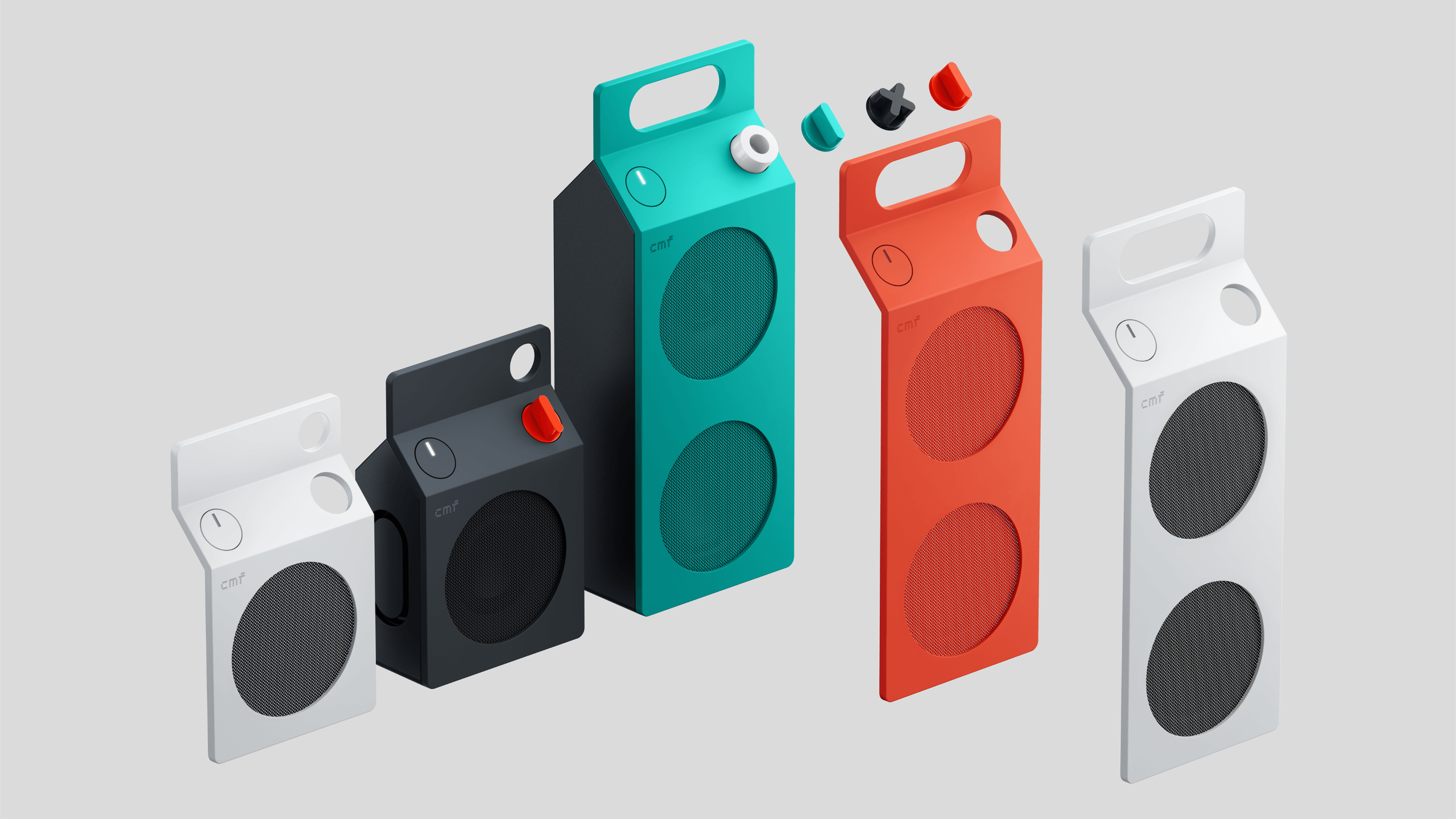
Whether the "milk carton" design becomes an iconic staple of the brand or remains a niche curiosity, the underlying technology—the robust battery life, the advanced Bluetooth 6.0 connectivity, and the commitment to community-driven customization—makes these speakers a compelling option for anyone looking for a portable audio solution that reflects their personal style.
As CMF continues to iterate, the industry will be watching to see if this marriage of high-design, low-cost hardware, and user-centric customization is the formula that finally breaks the monopoly of traditional audio giants. For now, the message from CMF is clear: don’t just listen to the music—take control of the aesthetic that delivers it.
