

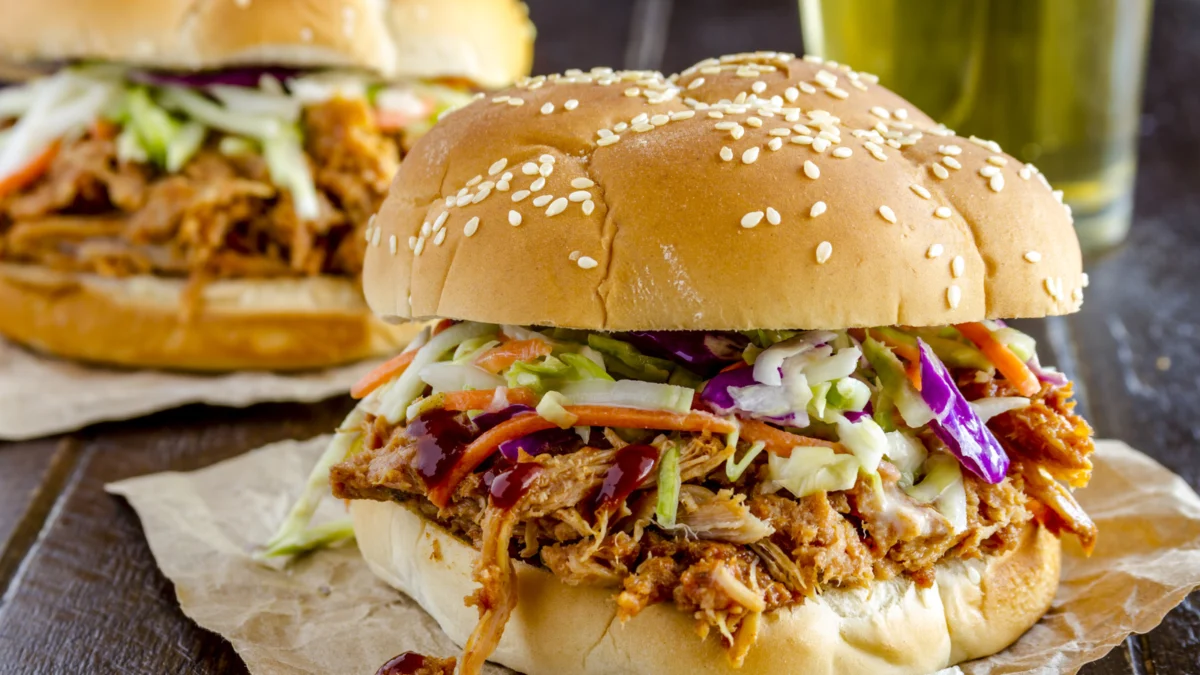
The modern home kitchen is often defined by a delicate balance between the desire for slow-cooked, soul-satisfying comfort food and the harsh reality of a time-constrained schedule. For decades, the pork shoulder—a tough, inexpensive cut of meat—has been the gold standard for budget-friendly feasts. However, achieving that "melt-in-your-mouth" texture traditionally required hours of careful monitoring.
Today, a culinary shortcut is gaining traction among home cooks and food enthusiasts alike: the utilization of canned French onion soup as a braising liquid. This simple, shelf-stable hack elevates the humble pork shoulder from a basic protein to a flavor-packed, complex dish, effectively democratizing gourmet-level slow cooking for the busy professional.
The Science of the Slow-Braised Pork Shoulder
At the heart of this culinary transformation is the slow cooker, an appliance that has transitioned from a 1970s staple to an essential tool for the modern culinary repertoire. When pork shoulder (or Boston butt) is subjected to low, consistent heat over several hours, the dense collagen and connective tissues break down into gelatin. This process is what creates the characteristic tenderness that defines high-quality pulled pork.
The addition of French onion soup provides more than just moisture; it provides a deep, umami-rich base. Canned French onion soup is essentially a concentrated blend of caramelized onions, beef stock, and savory seasonings. When this is introduced to the slow cooker, the sugars in the caramelized onions harmonize with the natural fats of the pork, creating a flavor profile reminiscent of the classic French bistro dish, soupe à l’oignon, but reimagined for a barbecue context.
Chronology: The Evolution of the "Pantry Hack"
To understand why this method is gaining such popularity, it is necessary to look at the historical trajectory of home cooking:
- The Mid-Century Era: The rise of canned soups in the 1950s and 60s marked the first phase of "convenience cooking." During this period, recipes utilizing condensed soups as bases for casseroles and stews became cultural touchstones.
- The Slow Cooker Boom: The 1970s saw the introduction of the Crock-Pot, which solidified the relationship between convenience-based ingredients and long-duration cooking methods.
- The Modern "Short-Cut" Renaissance: In the last decade, food bloggers and social media influencers have begun to refine these vintage hacks. Rather than using canned soups for heavy, cream-laden casseroles, modern cooks are utilizing them as sophisticated braising bases to introduce complex, layered flavors without the need for hours of manual preparation.
Supporting Data: Why French Onion Soup Works
The effectiveness of this shortcut is not merely anecdotal; it is rooted in culinary chemistry.
1. The Caramelization Shortcut
Caramelizing onions to the point of deep brown perfection can take anywhere from 45 minutes to an hour of constant attention. By using a canned French onion soup, the cook bypasses this labor-intensive step while retaining the flavor profile of long-cooked alliums.
2. Sodium as a Tenderizer
While canned soups are often criticized for their sodium content, in the context of a large, four-pound pork roast, this salt acts as a brine. It helps the pork retain moisture during the extended cooking process, ensuring the final product is succulent rather than dry.
3. Flavor Layering
The beef stock base found in most canned French onion soups complements the inherent richness of pork. Unlike water or plain broth, which can wash out the flavor of the meat, the soup adds depth, color, and a glossy, savory glaze to the shredded pork.
Implications for the Modern Kitchen
The shift toward utilizing pantry staples like French onion soup has profound implications for how we define "scratch cooking." There is a growing school of thought that argues that culinary skill should be measured by the final outcome—taste, texture, and nutritional value—rather than the number of manual steps taken.
Economic Efficiency
With food inflation impacting grocery budgets, the ability to turn an inexpensive, tough cut of meat into a multi-meal, restaurant-quality dish is a significant economic advantage. A single four-pound roast can provide protein for several days, and the French onion soup hack ensures that the flavor remains consistent even through reheating.
Reducing Food Waste
The versatility of the resulting pulled pork is a key factor in its popularity. Because the meat is seasoned with a neutral, savory base (rather than a specific regional barbecue sauce), it can be repurposed across a wide array of cuisines. Leftovers can be transformed into:
- Quesadillas: The savory, caramelized notes of the pork pair exceptionally well with melted Monterey Jack or cheddar cheese.
- Loaded Baked Potatoes: A classic way to stretch a small amount of meat into a filling, hearty meal.
- Barbecue Benedict: A sophisticated brunch option where the pork is served over an English muffin, topped with a poached egg and a drizzle of hollandaise sauce.
Expert Perspectives and Best Practices
While the "dump-and-go" nature of slow cooking is tempting, culinary experts suggest a few modifications to ensure the best results.
The "Searing" Factor
Though not strictly necessary, searing the pork shoulder in a hot pan before adding it to the slow cooker provides a Maillard reaction—the browning of the meat’s surface—which adds a layer of complexity that cannot be replicated by simmering alone.
Balancing the Richness
Because canned soups can be high in sodium and heavy on fat, adding a splash of acidity toward the end of the cooking process is highly recommended. A tablespoon of apple cider vinegar or a squeeze of fresh lemon juice can "brighten" the dish, cutting through the richness of the pork fat and the deep, caramelized notes of the soup.
Selecting the Right Soup
Not all canned French onion soups are created equal. When selecting a base, look for products that prioritize real onion content and avoid excessive artificial thickeners. Premium store-bought options often offer a better balance of herbs like thyme and bay leaf, which further elevate the final flavor profile.
Beyond the Soup: The Expanding Pantry Ecosystem
The success of the French onion soup method has encouraged home cooks to explore other "pantry stars" for their slow cooker recipes.
- Mississippi Pot Roast Influences: By swapping pork for beef and introducing pickled peppers and ranch dressing powder, cooks have created a modern classic that balances brine, fat, and savory herbs.
- Cream of Mushroom Variations: For those seeking a more comforting, stew-like result, using cream of mushroom soup in conjunction with hearty root vegetables creates a meal that feels like a traditional Sunday dinner with a fraction of the work.
- The Sauce Spectrum: The beauty of using a savory base like French onion soup is the ability to customize the final dish with bottled barbecue sauces. A Kansas City-style sauce adds sweetness, while a Carolina-style vinegar-and-mustard sauce provides a tangy, smoky finish.
Conclusion: The Future of Home Cooking
The integration of pantry staples into slow-cooked meals represents a mature evolution of home cooking. It acknowledges the time-poverty of the modern lifestyle while refusing to sacrifice quality. By utilizing ingredients like French onion soup, the home cook is not "cheating"—they are curating.
As we look to the future of the home kitchen, the focus remains on accessibility and enjoyment. Whether you are a novice cook looking for a foolproof recipe or an experienced chef looking to streamline your process, the French onion soup shortcut for pulled pork is a testament to the idea that great food is ultimately about the harmony of ingredients, regardless of their origin. When you provide the heat and the patience, the ingredients—even the humble canned ones—will do the rest of the heavy lifting.
