

Clean, potable water is the cornerstone of a healthy home. It is the invisible utility we rely on for hydration, culinary preparation, sanitation, and hygiene. However, the sanctity of our home water supply is occasionally compromised. When the water pouring from your faucet deviates from its expected clarity—exhibiting strange odors, unusual colors, or an off-putting taste—it is natural for homeowners to feel a sense of distress.
While the prospect of contaminated or low-quality water is frustrating, most of these issues are common, well-documented, and entirely manageable with the right interventions. Understanding the source of these fluctuations is the first step toward reclaiming the purity of your home’s water supply.
The Science of Water Quality: Why Problems Arise
Water quality is rarely static. It is a dynamic substance that interacts with the geological formations it passes through, the pipes it travels within, and the treatment methods applied by municipal systems. According to experts, including data from the EPA, many water quality concerns are rooted in regional geography.
"Water is always interacting with pipes, valves, and fixtures," notes Robert Schwachenwald, a professional plumber and owner of Bizzy Bee Plumbing Inc. "If a change in water quality is persistent, worsening, or affecting multiple fixtures throughout the home, it is time to call a professional to evaluate your plumbing infrastructure."
Below, we break down the most frequent water quality indicators, the implications of each, and the industry-standard solutions available to homeowners.
1. Mineral Deposits: The Challenge of Hard Water
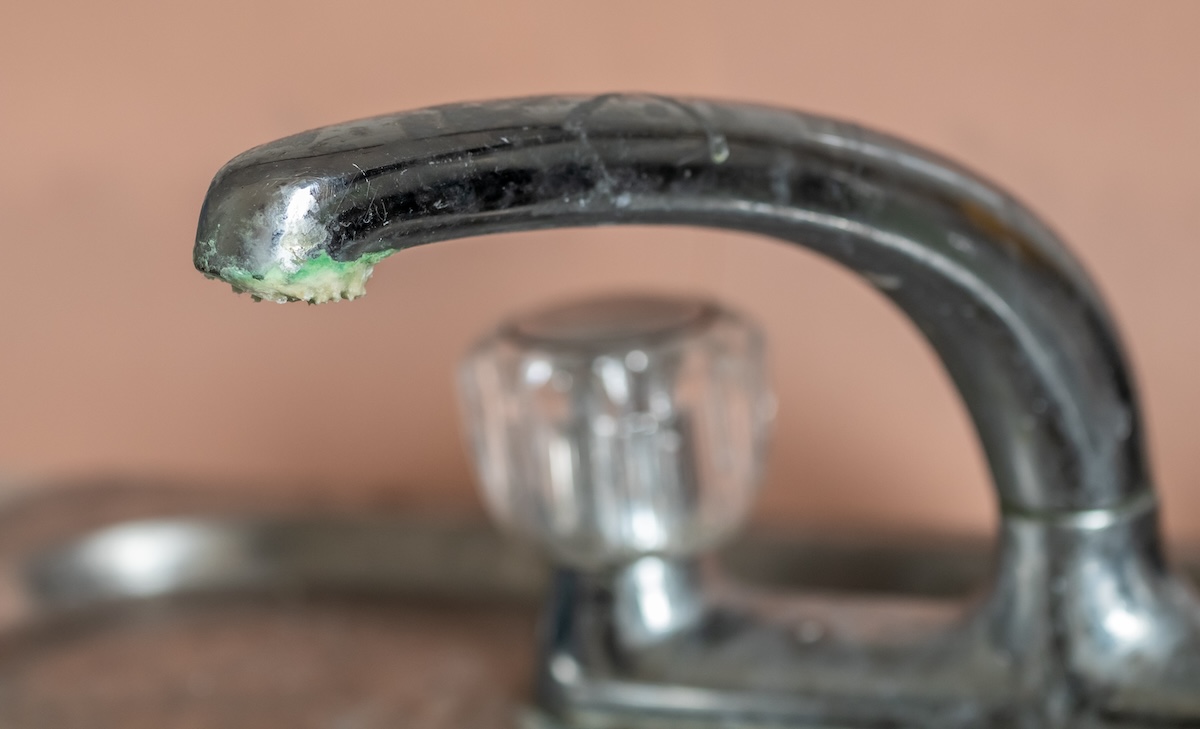
If you notice white, chalky, or crusty deposits accumulating around your showerheads, faucets, and inside your kettle, your home is likely dealing with "hard water."
The Facts: Hard water is defined by a high concentration of dissolved minerals, primarily calcium and magnesium. While not a direct health threat, these minerals are notorious for their aesthetic and mechanical impact.
- Implications: Hard water creates stubborn limescale that reduces the lifespan of water-using appliances like dishwashers and water heaters. Furthermore, it creates a "soap scum" effect, which can leave hair feeling brittle and skin feeling dry and irritated.
- Solutions: For immediate cosmetic relief, citric acid or vinegar-based solutions can dissolve existing buildup. For a permanent fix, a whole-home water softener is the gold standard. These systems utilize ion exchange to replace calcium and magnesium ions with sodium or potassium, effectively "softening" the water at the point of entry.
2. Cloudiness and Rust: Iron and Manganese Contamination
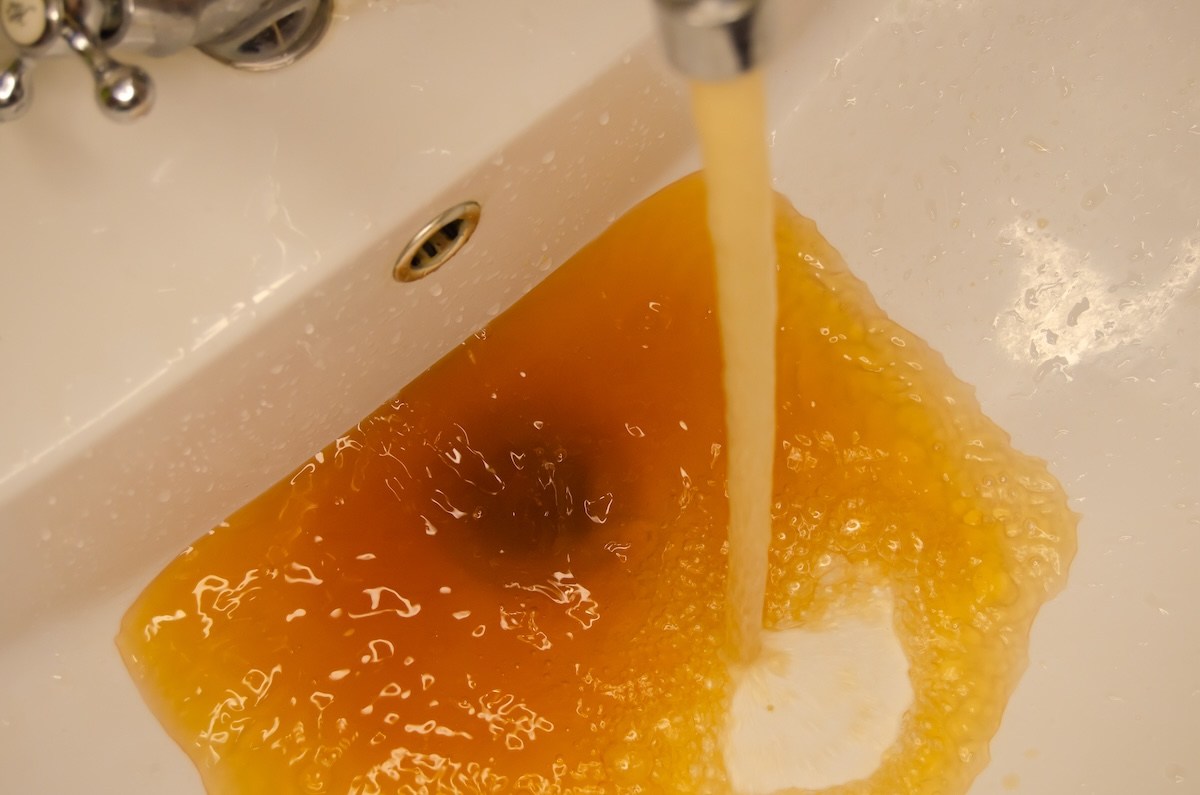
A sudden appearance of cloudy or rust-colored water is often a cause for alarm, yet it is frequently linked to high levels of iron or manganese.
The Facts: These minerals occur naturally in groundwater. When they oxidize, they turn into solid particles that give water a brownish or reddish hue.
- The Chronology of the Problem: Often, this issue appears after a water main break, a period of heavy rainfall, or maintenance work on municipal lines that disturbs sediment in the pipes.
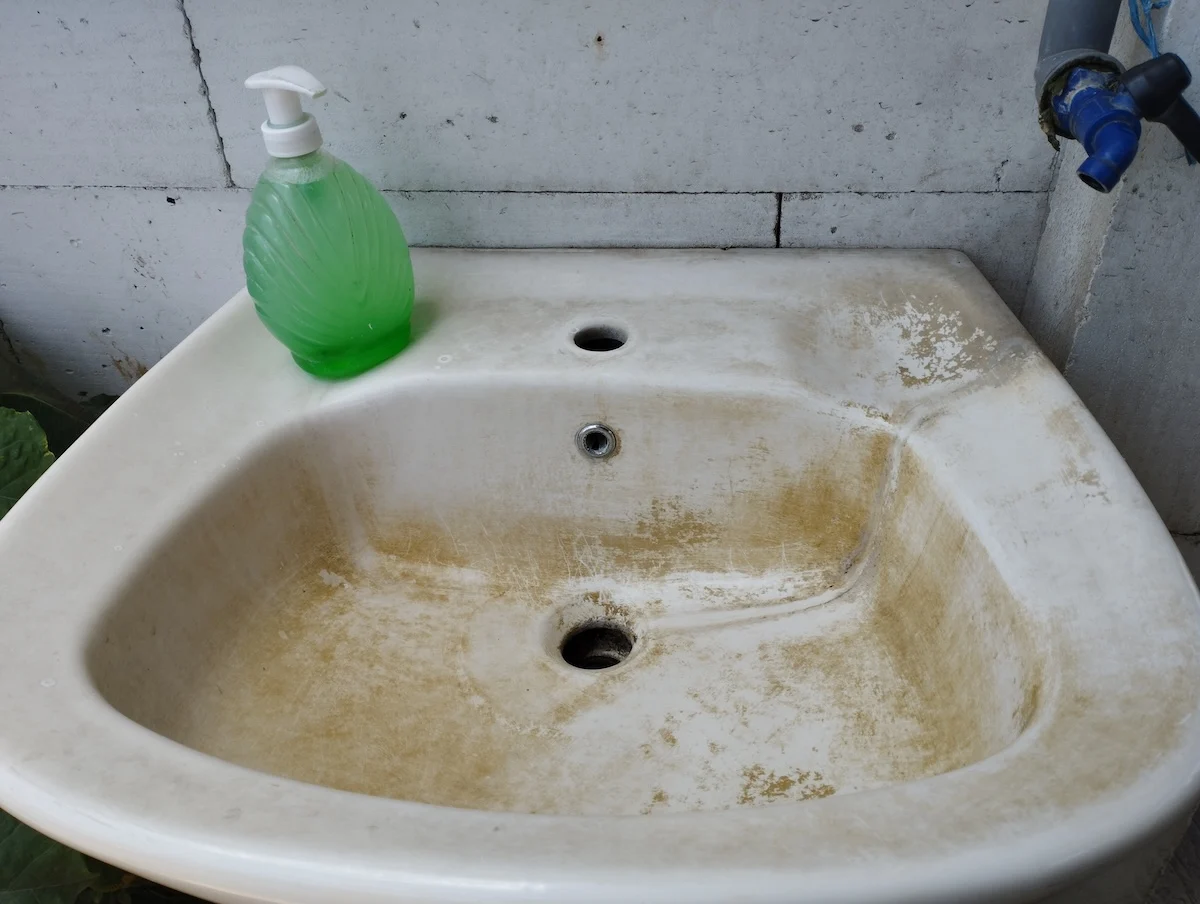
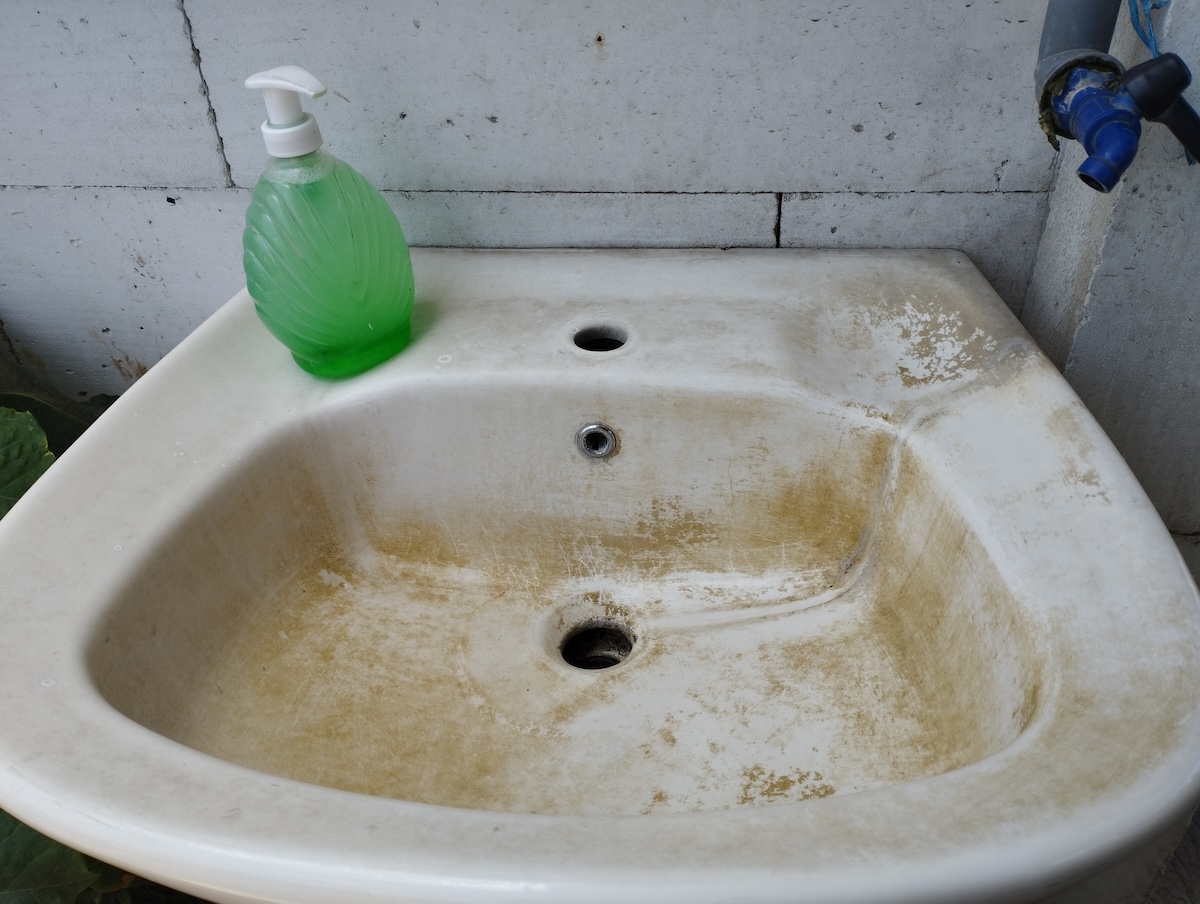
- Implications: Beyond the visual unappealing nature of the water, these contaminants stain laundry, porcelain sinks, and fixtures. Over time, they can contribute to pipe corrosion.
- Solutions: Homeowners should first determine if the issue is systemic or localized. If persistent, an iron-removal water softener or an oxidizing filter is recommended. Systems like the Kind Water Systems E-3000 are designed to remove up to 95 percent of sediment, including rust and dirt, while providing dual-purpose softening.
3. The "Rotten Egg" Smell: Hydrogen Sulfide
Perhaps no water issue is as immediately repelling as the odor of rotten eggs.
The Facts: This smell is almost always the result of hydrogen sulfide gas. Schwachenwald explains, "This is typically caused by bacteria reacting with magnesium in water heaters."
- Official Response: Plumbers often differentiate between the smell coming from only the hot water versus the cold water. If the smell occurs only in the hot water, the magnesium anode rod inside the water heater is likely reacting with sulfate-reducing bacteria.
- Solutions: Flushing the water heater is the primary maintenance step. If the smell persists, the anode rod may need to be replaced with an aluminum or zinc version. If the odor is present in both hot and cold lines, a whole-house activated carbon filter or a specialized sulfur treatment system is necessary to neutralize the gas.
4. Gritty Texture and Brown Water: Sediment and Aging Pipes
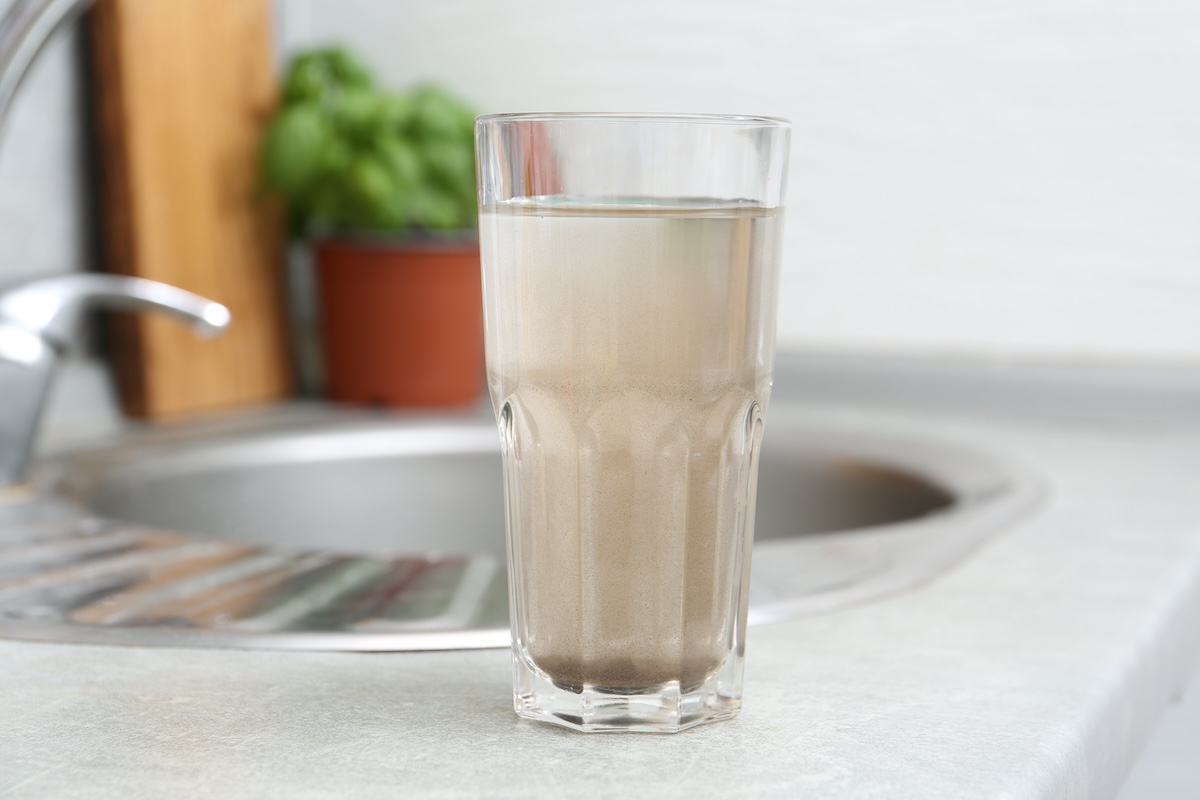
If your water runs brown and leaves a gritty, sandy residue in the bottom of your sink, your home’s internal plumbing or the municipal lines may be failing.
The Facts: This sediment is often composed of rust flakes from aging iron pipes or mineral scale that has broken loose from the interior of your water heater.
- Troubleshooting: Run the cold water for five to ten minutes. If the water clears up, the sediment was likely a localized disturbance. If it remains discolored, the source is likely internal.
- Implications: Continued use of sediment-heavy water can lead to "pinhole leaks" in copper pipes and can cause damage to the aerators on your faucets.
- Solutions: Installing a sediment filter with a low micron rating at the main water line acts as a gatekeeper, preventing grit from entering your home’s plumbing. If the pipes are severely corroded, professional repiping may be the only long-term solution.
5. Musty and Fishy Odors: Organic Contamination
When tap water takes on a musty, earthy, or fishy smell, it is frequently a sign of decomposing organic matter.
The Facts: This is common in areas where water sources—particularly lakes or reservoirs—experience seasonal algae blooms. While usually non-toxic, it is a significant sensory deterrent.
- Supporting Data: For well-water users, this can indicate that surface runoff has entered the well casing.
- Solutions: Always have your water tested by an independent laboratory if you use a private well. For municipal users, ensure your faucet aerators are clean, as bacteria can sometimes colonize the mesh screen. If the smell persists, it is vital to contact your local water utility, as this may indicate a breach in the distribution network.
6. Slimy Residue: Bacterial Growth
The presence of a slimy, black, or reddish-brown film in your sink or drain is a red flag.
The Facts: This residue often consists of biofilm—colonies of bacteria that thrive in moist environments. While the drain area is a common spot for harmless bacteria, seeing this growth inside the faucet or on the aerator is a cause for concern.
- Implications: Biofilm can shield pathogens from chlorine disinfection in municipal water.
- Solutions: If you suspect bacterial contamination, do not wait. Use a laboratory-grade water testing kit to identify the specific pathogens. In the interim, boil all water used for consumption. Long-term, homeowners should consider UV sterilization systems, which use ultraviolet light to scramble the DNA of microorganisms, rendering them harmless.
7. Blue-Green Staining: The pH Balance
If your porcelain sinks and shower curtains are developing blue-green stains, your water is likely acidic.
The Facts: Low pH water (acidic) is corrosive. As it travels through copper pipes, it leaches small amounts of metal into the water, which deposits as a blue-green stain on your fixtures.
- Implications: While the water itself may be safe to drink, the acidity is slowly destroying your plumbing system from the inside out.
- Solutions: A pH-neutralizing filter (often using calcite or magnesium oxide) is the standard remedy. By passing the water through this media, the acidity is neutralized before the water reaches your fixtures, extending the life of your plumbing system significantly.
Taking Action: The Importance of Water Testing
The symptoms described above are guidelines, not diagnoses. Because water chemistry is complex, guessing the solution can be a costly mistake.
"For the cost of a high-quality kit, you can get comprehensive results from an EPA-certified lab," suggests the latest industry analysis. The Tap Score Advanced Home Water Test Kit is one such tool, providing detailed insights into over 200 parameters, including heavy metals, volatile organic compounds (VOCs), and bacterial presence.
Conclusion: Maintenance is Key
Homeownership involves a commitment to system maintenance. Whether it is flushing your water heater annually to prevent sediment buildup or replacing your home’s filtration media on a set schedule, proactive care is the best defense against water quality issues.
If you are ever in doubt regarding the safety of your water, do not rely on taste or smell alone. Professional testing provides the empirical data necessary to make informed decisions. By identifying the root cause of your water issues early, you protect not only your home’s infrastructure but the health and well-being of your family. Remember: when in doubt, consult a licensed plumber. Their ability to evaluate the interplay between your home’s specific piping and your local water supply is the most reliable way to ensure that the water in your glass is as pure as it looks.
