

In the heart of Oakland, California, Skyline Meadow Farm stands as a testament to the fact that horticultural beauty does not require a surrender to high water usage. Faced with the harsh realities of the region’s climate—characterized by unrelenting wind, compacted clay soils, scorching sun, and cycles of recurring drought—landscape designers have successfully curated a sanctuary that defies these environmental stressors.
By strategically blending native California species with resilient Mediterranean imports, the designers behind this property have proven that a garden can be both aesthetically sophisticated and ecologically restorative. This article explores the selection of nine high-performance plants that serve as the backbone of this landscape, offering a blueprint for homeowners looking to conserve the water table while fostering a robust habitat for local pollinators.
The Challenge of the Bay Area Landscape
The environmental conditions at Skyline Meadow Farm are not unique; they represent the broader challenges faced by gardeners throughout the California coastal regions. The Mediterranean climate, while pleasant for humans, presents a gauntlet for flora.
“Every plant chosen for this property had to earn its keep,” explains Nina Mullen, the principal landscape designer at Mullein Designs, who oversaw the project. “We were not looking for plants that require constant life support through irrigation. We wanted a landscape that works in harmony with the local environment, providing year-round interest while respecting the limited water resources of our region.”
The success of the project is rooted in soil management and thoughtful plant selection. By focusing on species that are naturally adapted to dry, sun-drenched environments, the farm has successfully reduced its reliance on municipal water while simultaneously creating a haven for native bees, butterflies, and hummingbirds.
Chronology of a Sustainable Transformation
The transformation of the property did not happen overnight. It began with an assessment of the existing soil structure—predominantly heavy, compacted clay. In the early stages, the team focused on site preparation, which involved amending the soil with organic matter and implementing a drip irrigation system designed for maximum efficiency.
- The Foundation Phase (Year 1): The initial focus was on the installation of structural shrubs and small trees. Species like the Arbutus ‘Marina’ and Rhamnus alaternus ‘Variegata’ were planted to establish the framework of the garden, providing both shade and windbreaks.
- The Growth Phase (Year 2): With the canopy and mid-level structure in place, the team introduced pollinator-friendly shrubs such as the ‘Santa Barbara’ sage and ‘Yankee Point’ California lilac. These were selected for their ability to stabilize the soil and prevent erosion on the property’s slopes.
- The Maturity Phase (Year 3+): The final phase involved the layering of ornamental perennials and annuals, such as the Firewheel (Gaillardia pulchella), to provide seasonal color and nectar sources. Today, the garden has reached a state of relative self-sufficiency, requiring minimal intervention.
A Curated Palette: Nine Essential Drought-Tolerant Plants
The following selections were chosen specifically for their ability to thrive in the demanding conditions of the Oakland hills.
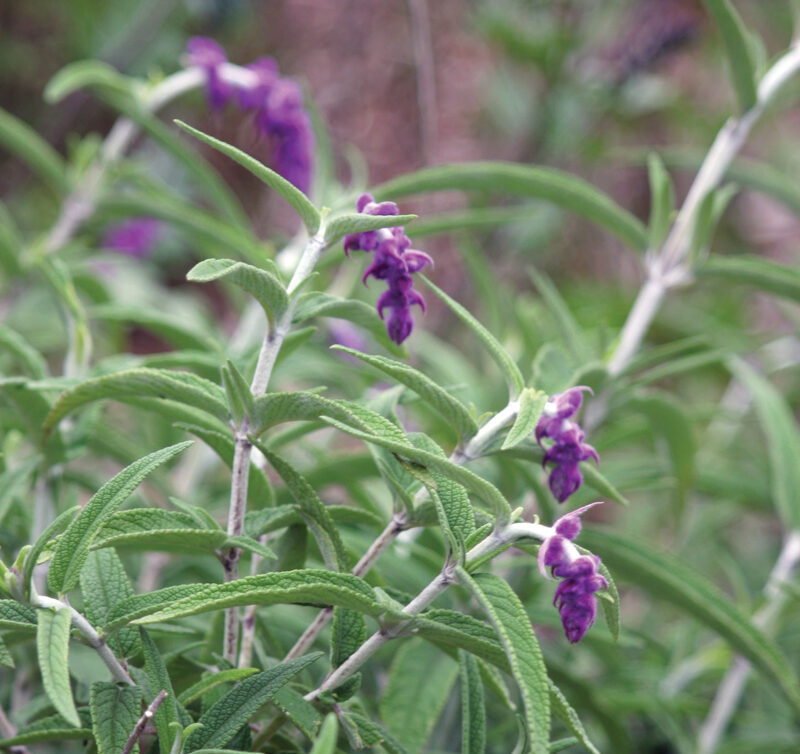
1. ‘Santa Barbara’ Sage (Salvia leucantha ‘Santa Barbara’)
This fragrant subshrub is a staple in water-wise gardening. Prized for its soft, silvery foliage and cascading whorls of lavender flowers, it brings a relaxed, coastal aesthetic to any garden. Its drought tolerance is matched by its appeal to native pollinators, making it an essential component of the farm’s pollinator corridor.
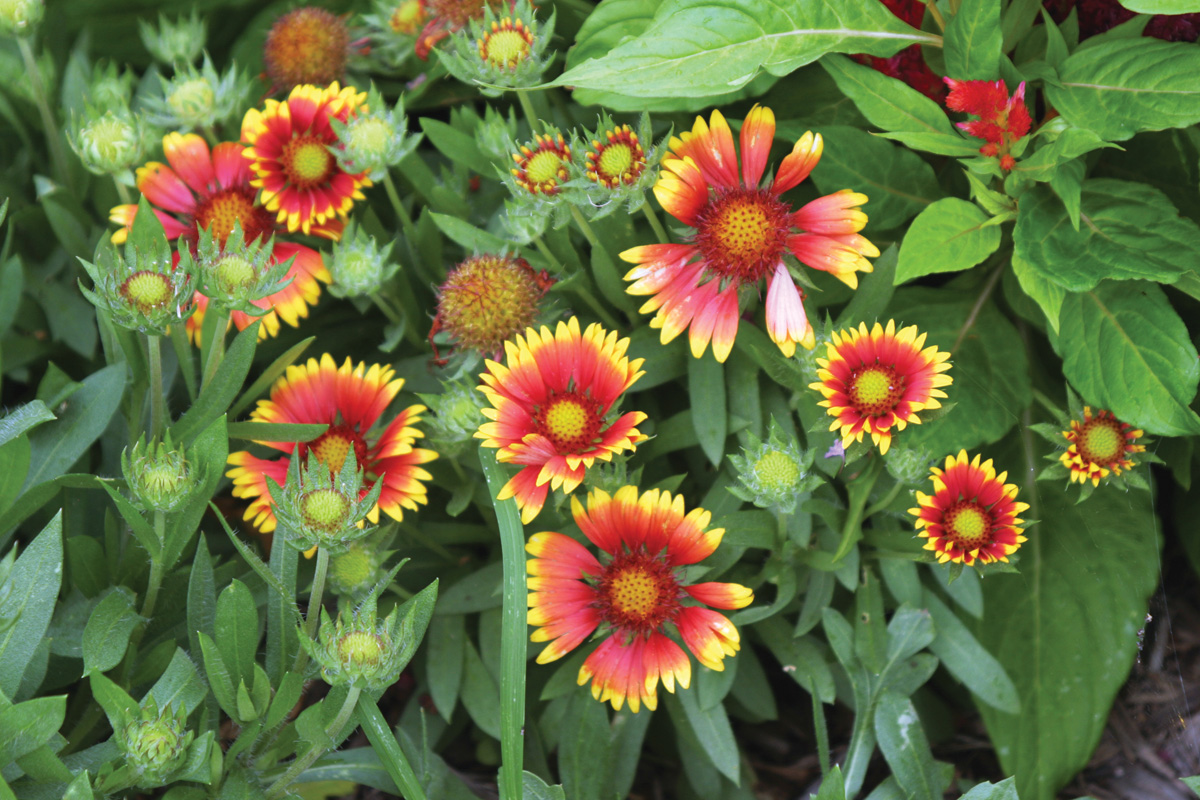
2. Firewheel (Gaillardia pulchella)
For a burst of high-energy color, the Firewheel is unmatched. These vibrant annuals (or short-lived perennials) feature fiery hues of red, orange, and yellow. They are highly adaptable and serve as an excellent "filler" plant in sunny borders, providing a long-lasting bloom cycle that attracts a variety of beneficial insects.
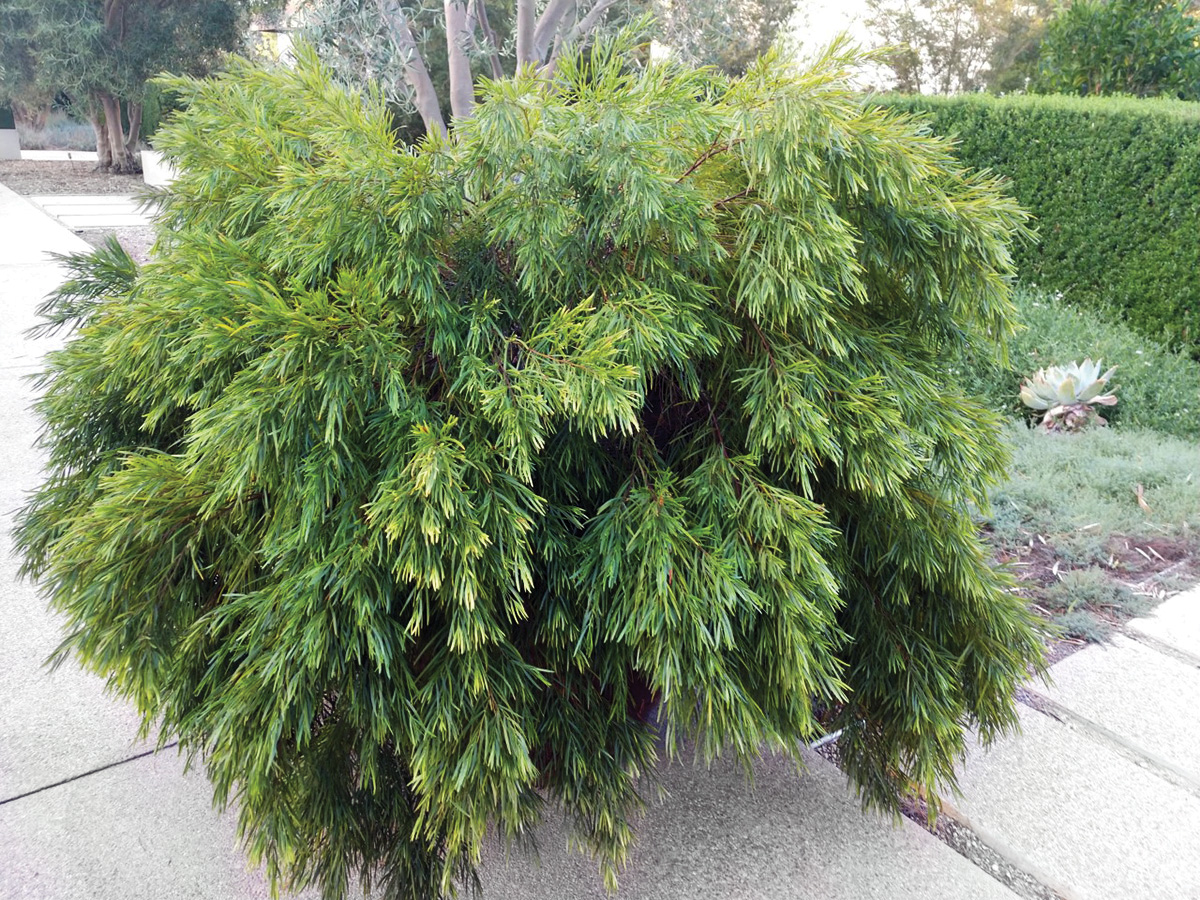
3. ‘Cousin Itt’ Acacia (Acacia cognata ‘Cousin Itt’)
This visually striking shrub provides a necessary contrast to the coarser textures of other drought-tolerant plants. With its cascading, fine-textured blue-green foliage, it forms a low, mop-like mound. It is particularly effective when planted along retaining walls or slopes, where its trailing habit can soften hard edges.
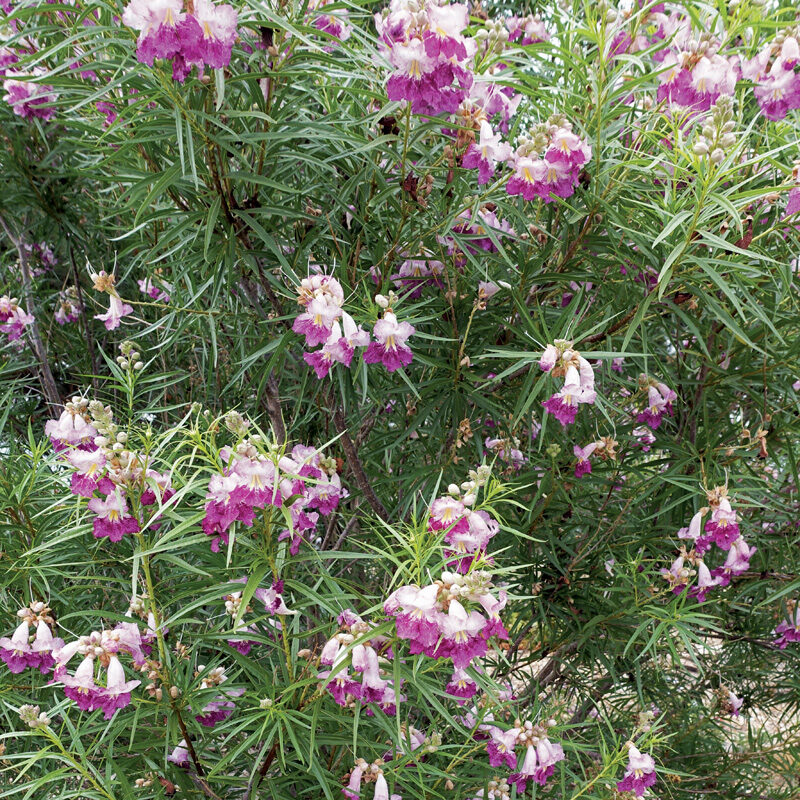
4. Desert Willow (Chilopsis linearis)
Despite its name, the Desert Willow is not a true willow but a deciduous small tree. It is highly valued for its extravagant, orchid-like blooms that range from soft pinks to deep lavenders and whites. These blooms persist from late spring through fall, acting as a reliable magnet for hummingbirds.
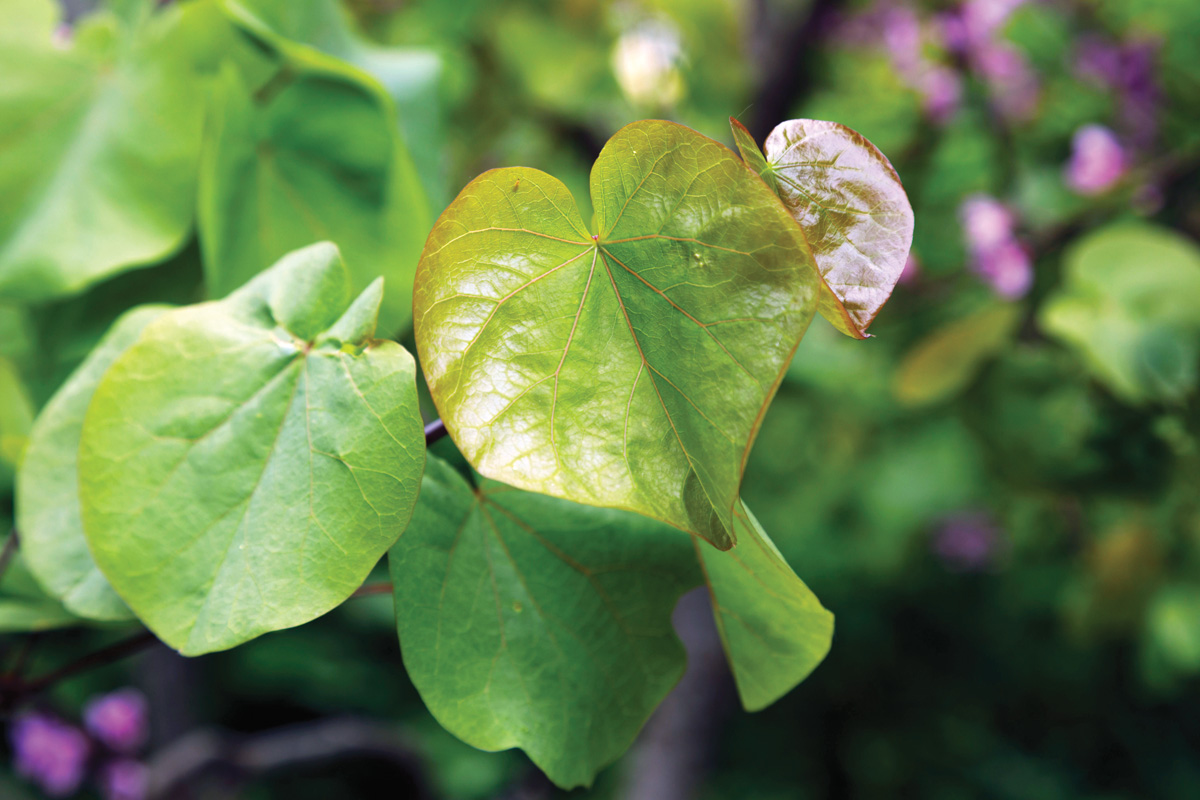
5. Western Redbud (Cercis occidentalis)
A true California native, the Western Redbud is celebrated for its spectacular display of magenta flowers that appear on bare branches in early spring. Following the bloom, the plant develops heart-shaped foliage that turns a rich, golden-brown in the fall. Notably, it is one of the few drought-tolerant species that thrives in heavy clay soil.
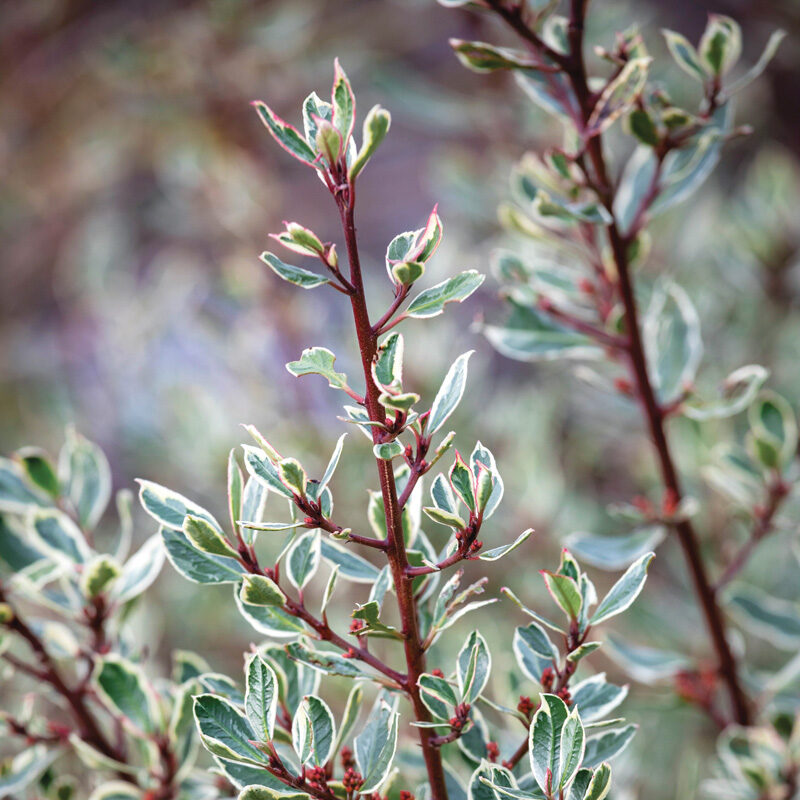
6. Variegated Italian Buckthorn (Rhamnus alaternus ‘Variegata’)
For those in need of privacy and wind protection, this evergreen shrub is an ideal candidate. Its dense, upright growth habit makes it perfect for hedging. The foliage—a striking blend of deep green and crisp white—remains vibrant throughout the year, even during prolonged dry spells.
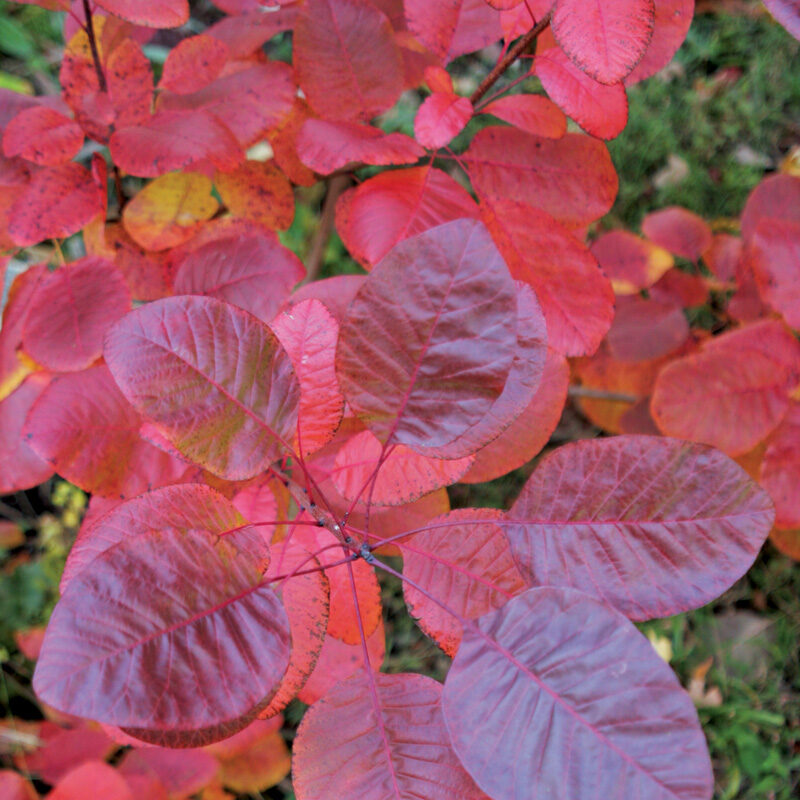
7. ‘Grace’ Smokebush (Cotinus ‘Grace’)
‘Grace’ adds a dramatic, architectural element to the garden. Its large, wine-red leaves create a bold statement, and in the summer, the plant produces ethereal, cloud-like plumes of smoky pink. It is a hardy specimen that brings scale and color to the landscape without demanding excessive water.
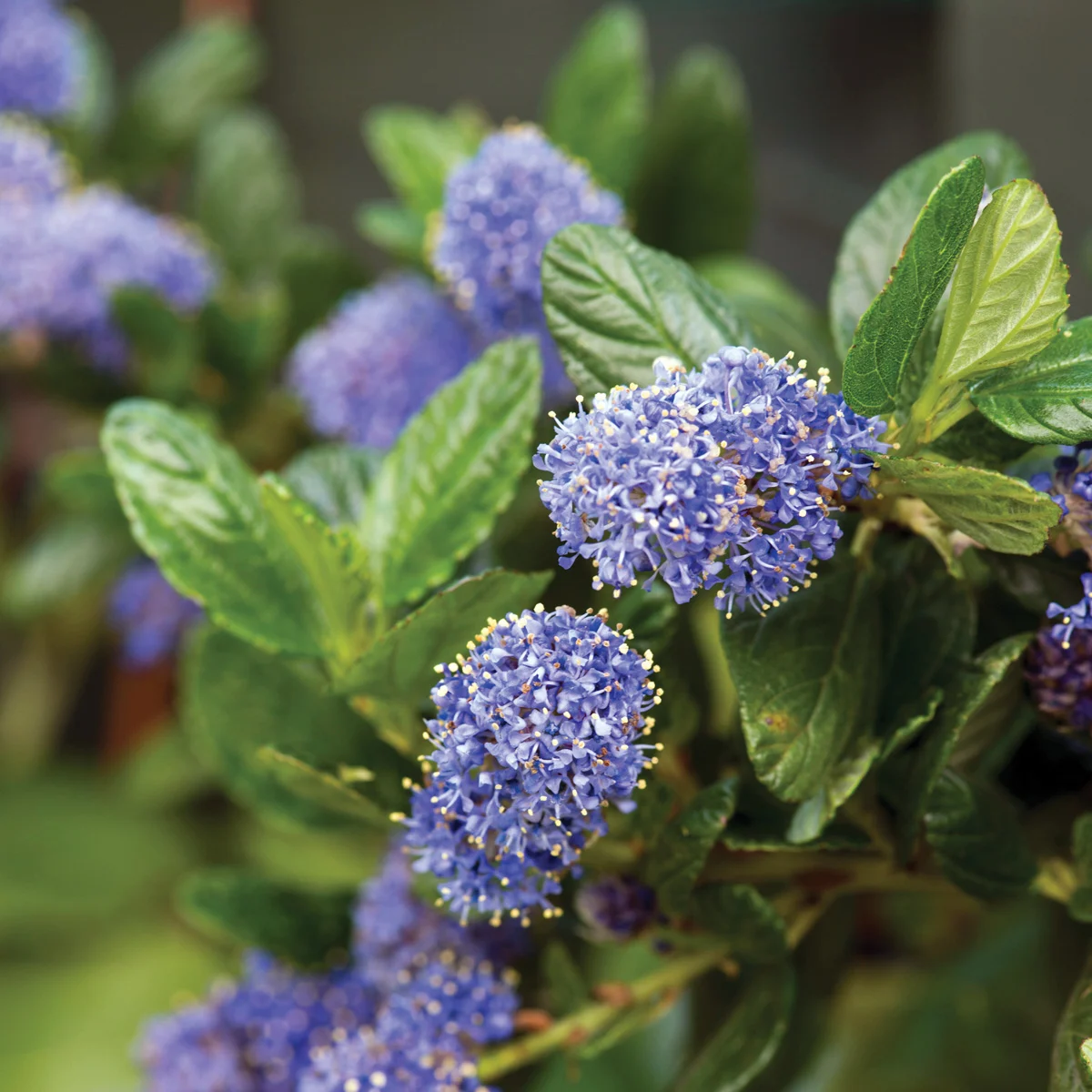
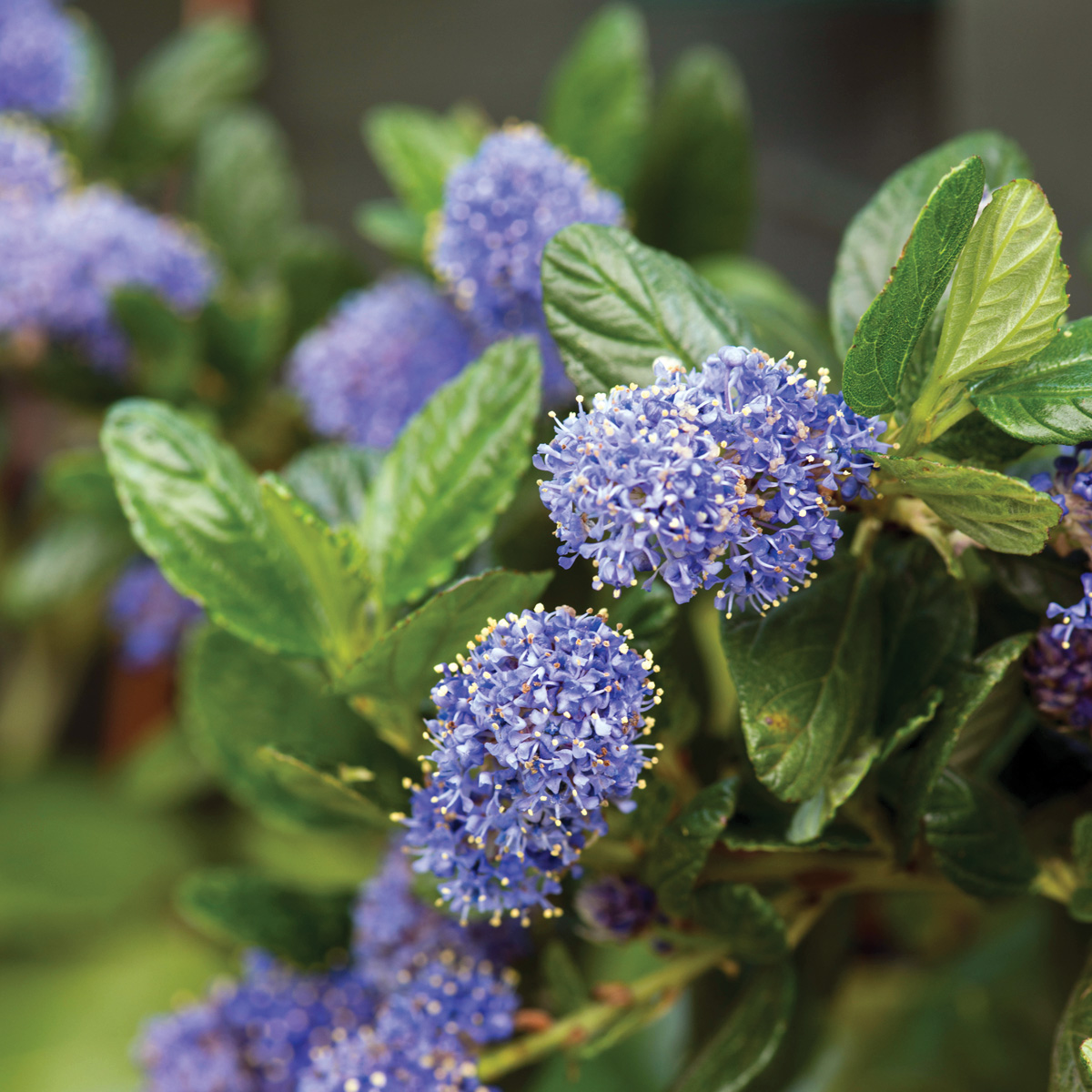
8. ‘Yankee Point’ California Lilac (Ceanothus ‘Yankee Point’)
This fast-growing, spreading ground cover is a workhorse of the garden. Each spring, it becomes smothered in deep powder-blue flowers. Beyond its beauty, it serves a functional purpose by suppressing weeds and stabilizing steep slopes, all while requiring minimal irrigation once established.
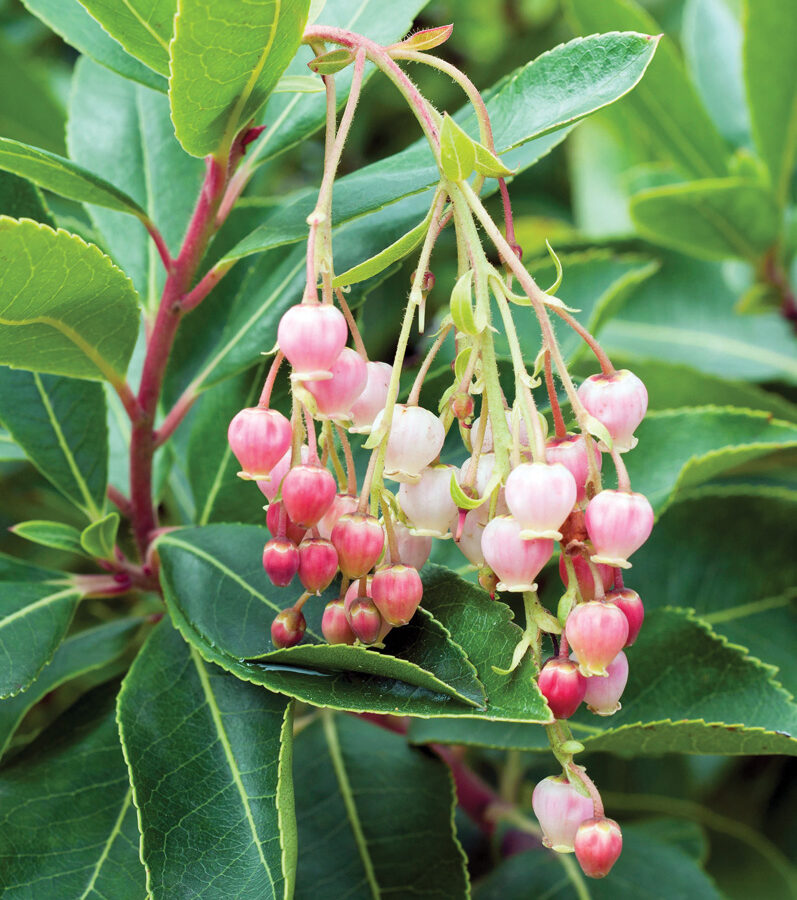
9. ‘Marina’ Strawberry Tree (Arbutus ‘Marina’)
The ‘Marina’ is perhaps the most elegant specimen in the collection. As an evergreen hybrid tree, it offers multi-seasonal interest: cinnamon-red peeling bark, clusters of delicate, urn-shaped pink flowers, and bright red, strawberry-like fruit. It is an excellent choice for a focal point or a large-scale privacy screen.
Environmental Implications and Water Conservation
The shift toward drought-tolerant landscaping in California is more than a trend; it is an environmental imperative. According to regional water management districts, residential landscaping accounts for a significant portion of urban water usage. By transitioning away from traditional turf grasses and high-water-demand ornamentals, property owners can significantly reduce their environmental footprint.
The implications of adopting such a landscape strategy include:
- Groundwater Recharge: By utilizing deep-rooted natives, the soil’s ability to absorb and retain rainwater is improved, reducing runoff.
- Pollinator Support: The integration of nectar-rich plants like the Desert Willow and California Lilac supports local biodiversity, which is currently under threat from habitat fragmentation.
- Reduced Chemical Dependency: Because these plants are selected for their natural resistance to local pests and diseases, there is a significantly lower need for fertilizers and synthetic pesticides, which protects the surrounding watershed from toxic runoff.
Expert Insight: Designing for the Future
Nina Mullen emphasizes that the key to a successful drought-tolerant garden lies in "planting for the site, not for the catalog."
"When we look at the landscape of the future, we must look at what can survive without constant human intervention," Mullen notes. "The plants chosen for Skyline Meadow Farm are not just survivors; they are thriving participants in an ecosystem. They teach us that we don’t have to choose between a beautiful garden and a sustainable one."
For those inspired by this approach, the first step is a professional site analysis. Understanding the nuances of one’s local microclimate—whether it is a wind-swept ridge or a sheltered valley—is the difference between a garden that flourishes and one that merely survives.
Conclusion
The garden at Skyline Meadow Farm serves as a model for modern landscaping in the American West. By embracing the native and the drought-adapted, the designers have created a space that is as resilient as it is beautiful. In an era where climate uncertainty is the new normal, such landscapes offer a path forward, proving that with the right knowledge and a commitment to ecological balance, any homeowner can cultivate a vibrant, water-conscious sanctuary.
Whether you are looking to stabilize a hillside, attract hummingbirds, or simply reduce your water bill, the lessons learned in the soil of Oakland provide a clear, proven, and visually rewarding way forward. As we look toward the future of home gardening, the focus remains clear: beauty should be sustainable, and resilience should be the standard.
