

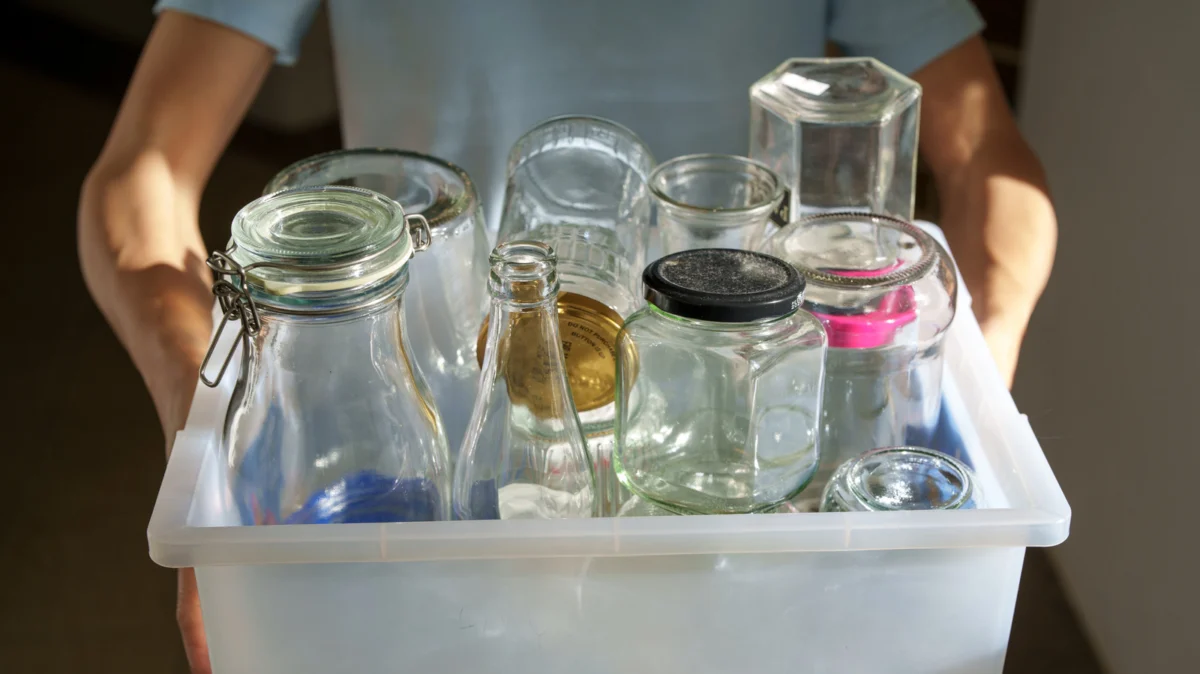
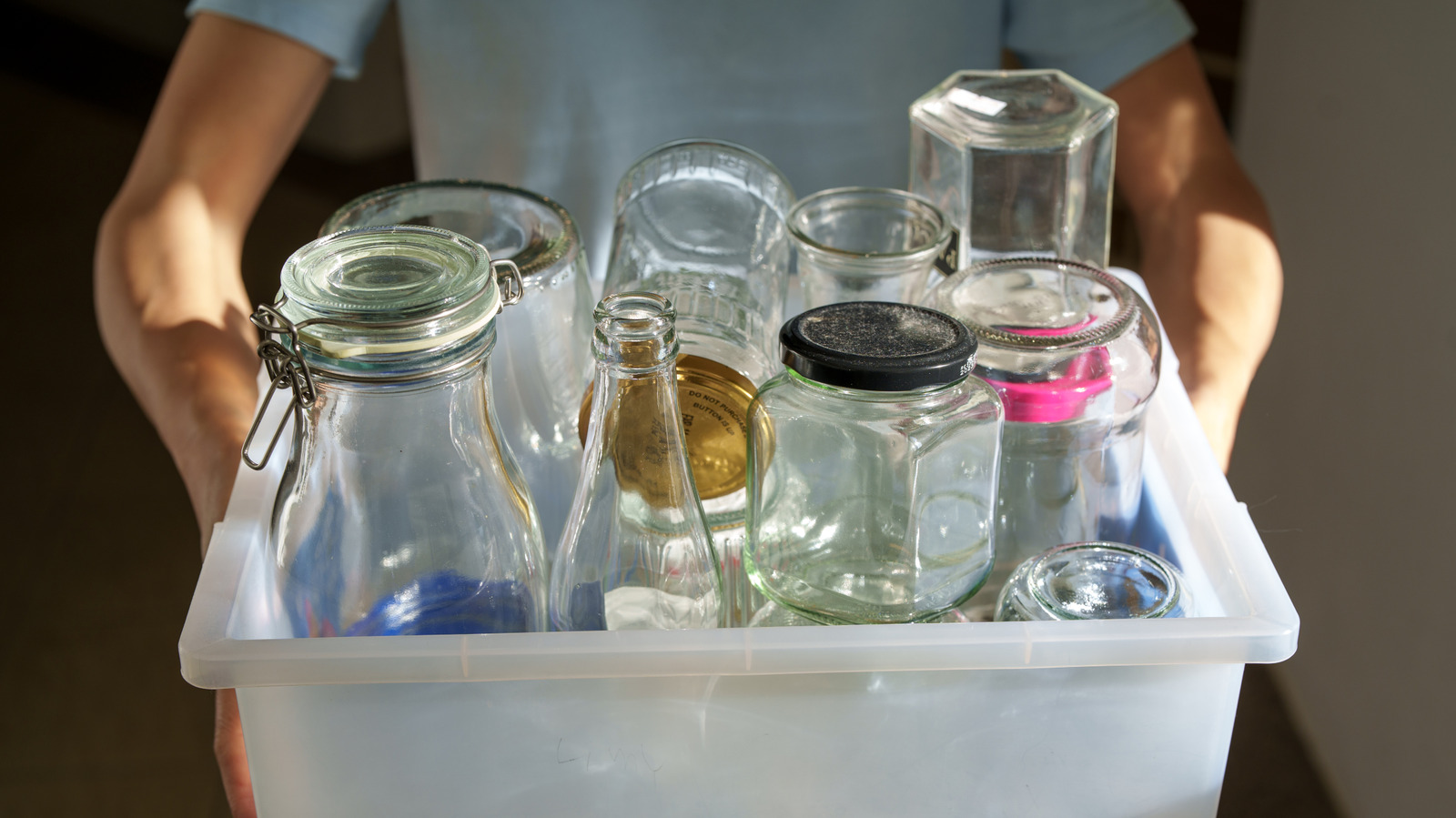
For many, the kitchen pantry or the utility closet harbors a peculiar collection: a graveyard of empty glass jars. Whether they once held artisanal pasta sauce, pickles, or organic preserves, these vessels are frequently saved with the vague, optimistic intention of being "repurposed." Yet, for the majority of households, they simply migrate from the dishwasher to the back of a cabinet, eventually becoming clutter that teeters on the brink of domestic chaos.
However, a burgeoning movement in the DIY community is proving that these humble household staples are not merely candidates for the recycling bin. By utilizing a common bathroom item—nail polish—homeowners and craft enthusiasts are discovering a sophisticated way to turn ordinary glass into luminous, stained-glass-inspired lanterns. This project, which has gained significant traction on social media platforms like YouTube, offers a cost-effective, sustainable, and highly customizable solution for home lighting and decor.
The Core Concept: Why Nail Polish?
The appeal of using nail polish for glass decoration lies in the chemistry of the medium. Nail lacquers are designed to adhere to smooth, non-porous surfaces, and their high pigment density creates an opaque or semi-transparent finish that mimics traditional stained glass. When dripped into water, the solvent-based polish creates a film that floats on the surface, allowing for a "marbled" or "hydro-dipped" effect that is nearly impossible to replicate with traditional paints or brushes.
This technique, often referred to as "water marble dipping," allows the crafter to achieve professional-looking results without the need for specialized equipment or artistic training. As the jar is rolled through the floating film of lacquer, the colors intermingle, resulting in a unique, abstract pattern every time.
A Chronology of the Crafting Process
To understand the accessibility of this project, one must examine the systematic approach required to achieve the best results. The process is a blend of simple science and creative intuition.
Phase 1: Preparation and Safety
The journey begins with preparation. Experts suggest selecting a container—a large, disposable bowl or a dedicated craft basin—that is wide enough to accommodate the width of the glass jar. Filling this bowl with warm water is critical; cold water can cause the nail polish to coagulate or "set" too quickly, resulting in clumps rather than a smooth, swirling film. Before any dipping occurs, the jar must be meticulously cleaned and dried to ensure the polish adheres correctly. Taping off the mouth and the base of the jar ensures that the interior remains pristine and provides a clean edge for decorative accents later.
Phase 2: The Hydro-Dipping Technique
Once the workspace is prepared, the "marbling" phase begins. By carefully drizzling two or three complementary shades of nail polish onto the surface of the water, the crafter creates a floating palette. Using a toothpick or a similar slender tool, the colors are gently swirled together to create intricate, marble-like designs. The jar is then submerged or rolled across the surface. This step requires a steady hand and a swift, fluid motion. Once the glass has been coated, it must be set aside on a protected surface—such as parchment paper or a silicone mat—to air dry completely.
Phase 3: Structural Refinement and Finishing
After the lacquer has hardened, the final stage involves adding structural elements. Removing the protective tape reveals clean, professional edges. To transition the piece from a simple glass jar to a functional lantern, crafters often use a hot glue gun to wrap the rim or base with textured materials such as rustic twine, colorful yarn, or delicate lace. Finally, the introduction of a light source—typically battery-operated LED fairy lights or a flameless LED candle—brings the creation to life, casting a warm, kaleidoscopic glow through the marbled glass.
Supporting Data: The Sustainability Angle
While the aesthetic appeal of these lanterns is undeniable, the project also serves as a poignant case study in sustainable living. According to recent waste management reports, glass is infinitely recyclable, yet the process of melting down and re-forming glass consumes significant energy. By choosing to "upcycle" or repurpose existing jars rather than discarding them, households reduce their carbon footprint.
Furthermore, this project addresses the issue of "cosmetic waste." The beauty industry generates a substantial amount of waste through expired or partially used products. Nail polish, in particular, often ends up in landfills when colors fall out of fashion or the bottle becomes too thick to use on fingernails. By repurposing these forgotten bottles, crafters are effectively diverting hazardous chemical waste from the household waste stream and giving it a second life as an artistic medium.
Implications for Interior Design and Small Spaces
The rise of the "nail polish lantern" signals a broader trend in interior design: the democratization of luxury. In urban environments where space is at a premium and budgets are often tight, DIY projects that provide high-impact decor at a low cost are becoming essential.
Versatility in Decor
The beauty of this project lies in its modular nature. Because the materials are so inexpensive, these lanterns can be customized for specific holidays or seasonal aesthetics. Pastel tones can create a spring-inspired atmosphere, while metallic golds and silvers can offer a sophisticated, modern touch for winter festivities.
Expanding the Method
The implications of this technique extend beyond simple Mason jars. Creative hobbyists have begun applying the hydro-dipping method to a variety of glass surfaces:
- Thrifted Glassware: Old wine glasses or crystal goblets can be transformed into elegant votive holders.
- Vases: Standard floral vases can be upgraded to serve as centerpiece art pieces, even when not holding flowers.
- Bottles: Empty glass bottles can become decorative "fairy lamps," adding height and visual interest to a mantel or shelf.
Expert Perspectives on DIY Trends
Interior designers often note that the "personal touch" is the ultimate luxury in a home. Mass-produced decor, while functional, often lacks the narrative depth that a handmade item provides.
"When you create something yourself, you are investing your time and your history into your home environment," says Sarah Jenkins, a home decor consultant. "Projects like these, which utilize everyday items, allow individuals to express their creativity without the barrier of expensive supplies. The nail polish jar trend is a perfect example of how limitations—like a pile of old jars—can actually spark innovation."
Conclusion: Bridging the Gap Between Trash and Treasure
The transformation of old glass jars into colorful, glowing lanterns is more than just a passing craft trend; it is a manifestation of the "Maker Movement." It encourages individuals to look at their environment with a critical, imaginative eye, seeing potential where others see only refuse.
By combining the simple chemistry of water and lacquer with the structural potential of glass, we are reminded that home decor is not strictly about purchasing new items, but about curating the ones we already possess. As these lanterns continue to brighten living rooms, porches, and dining tables, they serve as a testament to the fact that with a little bit of patience, a few basic supplies, and a touch of creativity, the most ordinary objects can be elevated into something truly extraordinary. Whether you are looking to declutter your cabinets or simply seeking a new weekend project, the nail polish lantern offers a path to beauty that is as sustainable as it is illuminating.
