

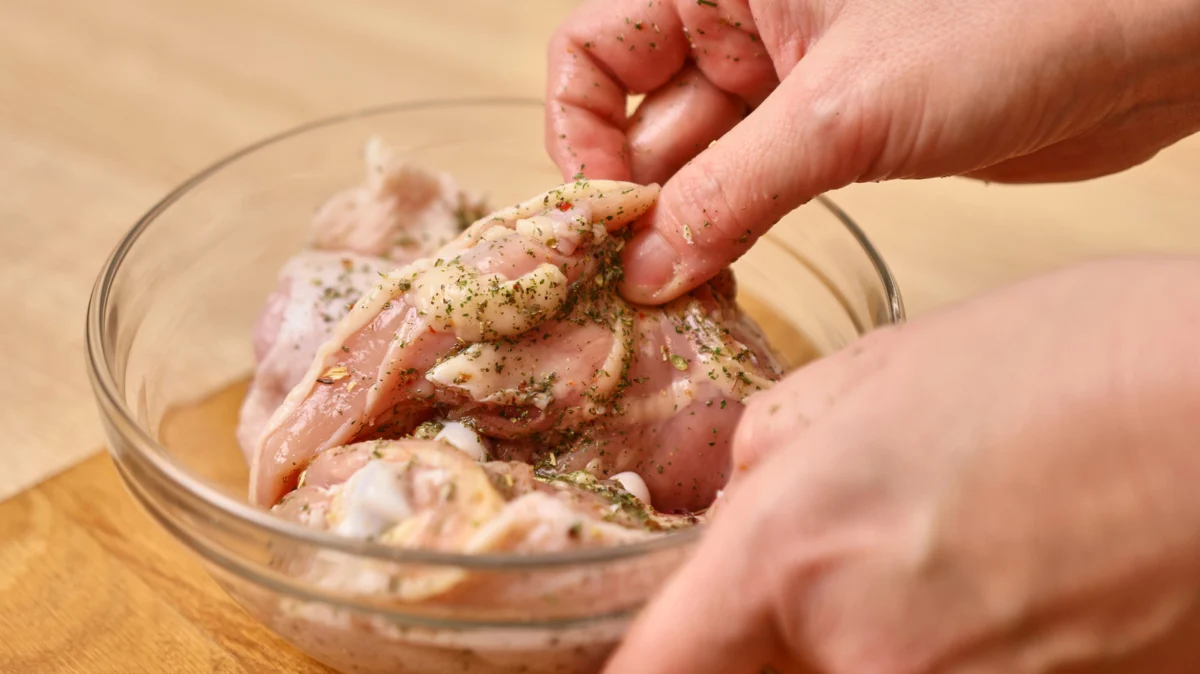
In the world of home cooking, the quest for the "perfect" piece of chicken is an eternal pursuit. Chefs and home cooks alike have long relied on traditional methods—dry rubs, herb-infused oils, and overnight marinades—to stave off the common plague of dry, rubbery poultry. However, a growing trend among culinary enthusiasts has identified a surprising, highly effective solution that often ends up down the kitchen sink: feta cheese brine.
By repurposing the salty, tang-filled liquid found in containers of block feta, home cooks are discovering a low-effort, high-impact way to achieve superior moisture levels and complex, umami-rich flavor profiles in their chicken.
Main Facts: The Science of Osmosis and Umami
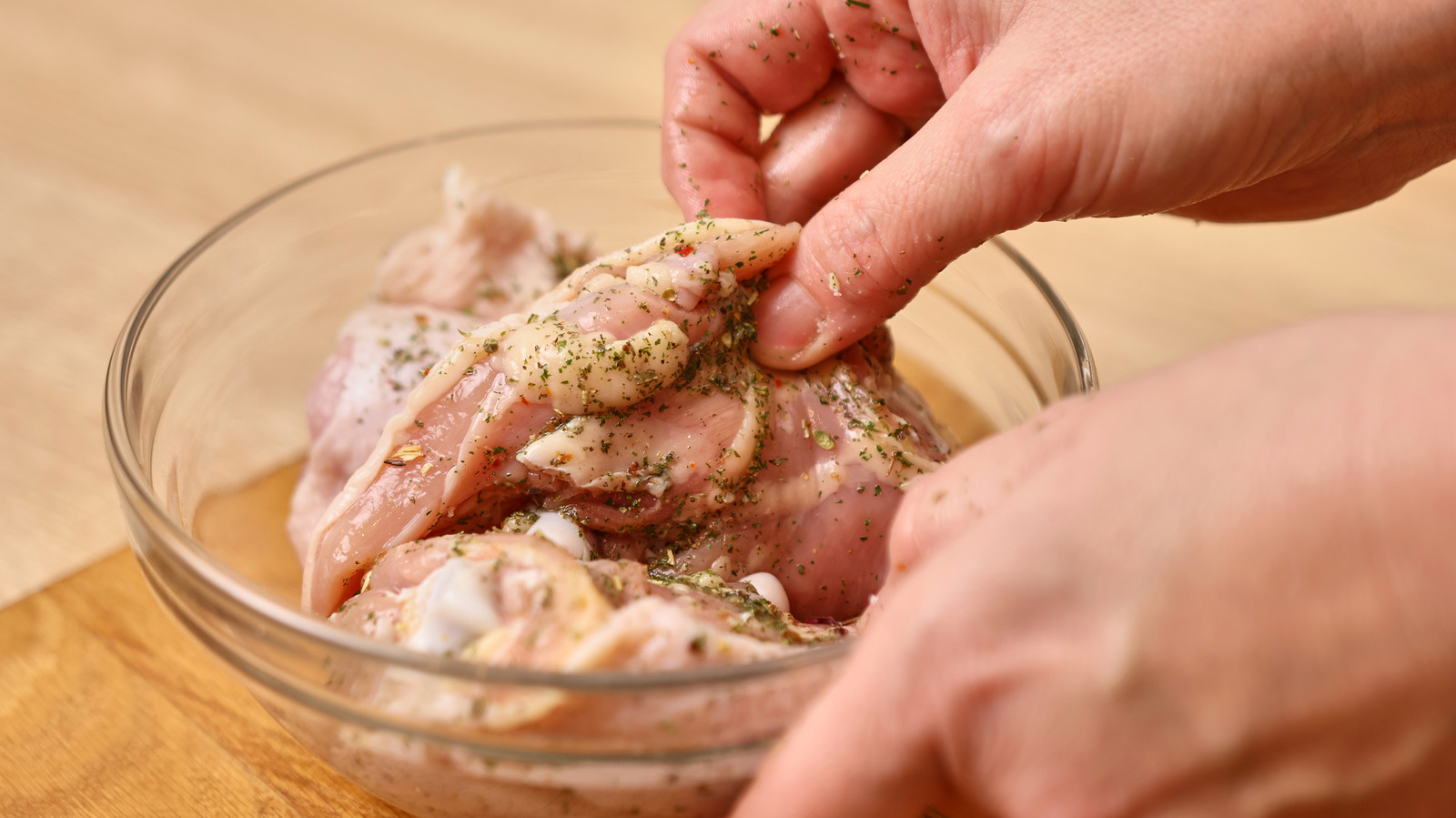
At its core, brining is an exercise in osmosis. When chicken is submerged in a liquid with a high salt concentration, the cellular structure of the meat undergoes a transformation. The salt ions migrate into the muscle fibers, altering the proteins in a way that allows them to hold onto moisture more effectively during the cooking process.
The Feta Advantage
Unlike standard water-and-salt brines, which provide little more than basic seasoning, feta brine is a complex byproduct of fermentation. Because authentic block feta is aged in this liquid, the brine absorbs the characteristic "tang" of the cheese, driven by lactic acid and the microbial activity of Lactobacillus.
When this liquid permeates the chicken, it doesn’t just season the surface; it infuses the meat with:
- Deep Umami: The fermented notes of the cheese provide a savory backbone that enhances the natural flavor of the poultry.
- Tenderization: The lactic acid present in the brine acts as a mild tenderizer, breaking down connective tissues without the harshness of acidic citrus-based marinades.
- Zero Waste: Home cooks frequently discard the liquid once the cheese is consumed. Using it as a marinade is a prime example of sustainable "nose-to-tail" (or in this case, "packaging-to-plate") cooking.
Chronology: From Trash to Treasure
For decades, the standard procedure for feta cheese was simple: buy the block, crumble it into a salad, and pour the cloudy liquid down the drain. The shift in perspective began as professional chefs and food scientists began exploring the benefits of "secondary" ingredients—liquids like pickle juice, buttermilk, and miso-wash that were once ignored.
- The Rise of Wet-Brining: In the early 2000s, the culinary world saw a surge in the popularity of wet-brining whole turkeys and chickens, primarily using aromatics and high salt concentrations.
- The "Brine-Reuse" Movement: As food waste awareness increased in the 2010s, cooks began experimenting with leftover liquids. Pickle brine became the industry standard for fried chicken, paving the way for other savory, high-saline liquids.
- The Feta Breakthrough: Within the last five years, social media food influencers and professional test kitchens began reporting that feta brine offers a superior profile to pickle juice. Unlike the sharp, vinegar-heavy bite of pickles, feta brine offers a creamy, dairy-adjacent richness that feels more "gourmet" and less aggressive.
Supporting Data: Why Block Feta Matters
A crucial element in this process is the selection of the cheese itself. Culinary experts are unanimous: do not buy pre-crumbled feta.
The "Crumbled" Problem
Pre-crumbled feta is often coated in anti-caking agents like cellulose to prevent the pieces from sticking together in the bag. This coating can create a gritty texture and often results in a drier cheese. More importantly, pre-crumbled feta does not come packed in the same high-quality, flavor-dense brine as a solid block.
The Math of Salinity
Feta brine typically maintains a salinity level of approximately 6%. This is the "sweet spot" for poultry brining. According to food science guidelines, a 5–7% salt solution is ideal for diffusing into chicken muscle fibers without making the final product inedibly salty.
- Boneless cuts: Require 1–2 hours of submersion.
- Bone-in, skin-on pieces: Benefit from 3–5 hours.
- Whole birds: Can safely sit for 8–12 hours.
Official Perspectives and Culinary Best Practices
While the method is gaining traction, it requires nuance. Professional chefs emphasize that this is not a "set it and forget it" marinade.
Temperature and Microbial Sensitivity
Unlike synthetic brines, feta brine is a biological product. It contains live cultures and rennet. Exposing the brine to high heat before marinating can denature these proteins and kill the delicate flavors.
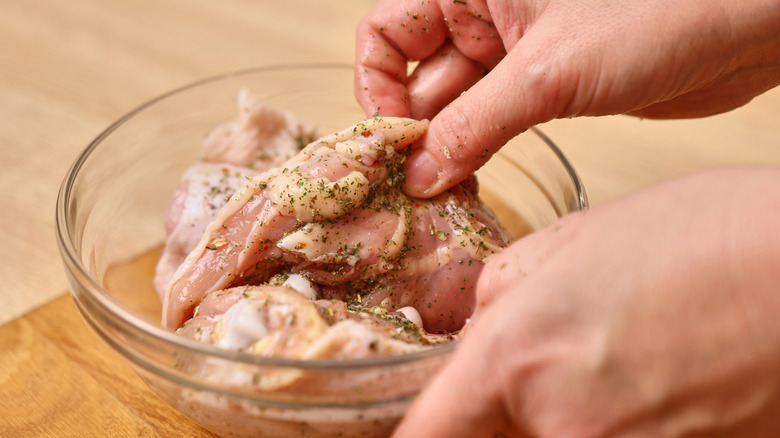
Chef’s Recommendation: Do not boil your feta brine. If you want to infuse it with herbs like rosemary, thyme, or crushed garlic, do so by steeping them in the brine at room temperature for several hours before adding the chicken. This creates a cold-infused aromatic base that preserves the lactic acid integrity of the liquid.
The "Oversalt" Warning
Because feta brine is already seasoned, it is vital to adjust your final recipe. If you plan to sear the chicken in a pan with butter or add a dry rub later, omit the additional salt. Relying on the brine to do the heavy lifting allows the subtle, fermented notes of the cheese to shine through without being masked by excessive sodium.
Implications: The Future of Home Cooking
The adoption of feta brine as a kitchen staple has significant implications for how we view pantry management.
Sustainability and Economy
In an era of rising food costs, the ability to extract multiple uses from a single purchase is valuable. By using the brine, the cost per meal effectively decreases, as the marinade is essentially a "free" byproduct of the cheese purchase.
Flavor Innovation
The trend marks a move toward "fermentation-forward" home cooking. As consumers become more interested in the health and flavor benefits of fermented foods, the use of brine in everyday proteins serves as an accessible entry point. It invites home cooks to experiment with other liquid byproducts—such as olive oil from sun-dried tomatoes or liquid from fermented vegetables—creating a new landscape of flavor possibilities.
Final Thoughts
Using feta brine is not merely a "hack"; it is an elevation of technique. It transforms a humble weeknight chicken breast into something that feels intentional, sophisticated, and remarkably moist. As you prepare your next meal, reconsider that container of feta. That liquid isn’t just waste—it is the key to the juiciest bite of chicken you’ve had all year.
By applying the principles of osmosis, respecting the delicate nature of the brine, and choosing high-quality ingredients, you can turn your kitchen into a laboratory of flavor, ensuring that your poultry is never dry, never bland, and always memorable.
