

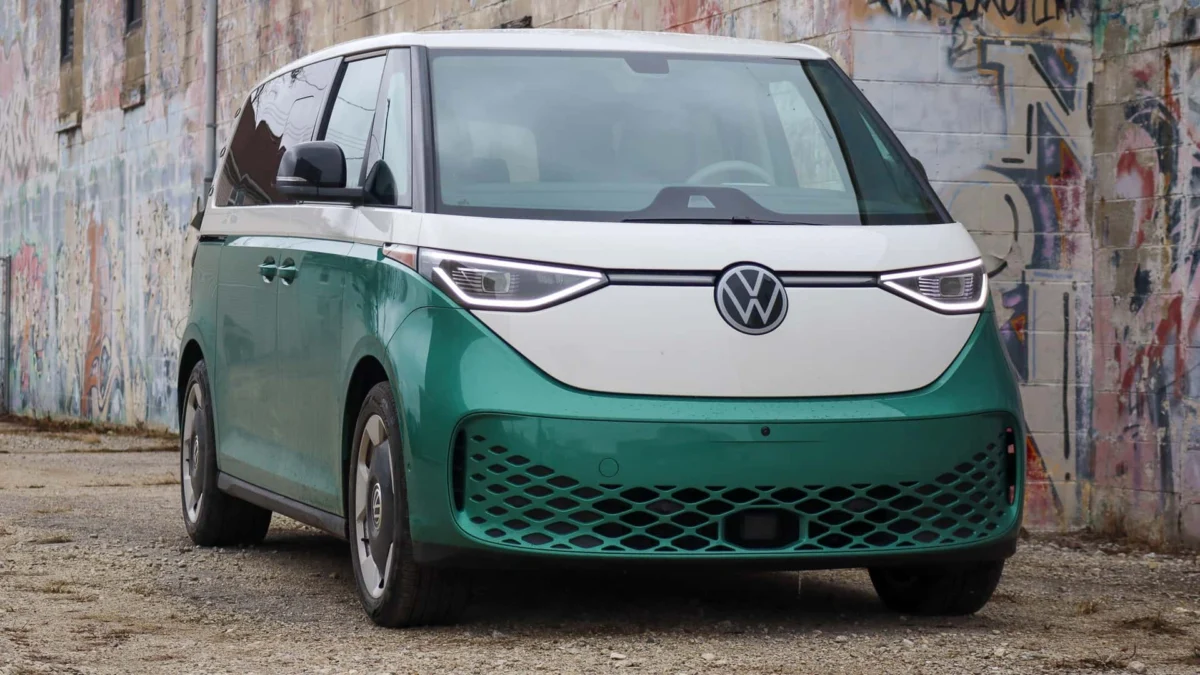
The Volkswagen ID. Buzz is undeniably one of the most charismatic vehicles to hit the automotive market in the last decade. With its nostalgic nods to the classic Type 2 Microbus and a footprint that promises unparalleled interior utility, it arrived with significant fanfare. However, for all its aesthetic appeal and spacious versatility, the current model has hit a wall: a price tag that often feels disconnected from its actual market positioning.
As Volkswagen looks toward the next generation of its electric van, the company is preparing for a radical pivot. During the recent Paris Motor Show, Volkswagen Group CEO Thomas Schäfer offered a candid admission regarding the current state of the ID. Buzz: while consumer enthusiasm is high, the vehicle is currently built on a "wrong cost base," which has constrained its sales potential and accessibility. To rectify this, the next iteration of the ID. Buzz will abandon the aging MEB architecture in favor of Volkswagen’s highly anticipated Scalable Systems Platform (SSP). This shift represents more than just a mechanical change; it is a fundamental recalibration of VW’s electric vehicle strategy.
The Architecture Shift: From MEB to SSP
The current ID. Buzz utilizes the MEB (Modular Electric Drive Matrix) platform, a modular architecture that helped launch the ID series but is now nearing the end of its competitive lifespan. While effective for initial electrification, the MEB platform is limited in terms of raw computing power, charging speed, and manufacturing efficiency compared to the industry’s newest benchmarks.
The transition to the SSP architecture is the cornerstone of Volkswagen’s plan to democratize high-end EV performance. Unlike the MEB, the SSP platform is designed from the ground up to support 800-volt electrical systems. This allows for significantly faster charging cycles—a crucial metric for a vehicle intended for family road trips and long-distance hauling. While the current model manages respectable charging times, the SSP platform is engineered to facilitate a 5% to 80% charge in approximately 12 minutes.
Furthermore, the SSP architecture will allow for the integration of LFP (Lithium Iron Phosphate) battery chemistry, which is not only more cost-effective to produce but also offers greater longevity and thermal stability. By standardizing these components across the broader Volkswagen Group portfolio, the company aims to slash development and manufacturing costs, theoretically passing those savings on to the consumer.
A Chronology of the ID. Buzz Evolution
The road to the current ID. Buzz—and its eventual successor—has been a turbulent one, marked by massive anticipation and logistical hurdles.
- 2017: The concept version of the ID. Buzz is unveiled at the Detroit Auto Show, instantly capturing the public imagination with its retro-futuristic design.
- 2022: The production model debuts in Europe, signaling a new era for the VW "bus."
- 2023–2024: As the model launches in various global markets, including North America, early reviews highlight a common theme: the van is delightful to drive but suffers from high pricing and inconsistent interior material quality.
- 2025: VW CEO Thomas Schäfer publicly acknowledges the "wrong cost base" at the Paris Motor Show, confirming that a successor built on the SSP platform is in development.
- 2026–2027 (Projected): A period of transition for the current generation, which will see incremental software updates and minor trim adjustments.
- 2028 (Projected): The current ID. Buzz is slated to return to the U.S. market with significant upgrades, including true one-pedal driving and new lifestyle-oriented trim levels.
- Post-2030 (Projected): The introduction of the next-generation ID. Buzz, built on the SSP architecture, following the release of VW’s flagship SSP-based SUV.
Electronics and the Rivian Partnership
One of the most critical challenges facing the current ID. Buzz is its software suite. Critics have noted that while the hardware is solid, the user interface and overall electronic integration have often felt like an afterthought. To solve this, Volkswagen has leaned heavily into its strategic joint venture with Rivian.
This partnership is designed to overhaul the "electronic brain" of future Volkswagen vehicles. By utilizing powerful central computers capable of managing complex functions, VW aims to create an ecosystem that supports high-level driver assistance, advanced infotainment, and, most importantly, seamless over-the-air (OTA) updates. This move is designed to ensure that the ID. Buzz doesn’t become obsolete the moment it leaves the showroom floor. By sharing this high-end software architecture across millions of units—from budget hatchbacks to premium vans—Volkswagen can spread the massive R&D costs, effectively lowering the price point for individual consumers.
Official Responses and Strategic Pivot
Thomas Schäfer’s statements at the Paris Motor Show serve as a tacit acknowledgment that the current "enthusiasm-based" sales strategy is unsustainable. "We have the look and the space, but we need to match it with a price that makes sense for the average family," a company spokesperson hinted.
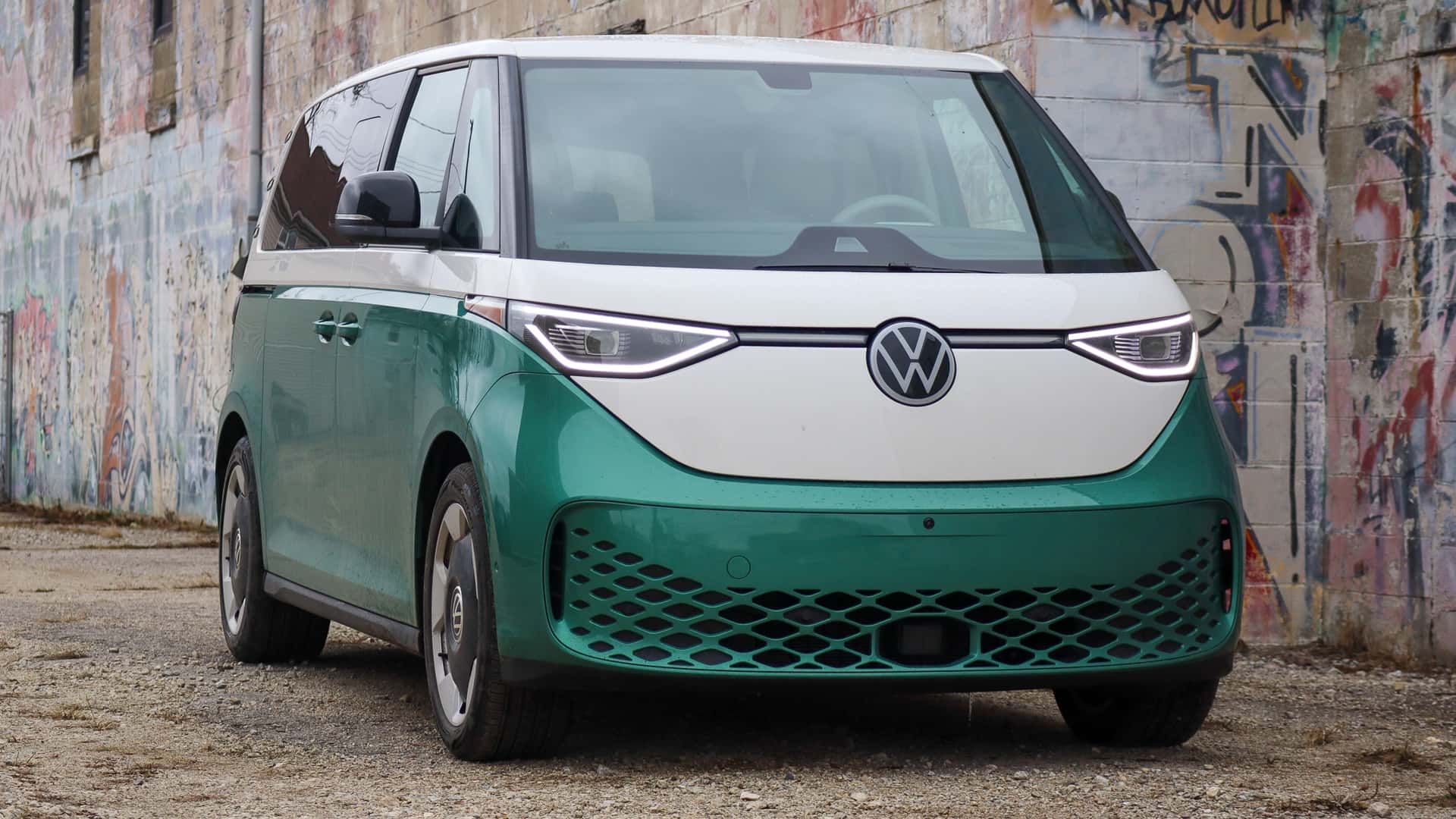
Design chief Andreas Mindt is also steering the aesthetic future of the brand away from the "retro trap." There is a delicate balance to be struck: keeping the iconic silhouette of the original Type 2 while ensuring that the vehicle feels like a modern piece of technology rather than a museum piece. Mindt’s focus is on "likability and character," ensuring that the vehicle remains recognizable without relying solely on the nostalgia of the Beetle or the original bus.
Implications for the Market
The implications of this shift are profound for both the brand and the segment. Currently, the ID. Buzz faces stiff competition. When compared to the Kia EV9, for instance, the ID. Buzz often falls short in terms of range and value-for-money. With an EPA-rated range of 234 miles, the current Buzz struggles to compete with larger-battery rivals that offer better endurance for the same or lower price.
By moving to the SSP platform, Volkswagen is attempting to reclaim its status as the leader in affordable, high-utility electric transport. The decision to ditch touch-sensitive controls in favor of physical buttons in the upcoming models—a trend already beginning with the new ID. Polo and ID. Tiguan—shows that the company is finally listening to consumer feedback regarding ergonomics.
However, the path forward is not without risk. The two-year gap in the U.S. market, driven by fluctuating EV demand and a challenging regulatory environment, has allowed competitors to gain significant ground. The success of the next-generation ID. Buzz will depend on whether Volkswagen can deliver on its promises of lower costs and superior technology without diluting the unique "soul" that made the ID. Buzz a hit in the first place.
Conclusion: A Second Chance at Perfection
The current ID. Buzz is a triumph of design, but a struggle of economics. It has successfully proven that there is a massive, untapped appetite for an electric van that values style and comfort over pure, sterile utility. Yet, to transition from a niche, "enthusiast" vehicle to a mainstream success, it requires the structural, software, and cost-efficiency advantages that only the SSP platform can provide.
As Volkswagen pivots toward this new horizon, the message is clear: the company is no longer content with relying on heritage alone. By integrating advanced software from the Rivian partnership, embracing the efficiency of the SSP architecture, and listening to the tactile needs of the driver, Volkswagen is positioning the future ID. Buzz to be more than just a tribute to the past. It is aiming to be the standard-bearer for the electric family vehicle of the next decade. Whether it can achieve this while maintaining the charm that defines it remains the most important question for the brand’s electric future.
