

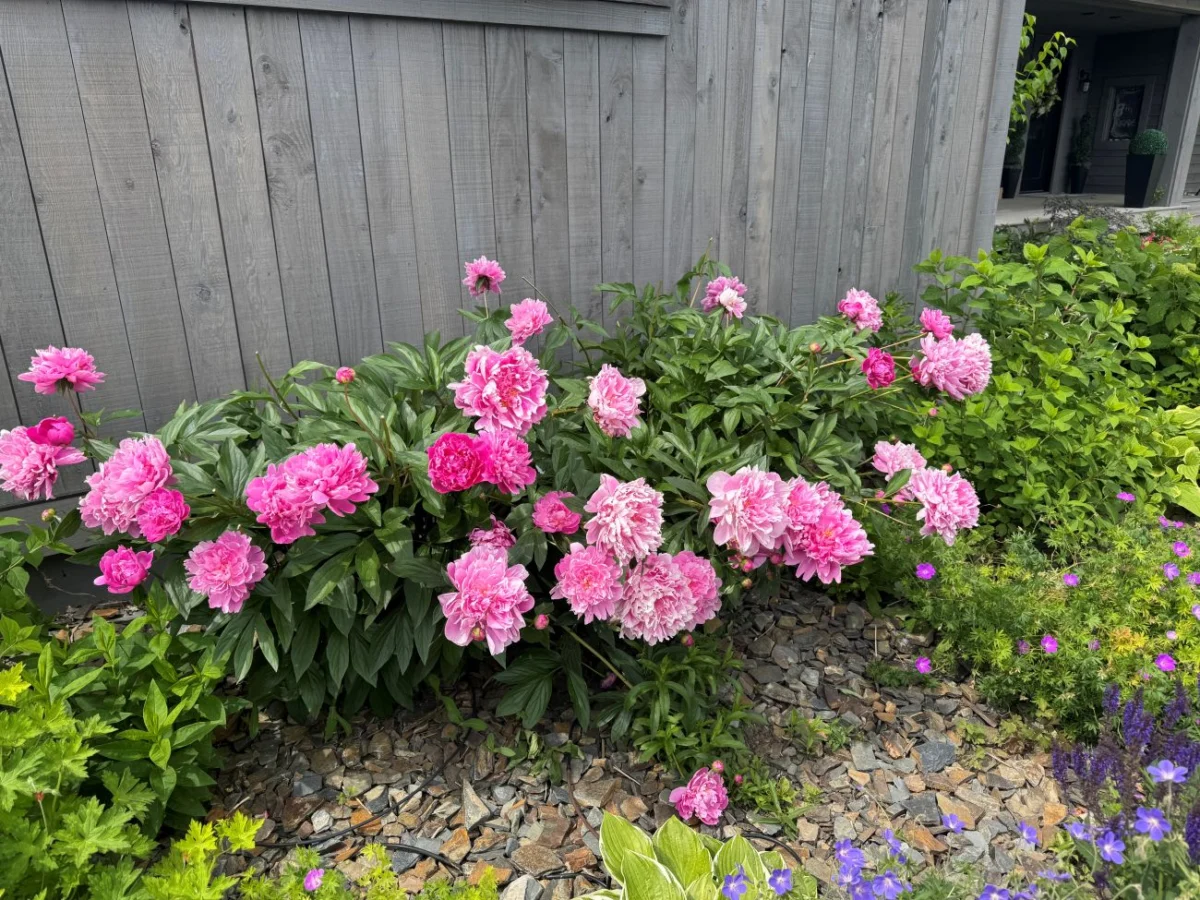
In the high-altitude, rigorous climate of Bozeman, Montana, gardening is often an exercise in patience and resilience. Nestled in USDA Hardiness Zone 5a, where the growing season can be short and unpredictable, the arrival of spring is not just a seasonal shift—it is a triumphant event. Today, we turn our lens toward the private sanctuary of Elizabeth, a local gardener whose landscape serves as a testament to the enduring beauty of Paeonia hybrids.
While her garden is a multi-layered ecosystem populated by a diverse cast of hydrangeas, roses, and towering delphiniums, this week we pause to celebrate the spectacular performance of her peonies. These classic perennials have captured the hearts of horticulturists for centuries, and in the crisp, clean air of the American West, they have found a truly magnificent stage.
Main Facts: The Resilience of the Peony
Peonies (Paeonia spp.) are among the most revered perennials in the gardening world, prized for their massive, fragrant blooms and long-lived nature. Elizabeth’s garden highlights the adaptability of these plants, which thrive in Zones 3 through 8.
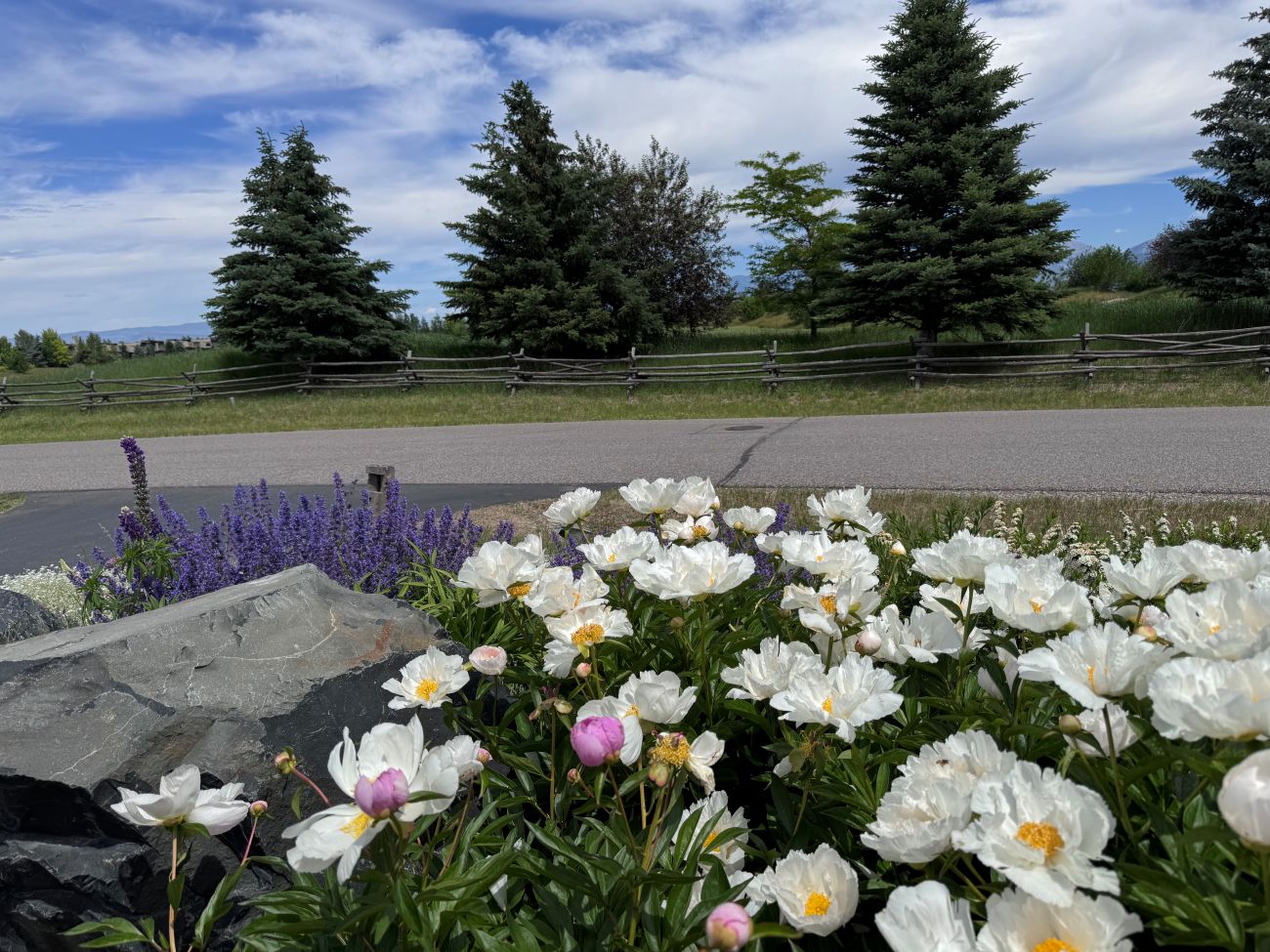
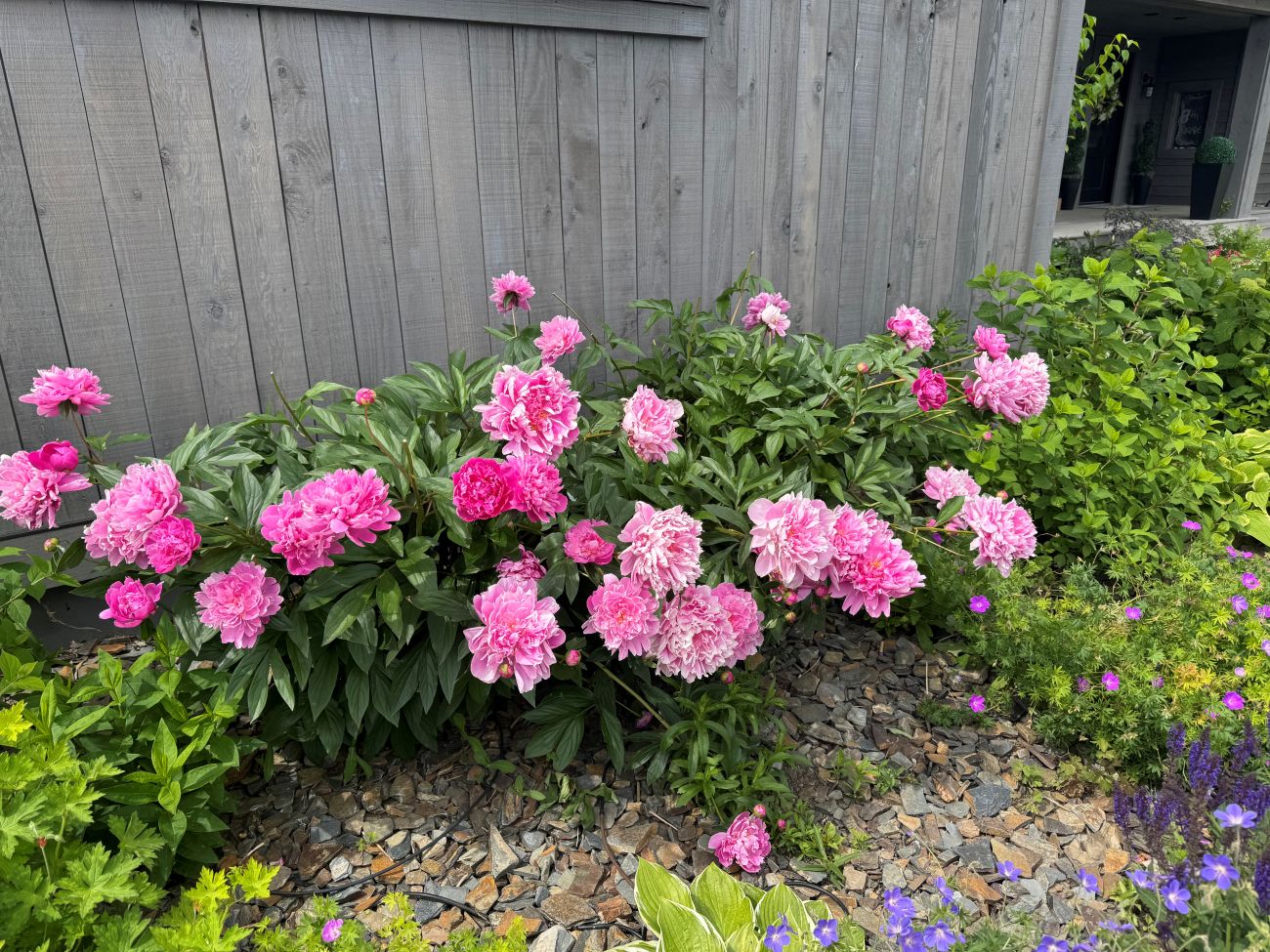
The primary draw of these flowers lies in their structural elegance and their ability to anchor a garden bed. In Bozeman’s Zone 5a climate, peonies are particularly well-suited to the environment. They require a period of winter dormancy—cold enough to trigger the necessary physiological processes for spring budding—making the Montana climate an ideal nursery for these lush, herbaceous treasures. The peonies in Elizabeth’s collection demonstrate the two most popular forms: the ethereal, clean-white variety with striking yellow centers, and the opulent, fully double-flowered pink varieties that provide a soft, romantic contrast against the more rugged backdrop of the mountain landscape.
Chronology of the Season
The progression of a Montana spring is a delicate, often rapid process. For gardeners like Elizabeth, the timeline begins with the slow emergence of "red asparagus"—the characteristic shoots that break through the soil surface as the frost recedes.
- Early Spring (Emergence): As the ground thaws, the peonies send up thick, fleshy stems. In a climate like Bozeman’s, this period is critical; late-season snowstorms are a genuine threat, yet the hardy peony generally withstands these transient freezes with ease.
- Mid-Spring (Development): The plants move quickly from leafy foliage to bud formation. The "tight bud" stage is often compared to a marble or a golf ball, a period of anticipation where the garden waits for the first hint of color to crack through the green sepals.
- Peak Season (The Bloom): This is the window captured in today’s spotlight. In Bozeman, this usually occurs in late spring or early summer, depending on the specific elevation and microclimate. During this time, the garden undergoes a transformation. The roadside beds, once dormant, are suddenly illuminated by the stark white of the early-blooming varieties, followed shortly by the deep, saturated pinks of the double-blooming cultivars.
- Post-Bloom Transition: As the petals fall, the garden’s focus shifts. The structural integrity of the peony foliage remains—a deep, glossy green that serves as a backdrop for the subsequent blooms of hydrangeas and delphiniums.
Supporting Data: Why Peonies Excel in Zone 5a
Understanding the success of Elizabeth’s garden requires looking at the botanical requirements of the Paeonia genus.
- Vernalization: Peonies are "cold-needy" plants. They require a significant number of chilling hours (temperatures between 32°F and 40°F) to break dormancy and bloom. Montana’s long, cold winters provide an abundance of these hours, ensuring a prolific display of flowers that gardeners in warmer, subtropical zones often struggle to replicate.
- Soil and Drainage: Peonies are notorious for disliking "wet feet." In the rocky, well-draining soils often found in mountain regions, the risk of root rot is significantly lower. Elizabeth’s garden utilizes stone borders, which not only provide a rustic aesthetic but also help delineate the bed while keeping the crown of the peony slightly elevated to ensure proper drainage.
- Longevity: One of the most compelling aspects of these plants is their lifespan. A well-tended peony can live for over 50 years, often outlasting the gardener who planted it. This makes them a "heritage" plant, a foundational element that adds long-term value to any landscape.
Official Perspectives: Expert Insights on Peony Cultivation
While the visual beauty of the bloom is the primary focus, the science behind the maintenance is what allows these plants to thrive year after year. Fine Gardening experts emphasize that the success of a peony display is largely determined by the "depth of planting."
"If you bury the eyes—the pinkish buds on the roots—too deeply, you will get beautiful foliage but no flowers," notes the editorial board at Fine Gardening. "The goal is to keep them no more than an inch or two below the soil surface. In a place like Montana, where the soil can heave with the freeze-thaw cycle, mulching lightly in the winter is a vital protective measure."
Furthermore, the introduction of companion plants is a strategic choice. By surrounding the peonies with hydrangeas and roses, Elizabeth creates a "succession of bloom." As the peonies fade, the hydrangeas—which prefer the slightly acidic soils often found in high-mountain regions—take over the visual interest, ensuring the garden is never without a focal point.
Implications: The Joy of the Garden
The success of Elizabeth’s garden carries a broader implication for the gardening community: the importance of "place-based" gardening. By leaning into the strengths of the Montana climate rather than fighting against it, she has created a low-maintenance, high-impact landscape that brings joy to both the resident and the passerby.
The psychological benefits of such a garden cannot be overstated. In an era of rapid digital engagement, the slow, rhythmic growth of a perennial border offers a meditative counterpoint. The scent of the peony—often described as sweet, rose-like, and slightly citrusy—is a sensory hallmark of the spring season. For many, these blooms act as a calendar, marking the transition from the harshness of winter to the vibrancy of summer.
How to Build Your Own Floral Haven
For those inspired by Elizabeth’s success, the path to a thriving peony patch is well-documented. Whether you are in Montana or elsewhere, the steps remain consistent:
- Site Selection: Choose a location that receives at least six to eight hours of direct sunlight.
- Preparation: Amend the soil with compost to ensure nutrient richness, but avoid heavy fertilizers that encourage leaf growth at the expense of flowers.
- Support: As the blooms grow, they become top-heavy. Installing subtle hoop supports early in the season ensures that rain or wind doesn’t flatten the display.
We Want to See Your Garden
The beauty of the gardening community lies in the exchange of ideas. Whether you are cultivating a sprawling estate in the Midwest, a container garden on a New York City balcony, or a rugged mountain bed in Bozeman, your efforts contribute to the global tapestry of horticulture.
We invite you to share your experiences, your favorite cultivars, and the lessons you have learned from your failures and successes. To participate in our Garden Photo of the Day (GPOD) series:
- Submit via our Official Form: Visit our Submission Portal to upload your high-resolution images.
- Email Us: You can send 5–10 photos directly to our editorial team at [email protected]. Please include a brief narrative about your location, your journey as a gardener, and any specific details about the plants shown.
- Stay Connected: Don’t miss out on daily inspiration. Ensure you are subscribed to our email newsletter to receive expert tips, seasonal advice, and features on gardeners just like you.
Recommended Tools for Your Horticultural Journey
To achieve the professional results seen in Elizabeth’s garden, proper equipment is essential. Fine Gardening recommends the following tools for those looking to elevate their maintenance routine:
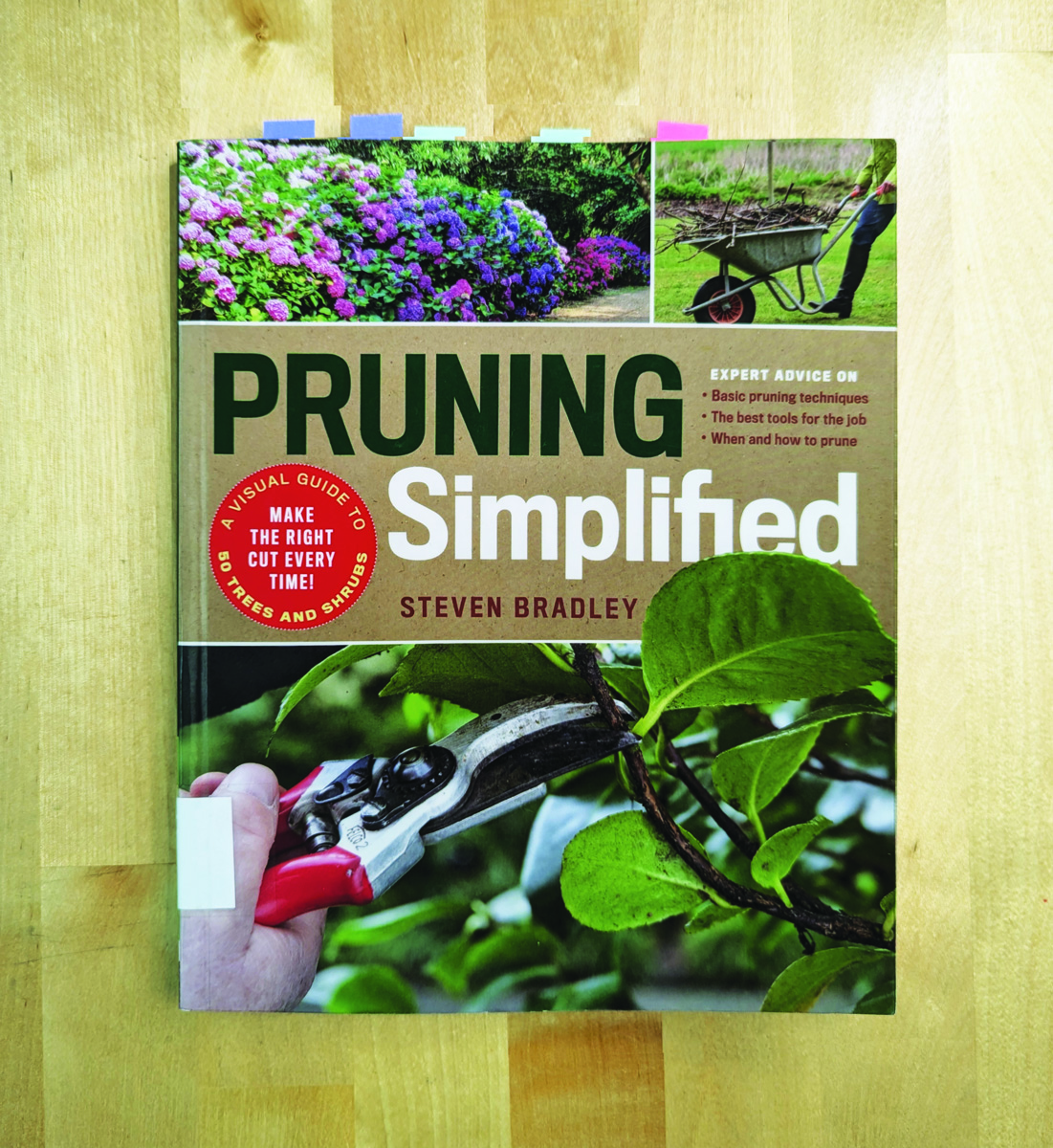
- Pruning Simplified: A comprehensive guide to the care of trees and shrubs. Proper pruning is the difference between a plant that struggles and one that thrives. This guide offers expert advice on tools and timing for 50 popular species.
- ARS Telescoping Long-Reach Pruner: For the gardener who manages larger shrubs or taller perennials, this lightweight, balanced tool is a game-changer, allowing for precision cuts without the strain of traditional long-handled loppers.
- The Crevice Garden Guide: If you are inspired by the stone-bordered look, this book provides the blueprint for building "crevice gardens," which mimic the rocky, alpine environments that many high-altitude plants—including certain peonies—naturally occupy.
By investing in the right knowledge and tools, your garden can become the next local landmark. Thank you, Elizabeth, for opening your garden gates to us and sharing the breathtaking, fleeting beauty of your Montana peonies. We look forward to seeing what you grow next.
