

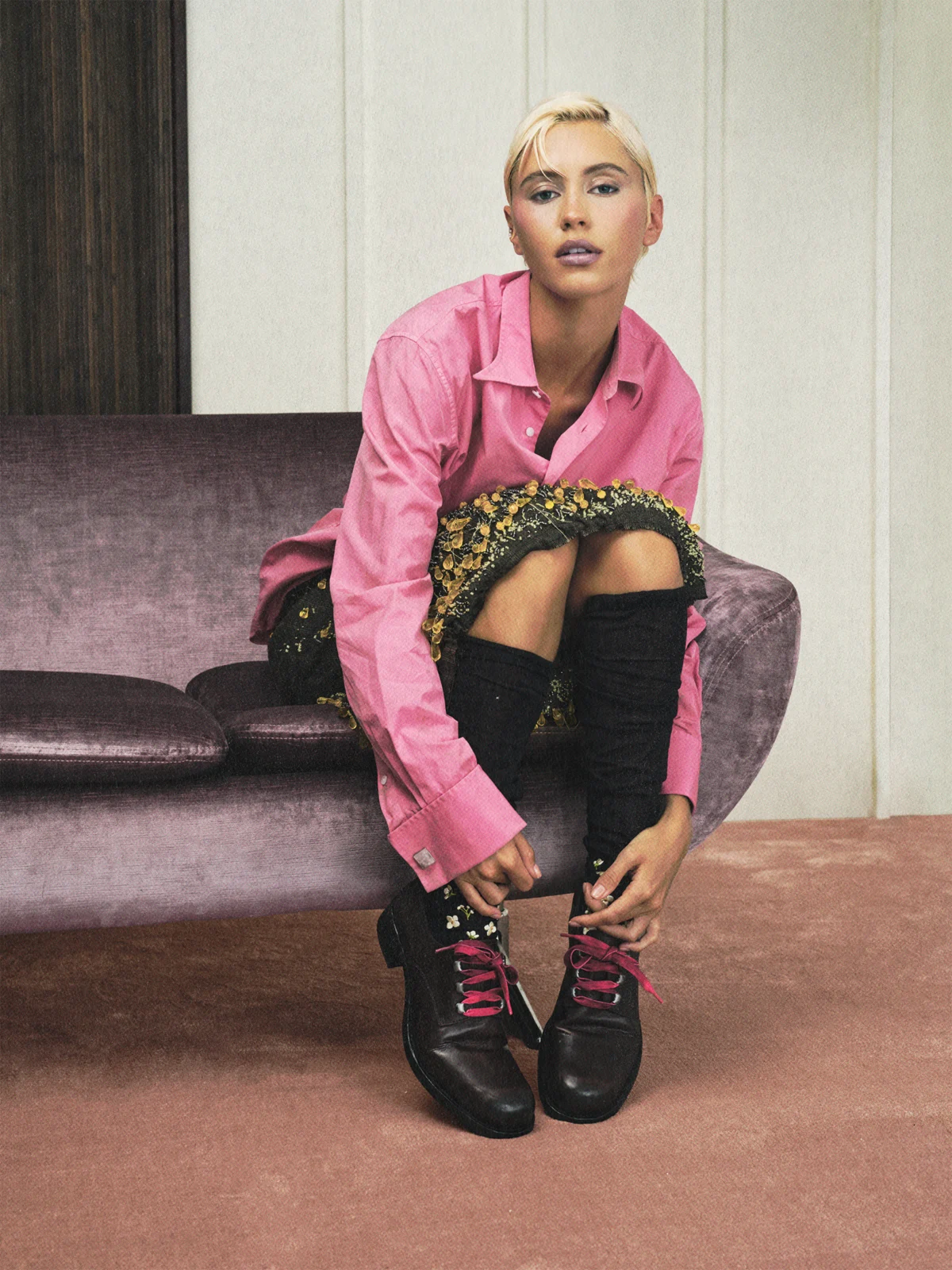
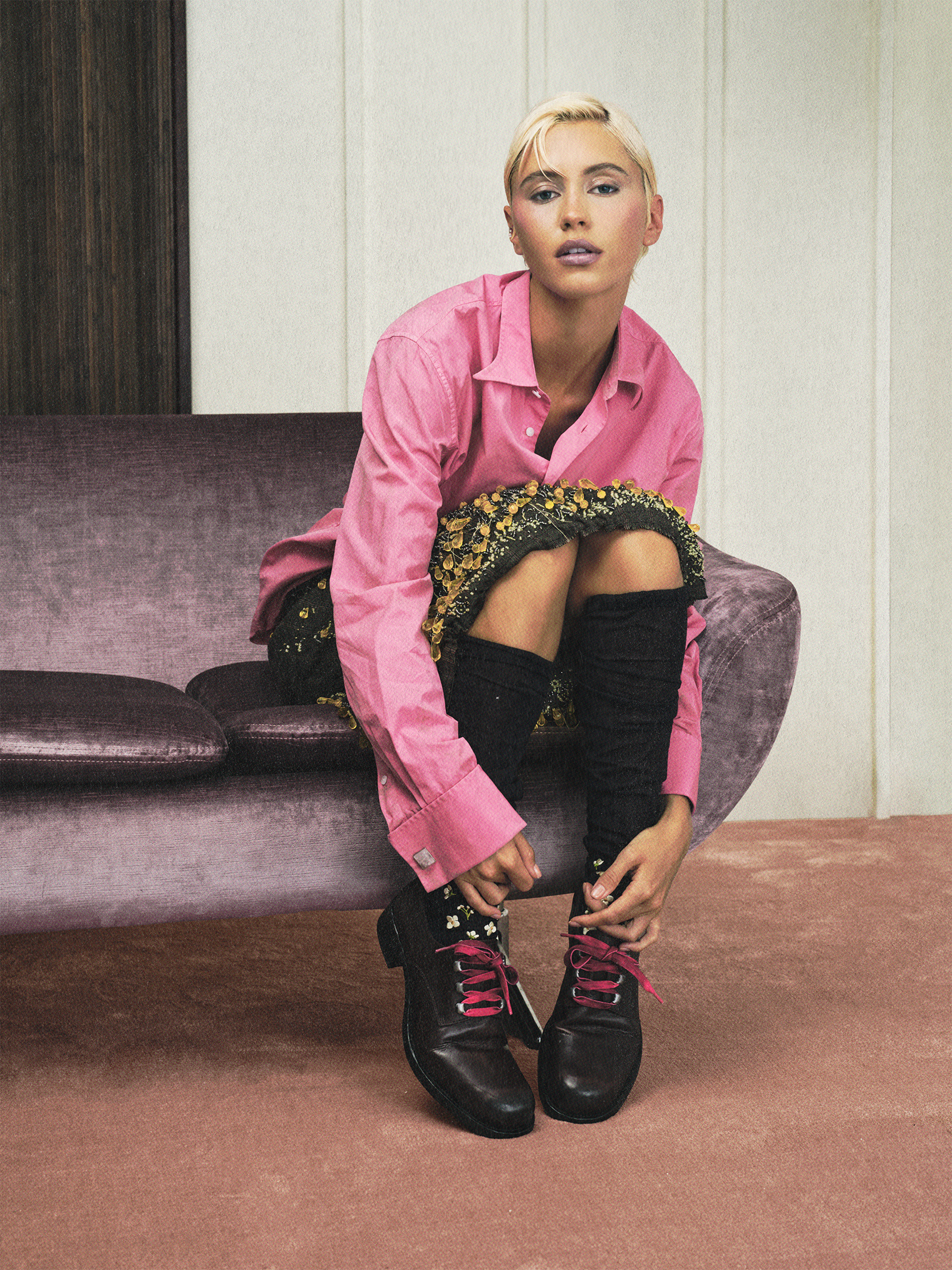
In the hyper-curated landscape of digital celebrity, where personal branding is often a cold, calculated science, Iris Law represents a refreshing anomaly. As the 25-year-old model and entrepreneur settles into an armchair at the Bowery Hotel, she is a world away from the high-gloss, manicured images that populate the luxury campaigns of Fendi, Miu Miu, and Burberry. She is barefoot, her knees pulled to her chest, wearing a simple tank and basketball shorts—a portrait of ease that mirrors the very philosophy that has made her an accidental style icon.
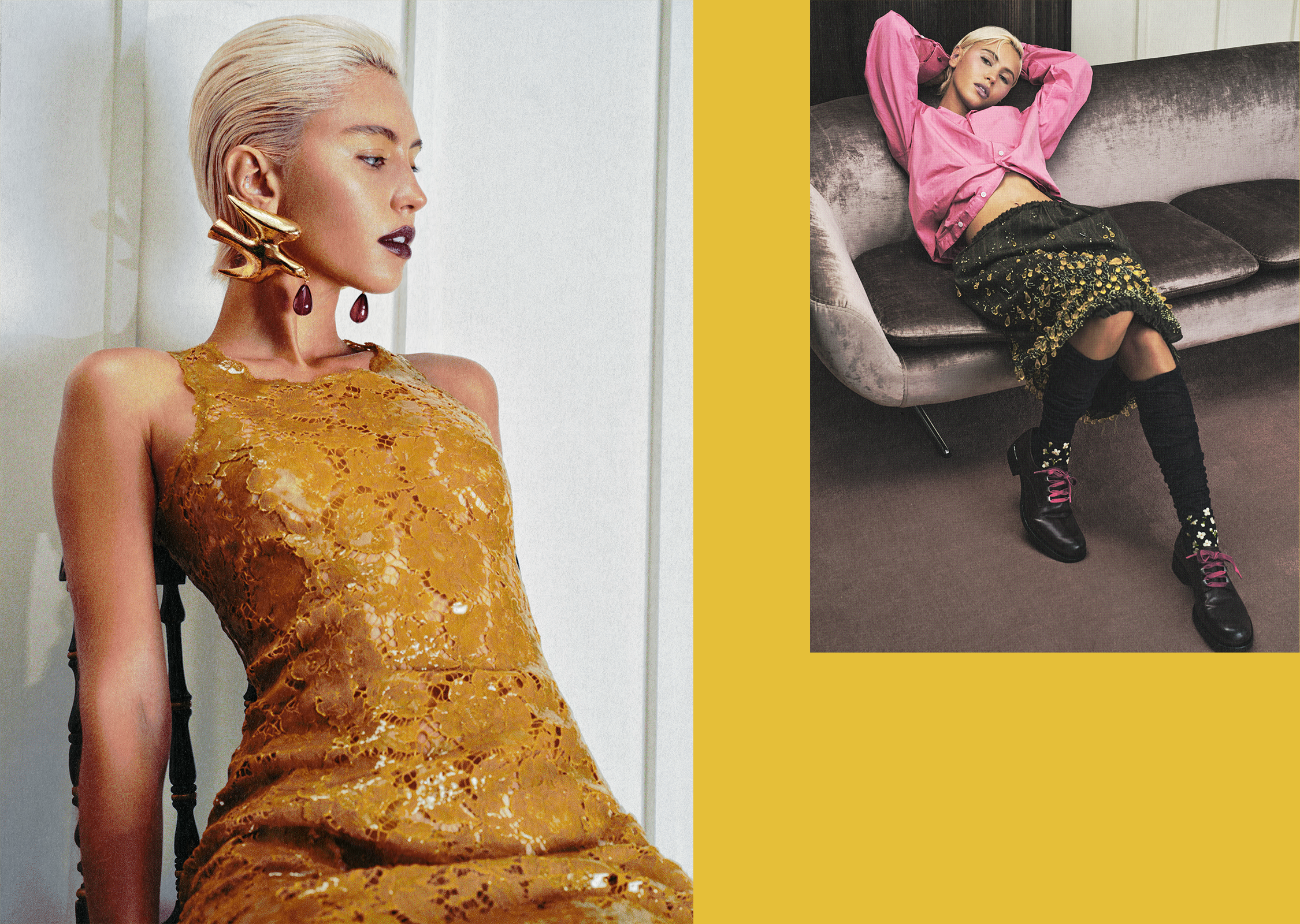
A recent viral TikTok dissecting Law’s eclectic fashion sense struck a chord with millions. The video’s creator posited a simple truth: Law’s style is defined by the absence of a "through line." She doesn’t dress for the gaze of the algorithm or the approval of the trend cycle; she dresses for the immediate, visceral joy of the individual garment. It is this refusal to be neatly packaged that has cemented her status as the blueprint for the next generation of "It girls"—a cohort defined not by trends, but by autonomy.
A Career Built on Instinct and Industry Immersion
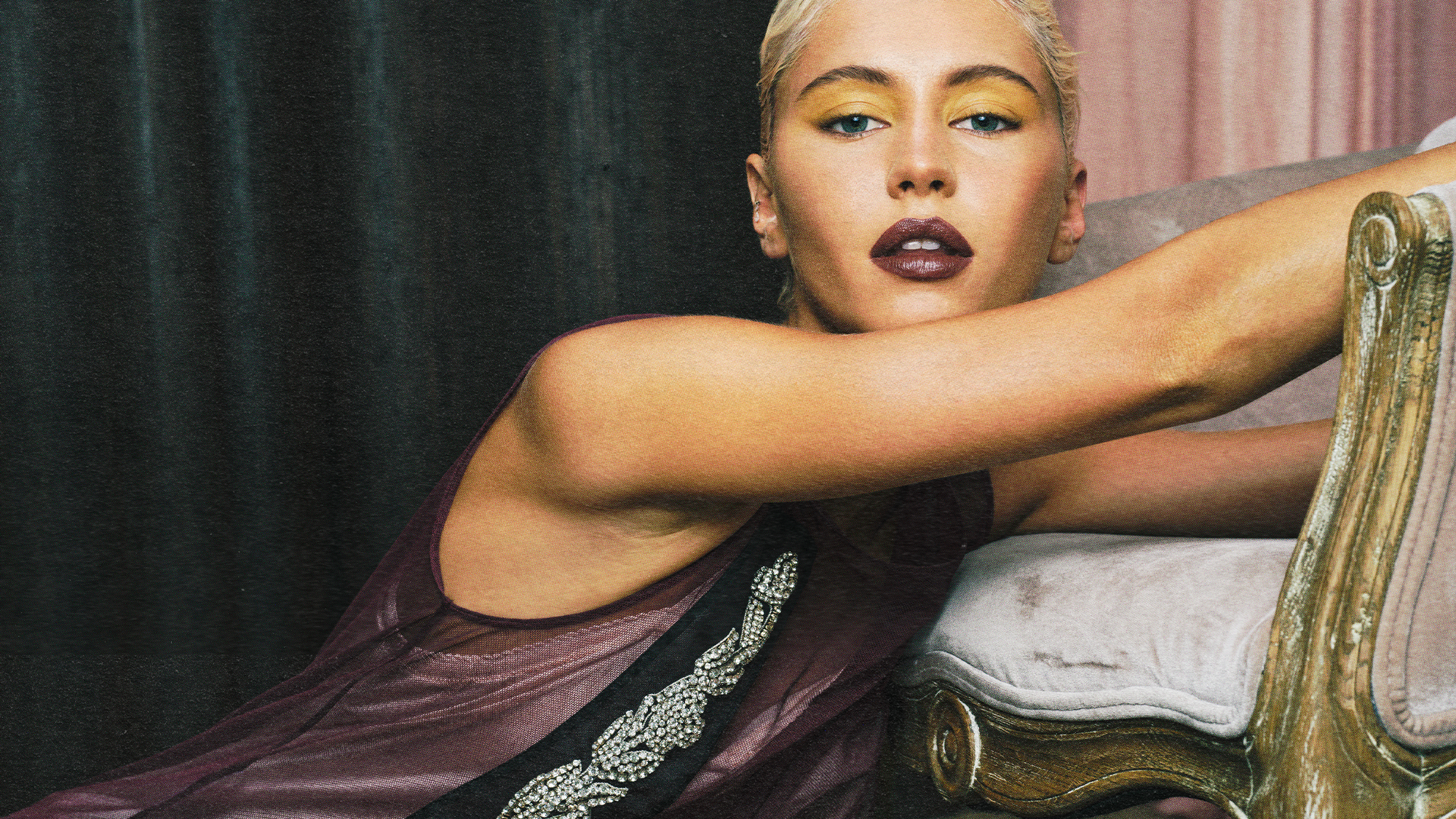
Iris Law’s trajectory is anything but accidental. While she occupies a space in the public consciousness that often invites scrutiny regarding pedigree, her ascent has been marked by a deliberate, almost academic approach to the fashion industry.
The Formative Years: A Fashion Education
Law’s entry into the professional modeling world began at 15. Her first major milestone—a Miu Miu campaign styled by the legendary Katie Grand—was not merely a gig; it was a masterclass in the industry she had been studying in school. "I remember the feeling of my heart racing," Law recalls. "I was so young, and she’s asking me, ‘Do you think this bag goes with this hat?’ and I’m thinking, ‘Whoa, I’m now part of something I was using as inspiration in my essays.’"

This early exposure to the mechanics of high fashion fostered a deep respect for the craft. Unlike many of her peers who treated modeling as a transitory stage, Law approached it as a student. She absorbed the nuances of styling, the weight of heritage brands, and the importance of professional collaboration, turning her early experiences into a self-designed degree in fashion history and production.
Expanding the Portfolio: The Birth of Little Sip
The transition from model to founder with the launch of Little Sip was a move years in the making. For Law, the brand is not a vanity project or a quick licensing deal. Her deep fascination with Japanese culture—which included a three-month residency in Japan to learn the language—provided the foundation for her tea company.
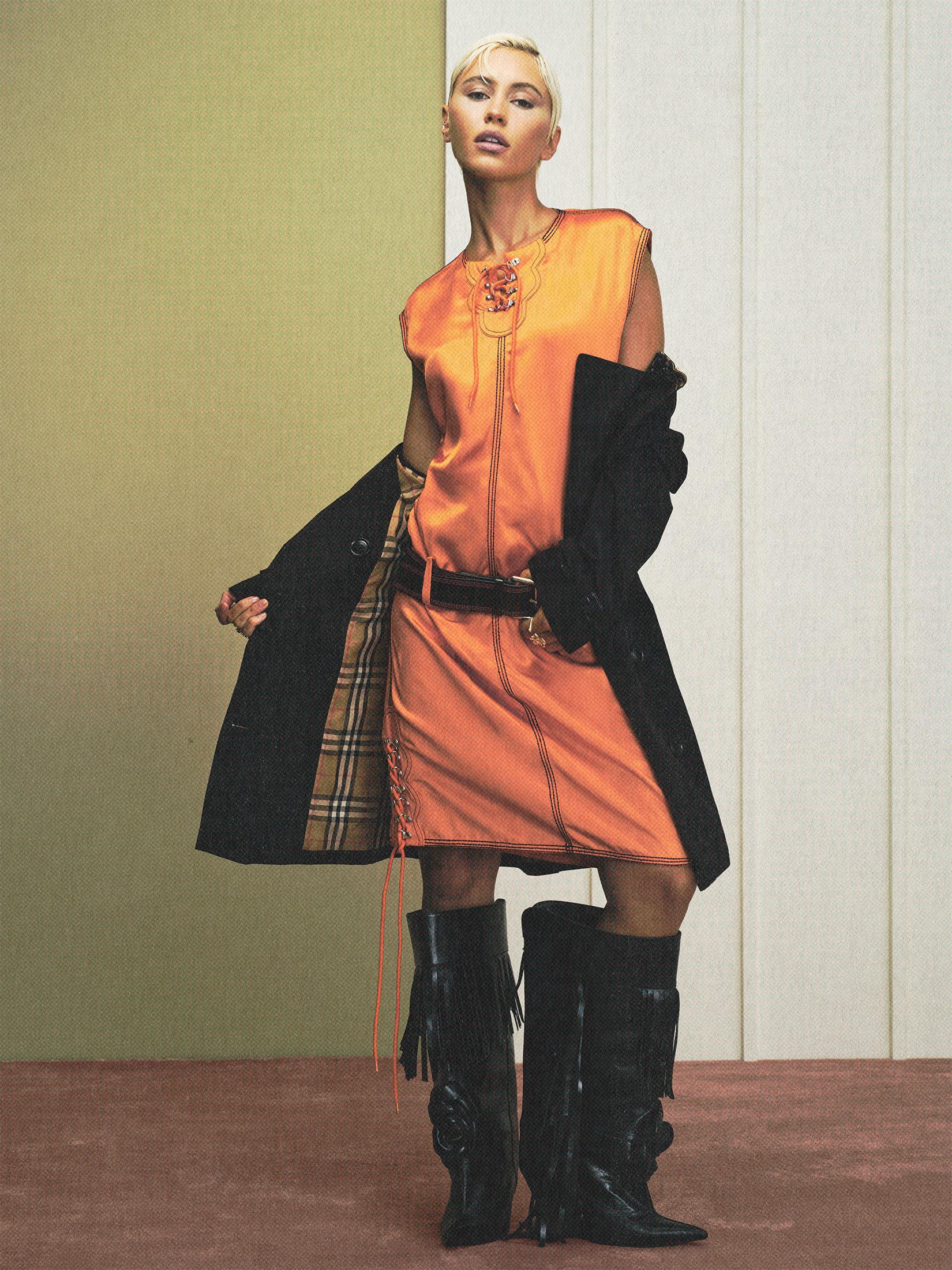
"The world of tea is one where people master the craft over hundreds of years," Law explains. "Why would I sell tea if I don’t know everything yet? What is my purpose in that?" Her commitment to authenticity meant delaying the launch until she felt her knowledge was "valid in the space." This meticulousness is her hallmark; she is a builder who prefers to understand the architecture of her business before putting her name on the door.
The Digital Paradox: Choosing Presence Over Performance
Despite having garnered nearly a million followers across various platforms, Law’s relationship with social media is undergoing a profound shift. Her decision to step back from TikTok, a platform where she once thrived, speaks to a broader cultural fatigue among her generation.
The Weight of Constant Visibility
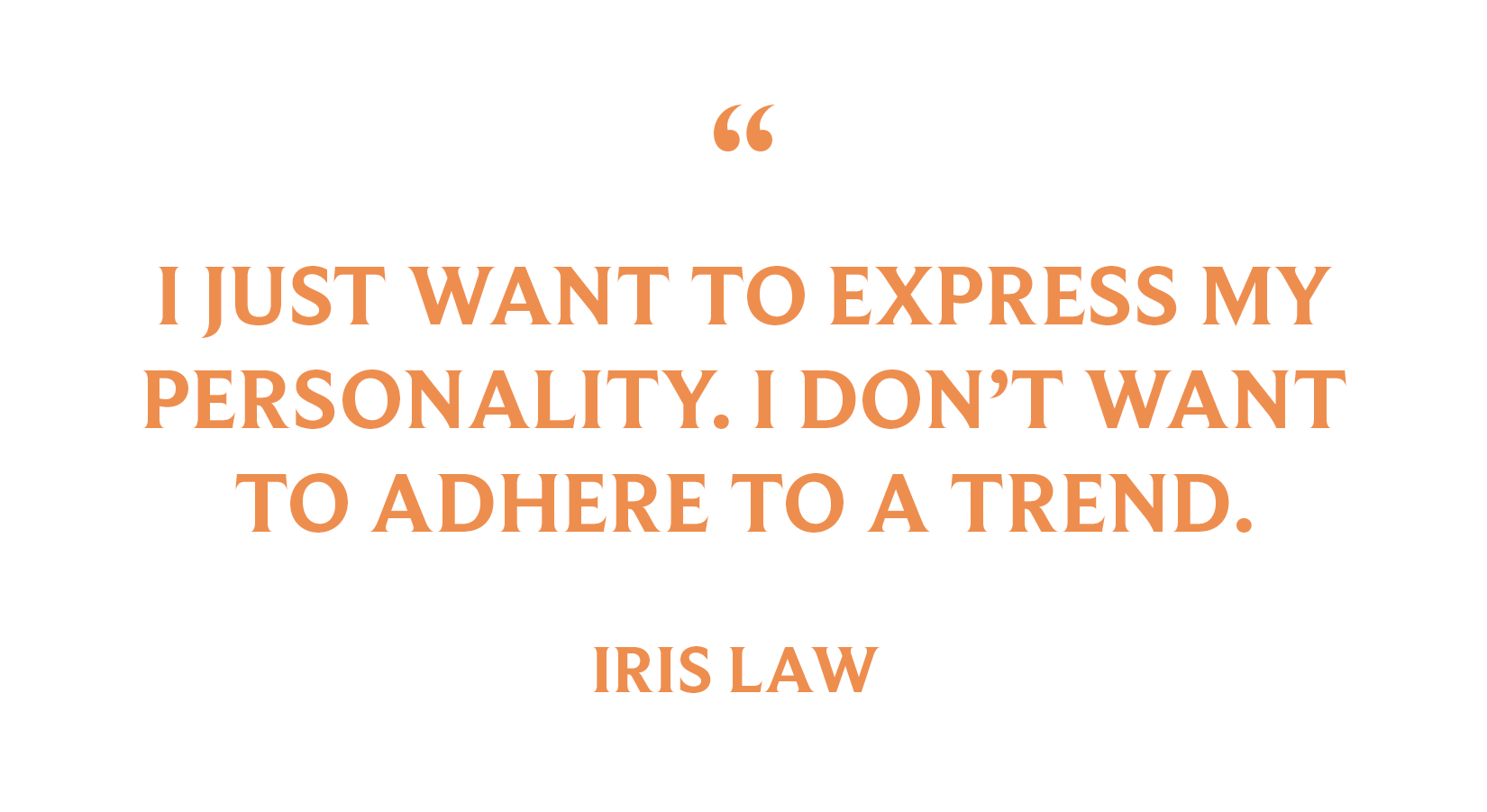
The pressure to be "everything to everyone" is an occupational hazard for the modern celebrity. Law notes that the expectation to perform a curated version of one’s life—balancing intellectual pursuits, professional endeavors, and mundane hobbies—is exhausting. "It’s very tiring to show that you study and you read and you also have fun and you also like snacks," she says. "I don’t want to put hours and hours of work into my phone to show every part of myself."
This decision is not a dramatic rejection of the internet, but rather a move toward personal preservation. By disconnecting from the near-parasocial dynamics of digital engagement, she is reclaiming her narrative. Her friends, she notes, are largely offline, which helped her realize that the things she was "stressing over" on social media were not reflected in her tangible, real-world experiences.
The Next Act: A Pivot Toward Cinema
If fashion was her first chapter, storytelling is poised to be her second. Law is currently moving into the world of acting, though she approaches this transition with the same cautious, research-heavy methodology she applied to Little Sip.
The Research-First Methodology
When asked about her future, Law is reticent to make grand proclamations. She is in the thick of the "audition grind," participating in self-tapes and taking meetings. Yet, she describes this process with a sense of wonder. "My favorite part, even if I’m not getting the role, is doing the research behind the people," she says. She views the preparation—watching a director’s entire filmography or deep-diving into the history of a subject—as a form of "prescribed learning."
Perhaps most surprisingly, her current focus is on the horror genre. While she admits to being personally susceptible to fear, she is drawn to the creative boom currently occurring within the genre. "There are so many amazing directors now going into horror," she notes, viewing the genre as a fertile ground for character-driven narratives that challenge her range.
Implications: The New "It Girl" Blueprint
What does it mean to be an "It girl" in the year 2026? Historically, the title was tied to a fleeting aesthetic or a specific lifestyle. For Iris Law, the definition is being rewritten to prioritize substance, longevity, and intentionality.

The Shift Toward Disciplined Creativity
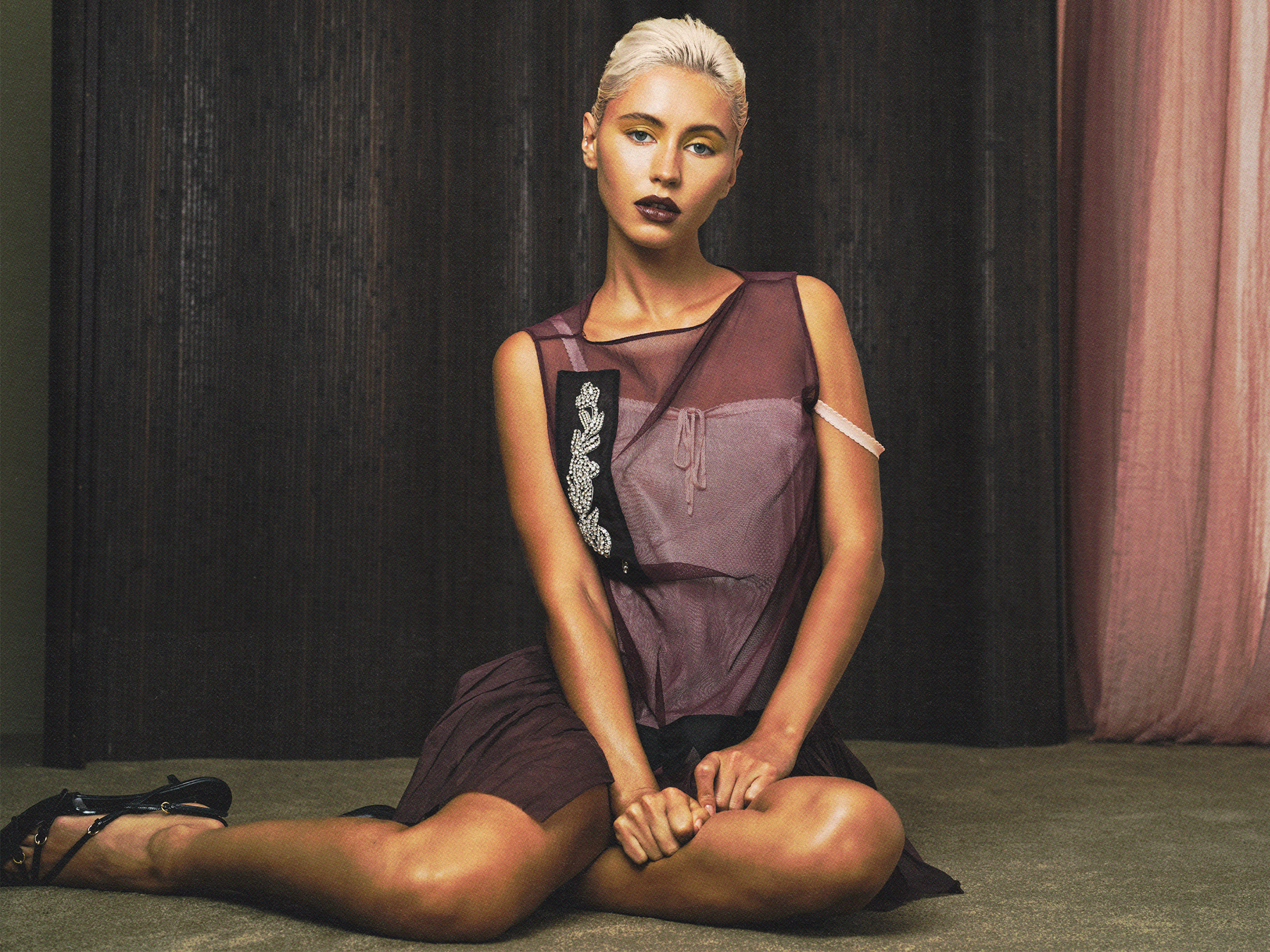
Law’s career is a testament to the power of the "slow build." In an industry that demands immediate gratification, her preference for patience is radical. She is not a face attached to a fleeting trend cycle; she is a multifaceted creator building a body of work.
Her influence is not measured in viral moments—though she has plenty—but in her ability to maintain a sense of self while navigating the machinery of fame. She is acutely aware of the privilege she holds, and rather than using it as a shortcut, she uses it as a platform for disciplined, curiosity-driven work.
Sustaining the Long Game
The implications of Law’s approach are clear: the next generation of stars will likely be defined by their ability to say "no." By refusing to sacrifice her comfort for fashion, by stepping back from platforms that drain her energy, and by only attaching her name to projects she has thoroughly studied, Law is setting a standard for professional autonomy.
As she looks toward the future, the roadmap remains intentionally fuzzy. She is working on new tea collections, refining her acting craft, and continuing to explore the intersection of her passions. She is not rushing to become the "next big thing" because she is already busy being herself.
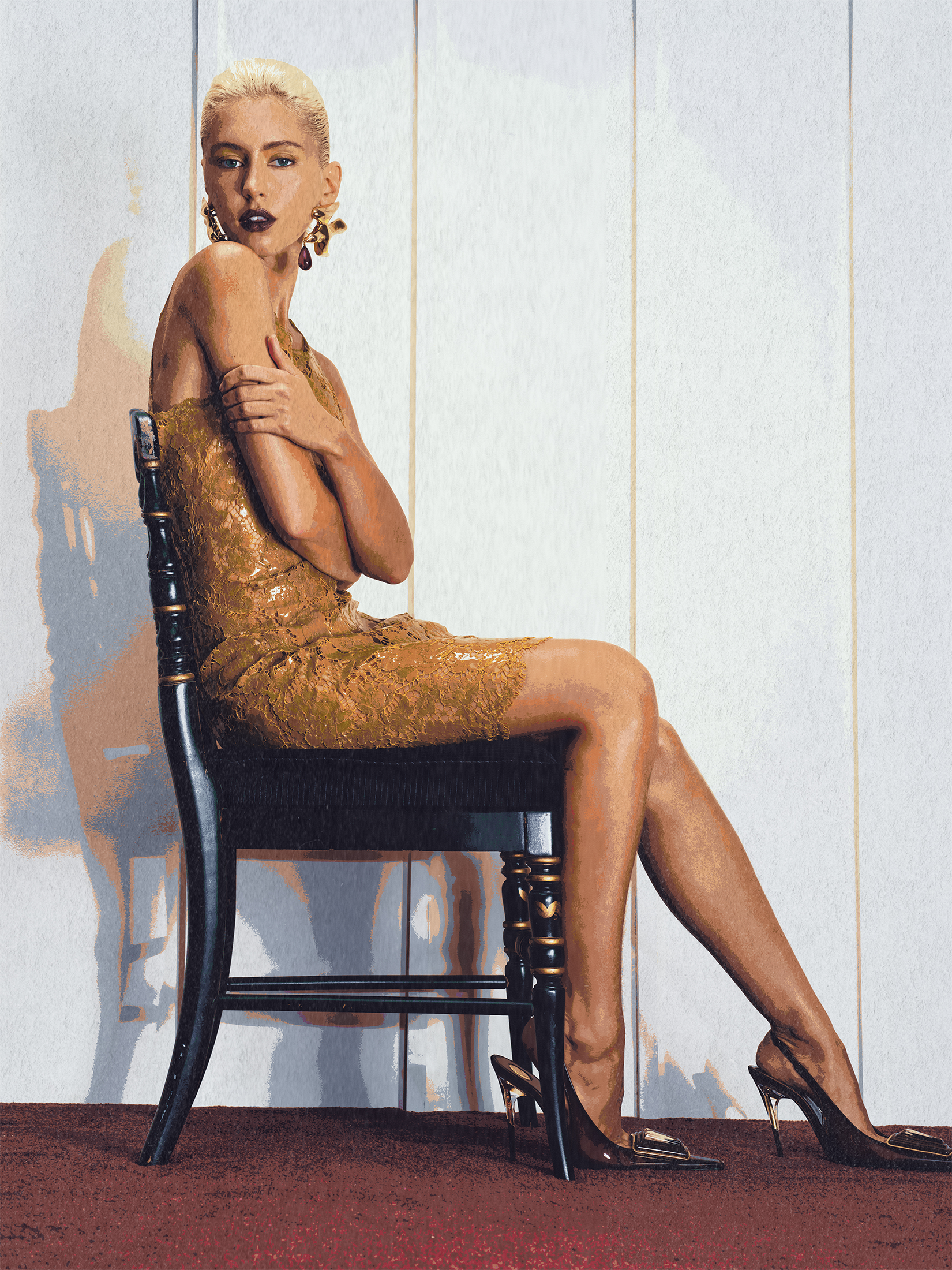
In a world that demands a constant, loud, and hyper-exposed presence, Iris Law’s quiet, calculated, and deeply personal evolution is not just a breath of fresh air—it is a masterclass in how to stay relevant in a rapidly changing world. By betting on the "slow build," she has proven that the most powerful thing an artist can do is remain, at all costs, their own project.
