

The boundary between the athletic track and the fashion runway has never been more porous. As we approach the Fall 2026 season, the sneaker—once a strictly utilitarian tool for performance—has solidified its position as the ultimate sartorial staple. This shift represents more than a mere change in footwear preference; it reflects a broader cultural pivot toward "lifestyle-optimized" dressing, where the technical prowess of a marathon shoe meets the aesthetic demands of high fashion.
Today, the most coveted silhouettes are not necessarily the most futuristic, but rather those that look back. From the streamlined profiles of the 1970s to the chunky, metallic "silver runners" of the early 2000s, the footwear industry is currently in the midst of a massive archival revival.
Main Facts: The Intersection of Heritage and High-Tech
The contemporary footwear market is increasingly driven by a phenomenon known as "archival storytelling." Consumers are no longer just looking for comfort; they are looking for a lineage. According to recent retail data, retro-inspired models now account for a significant portion of the global sneaker market, which is projected to exceed $100 billion by the end of the decade.

The core appeal of the Fall 2026 "Retro Runner" lies in its duality. These shoes utilize "period-accurate" aesthetics—such as distressed suedes, open-cell mesh, and vintage color palettes—while hiding modern podiatric technology within their midsoles. Features like carbon fiber plates, nitrogen-infused foams, and advanced energy-return systems are now being integrated into shoes that look like they were pulled from a 1982 catalog.
The challenge for brands and consumers alike remains the same: finding the perfect equilibrium between form and function. A shoe must be attractive enough for a front-row seat at Fashion Week, yet supportive enough for a twelve-hour day on the city pavement.
Chronology: The Evolution of the Sneaker as a Cultural Icon
To understand the current dominance of retro runners, one must trace the timeline of the sneaker’s ascent from the locker room to the red carpet.

The 1950s: The Birth of Leisure
The 1950s marked the first major shift in sneaker culture. As school dress codes began to relax and the American middle class embraced a growing appetite for leisure, rubber-soled shoes began to migrate from the gym to the street. Hollywood played a pivotal role in this transformation. In 1952, Marilyn Monroe famously signaled the arrival of "off-duty" chic when she was photographed wearing canvas Keds on the set of Clash by Night. Three years later, James Dean’s choice of Jack Purcell tennis shoes on the set of Giant cemented the sneaker as a symbol of youthful rebellion and effortless style.
The 1970s: The Jogging Boom
The 1970s introduced the "jogging craze," led by figures like Jim Fixx. This era gave birth to the streamlined, low-profile silhouettes that define brands like Brooks and New Balance today. During this decade, the visual identity of the running shoe was established: the "waffle" sole, the nylon upper, and the vibrant primary colors.
The 1990s and Early 2000s: The Tech-Futurism Era
By the late 90s, the aesthetic shifted toward maximalism. The introduction of visible cushioning units—like Asics’ GEL and Nike’s Air—led to a design language defined by metallic overlays, translucent cages, and aggressive, sculptural midsoles. This "Y2K" aesthetic is currently seeing its most significant resurgence in twenty years, driving the popularity of "dad shoes" and technical trail runners.

Supporting Data: Market Dynamics and Consumer Behavior
The demand for retro-inspired footwear is backed by strong economic indicators. Industry reports suggest that the "Sport-Style" footwear segment has outpaced traditional performance running gear in year-over-year growth.
- Resale Value: Models that bridge the gap between heritage and collaboration (such as New Balance’s "Made in" series) maintain up to 80% of their retail value on the secondary market, indicating high long-term desirability.
- Consumer Shift: A survey of luxury consumers found that 65% of respondents now consider a "high-end sneaker" to be an acceptable substitute for traditional loafers or dress shoes in business-casual environments.
- The Comfort Mandate: Post-pandemic consumer habits have prioritized "all-day wearability." This has benefited brands like Hoka and Salomon, which have seen triple-digit growth in lifestyle-category sales by marketing their orthopedic benefits as a fashion asset.
The Curated Selection: Leading Models for Fall 2026
To navigate this saturated market, we have identified seven standout selections that represent the pinnacle of the retro-modern hybrid.
1. New Balance Made in UK 991v2 Vintage Sports Shoe
New Balance continues to set the standard for craftsmanship with its Flimby-made silhouettes. The 991v2 "Vintage Sports" model draws inspiration from classic tennis club attire. By combining burnt-orange suede with breathable, textural mesh, the shoe offers a sophisticated, retro-coded look. Underneath the heritage exterior lies a full-length FuelCell midsole, providing the same impact protection found in modern racing flats.

2. Salomon XT-Whisper
While Salomon is rooted in alpine sports, the XT-Whisper proves that the 2010s are officially "retro." This model replicates the layered, mixed-media upper and wavy detailing that defined the early digital age. It features EnergyCell cushioning and deep, multidirectional lugs, making it as capable on a trail as it is on a metropolitan street.
3. Hoka Huaka Pro
The Huaka Pro is a masterclass in Y2K sensibility. With vivid graphics, a painted midsole, and a translucent cage, it taps into the "retro-futurism" trend. Originally designed as a "gravel-to-road" trainer, it retains a lightweight construction and a durable rubber outsole engineered for urban traction.
4. Brooks Vanguard
A direct nod to 1976, the Vanguard is for the purist. It preserves the classic T-toe and chevron branding of the 70s jogging boom but replaces the hard rubbers of the past with a modern DNA Loft midsole. It is the quintessential "everyday" sneaker for those who prefer a slim, non-bulky profile.

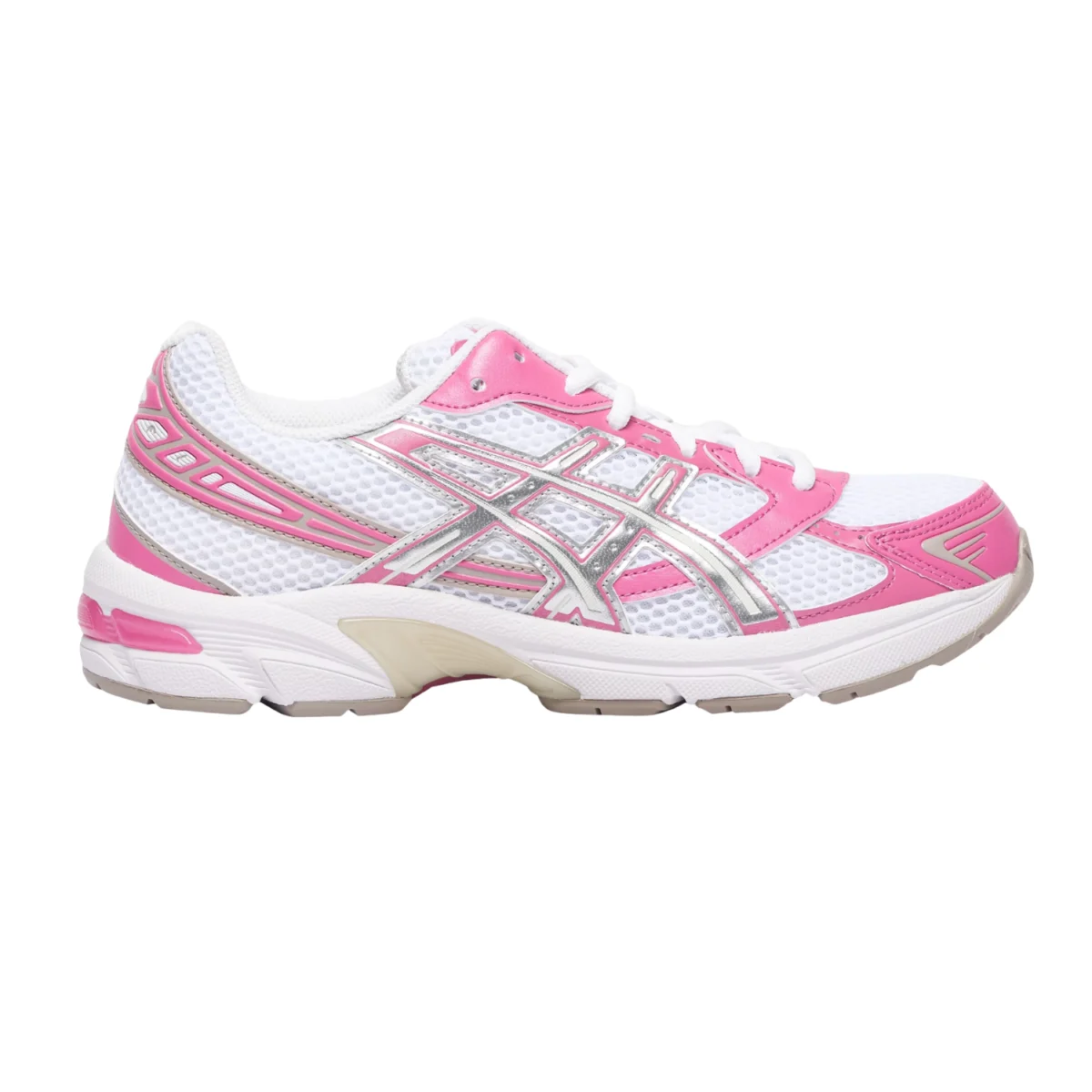
5. Asics Gel-1130
The Gel-1130 is the definitive "tech runner" of the early aughts. Its mesh-heavy construction and synthetic overlays evoke the trainers of the early 2000s. However, the inclusion of Heel GEL technology and the Trusstic support system ensures that the shoe provides genuine stability for overpronators.
6. Nike V5 RNR
Nike’s V5 RNR captures the unapologetic energy of the millennium. Featuring metallic touches and a dimensional Swoosh, the shoe focuses on ankle support through a plush, padded collar. Its thermoregulating mesh makes it an ideal choice for the transitional weather of fall.
7. New Balance 530
The 530 has become a viral sensation for its "dad shoe" aesthetic. It is highly regarded for its wide toe box and Abzorb cushioning. Its ability to transition from a workout onesie to a formal faux-fur coat has made it a favorite among fashion editors and travel enthusiasts alike.

Industry Perspectives: The Brand Strategy of "New Nostalgia"
Leading executives in the footwear industry have noted that the success of these models is due to a strategic "mining of the archives." By re-releasing older silhouettes with upgraded materials, brands can capture two demographics: the older consumer who remembers the original release, and the Gen Z consumer who views the aesthetic as "new" and "authentic."
"We are seeing a move away from the ‘disposable’ sneaker," says one industry analyst. "Consumers in 2026 are looking for shoes that feel permanent. A retro runner from New Balance or Asics feels like it has a history, which gives it a perceived value that a purely trendy, fast-fashion shoe lacks."
Furthermore, brands are increasingly using these retro models to pilot sustainability initiatives. Many of the Fall 2026 releases feature recycled polyester mesh and bio-based foams, proving that a vintage look can coexist with a forward-thinking environmental footprint.

Implications: The Future of the Footwear Aesthetic
The continued dominance of the retro runner suggests that the "sneakerization" of the global wardrobe is not a passing trend, but a permanent restructuring of how we dress. As the workplace continues to evolve toward flexibility, the demand for footwear that can "do it all" will only increase.
Looking ahead, we can expect the "retro" window to continue moving forward. While the 70s and 2000s are currently the focal points, design teams are already looking toward the minimalist "tech-wear" of the 2010s for future inspiration. For Fall 2026, however, the message is clear: the best way to move forward is to take a well-cushioned step back into the past.
Whether you are navigating a marathon or a morning commute, these seven selections offer a guarantee of comfort without the sacrifice of style. In the modern fashion equation, the retro runner isn’t just a shoe—it’s a lifestyle.
