

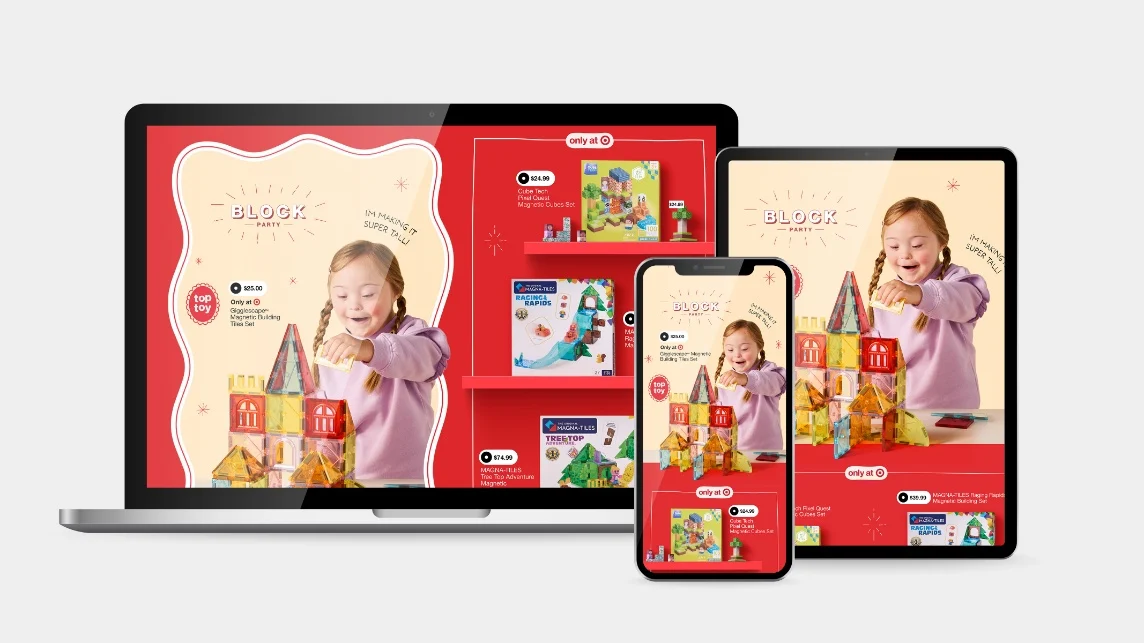
Minneapolis, MN – October 5, 2026 – As the crisp autumn air signals the imminent arrival of the holiday season, retail giant Target has officially launched its ambitious counter-offensive in the annual battle for festive consumer spending. On Monday, the company unveiled its groundbreaking interactive Holiday Kids Catalog, a digital-first experience designed to captivate young shoppers and streamline gift-giving for parents. This innovative approach, available across Target.com and the retailer’s mobile app, features nearly 500 toys, games, and gifts presented in vibrant, engaging contexts that transcend the traditional product grid.
The meticulously crafted catalog functions less like a static product listing and more as a dynamic shoppable content platform. Target has infused the experience with rich video content, including detailed toy demonstrations and candid video reviews, allowing consumers to virtually interact with products before making a purchase. This immersive approach aims to foster a sense of discovery and excitement, mirroring the joy of unwrapping presents.
A cornerstone of this year’s strategy is the introduction of advanced wish list functionality. Shoppers can curate personalized wish lists, which can be easily shared with family members and potential gift-givers. Further bridging the gap between the physical and digital realms, Target has introduced a revolutionary list scanner feature. Families can now scan handwritten wish lists, whether generated from the printed catalog or drafted by eager children, directly into the Target app, instantly converting them into digital, shoppable lists. This seamless integration is designed to eliminate the common frustrations associated with holiday gift planning.
Cassandra Jones, Senior Vice President of Fun101 at Target, emphasized the catalog’s user-centric design: "This year’s digital experience helps families discover toys together, create and share wish lists, and find gifts they’ll be excited about all season long." The sentiment underscores Target’s commitment to making the holiday shopping journey not just efficient, but also enjoyable and collaborative.
This strategic move by Target positions it as a formidable player in the evolving landscape of e-commerce, particularly in the competitive children’s toy market. The retailer currently holds the No. 5 spot in Digital Commerce 360’s prestigious Top 1000 Database, a ranking of North America’s largest online retailers by annual e-commerce sales. Furthermore, Target demonstrates its growing technological prowess by securing the No. 54 position in Digital Commerce 360’s AI Commerce Rankings, indicating a significant investment in leveraging artificial intelligence to enhance the customer experience.
A New Era of Digital Discovery: Inside Target’s Interactive Catalog
Target’s new Holiday Kids Catalog represents a significant departure from conventional retail offerings. By prioritizing interactive content and seamless user journeys, the retailer aims to redefine how families engage with holiday shopping.
Key Features of the Enhanced Digital Catalog:
- Shoppable Content Platform: Moving beyond simple product grids, the catalog acts as a dynamic hub for discovery. Users can immerse themselves in video demonstrations and reviews, gaining a comprehensive understanding of each toy.
- Integrated Wish Lists: The ability to create, manage, and share wish lists directly within the platform simplifies the gift-giving process for both recipients and givers.
- Handwritten to Digital Conversion: The innovative list scanner feature allows for the digitization of physical wish lists, ensuring no child’s desired gift is overlooked.
- QR Code Integration: Each page of the physical catalog is embedded with a unique QR code, providing an instant link to the corresponding digital page, facilitating a fluid transition between print and online browsing.
- Vast Toy Selection: The catalog showcases an extensive collection of nearly 500 toys, games, and gifts, catering to a wide range of ages and interests.
This holistic approach to the digital catalog is designed to foster a more engaging and personalized shopping experience, encouraging repeat visits and deeper customer interaction throughout the crucial holiday period.
The Gloves Come Off: Target vs. Amazon in the Holiday Toy Arena
The timing of Target’s catalog launch is far from coincidental. On the very same day, October 5th, Amazon, the undisputed titan of e-commerce, also unveiled its highly anticipated ninth annual Holiday Kids Gift Book. This immediate juxtaposition highlights the intensifying rivalry between the two retail giants, especially in the lucrative children’s market.
Amazon’s offering, featuring over 600 toys and gifts, also boasts an original illustrated story and interactive family activity pages. However, its primary differentiator lies in its deep integration with Amazon’s Alexa ecosystem. Through a partnership with Readyland, Amazon’s book unlocks a choose-your-own-adventure audio experience, allowing children to interact with the book’s "Forest Friends" characters via any Alexa-enabled device.
Furthermore, Amazon leverages its advanced AI shopping tools and in-house toy experts to curate a selection of top toys. The "Alexa for Shopping" feature empowers parents to make voice requests, such as "holiday gifts for my 10-year-old daughter," and receive personalized recommendations based on detailed follow-up questions about the child’s interests and hobbies. Amazon’s "Lens" technology also allows shoppers to scan products seen in person or on social media and instantly find them on Amazon.
While Target is focusing on a rich, app-native experience with social sharing and creator content, Amazon is leaning heavily into its voice assistant technology and AI-powered personalization. This strategic divergence underscores the varied pathways retailers are pursuing to capture the attention and wallets of holiday shoppers. Amazon, a consistent No. 1 in the Top 1000 database, continues to set the benchmark for online retail innovation.
Target’s E-commerce Momentum: A Foundation for Holiday Success
Target’s aggressive push into the digital holiday space is underpinned by a strong performance in its recent fiscal quarters. The retailer’s online sales have demonstrated robust growth, indicating a sustained shift in consumer behavior towards digital channels.
In fiscal Q2 2026, Target’s online sales surged by 8.7% year over year, significantly outpacing its total comparable sales growth of 3.8%. This impressive online performance was further amplified by a remarkable 25% growth in same-day delivery services, with the company fulfilling approximately 30% more same- and next-day units compared to the previous year. This highlights Target’s investment in its fulfillment network and its ability to meet the growing demand for immediate gratification.
Overall, Target’s net sales for Q2 increased by a healthy 5.3% to $26.7 billion. While this figure was boosted by nearly $1 billion in tariff refunds, the underlying sales growth remains a testament to the company’s resilience and strategic execution.
Crucially for the upcoming holiday season, Target’s "Fun101" category, which encompasses toys, sporting goods, and entertainment, reported double-digit comparable sales growth in Q2. This category emerged as the strongest performer during the quarter, signaling a robust demand for the very products that will be central to the Holiday Kids Catalog. This strong momentum provides Target with a solid foundation to capitalize on the heightened consumer activity during the holidays.
Implications for the Retail Landscape
The intensified competition between Target and Amazon in the holiday toy market has significant implications for the broader retail landscape.
- Elevated Customer Expectations: Both retailers are raising the bar for what consumers expect from holiday shopping. The emphasis on interactive content, seamless wish list management, and personalized recommendations is likely to become the new standard. Retailers that fail to adapt may find themselves at a disadvantage.
- The Power of Omnichannel: Target’s strategy, blending a physical catalog with a sophisticated digital experience and leveraging its in-store fulfillment capabilities, reinforces the importance of a seamless omnichannel approach. Customers increasingly expect to move fluidly between online and offline channels.
- AI and Personalization as Key Drivers: Amazon’s continued investment in AI-powered shopping tools, and Target’s inclusion in AI commerce rankings, underscore the growing role of artificial intelligence in understanding and catering to individual consumer preferences. Retailers that effectively harness AI will be better positioned to offer personalized recommendations and curated experiences.
- The Importance of Engaging Content: The shift from static product listings to dynamic, content-rich experiences is a critical trend. Retailers need to invest in high-quality video, interactive features, and engaging storytelling to capture consumer attention in a crowded marketplace.
- Focus on the Family Unit: Both Target and Amazon are recognizing the importance of involving the entire family in the holiday shopping process. Features that facilitate shared wish lists and interactive experiences for children are designed to foster family engagement and drive purchasing decisions.
As the holiday season unfolds, the innovative strategies employed by Target and the continued dominance of Amazon will undoubtedly shape consumer behavior and set new benchmarks for retail excellence. The battle for festive shoppers is officially underway, and the coming months promise to be a dynamic and closely watched period in the world of e-commerce.
