

In an era where personal security and disaster preparedness are increasingly prioritized, the home safe has evolved from a simple metal lockbox into a sophisticated, multi-layered defensive tool. Whether you are looking to protect sensitive legal documents, irreplaceable family heirlooms, or liquid assets, selecting the right container is a critical decision. To help homeowners navigate this complex market, our team at BobVila.com conducted an extensive, hands-on evaluation of 10 leading home safes, subjecting them to rigorous real-world testing to determine which models truly stand up to the threats of fire, water, and theft.
Main Facts: The Anatomy of Security
A home safe is not merely a box; it is a specialized piece of hardware designed to withstand specific environmental and human-induced stresses. During our 18 hours of intensive testing, we analyzed build quality, wall thickness, locking mechanisms, and supplemental protective features.
The market is currently divided into three primary categories:
- Fire-Resistant Safes: Engineered with heavy insulation to protect contents from thermal damage and smoke.
- Burglary Safes: Constructed with reinforced steel, hardened hinges, and multi-bolt locking systems to thwart forced entry.
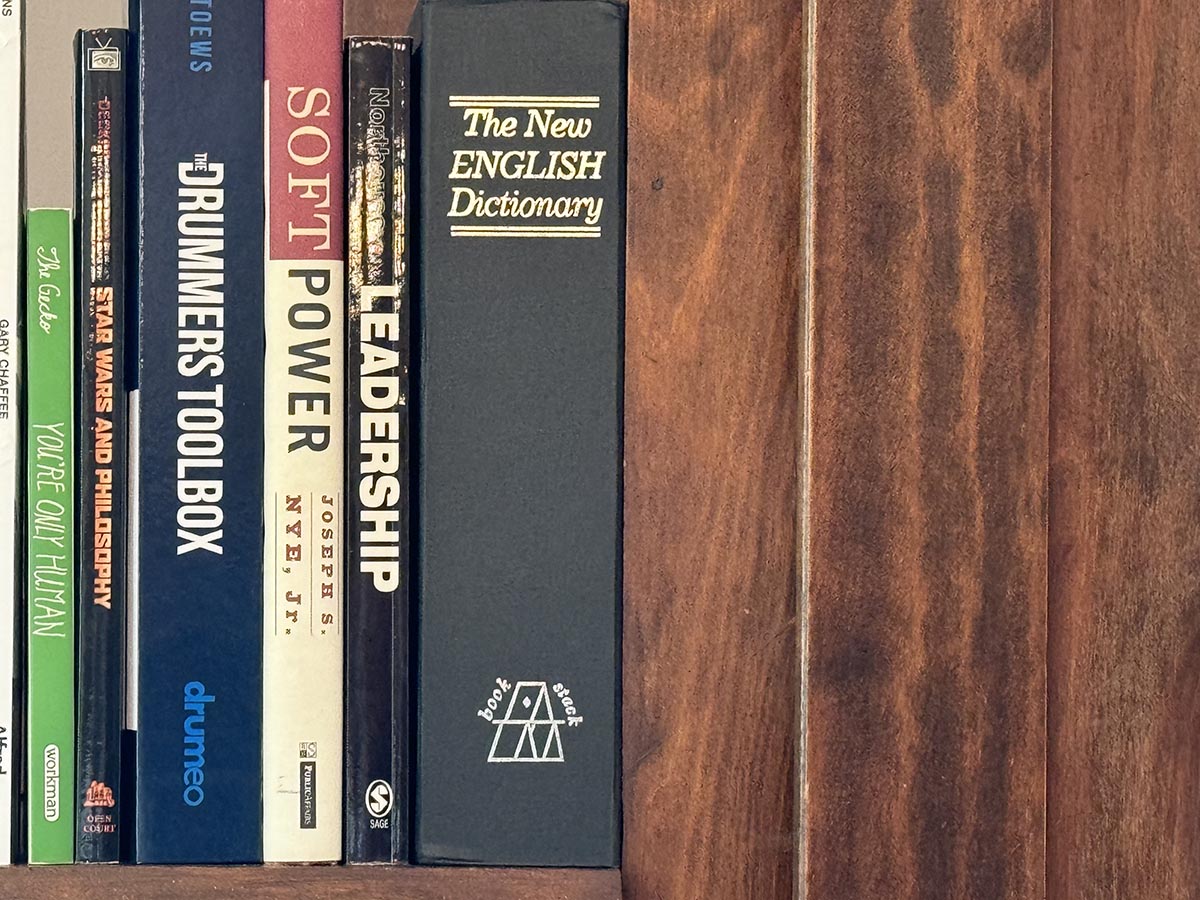
- Concealment Safes: Designed to blend into the home environment (e.g., wall safes or book safes) to minimize the likelihood of discovery.
Our testing revealed that "security" is a relative term. While some models provide excellent protection against opportunistic theft, they may offer zero defense against a sustained, professional attack or a natural disaster. Therefore, the "best" safe is always the one that aligns with your specific risk profile.
The Testing Chronology
Our testing protocol was standardized across all 10 units to ensure objective results. The process unfolded as follows:
- Phase I: Initial Inspection and Setup: We evaluated the ease of programming digital keypads, installing batteries, and mounting the units to floors or walls.
- Phase II: Durability Stress Test: We subjected each safe to controlled drops on concrete surfaces to measure structural integrity.
- Phase III: Security Breach Simulation: Our team employed common, publicly known bypass techniques to test the resilience of locking mechanisms.
- Phase IV: Water Resistance Trial: We placed a test roll of toilet paper inside each unit. Safes were first subjected to an overhead sprinkler test for 60 minutes. Those claiming true waterproofing were subsequently submerged in a bathtub for a minimum of one hour.
- Phase V: Performance Evaluation: Final scores were tallied based on ease of use, durability, water resistance, and overall value.
Supporting Data: Our Top Performers
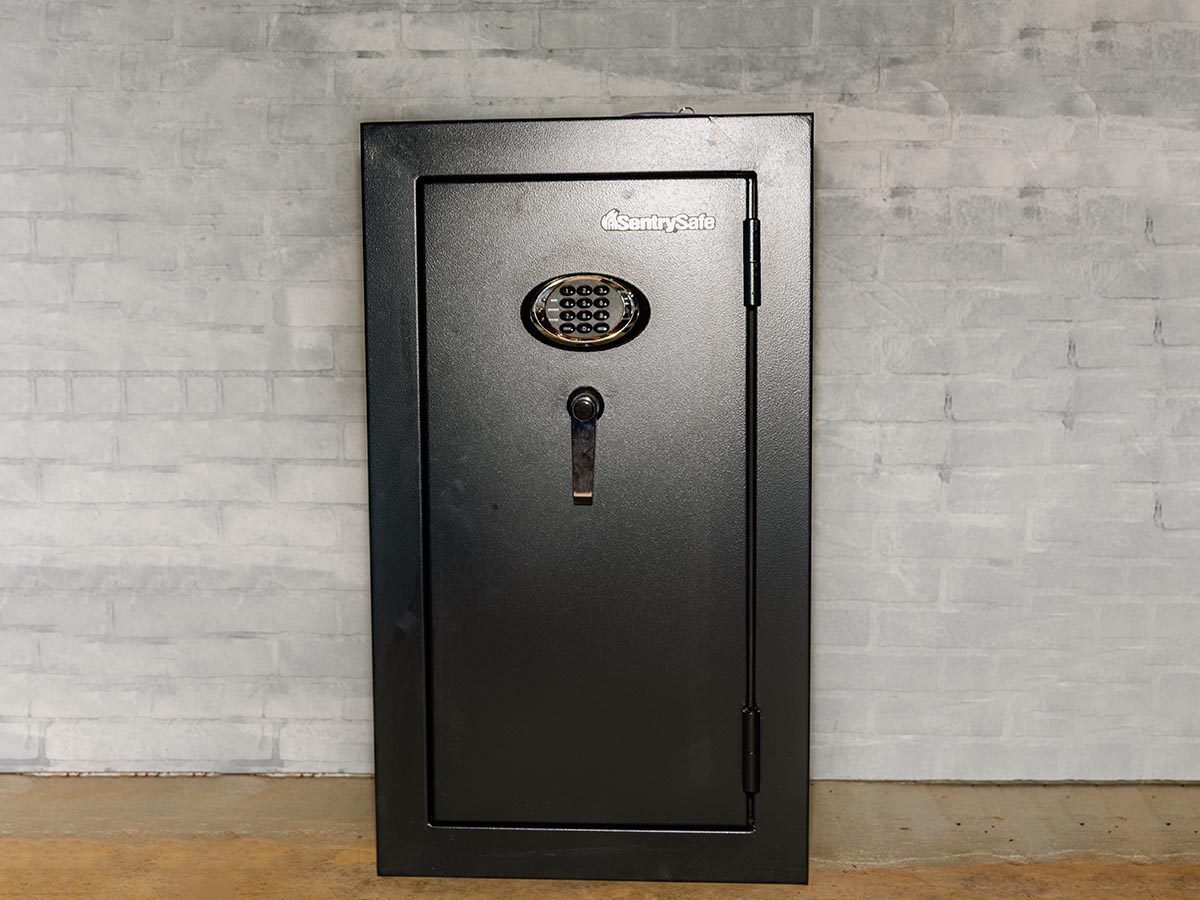
1. Best Overall: SentrySafe Digital Fire/Water Safe
The SentrySafe SFW123GDC stood out as the clear winner. With a perfect 5/5 in durability and security, it demonstrated why it remains the industry standard.
- Performance: It withstood 1,700-degree temperatures for an hour and maintained a bone-dry interior after a 24-hour submersion in 8 inches of water.
- Features: It includes a digital keypad, a reliable backup key, an internal light, and a locking drawer.
2. Best Bang for the Buck: Amazon Basics Electronic Safe
For those prioritizing cost-efficiency, this model provides excellent security for its price point. While it lacks water resistance, its carbon-steel construction is remarkably durable, even chipping concrete during our drop tests.
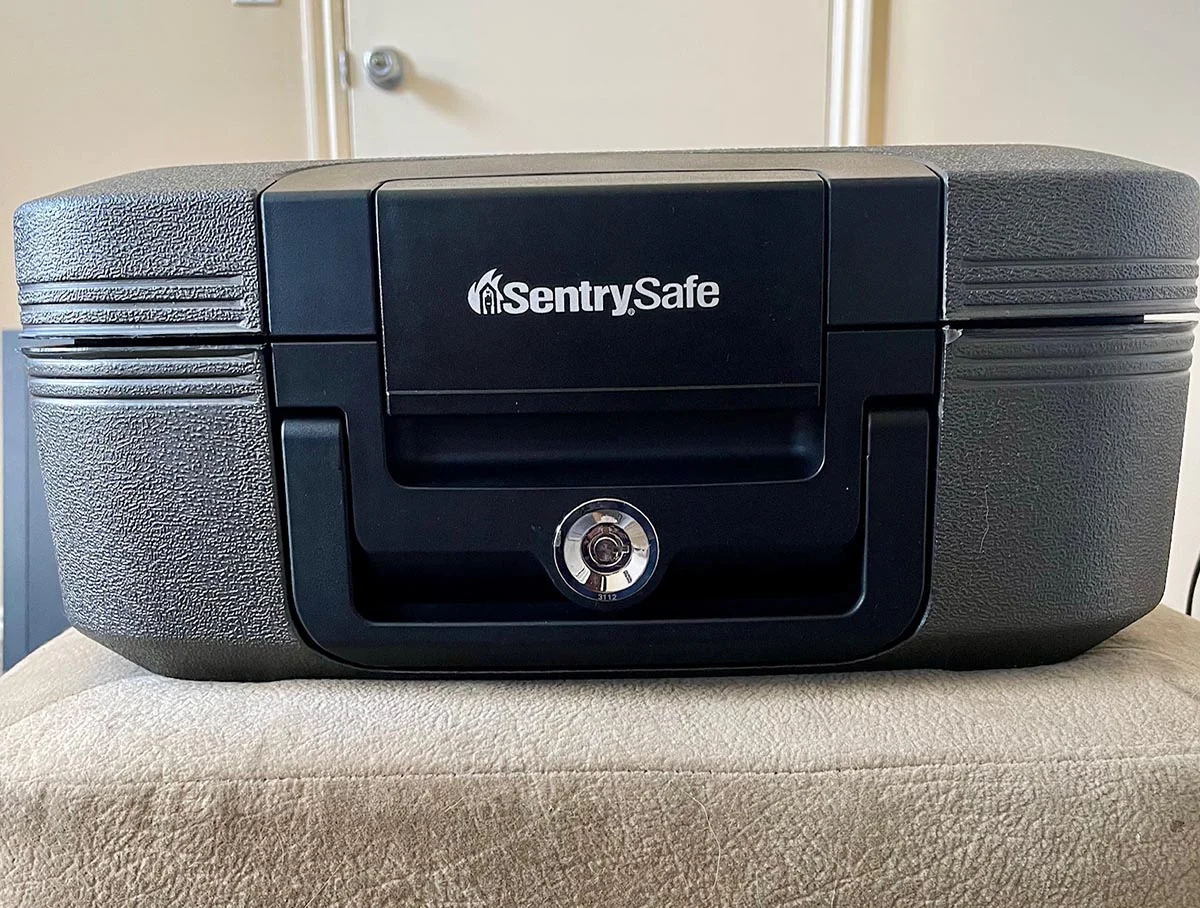
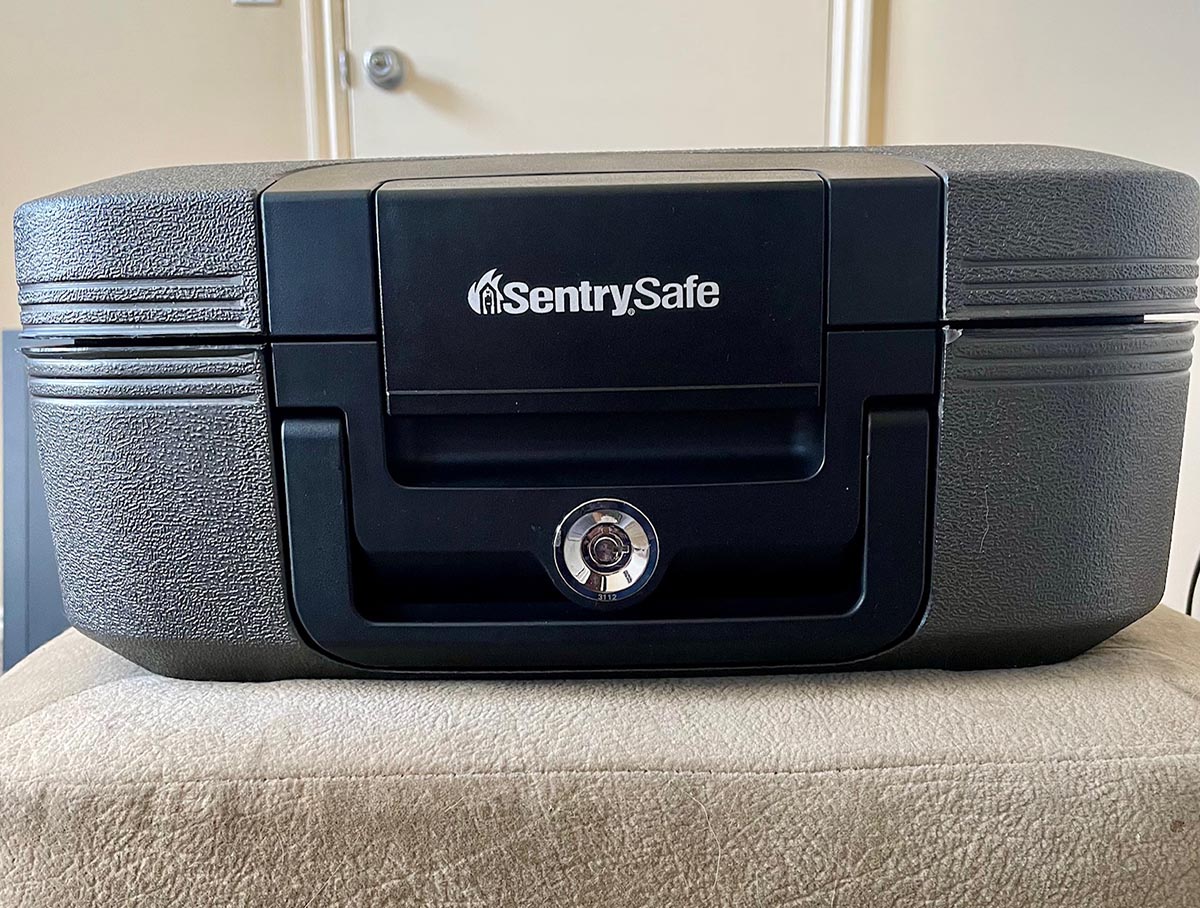
3. Best for Documents: SentrySafe CHW20221 Fire/Water Chest
If your primary concern is paper documents, this portable chest is superior. It offers a 72-hour waterproof rating and 30 minutes of fire protection, making it an essential "grab-and-go" item for emergency evacuations.
4. Best for Discretion: Paragon Lock & Safe Wall Safe
When security through obscurity is the goal, the Paragon wall safe is unmatched. Designed to fit between wall studs and hide behind artwork, it offers a sturdy steel barrier and an audible alarm system that triggers after three failed code entries.
Official Responses and Manufacturer Standards
It is important for consumers to understand the certification landscape. Organizations like Underwriters Laboratories (UL) and Electrical Testing Laboratories (ETL) provide the gold standard for ratings. When shopping, look for these specific certifications.
For instance, a "UL-classified" fire-resistant rating guarantees the safe has been tested against extreme temperature fluctuations. Conversely, manufacturers like SentrySafe often highlight "ETL verification," which provides specific data on water submersion endurance. Our findings suggest that manufacturers who prioritize these third-party validations consistently outperform those that rely solely on marketing claims.
Implications: Making the Right Choice
Choosing a safe is a long-term investment in your peace of mind. As our testing demonstrated, there is no "one-size-fits-all" solution. The implications of your choice are significant:
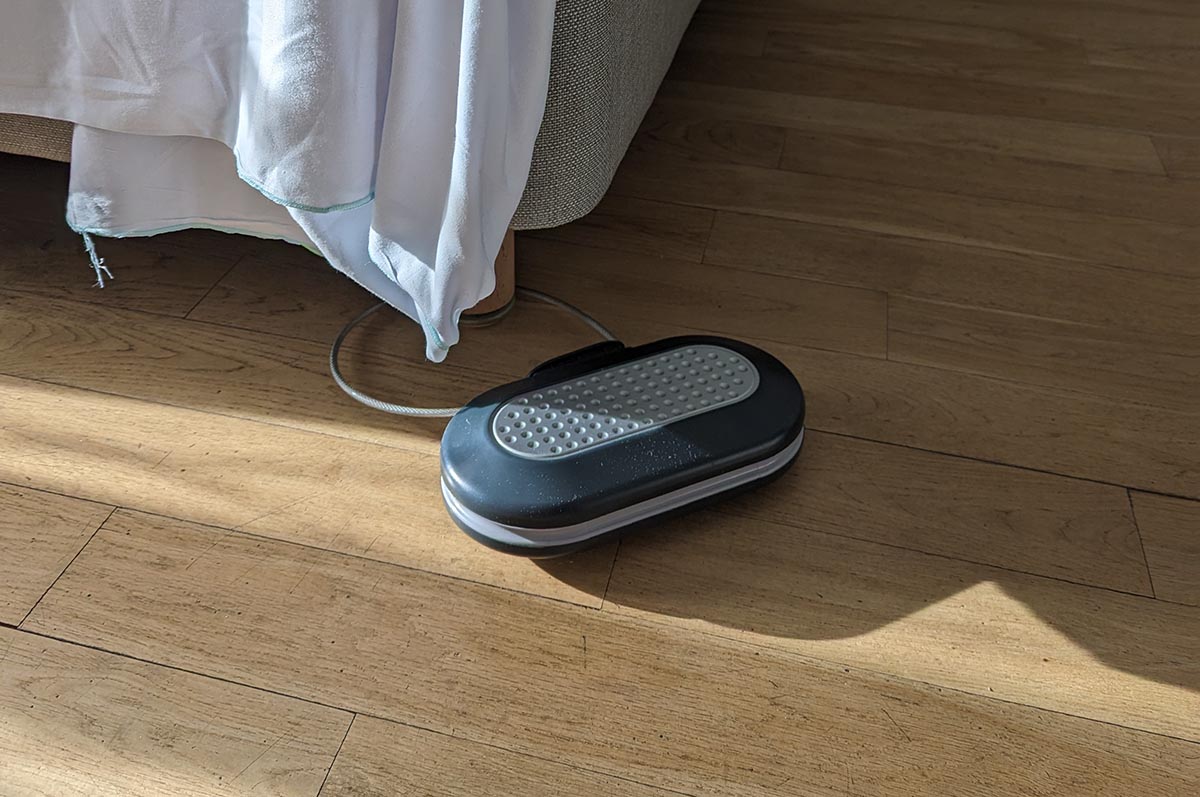
- For the Renter/Traveler: Portability is key. However, remember that portability is the inverse of security. A lightweight safe should always be bolted to a heavy piece of furniture or a permanent structure.
- For the Homeowner: A heavy, bolted-down floor safe is the superior choice for burglary prevention. The sheer weight acts as a deterrent; even if a thief manages to crack the lock, they cannot simply carry the safe out of the building.
- For the Disaster-Prone Region: If you live in a flood plain, a waterproof rating is non-negotiable. Our testing proved that many "water-resistant" safes are little more than splash-guards; if you need true protection, verify that the safe is rated for submersion.
Frequently Asked Questions (FAQs)
Q: What is the most secure home safe?
A: The SentrySafe SFW123GDC is widely considered the most balanced option, offering high-grade fire, water, and burglary protection in one package.
Q: Where is the best place to install a safe?
A: Ideally, a safe should be bolted to the floor in a discreet location, such as a master closet, a basement (provided it is not flood-prone), or behind a heavy piece of furniture. Avoid high-traffic areas where guests might notice it.
Q: Can I rely on a "book safe" for security?
A: Our testing found that book safes are excellent for concealment but poor for security. They are easily identified by anyone searching the premises and can be broken into with minimal effort. They should be used only for minor items and never for high-value assets.
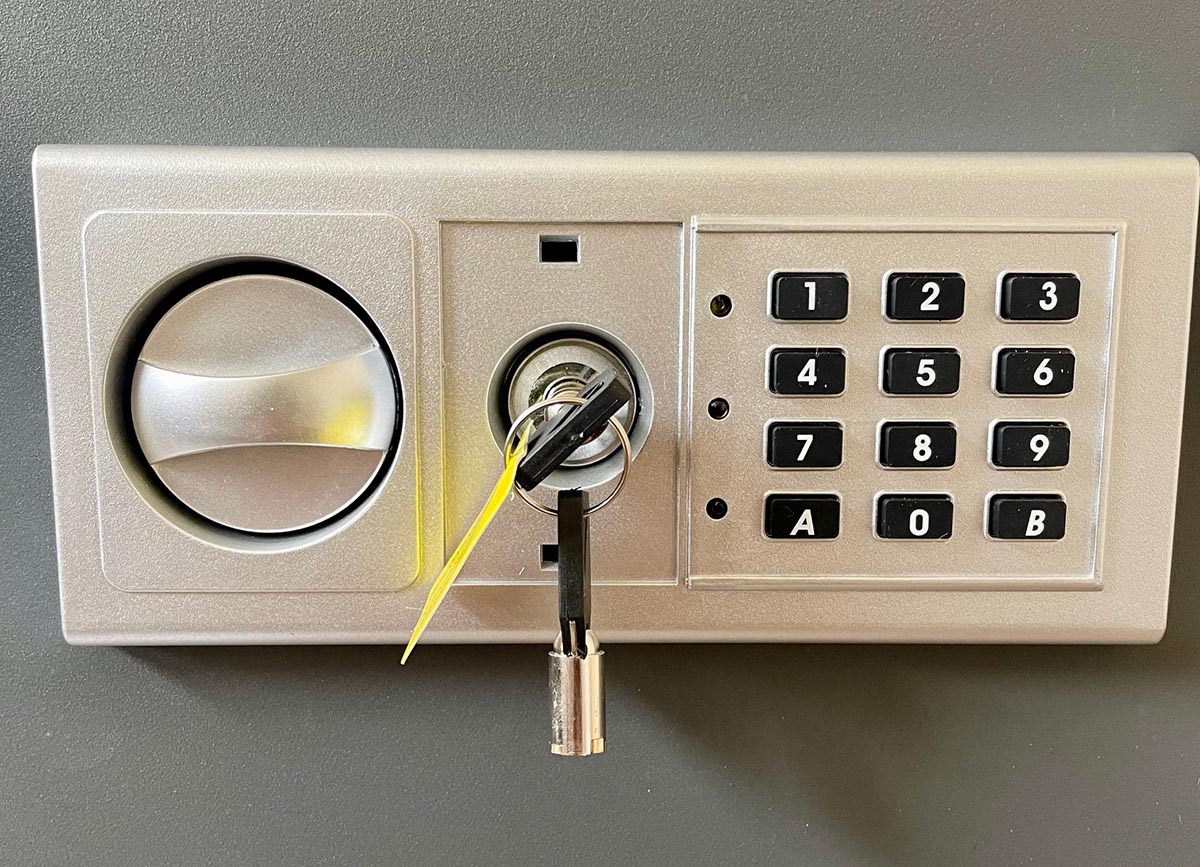
Q: What should I do if I lose my safe keys?
A: Contact the manufacturer immediately. Most reputable brands have a customer support process for verifying ownership and providing replacement keys or resetting codes. Never attempt to drill into the safe yourself, as this may trigger internal locking mechanisms or damage the fire-resistant seals.
Final Verdict
Ultimately, the value of a home safe is found in its ability to provide a "safety buffer" during a crisis. Whether it is a fire, a flood, or a burglary, having your most precious items secured buys you time and reduces the chaos of an emergency. We recommend prioritizing steel construction, verified fire/water ratings, and a bolt-down capability. By balancing these factors against your specific storage needs, you can ensure that your valuables remain protected for years to come.
Editor’s Note: This article was prepared with AI assistance and underwent thorough review by our editorial team to ensure accuracy and impartiality. All products were tested independently.
