

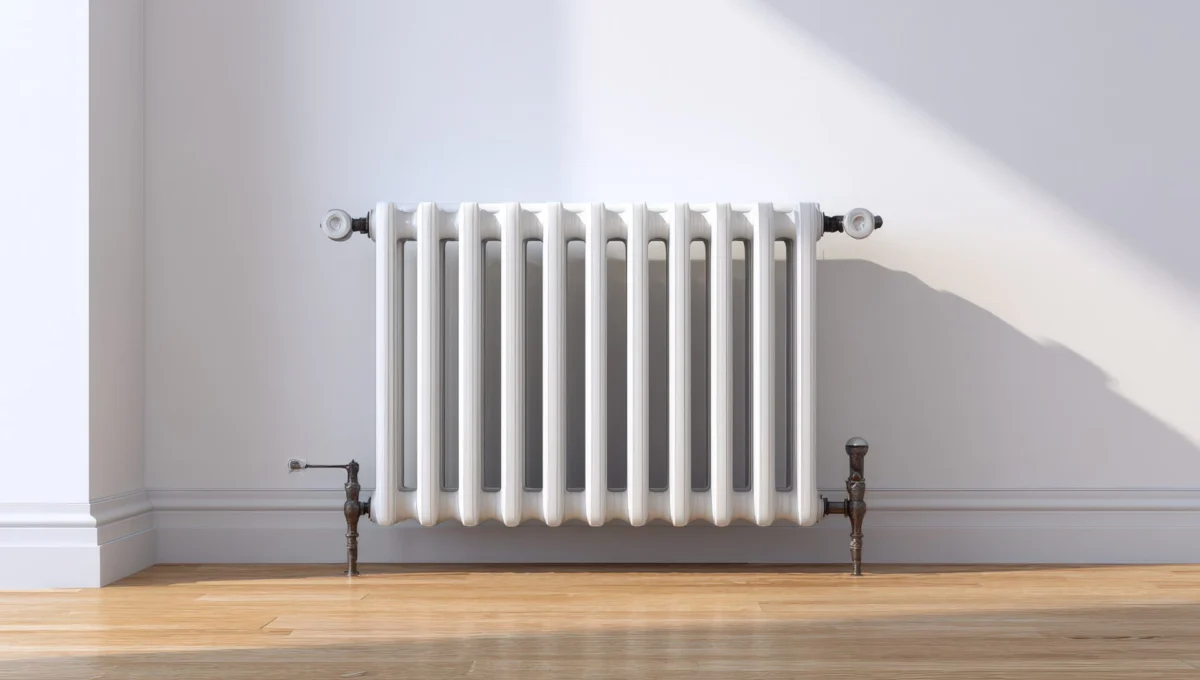
For homeowners navigating the complexities of residential climate control, baseboard radiators remain a stalwart, low-profile solution. They offer a distinct advantage in terms of zoning, quiet operation, and ease of maintenance, particularly in older homes lacking existing ductwork. However, understanding the financial commitment—ranging from $200 to $1,200 per unit—requires a deep dive into the nuances of system types, installation labor, and long-term operational efficiency.
The Core Facts: What You Need to Know
At its most fundamental level, baseboard heating is a method of distributing heat directly into a room through wall-mounted units. Unlike forced-air systems that rely on furnaces and sprawling networks of metal ducts, baseboard radiators are independent, localized heat sources.
When considering an upgrade or new installation, the primary decision lies between electric and hydronic systems. Electric units are generally the most affordable upfront, drawing electricity to heat internal coils, while hydronic systems utilize a boiler to circulate hot water or oil through pipes. The price disparity is significant: while an electric unit might cost as little as $50 to $130 before labor, a hydronic unit ranges from $180 to $320. When professional installation is factored in, the total cost per unit sits between $200 and $1,200, depending on the complexity of the home’s existing infrastructure.
A Brief Chronology of Heating Evolution
To understand why baseboard radiators are still a preferred choice for many, one must look at the evolution of home heating. In the mid-20th century, as residential construction boomed, architects moved away from central, bulky cast-iron radiators in favor of sleek, "low-profile" baseboard systems. These units could be easily tucked along the floorboards of bedrooms and living areas, maximizing usable wall space.
Over the last several decades, as central HVAC with ductwork became the industry standard for new construction, baseboard radiators evolved into a specialty market. Today, they are largely viewed as the premier choice for retrofitting older homes where the installation of bulky ducts would be structurally impossible or prohibitively expensive. This history of utility has created a niche market where longevity is prized over the rapid, dry heat often associated with forced-air furnaces.

Comparative Data: Breaking Down the Costs
Cost estimation for baseboard heating is not a "one-size-fits-all" equation. HVAC contractors typically calculate project estimates based on the following breakdown:
1. The Variable of System Type
- Electric Systems: Ideal for single-room additions or homes without a boiler. They rely on the home’s electrical panel. Installation is relatively quick, usually taking two to three hours.
- Hydronic Systems: These are the gold standard for whole-home comfort. They require a boiler and a closed-loop plumbing system. Because of the plumbing requirements, labor costs are higher, typically adding three to four hours of professional time per unit.
2. Labor and Infrastructure
Professional labor typically runs between $75 and $150 per hour. In older homes, the complexity increases. If a technician needs to pull new electrical circuits for electric heaters or run copper piping through tight floor joists for hydronic units, the labor hours—and therefore the total invoice—will climb.
3. Sizing for Efficiency
A critical factor in the final price is the length of the system. Baseboard units are measured in linear feet, and standard units typically range from 2 to 6 feet. The heating capacity is measured by the required BTUs (for hydronic) or watts (for electric) per square foot.
- The Math: A standard room requires roughly 10 watts per square foot for electric heat or 34 BTUs per square foot for hydronic heat. Oversizing a system is unnecessary, but undersizing it leads to constant, inefficient operation that will inevitably result in a "system burnout."
Official Perspectives: The Expert View
Mitch Rosa, owner of Hudson Valley HVAC in Orange County, New York, offers a pragmatic take on the enduring popularity of these systems. "People tend to ignore them, but baseboard radiators are one of the most effective ways to heat a home," says Rosa. "They don’t move dust like forced-air systems, and they offer true, room-by-room control."
However, Rosa cautions that homeowners must respect the mechanical requirements of the system. "Every home is like a body," he notes. "It needs to breathe. If you run undersized heating solutions, it’s like running with cotton in your nose. You’re going to be working harder and cause a heart attack to the system."

Regarding placement, Rosa emphasizes that maintenance is as much about homeowner habits as it is about mechanical service. "Keep your furniture at least 3 inches away from the radiators so the system can breathe," he advises. He also warns against placing boilers in utility rooms near laundry equipment, as lint buildup can cause significant, costly blockages in the intake systems.
Strategic Implications for Homeowners
Choosing between electric and hydronic isn’t just about the initial bill; it is about the "long game" of energy efficiency.
Why Hydronic Wins on Efficiency
Hydronic systems are consistently more energy-efficient because water and oil retain heat longer than electric coils. Once the boiler has heated the fluid, the system cycles on and off less frequently. This thermal mass allows for a more consistent, "radiant" warmth that feels less drying than the air blasted by a furnace.
The Financial Trade-off
If you are currently using forced air and considering a conversion to hydronic baseboard heating, be prepared for a substantial capital investment. This is not a simple swap; it requires the installation of a boiler, the routing of plumbing throughout the house, and the installation of the radiators themselves. However, the long-term energy savings—especially in cold climates—can often offset the high upfront cost over time.
Tips for Lowering Costs
- Bundle Installation: If you are upgrading your entire home, ask your contractor for bulk pricing. Many firms will discount the labor rate if they are installing multiple units in a single day.
- Off-Season Scheduling: HVAC contractors are busiest in the dead of winter. Schedule your installation in the late spring or early autumn to take advantage of lower demand and potential seasonal discounts.
- Upgrade the Thermostats: Smart, programmable thermostats can allow you to turn down the heat in rooms that are rarely used, maximizing the zoning benefits of your new system.
The Verdict on DIY vs. Professional Installation
While the internet is filled with tutorials on home improvement, baseboard radiator installation is a project that strongly favors the professional. Electric units involve high-voltage circuits that pose a significant fire and shock hazard if not wired correctly to the breaker panel. Hydronic units involve pressurized pipes and complex boiler integration.

"Most homeowners aren’t qualified to do it," says Rosa. "With hydronic systems, it all ties back to the boiler, which needs to be set up properly to code and vented. There’s a lot involved in setting that up." Beyond safety, professional installation provides a warranty. If a self-installed system leaks or fails, you have no recourse; if a professional installation fails, you have the backing of the contractor’s guarantee and insurance.
Conclusion: Making the Right Choice
Baseboard radiators remain an excellent choice for homeowners seeking quiet, effective, and zone-controlled heating. Whether you choose the lower entry price of an electric system or the long-term efficiency of a hydronic one, success hinges on proper sizing and professional installation.
By taking the time to calculate your heating needs, consulting with a licensed HVAC contractor, and preparing for the necessary maintenance, you can ensure that your home stays comfortable throughout the harshest winters. Remember to prioritize quality, keep the system clear of obstructions, and view your heating system as a vital, "breathing" component of your home’s overall health. When approached with careful planning, the investment in baseboard radiators is one that will provide reliable comfort for the next two decades.
