

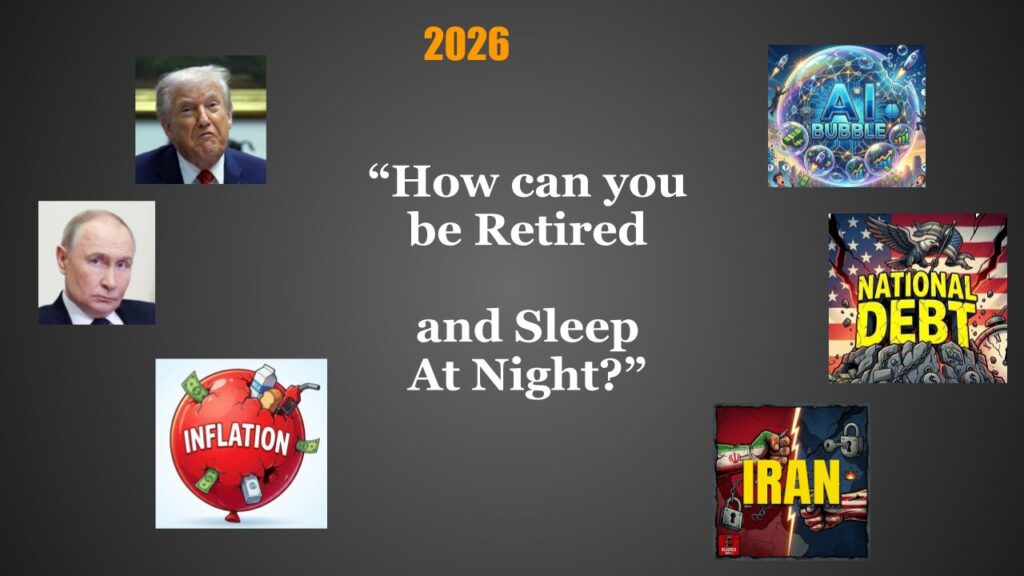
The stock market has a unique ability to keep us guessing. Just when investors feel they have mapped out the horizon, a new surge or a sudden, stomach-churning correction reminds us that the financial landscape is perpetually shifting. In 2026, the conversation is dominated by one subject: the Artificial Intelligence (AI) boom. While the rapid integration of machine learning into the global economy has driven markets to unprecedented heights, it has also sparked widespread anxiety. Is this the next dot-com bubble, poised to wipe out retirement portfolios, or is it a transformative epoch that will redefine human productivity?
The Anatomy of an Investment Mania
To understand the current climate, one must look at the cycle of technological innovation. Much like the internet boom of the late 1990s, the AI revolution is characterized by a "too much, too fast" narrative. Investors are pouring billions into infrastructure, software, and hardware, driven by the fear of missing out on the next great industrial leap.

The primary concern among the cautious is that valuations have decoupled from fundamental reality. When a technology becomes the center of a speculative frenzy, the "bubble" narrative follows closely behind. Historically, however, these periods of mania are often accompanied by genuine, world-altering inventions. The challenge for the individual investor is distinguishing between the speculative excess of the stock price and the underlying utility of the product.
A Chronology of Financial Anxiety
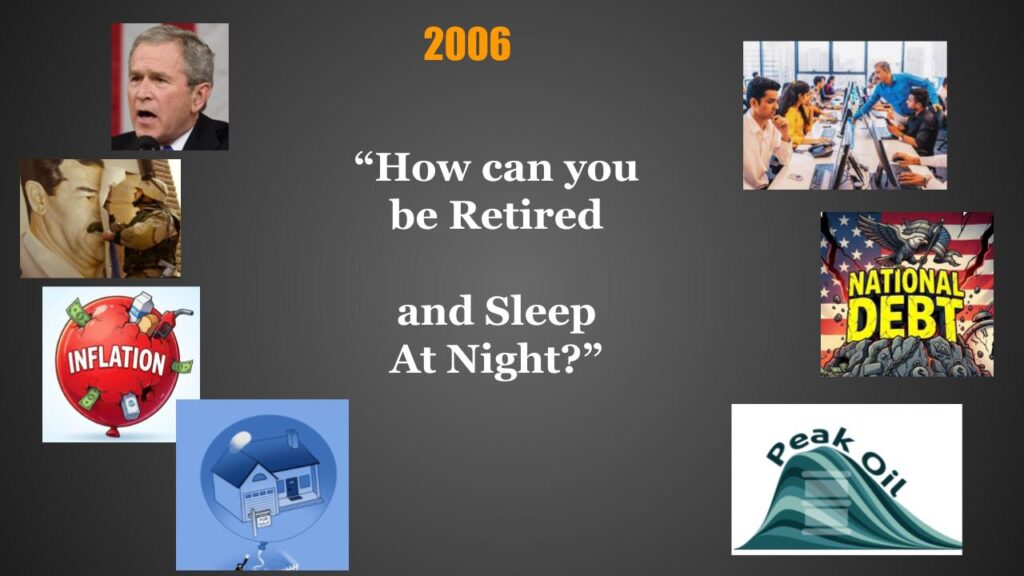
It is helpful to place current fears in their proper historical context. If one were to revisit the year 2006, the worries of the day were strikingly similar to those of 2026, though the nouns had changed.

Twenty years ago, investors were hyper-ventilating over the housing bubble, the outsourcing of jobs to India and China, and the threat of "Peak Oil"—the belief that global fossil fuel supplies were on the verge of exhaustion. Geopolitics, too, felt precarious; the world was focused on the Iraq War, the influence of leaders like Saddam Hussein, and the looming threat of regional instability.
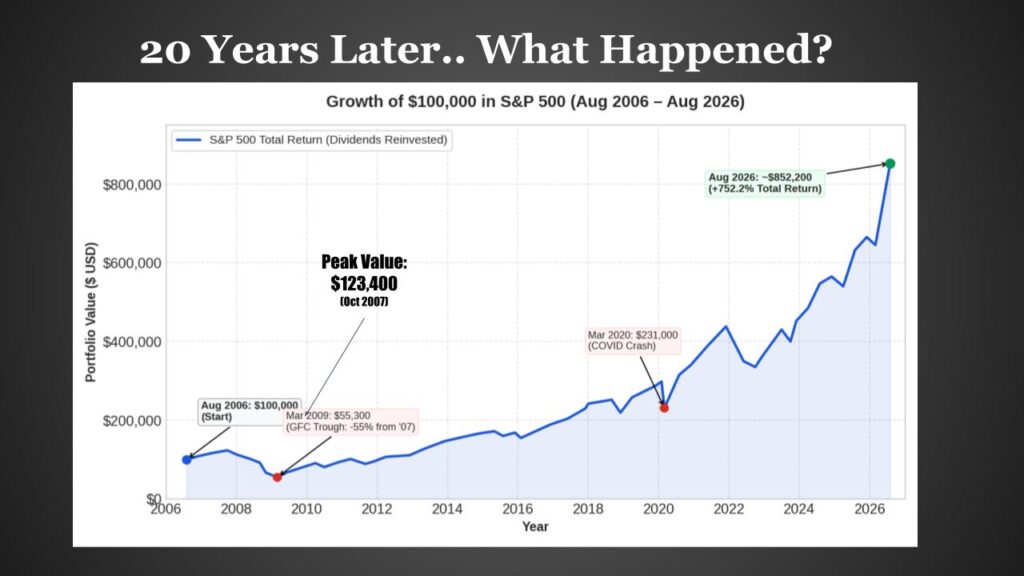
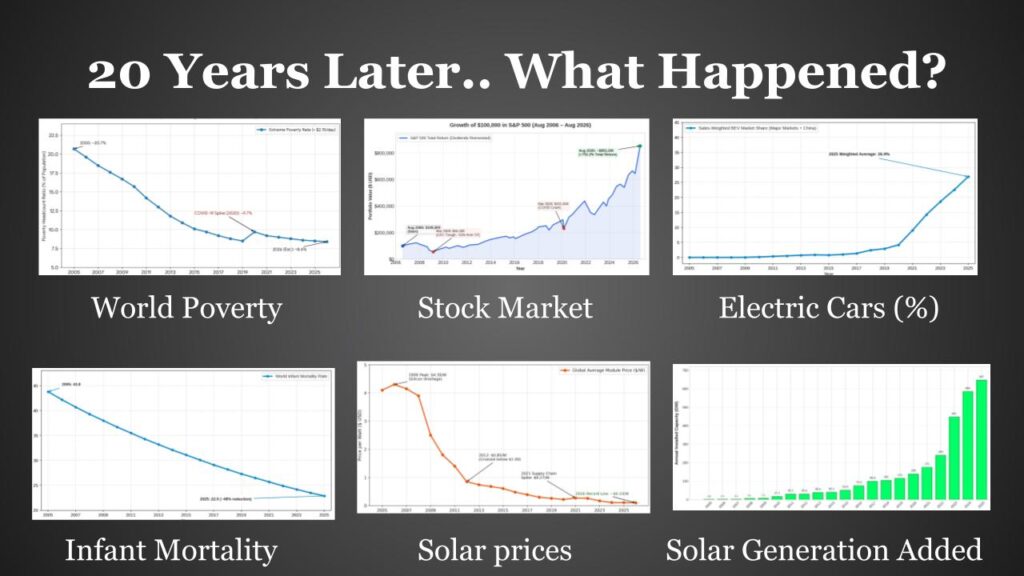
Yet, as we look back from 2026, the trajectory of the last two decades tells a different story. Despite the Great Financial Crisis of 2008—a genuinely painful correction—the long-term trend for the patient investor has been one of significant growth. A $100,000 investment held through the volatility of the past twenty years would have seen exponential growth, proving that the "doomsday" scenarios rarely play out with the permanence that the headlines suggest.

Supporting Data: The Case for Long-Term Optimism
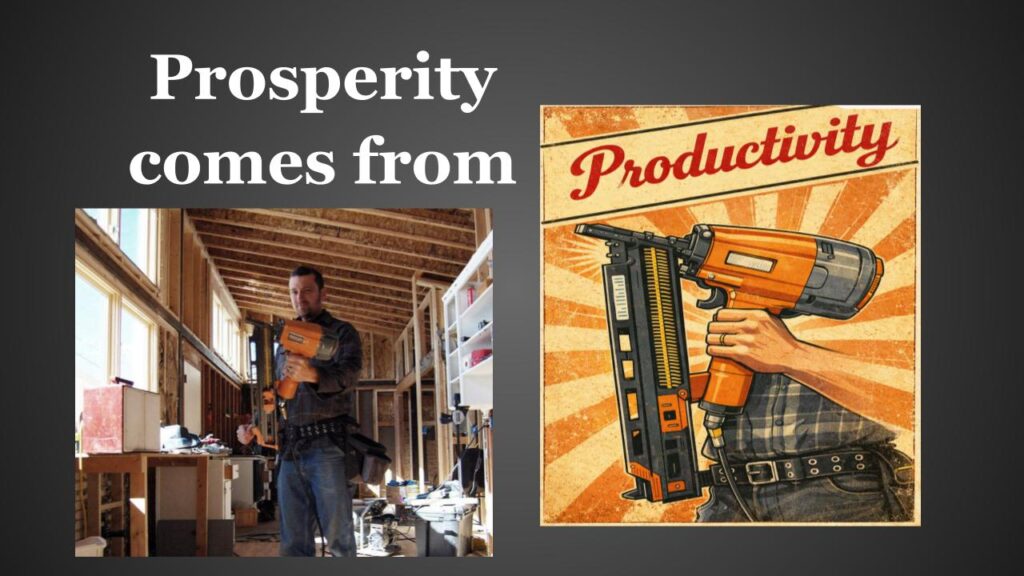
The skepticism surrounding AI is often rooted in a focus on "made-up numbers"—the fluctuating tickers on a computer screen—rather than the real-world metrics of prosperity. Prosperity is not born from a financial system; it is born from productivity.
Consider the global improvements of the last two decades:
- Poverty Reduction: The share of the global population living in extreme poverty has been slashed, falling from 20% in 2005 to roughly 8% today.
- Healthcare Advancements: Global infant mortality rates have been cut in half, representing a massive leap in human well-being.
- The Energy Transition: Far from the "Peak Oil" fears of 2006, the world has seen a massive shift in energy production. Solar power, once a niche technology, is now the primary source of new electricity generation, with costs dropping to a fraction of what they were twenty years ago.
- Automotive Evolution: Electric vehicle adoption has transitioned from a fringe movement to a mainstream reality, mirroring the infrastructure growth that has already made them the standard in markets like Norway.
These data points suggest that while the stock market is volatile, the world’s actual capacity to solve problems and improve lives is trending sharply upward.
Understanding the "Cognitive Nail Gun"
The current anxiety regarding AI stems from the fear that it will displace human labor. From a technological perspective, AI functions as a "Cognitive Nail Gun"—a tool that exponentially increases the speed and efficiency of mental work.
Historically, every productivity-enhancing tool has caused displacement. The industrial revolution replaced manual labor with machines; the digital revolution replaced clerical tasks with software. While this is undeniably disruptive to the workforce, it simultaneously lowers the cost of goods and services, creating entirely new industries that were previously unimaginable.
The primary implication of this shift is that the rewards tend to favor those who own the infrastructure of the new age. For the individual investor, this reinforces the importance of being a participant in the market, rather than a spectator paralyzed by fear.
The Psychological Trap: Why We Remain Afraid
If the historical data supports optimism, why does the fear persist? The answer lies in human evolutionary biology. We are "Danger Detection Machines." In our ancestral past, constant vigilance was necessary for survival. In the modern, safe environment of the 21st century, that same biological machinery often misfires.
When we lack immediate, life-threatening predators, our brains invent them. We move the goalposts. Once we have enough money to survive, we worry about inflation. Once we have enough to be comfortable, we worry about tax strategies or required minimum distributions.
This is compounded by the "news cycle," which is fundamentally designed to feed our survival instincts by highlighting the most alarming developments of the day. To live a balanced life, one must recognize that the news is not a reflection of reality, but a curated selection of crises.
Actionable Strategies: Fighting Fear with Resilience
To overcome the paralysis of financial anxiety, one must move from passive worry to active, informed participation:
- Understand Your History: Identify the roots of your fear. Is it a scarcity mindset inherited from parents who lived through the Great Depression, or a past trauma? Recognizing that your fear is often a projection of the past, rather than a prediction of the future, is the first step toward clarity.
- Everything is an Experiment: Adopt an experimental mindset. Whether it is a career change, a new investment strategy, or early retirement, view these not as final, high-stakes decisions, but as experiments that can be adjusted.
- Curate Your Mental Diet: Disconnect from the 24-hour fear-mongering of the mainstream news. Replace it with deep-dive learning, books, and long-form analysis.
- Prioritize Productivity and Health: Reconnect with the physical world. Human beings were designed to solve problems, move their bodies, and engage with their environment. A life spent entirely behind a screen is a recipe for anxiety.
- Build Your Tribe: Surround yourself with optimistic, productive people. The mindset of those you spend time with is contagious. Within the Financial Independence (FI) community, for example, the focus is not on fear, but on personal empowerment and long-term capability.
Implications for the Future
The AI bubble, if it exists, is merely another chapter in the long story of human innovation. While there may be short-term volatility, the long-term reality is that we are adding powerful tools to our collective toolkit.
The true risk to your retirement is not a stock market correction; it is the risk of inaction caused by fear. As the adage goes, everything you want in life lies on the other side of fear. If you allow yourself to be governed by the anxiety of the "AI bubble," you surrender the potential to benefit from the very productivity gains that will define the coming decade.
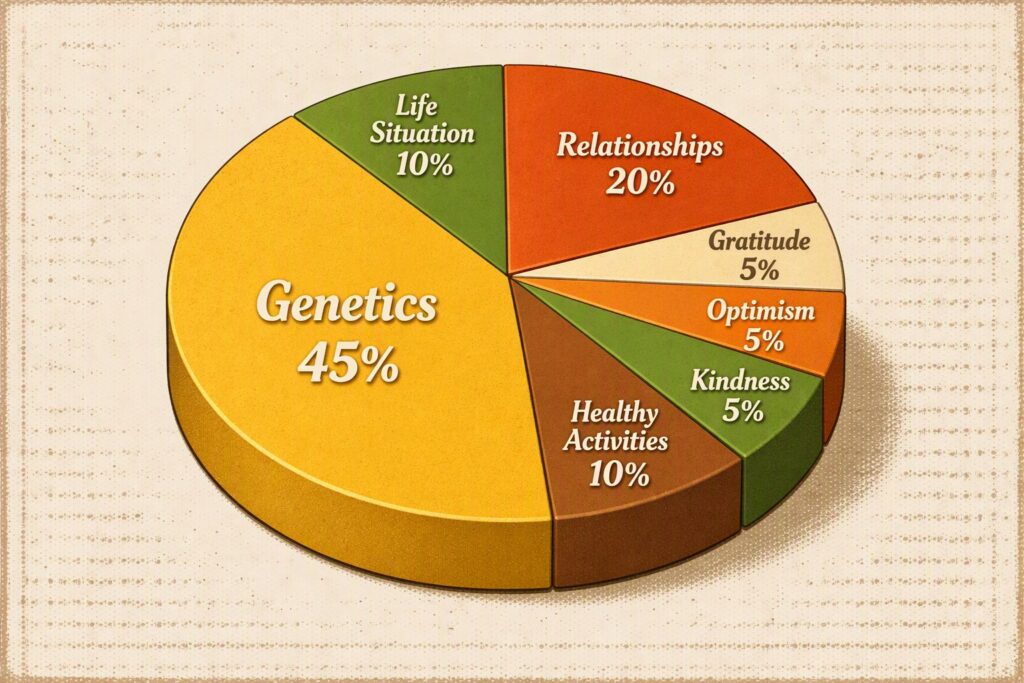
True resilience—or "Badassity"—is the ability to remain calm and productive regardless of the external environment. By understanding your psychological triggers, ignoring the noise of the news cycle, and focusing on your own productive capacity, you can build a future that is not only financially secure but deeply satisfying, regardless of what the market does tomorrow.
