

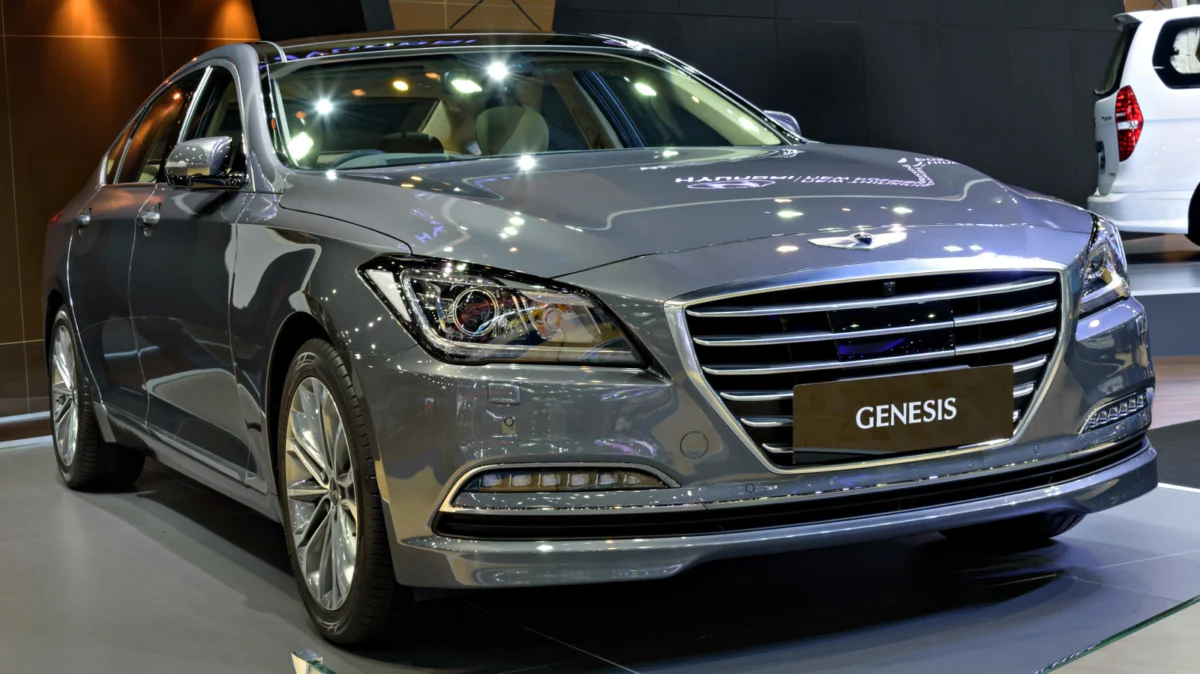
In an automotive landscape where safety recalls are frequently linked to high-tech software glitches, complex battery management systems, or critical engine components, a new safety advisory from Genesis has caught many by surprise. The Korean luxury brand has issued a significant recall affecting nearly 95,000 vehicles, citing a fire hazard triggered by a seemingly mundane component: the power-adjustable seat switch.
For owners of certain Hyundai Genesis and Genesis G80 sedans, the directive from the manufacturer is blunt and urgent: park your vehicle outside and away from any structures, including garages, carports, and home charging stations. While this level of precaution is typically reserved for catastrophic battery thermal events or major fuel system leaks, the culprit in this instance is a mechanical failure within the cabin’s seat adjustment hardware.
The Core Issue: A Mechanical Failure with High-Stakes Consequences
The recall centers on the front power-seat adjustment assembly, specifically the switch responsible for controlling height and forward-backward movement. According to documentation filed with the National Highway Traffic Safety Administration (NHTSA), the problem is restricted to vehicles equipped with non-memory front seats.
The mechanism of failure is deceptively simple yet dangerous. The internal components of the switch are susceptible to misalignment or displacement, often following external physical impact—such as a heavy object hitting the switch or repeated pressure over time. When these components are forced out of their intended position, the switch can become stuck in an "engaged" state.
When the switch remains engaged, it sends a continuous electrical signal to the seat adjustment motor, causing it to run indefinitely. Because the motor is designed for intermittent use rather than continuous operation, it is not equipped to handle sustained power flow. This leads to rapid overheating of the motor and its associated wiring. If the vehicle is unattended—such as in a closed garage—the resulting heat can ignite interior materials, potentially leading to a structural fire that extends well beyond the vehicle itself.
Chronology of the Recall: Identifying the Scope
The recall campaign, designated by the NHTSA as campaign 26V664, encompasses 94,622 vehicles. The scope covers the following models:
- 2015–2016 Hyundai Genesis Sedans: 54,644 units
- 2017–2020 Genesis G80 Sedans: 39,978 units
The timeline of the investigation remains internal, but the recall action follows reports of thermal incidents and customer complaints regarding non-functional seat controls. Genesis and its parent company, Hyundai, have been working in coordination with federal regulators to identify the precise batch of manufacturing and the specific failure points within the seat switch architecture.
For owners, the primary concern is the ambiguity regarding what constitutes a "dangerous" impact. Hyundai has not provided a specific force threshold that would cause the switch to fail, leading to an abundance of caution regarding the entire fleet of affected vehicles.
Supporting Data: Why "Memory Seats" Are the Exception
A critical takeaway from the official recall documents is the distinction between seat configurations. Owners of Genesis models equipped with "memory seats"—the system that saves personalized seating positions for multiple drivers—appear to be unaffected.
This is because the electrical architecture and the switch design for memory-equipped seats differ significantly from the standard, non-memory variants. The non-memory switch lacks the sophisticated feedback loop that would otherwise cut power to the motor once a seat reaches its limit. In non-memory seats, if the switch is held or stuck in an active position, the motor continues to draw current until the fuse blows or, in the case of this recall, the hardware fails and creates a fire risk.
Furthermore, the risk is exacerbated for drivers who prefer to set their seats to the absolute limits of their travel range. In these positions, the motor is already working against its maximum mechanical resistance. If the switch remains stuck, the combination of maximum load and continuous electrical draw creates a "perfect storm" for heat generation.
Official Responses and Manufacturer Guidance
Genesis has been proactive in communicating with its customer base, though the lack of an immediate "fix" has caused some frustration among owners.
The "Park Outside" Directive
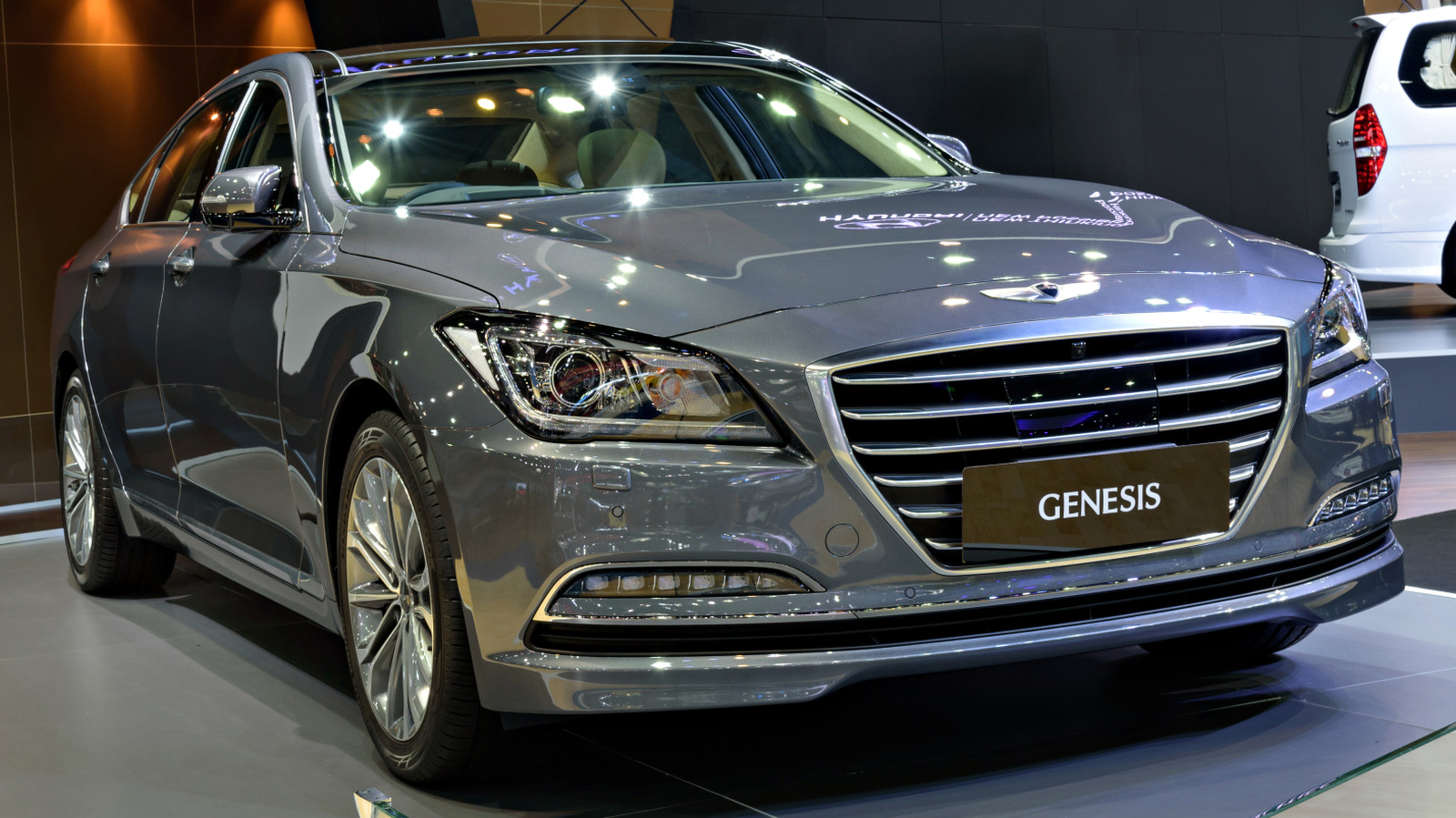
The instruction to park away from buildings is not a suggestion; it is a direct safety mandate. By parking in an open area, owners ensure that if an electrical fire does occur, the flames are less likely to spread to a home, garage, or other parked vehicles. The risk of a fire while the car is parked—even with the ignition off—is the primary driver for this extreme precaution.
Detecting the Warning Signs
While the failure can occur suddenly, Genesis has outlined several telltale signs that owners should monitor:
- Strange Odors: A persistent, acrid "burning plastic" or "electrical" smell emanating from the cabin, specifically near the base of the front seats.
- Unresponsive Controls: If the forward/back or height adjustment switches feel "mushy," loose, or fail to respond to touch, the internal mechanism may already be compromised.
- Involuntary Movement: Some owners have reported the seat attempting to adjust on its own, a clear indicator that the electrical circuit is being completed erroneously.
If an owner notices any of these symptoms, they are advised to contact their nearest authorized Genesis dealership immediately. While a permanent repair is still in development, dealerships are instructed to perform an initial inspection to mitigate immediate risks.
Implications for Owners and the Brand
The implications of this recall are twofold: they affect the daily lives of luxury vehicle owners and reflect the broader challenges facing Hyundai-Genesis as they expand their global footprint.
For the Consumer
For those who drive a 2015–2020 Genesis, the inconvenience is undeniable. Luxury vehicle owners typically value the convenience of their garage-kept vehicles, and the requirement to park in a driveway or on the street represents a significant disruption. Moreover, the anxiety associated with a "fire risk" recall cannot be overstated.
Owners should take the following steps:
- Verify your VIN: Use the official NHTSA recall lookup tool or the Genesis Recall portal.
- Follow Dealer Instructions: Do not attempt to repair or disconnect the seat switch yourself, as this could interfere with safety systems or void future repair eligibility.
- Await Official Notification: Genesis is currently developing a remedy. Once finalized, the repair will be provided free of charge, regardless of the vehicle’s warranty status.
For the Brand
Genesis is currently in a high-growth phase, with plans to launch over 100 new vehicle models by 2030. Recalls of this magnitude serve as a "stress test" for the brand’s customer service infrastructure. How effectively and transparently Genesis manages the repair process will be a major indicator of their commitment to luxury-level customer care.
In the competitive luxury segment, brand loyalty is fragile. By providing clear communication and ensuring that the eventual repair is seamless and free, the manufacturer has an opportunity to turn a negative safety event into a display of reliability and integrity.
Conclusion: The Cost of Simple Components
The Genesis seat-switch recall serves as a sobering reminder that in modern engineering, there is no such thing as a "simple" part. Every switch, every relay, and every wire is a component in a complex electrical system that, when compromised, can have life-altering consequences.
As the automotive industry pivots toward more complex electrical architectures, the importance of rigorous testing for even the most basic user-interface components becomes paramount. For now, the 94,622 affected Genesis owners must remain vigilant, prioritize the safety of their homes and families by adhering to the parking advisory, and wait for the final solution from the manufacturer.
When the fix arrives—likely involving a redesigned, more resilient switch assembly—it will be a welcome relief for thousands of drivers who have been forced to treat their premium sedans with the same caution as a hazardous material. Until then, the message remains clear: when in doubt, park outside.
