

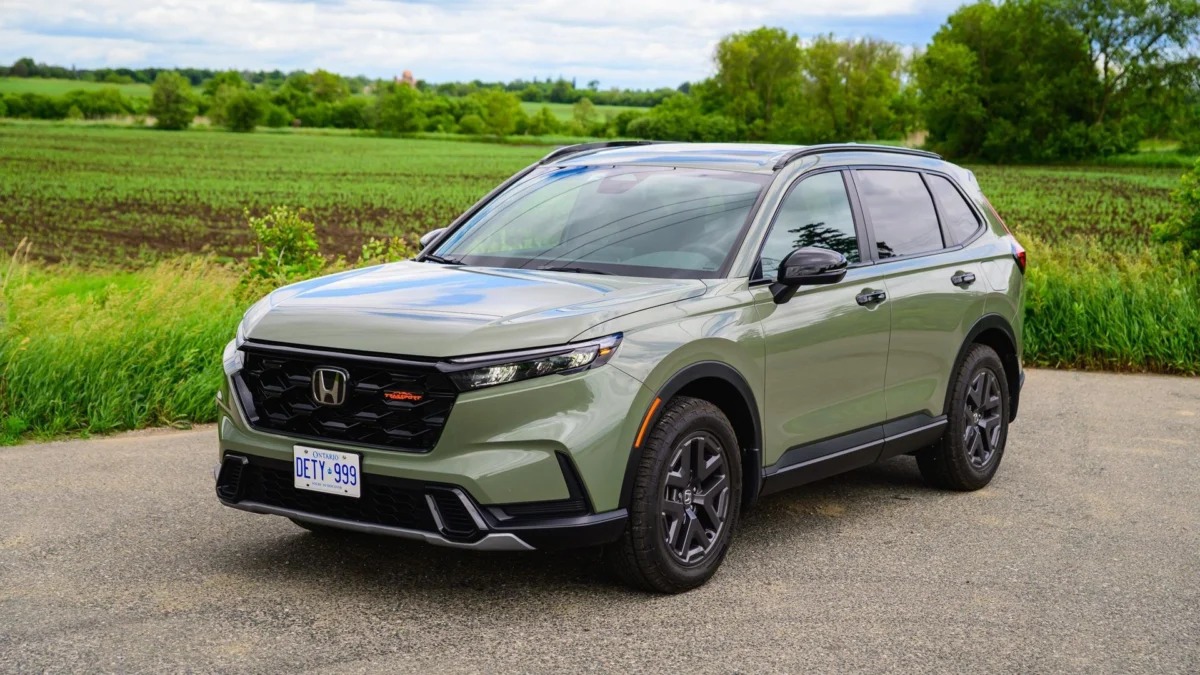
In a frustrating turn of events for thousands of Honda owners, the automotive giant has announced a secondary recall involving 4,804 vehicles in the United States. This latest action, while limited in scope compared to the massive campaign launched earlier this year, highlights a rare and embarrassing manufacturing oversight: a supplier error that effectively neutralized the initial fix for a known safety defect.
While the previous recall affected over 118,000 vehicles in Canada and nearly one million in the United States, this new development targets owners who were already supposed to have been "fixed." As of now, the recall remains localized to the U.S. market, though Canadian owners of similar models are watching closely as the situation unfolds.
The Root Cause: A Mechanical Oversight
The core of the issue lies in the design of the flat-tire-repair kit provided with specific Honda models. According to documents filed with the National Highway Traffic Safety Administration (NHTSA), the kits are prone to a dangerous phenomenon: pressure buildup.
The technical briefing notes that during the development of these kits, engineers failed to adequately account for internal pressure surges that can occur if the nozzle of the sealant bottle is not perfectly connected to the tire valve. When this connection is imperfect, air pressure from the tire can backflow into the sealant bottle. This leads to a rapid, uncontrolled buildup of pressure, which can cause the bottle cap to forcibly detach.
The physical danger here is clear: a pressurized bottle cap flying off during a roadside emergency creates a legitimate projectile risk, potentially causing injury to the driver or passengers attempting to repair a flat.
A Chronology of the Recall Efforts
To understand the gravity of this situation, one must look at the timeline of Honda’s recent safety efforts.
The Initial Phase (Early 2026)
Earlier this year, Honda identified that a significant portion of its fleet—primarily hybrids—was equipped with a tire-repair kit that failed to meet safety standards. The company moved swiftly to pull those units from the road, initiating a massive recall that impacted over one million vehicles across North America. The objective was straightforward: replace the faulty nozzle assembly in the sealant kits to ensure proper venting and prevent the catastrophic failure of the bottle cap.
The Supplier Failure
The current, smaller recall is the result of a logistical and quality-control breakdown. Honda has admitted that after the initial recall was announced, the supplier tasked with producing the "remedy" parts—the new, corrected bottles—accidentally commingled their inventory.
In a classic case of human error at the manufacturing level, the supplier shipped boxes containing a mix of the old, dangerous bottles and the new, corrected ones. Consequently, thousands of owners who visited dealerships for the "fix" may have inadvertently been sent home with the exact same defective equipment they arrived with, or worse, a new kit that still contained the legacy manufacturing flaw.
Affected Models and Identification
This secondary recall encompasses a specific range of fuel-efficient and hybrid models. The affected vehicles include:
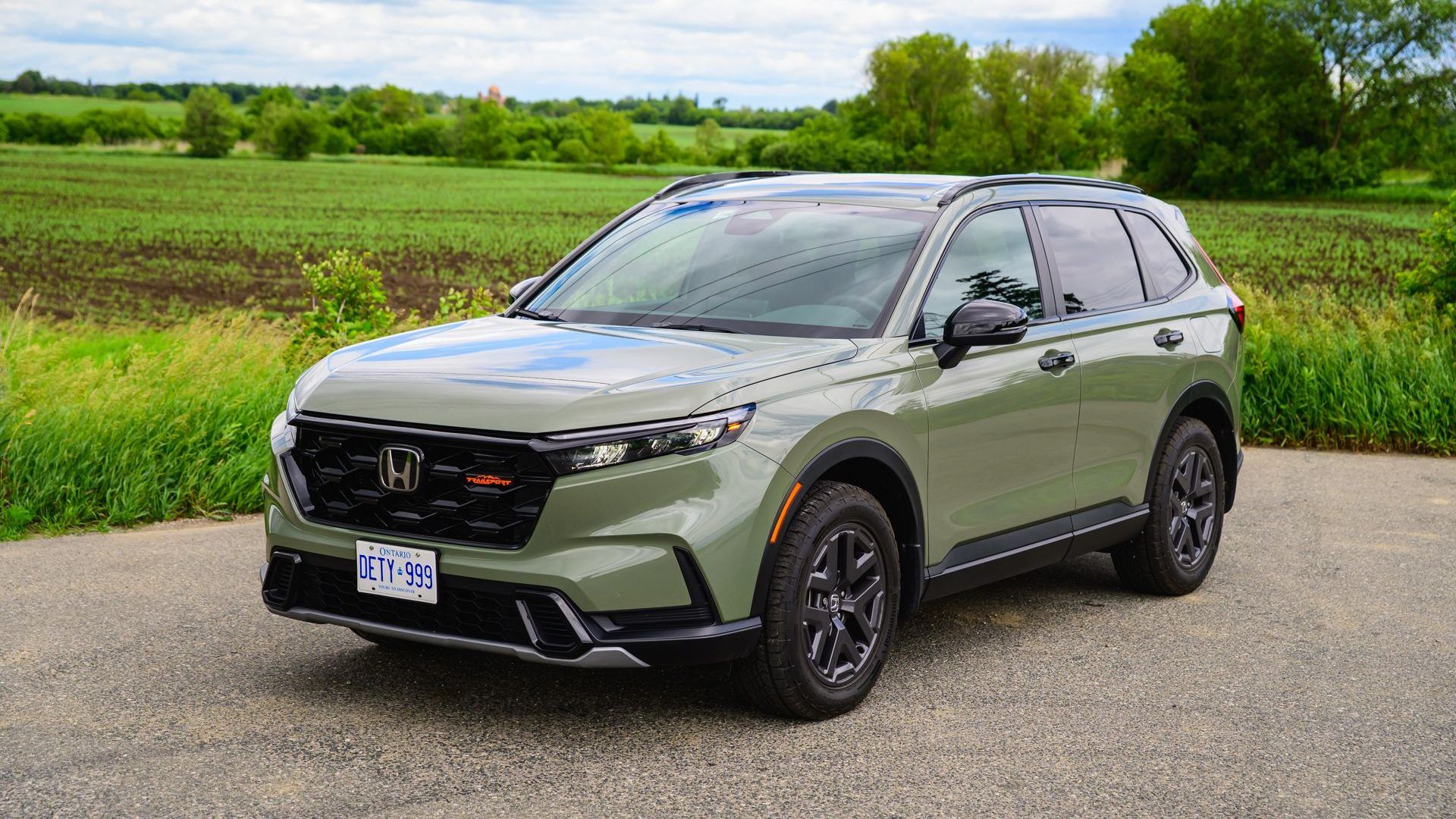
- 2023–2026 Honda CR-V Hybrid: The flagship of this recall, given the popularity of the hybrid crossover.
- 2025–2026 Honda CR-V Fuel Cell EV: A niche but high-tech addition to the recall list.
- 2023–2026 Honda Accord Hybrid: A major seller for the brand, also impacted by the sealant kit issue.
For owners, the confusion is understandable. Having already made a trip to the dealership for a "safety repair," being told that the repair itself was flawed is a significant inconvenience.
The Broader Implications for Automotive Quality Control
This incident raises critical questions regarding supply chain management and the "remedy" phase of the recall process. When an automaker issues a recall, the public expects that the remedial action will be definitive. When the remedy itself is compromised by supplier negligence, it undermines consumer confidence in the brand’s ability to maintain oversight.
Supply Chain Fragility
The modern vehicle is an amalgamation of thousands of parts sourced from a global network of tiered suppliers. While Honda maintains rigorous quality standards, the "mixing" of inventory at the supplier level demonstrates that even the most robust automotive brands are susceptible to the weakest link in their supply chain. This specific recall serves as a case study in why automakers are increasingly moving toward more vertical integration or stricter oversight of Tier-2 and Tier-3 suppliers.
The Regulatory Landscape
The NHTSA, in monitoring this situation, will likely be looking for answers regarding how the supplier’s inventory management system allowed faulty parts to be labeled and shipped as "remedy" stock. For consumers, this reinforces the importance of verifying that their service work has been completed correctly.
Official Response and Next Steps
Honda has stated that it will notify affected owners by mail, advising them to return to their local dealership. The service, as with all safety recalls, will be performed at no cost to the vehicle owner. Dealership technicians will be required to inspect the tire-repair kit and replace the nozzle/bottle assembly with a verified, non-defective unit.
Advice for Canadian Owners
While the current recall is officially listed for the U.S. market, the global nature of automotive manufacturing suggests that the same faulty batch of parts could have crossed the border. Canadian owners who previously had their tire-repair kits replaced should not assume they are in the clear.
- Use the VIN Lookup: Owners should regularly visit the Transport Canada recall database. By entering your 17-character Vehicle Identification Number (VIN), you can see the specific status of your vehicle.
- Contact Your Dealer: If you are unsure whether your vehicle was part of the original recall or if you have concerns about the work performed during a previous visit, contact your local service department. They can pull your vehicle’s service history and confirm if a new repair order is required.
- Keep Documentation: Always retain copies of service records after a recall repair. In the event of a future dispute or further safety campaigns, having proof of prior service is essential.
Looking Ahead: The Future of Tire Repair
The reliance on "fix-a-flat" sealant kits rather than traditional spare tires has been a point of contention among automotive enthusiasts and safety advocates for years. While these kits save weight, improve fuel economy (a priority for hybrids like the CR-V), and free up cargo space, they are clearly more prone to mechanical failure than a conventional steel or alloy spare wheel.
This recall may prompt Honda and other manufacturers to re-evaluate their reliance on these pressurized chemical kits. As vehicles become more advanced, the "simple" solutions of the past—like a trunk-mounted spare tire—are increasingly seen as more reliable, albeit less space-efficient, alternatives.
For now, Honda owners are left to navigate the inconvenience of a second recall. While the risk of a loose cap is statistically low, the potential for injury is real, and the company is correct to prioritize the replacement of these units. The brand’s reputation for reliability has long been its strongest asset; incidents like this are a stark reminder that even the most reliable companies must remain vigilant against the smallest of errors.
Renita Naraine is an online editor at Driving.ca with a focus on family-oriented vehicle safety and the practical realities of modern automotive ownership. For the latest updates on this and other automotive recalls, subscribe to our newsletter and follow us on social media.
