

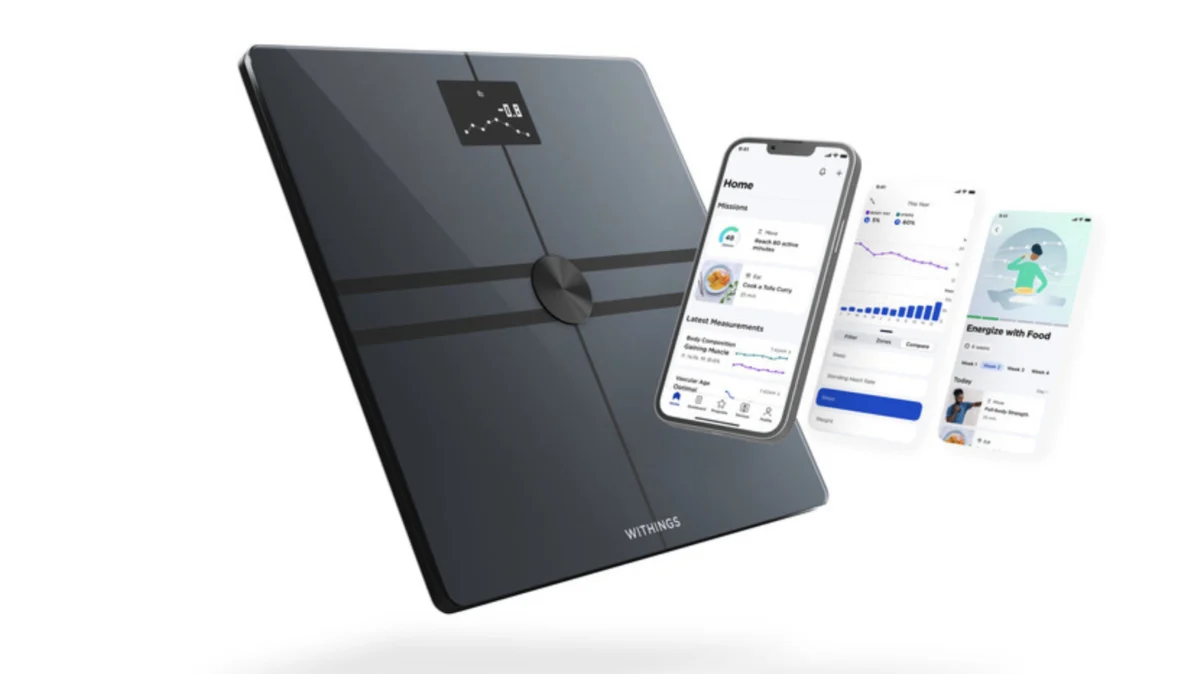
In a move that has sent shockwaves through the wearable technology community, Withings—a company long celebrated for its premium health-monitoring hardware—has introduced a controversial policy change that effectively places essential data interoperability behind a paywall. Effective for all accounts created on or after October 13, the French-based manufacturer now requires users to subscribe to its "Withings+" service to enable automatic synchronization with third-party platforms, most notably Apple Health.
For new customers who opt out of the $99.95 annual subscription, the convenience of seamless, real-time data integration has been replaced by a tedious manual process. While existing users appear to be grandfathered into the previous free model, the shift signals a significant pivot in the company’s business strategy, prioritizing recurring service revenue over the ecosystem openness that once defined the brand.
The Chronology of a Controversial Shift
The transition began quietly, with little public fanfare, until eagle-eyed users began noticing changes in their onboarding experience. By mid-October, reports surfaced on the company’s official support forums, detailing a sudden inability for new accounts to link their Withings smart scale or watch data to Apple Health without an active Withings+ membership.
October 13: The Divide
The cutoff date of October 13 marks the line of demarcation. Before this date, Withings hardware was marketed with the implicit promise of "open" health data—a standard expectation in the modern wearables market. After this date, the company transitioned to a tiered access model.
The Community Uprising
Within days of the policy being implemented, the Withings support forum became a theater of user discontent. Long-time enthusiasts of the brand, who have invested thousands of dollars into Withings’ ecosystem of scales, blood pressure monitors, and smartwatches, expressed frustration. The sentiment was clear: users feel that paying a premium price for high-end hardware should grant them ownership of their own health data, not just the right to store it on Withings’ servers.
The Mechanics of the New Paywall
To understand the scope of this change, one must look at the technical disparity between the "Free" tier and the "Withings+" tier.
The "Free" Tier: A Manual Bottleneck
For users unwilling to pay $100 annually, the "automatic" sync feature is disabled. This does not mean the data is entirely inaccessible, but it is no longer frictionless. New users are now forced to navigate through a manual export process. Every time a user wants their latest weight, body composition, or heart rate data reflected in Apple Health or Google Fit, they must manually trigger an export. This creates a significant barrier to entry for casual users who rely on Apple Health as their centralized "source of truth" for health metrics.
The "Withings+" Tier: The Premium Gate
The Withings+ subscription, priced at $99 per year, offers more than just data syncing. It includes advanced analytics, behavioral change programs, and personalized health insights. By bundling data synchronization with these premium features, Withings is attempting to increase the "stickiness" of its subscription service. However, critics argue that syncing with a native operating system health app is a fundamental utility, not a premium feature.
Official Responses and Corporate Strategy
The official response from Withings, provided on its support forum, confirmed the change with a terse explanation: "Automatic sync to third-party apps is now part of Withings+."
While the company has remained largely quiet regarding the broader implications, industry analysts view this as a classic "Software-as-a-Service" (SaaS) pivot. With hardware sales often being cyclical and subject to market saturation, companies like Withings, Fitbit (owned by Google), and Oura have all moved toward subscription models to ensure predictable recurring revenue.
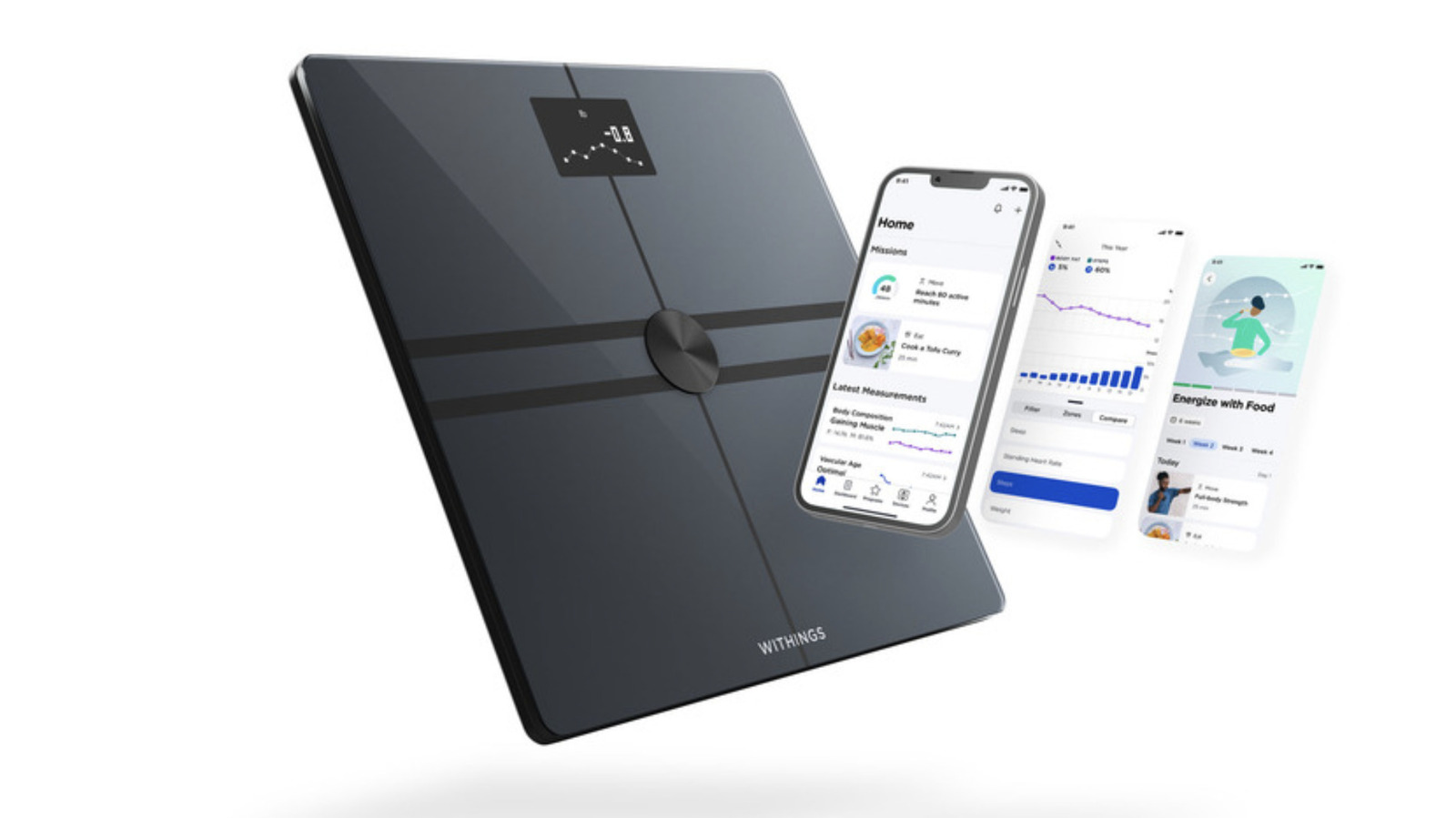
However, unlike competitors who gate advanced AI insights or sleep coaching behind a paywall, Withings’ decision to gate the transport of raw data is a departure from industry norms. Most competitors allow raw data to flow freely between apps, reserving premium analysis for their paid tiers.
Supporting Data: The Value of Ecosystem Interoperability
In the current health-tech landscape, interoperability is arguably the most valuable feature a device can offer. Users rarely stick to a single brand for their entire health journey. A user might own a Withings Body Scan 2, but use an Apple Watch for activity tracking and a third-party nutrition app like MyFitnessPal to track caloric intake.
The Cost of Fragmentation
When a company restricts data sync, it creates a "data silo." Research suggests that when users are forced to manually transfer data, engagement drops by over 70% within the first three months. If a user cannot see their weight trends directly in the same dashboard as their fitness and nutrition data, they are significantly less likely to continue using the device.
The Hardware Price Point
The controversy is compounded by the price of Withings hardware. The flagship Body Scan 2 scale retails for approximately $600. When a customer pays such a premium for hardware, the expectation is a fully featured, integrated experience. By introducing an additional $100 annual fee, the total cost of ownership over a three-year period increases by 50%. This raises a fundamental question: Is the hardware a standalone product, or is it merely a loss-leader meant to funnel users into a subscription-based utility?
Implications for the Future of Wearables
The move by Withings has broader implications for the wearable tech industry. If this strategy proves successful—that is, if users continue to buy the hardware despite the gated syncing—it could set a dangerous precedent.
The "Subscription Fatigue" Factor
Consumers are increasingly facing subscription fatigue. From software suites to streaming services and now, their own health data, the financial burden of digital life is mounting. Companies that push too hard on these subscriptions risk alienating their core user base, potentially opening the door for more transparent, open-platform competitors to seize market share.
Regulatory and Ethical Concerns
There is also the question of data sovereignty. While users technically own their data, the ability to move that data is being restricted. In the European Union, where Withings is based, there is growing scrutiny regarding the portability of data under the General Data Protection Regulation (GDPR). While it is currently legal to charge for specific software features, the restriction of data portability could eventually draw the attention of regulators who view health data as a critical personal asset.
The Competitive Response
Competitors are already watching. If Withings loses market share, expect rival manufacturers to launch marketing campaigns centered on "open data" and "no-hidden-fee" policies. For the consumer, this could lead to a temporary improvement in software transparency as brands compete to differentiate themselves from the "subscription-everything" model.
Conclusion: A High-Stakes Gamble
Withings is standing at a crossroads. By prioritizing the growth of its Withings+ subscription, it has sacrificed a degree of the goodwill that helped build its reputation as a premium, user-centric brand. For the company, the gamble is that the recurring revenue from new subscribers will outweigh the long-term risk of brand damage and potential churn.
For the new user, the choice is now stark: either accept the friction of manual data management or commit to a long-term financial relationship with the company’s subscription service. As the market for health wearables continues to mature, the outcome of this experiment will serve as a bellwether for the industry. Will consumers accept a world where they must pay to access their own data, or will they vote with their wallets, pushing the market back toward the open, interconnected ecosystems that made the smart health revolution possible in the first place? Only time—and the next quarterly earnings report—will tell.
