

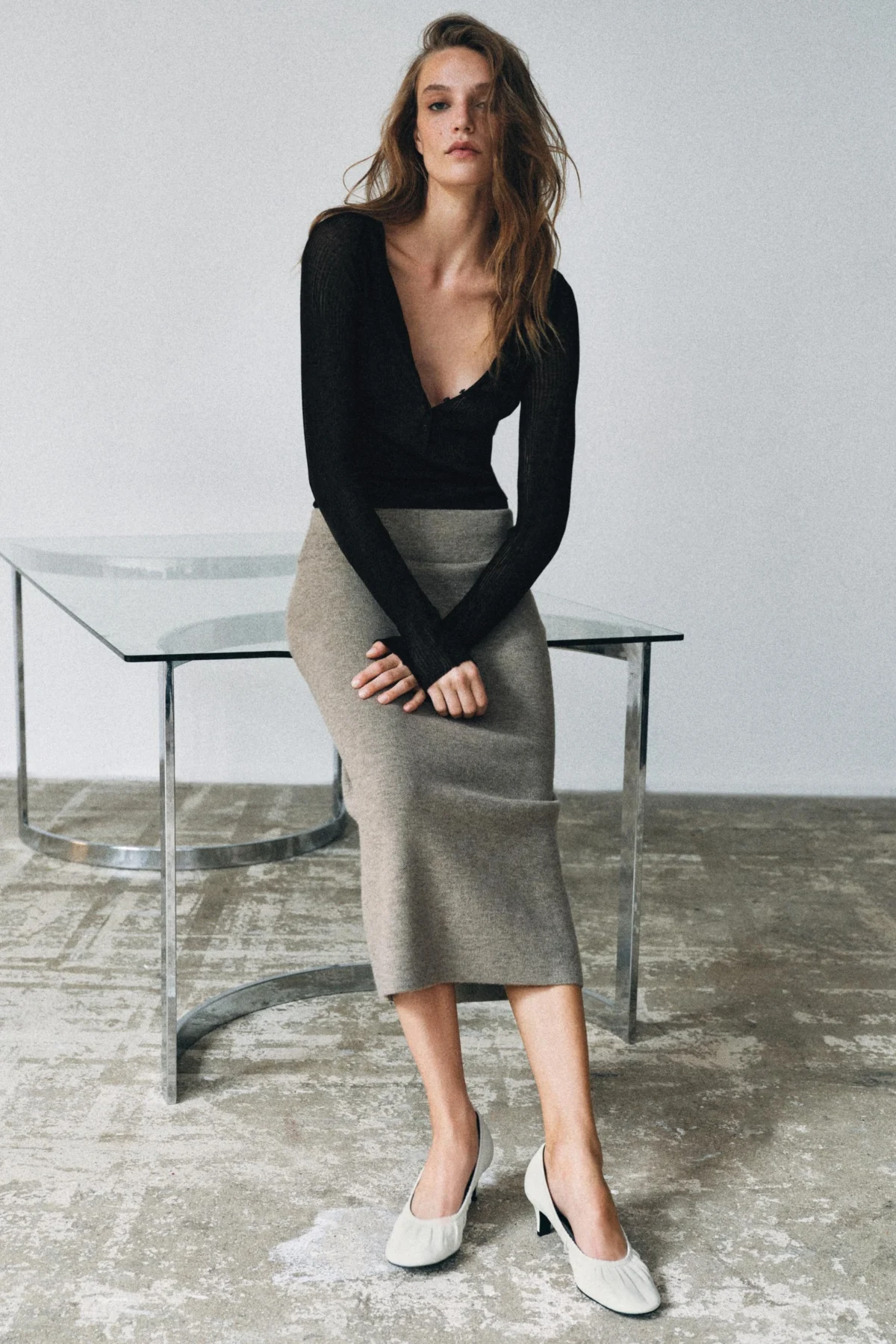
In the ever-evolving landscape of contemporary fashion, the line between luxury investment pieces and accessible high-street staples has become increasingly blurred. For decades, the “high-low” styling approach—pairing a vintage designer bag with a budget-friendly coat—was a stylistic choice. Today, it has become a necessity of the modern economic and aesthetic climate. Nowhere is this more apparent than in the meteoric rise of Zara’s Fall 2026 collections, which have effectively recalibrated the expectations of the fashion-conscious consumer.
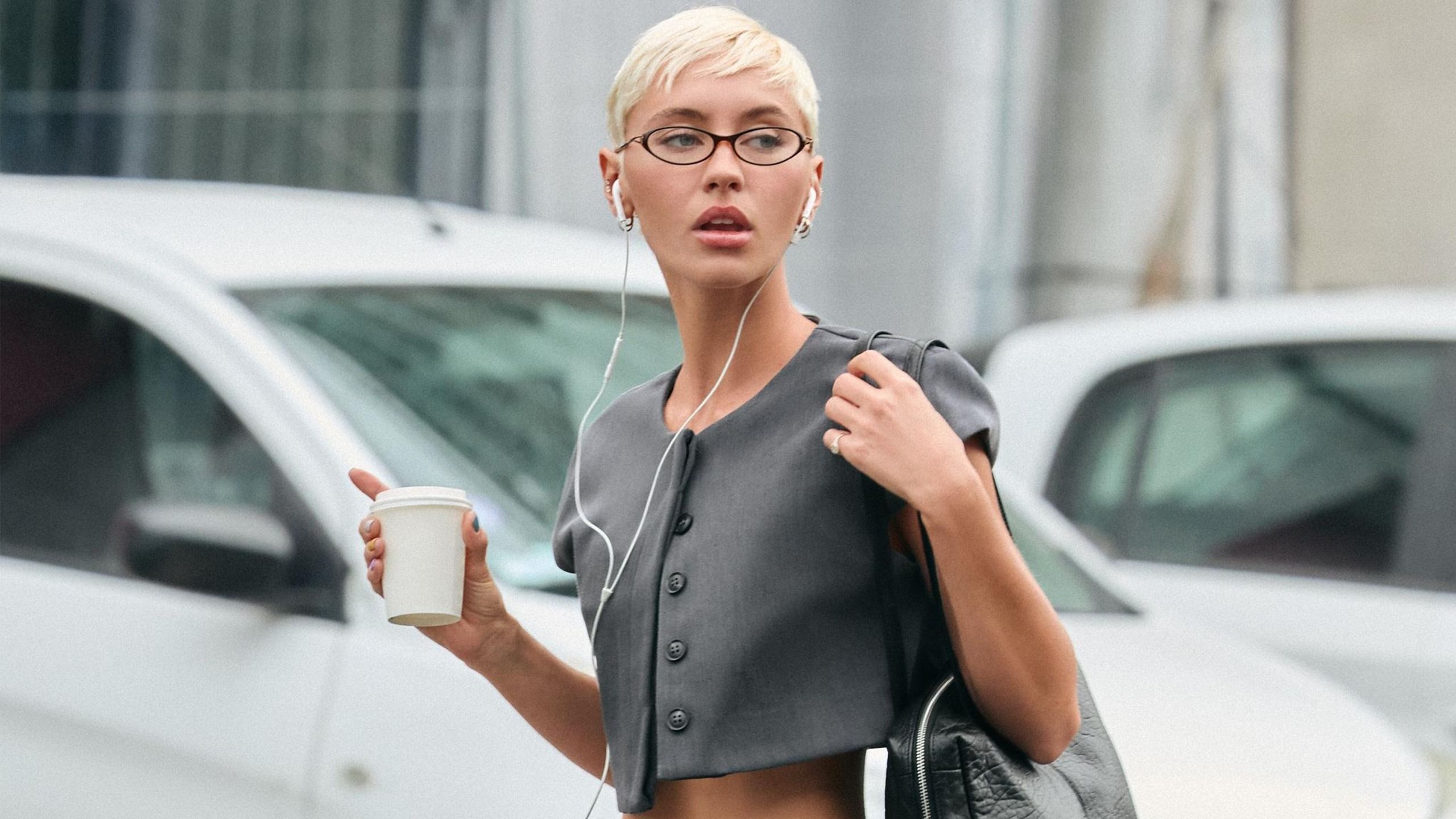
Last fall, during a casual office conversation, a colleague arrived wearing a sharp, impeccably structured black high-neck wool coat. When asked about its provenance, the response was one we have heard countless times, yet it carried a new weight: "It’s from Zara." It was a moment of realization that the brand, once viewed primarily as a trend-chasing retailer, has mastered the art of "quiet luxury" at a price point that remains democratically accessible.
The Evolution of the High-Street Powerhouse
The story of Zara’s dominance is not merely one of retail luck; it is a meticulously constructed chronology of supply chain agility and design intuition.
A Chronology of Influence
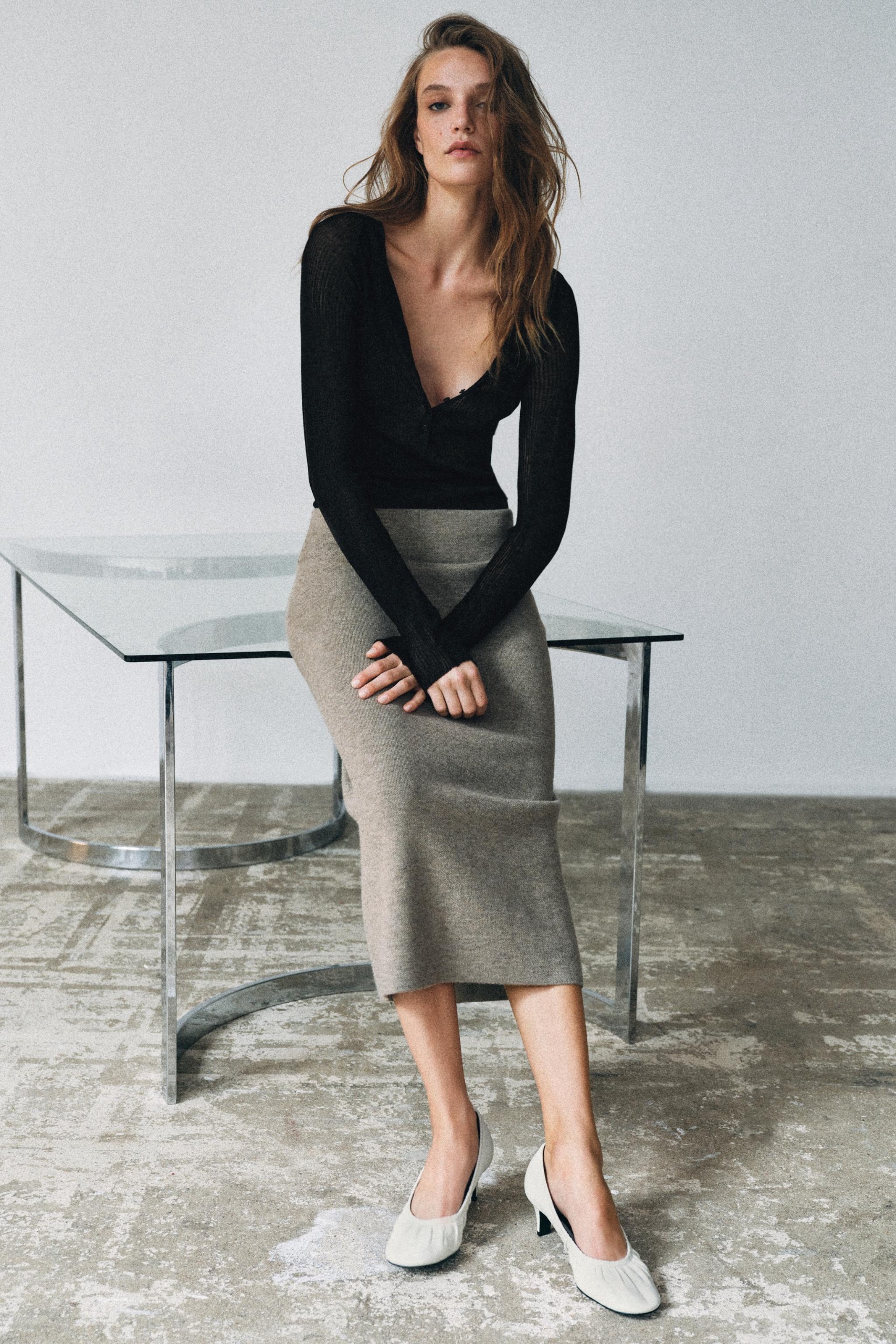
Zara, founded by Amancio Ortega, revolutionized the fashion industry in the 1970s and 80s by pioneering the "fast fashion" model. However, as we move through 2026, the brand has pivoted away from the negative connotations of disposability.
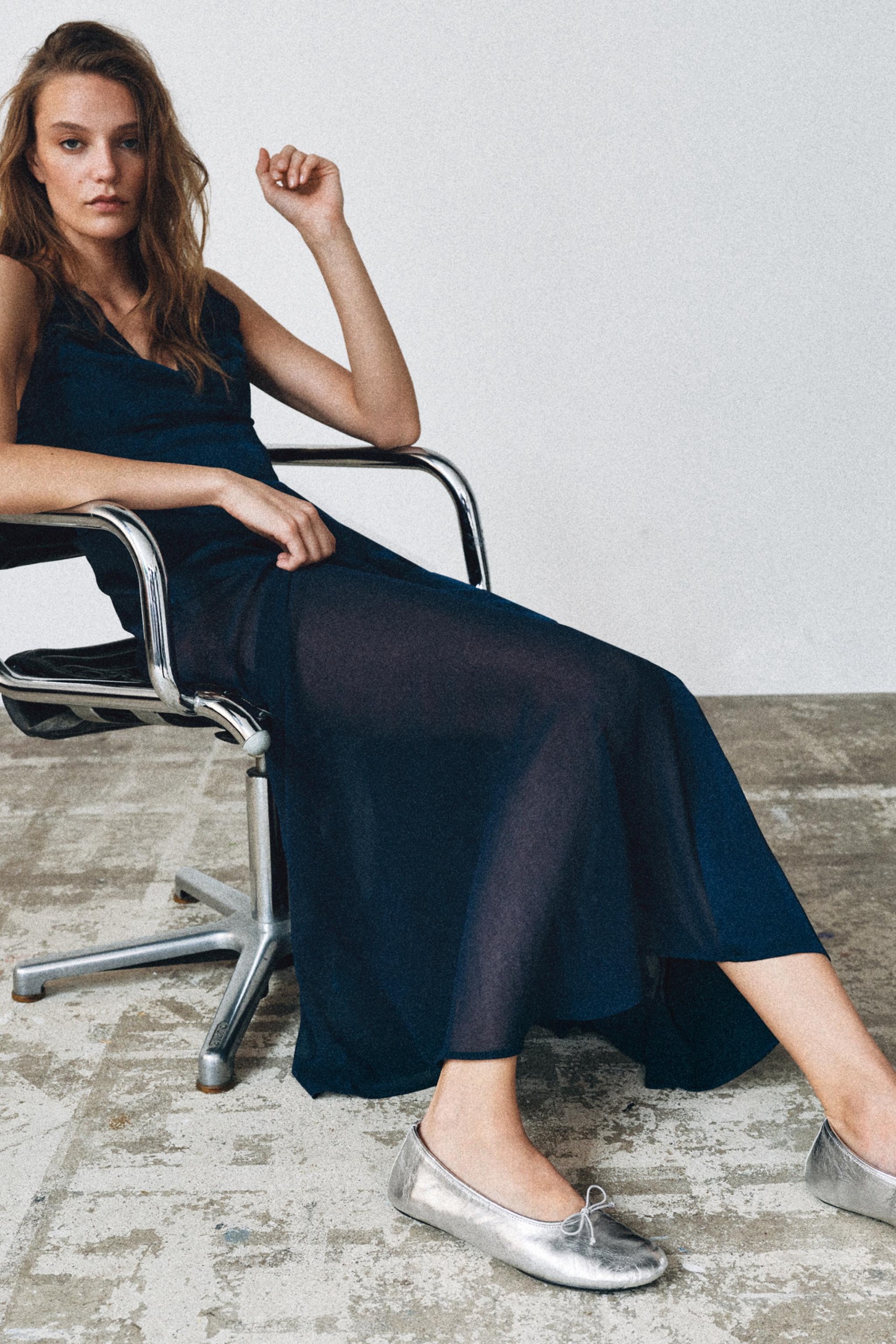
- Early 2024: The brand began a significant shift toward higher-quality natural fibers, including premium wool blends and structured cottons, responding to a consumer base that was growing increasingly weary of synthetic fabrics.
- Late 2025: Zara introduced its "Limited Edition" collections, which focused on capsule wardrobes, mimicking the aesthetic of high-fashion houses like The Row or Jil Sander, but at a fraction of the cost.
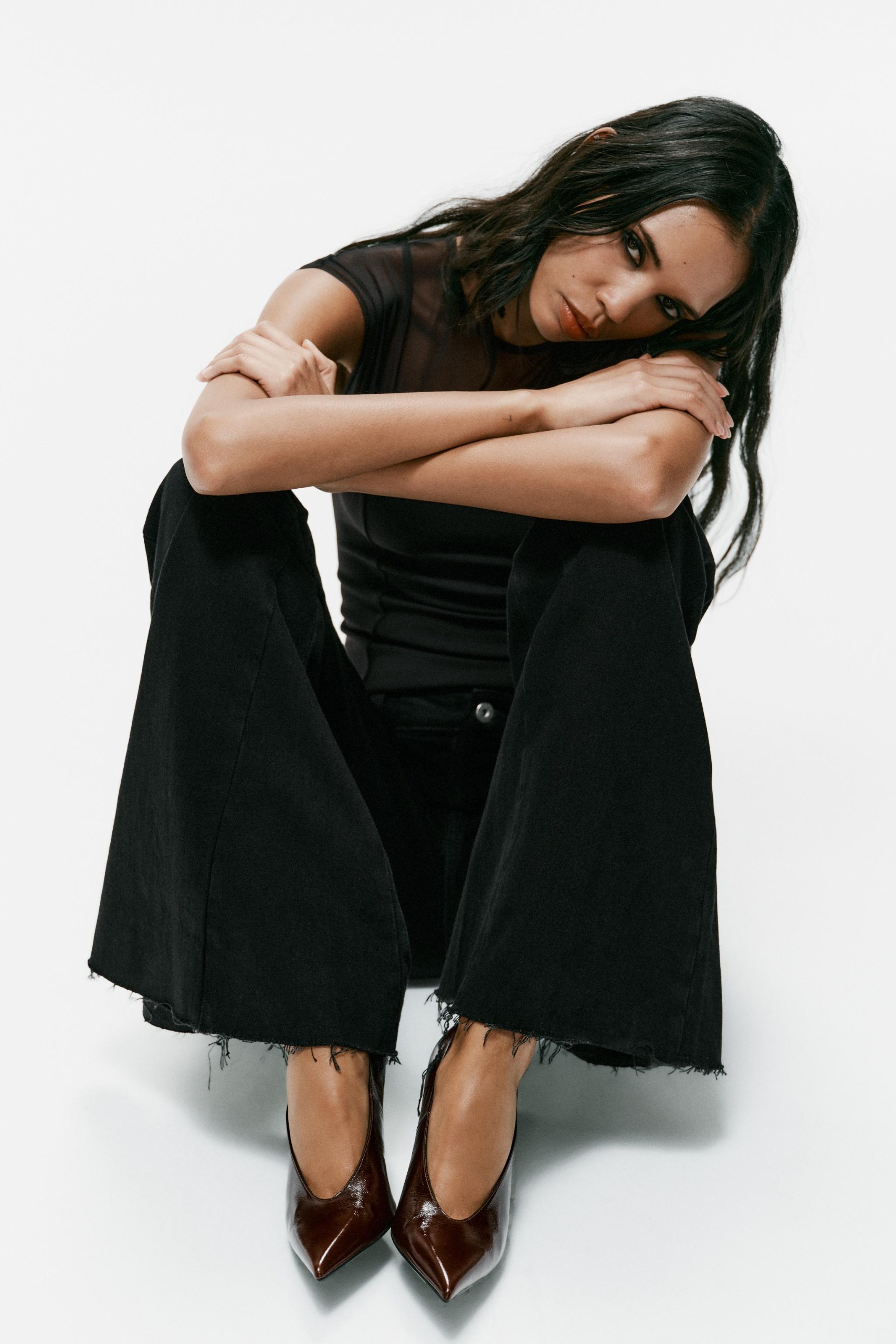
- Fall 2026: This season marks the apex of that transition. The current collection features elevated silhouettes, complex tailoring, and a refined color palette that feels intentionally curated for the "Old Money" and "Minimalist" trends that have dominated the last eighteen months.
Decoding the 2026 Aesthetic: The Outerwear Shift
When looking through the hundreds of product pages available for the current season, a clear narrative emerges: the return of structure. While previous years were dominated by oversized, shapeless puffers, 2026 is defined by architectural precision.
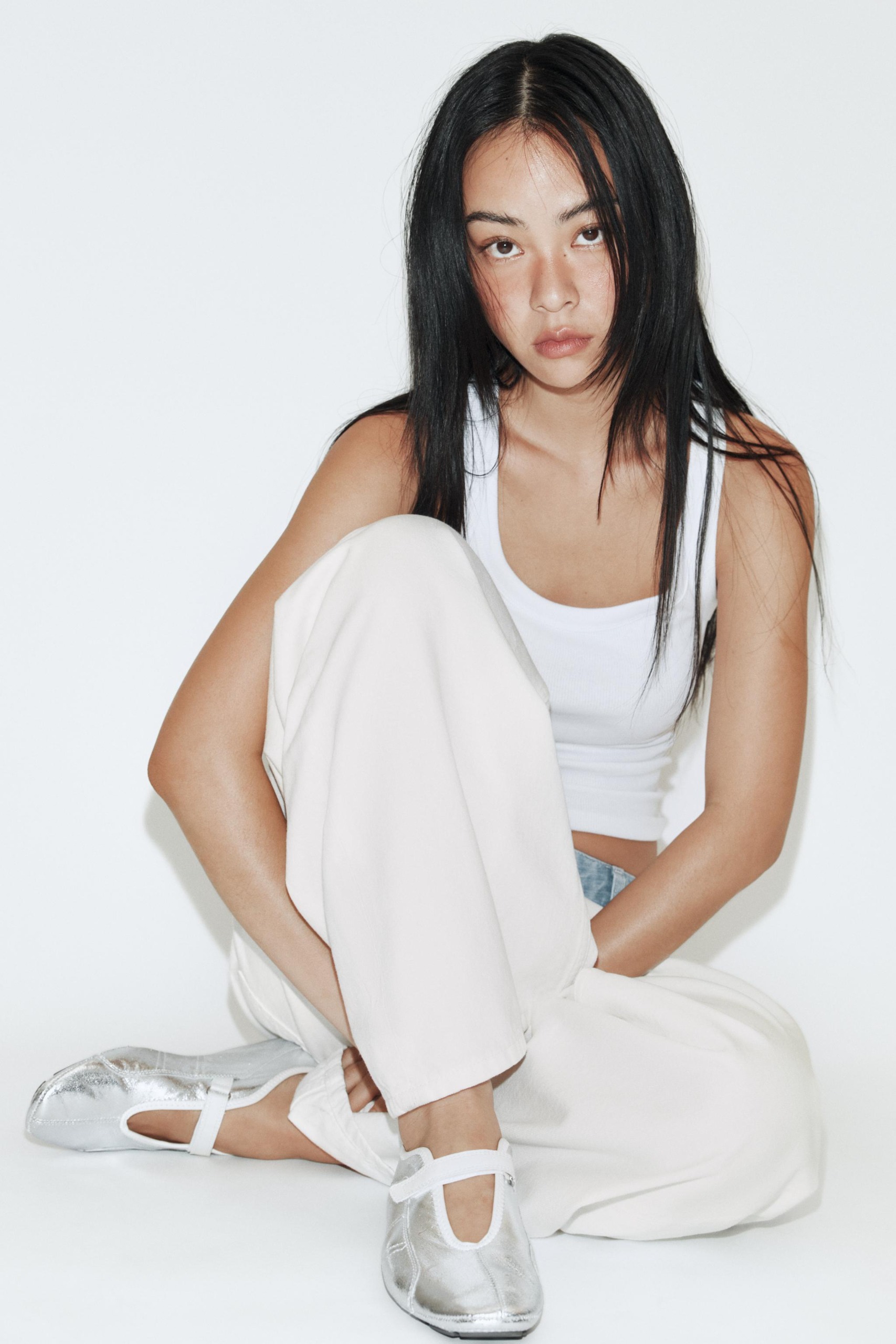
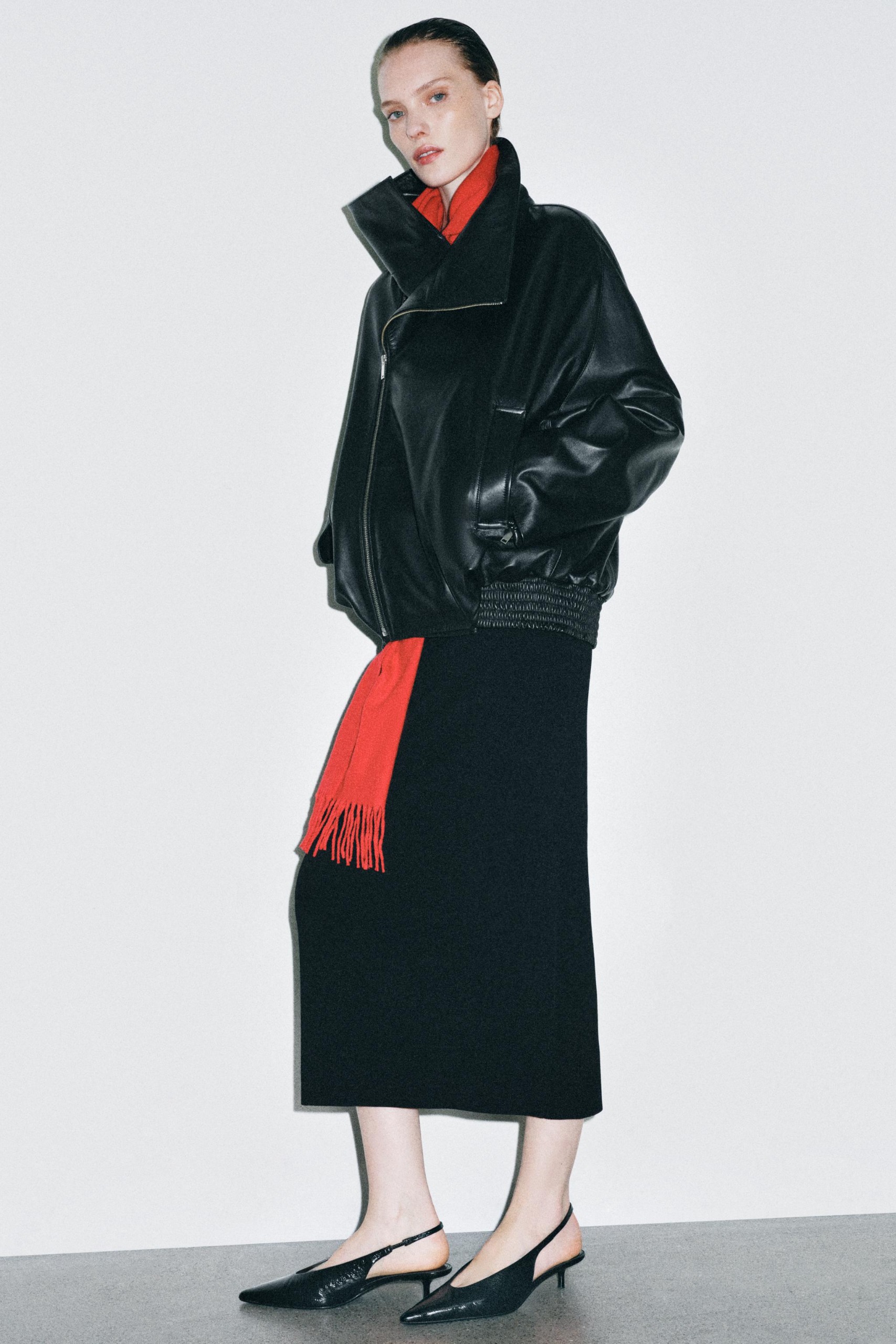
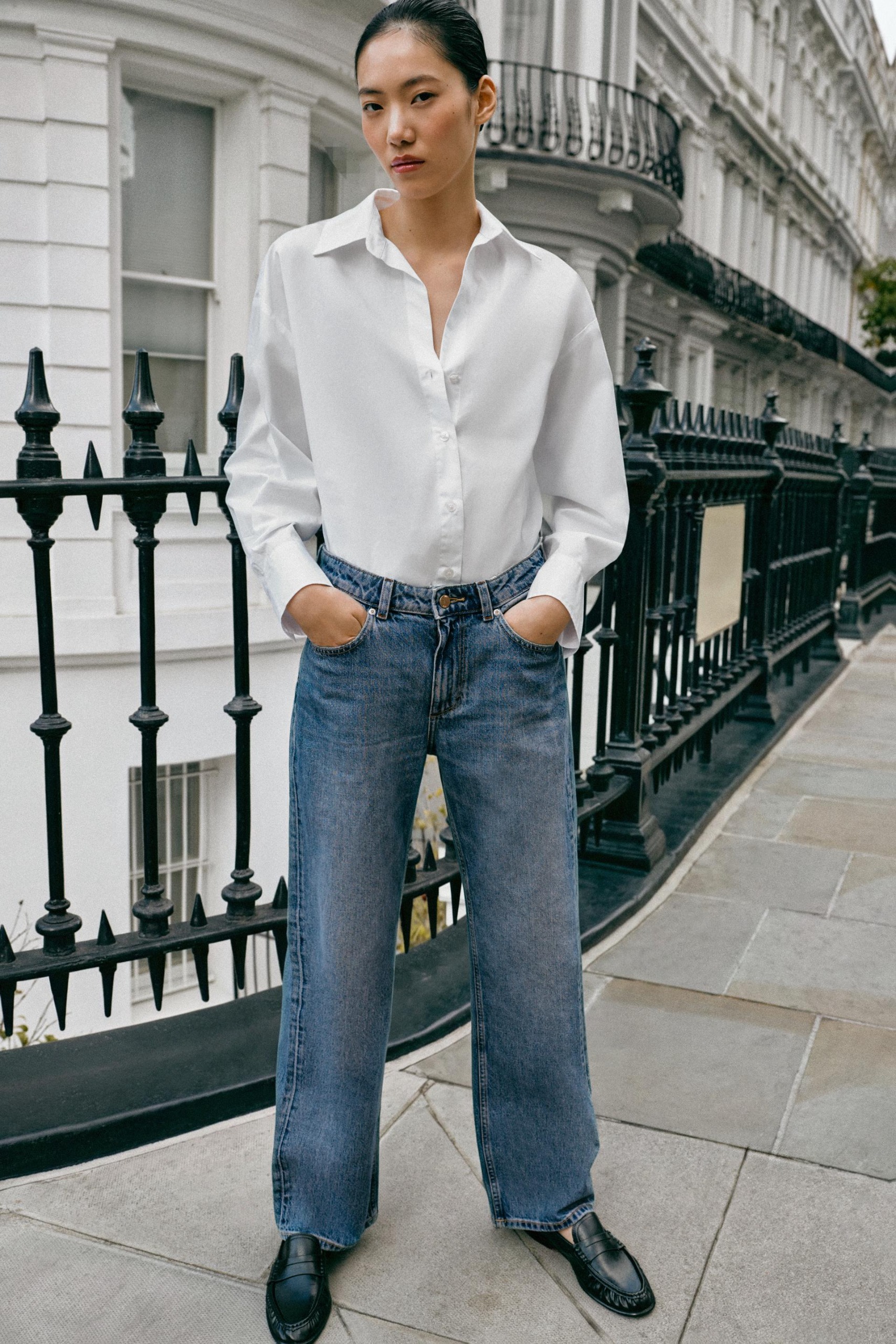
The current editorial edit focuses heavily on the "statement coat." Whether it is a double-breasted wool-blend piece or a sharp, single-breasted trench, the construction suggests a level of detail that defies the sub-$200 price tag. The high-neck wool coat, in particular, has emerged as the hero piece of the season. It serves as a chameleon of sorts—capable of being dressed down with a pair of chunky loafers or elevated with a silk scarf and pointed-toe kitten heels.
The Shoe Department: Where Comfort Meets Catwalk
If outerwear is the skeleton of the Fall 2026 wardrobe, footwear is its soul. The brand’s current shoe collection is a testament to the fact that the "ugly shoe" era has officially ended, replaced by a refined appreciation for classic shapes.
The Rise of the Kitten Heel
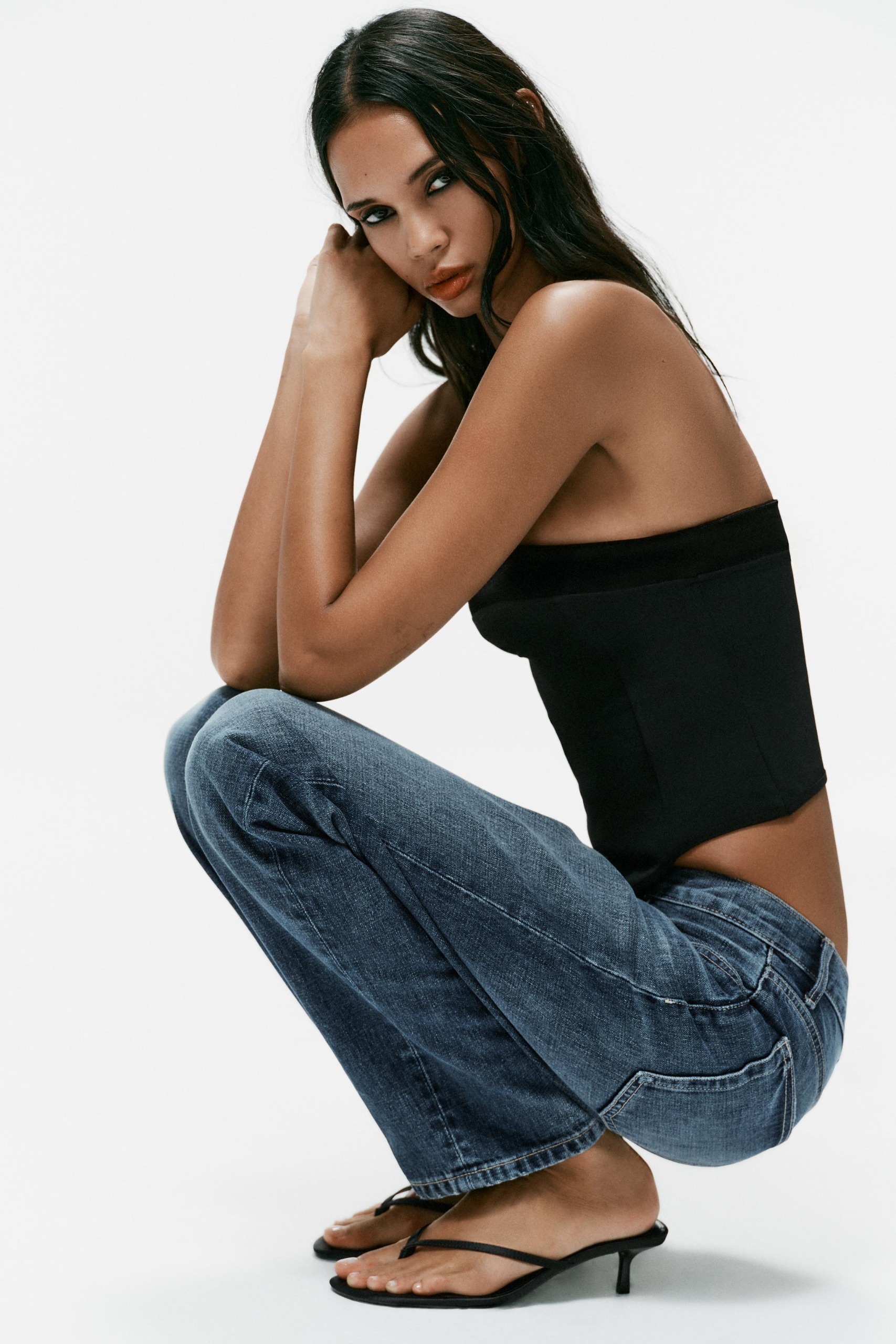
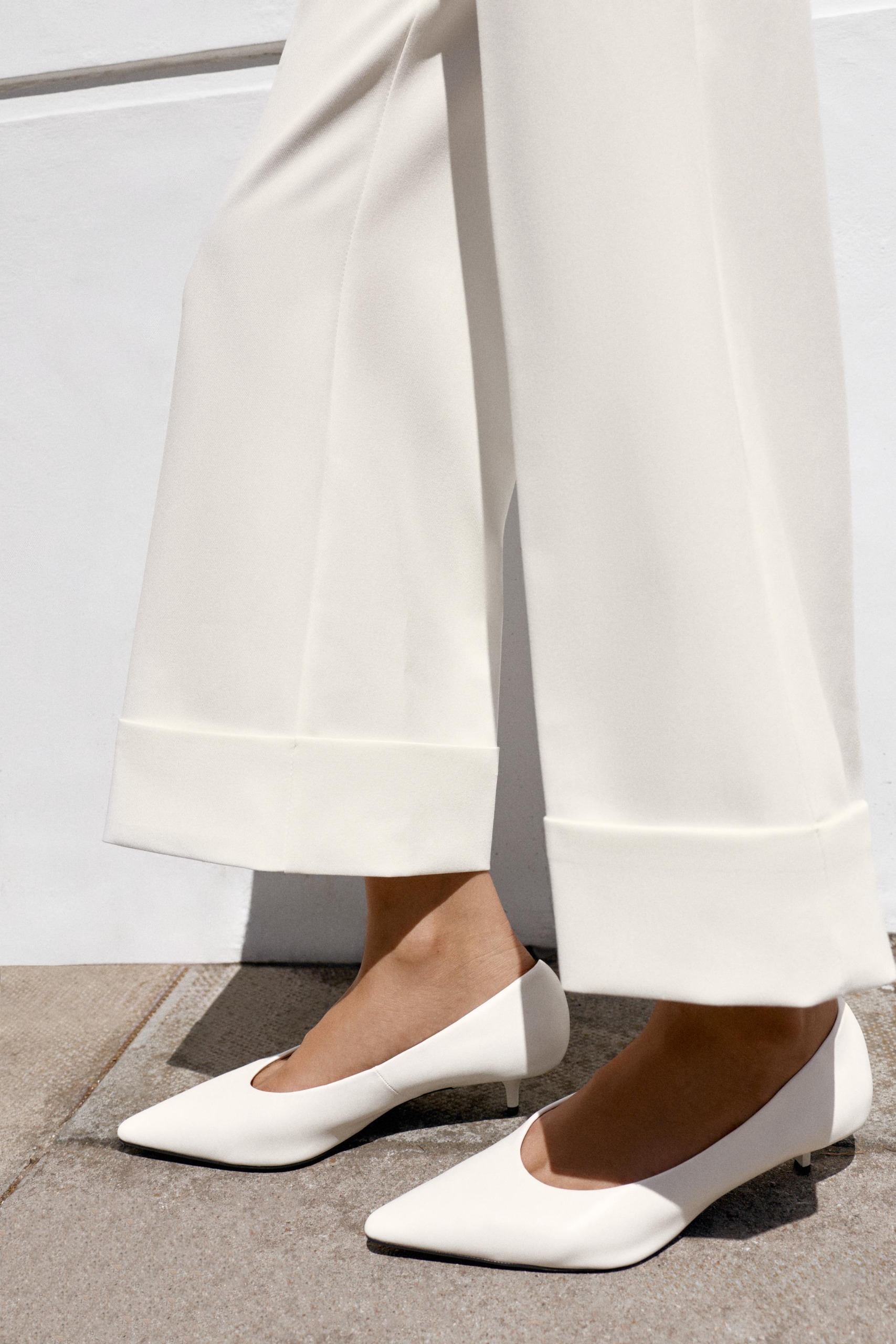
Perhaps the most notable trend of the season is the dominance of the pointed-toe kitten heel. Once considered a dated relic of the early 2000s, it has been revitalized with modern, gathered leather finishes and sophisticated hardware. These are not merely office-appropriate; they are fashion-forward statements that pair perfectly with the cropped trousers and midi skirts that are also trending this fall.
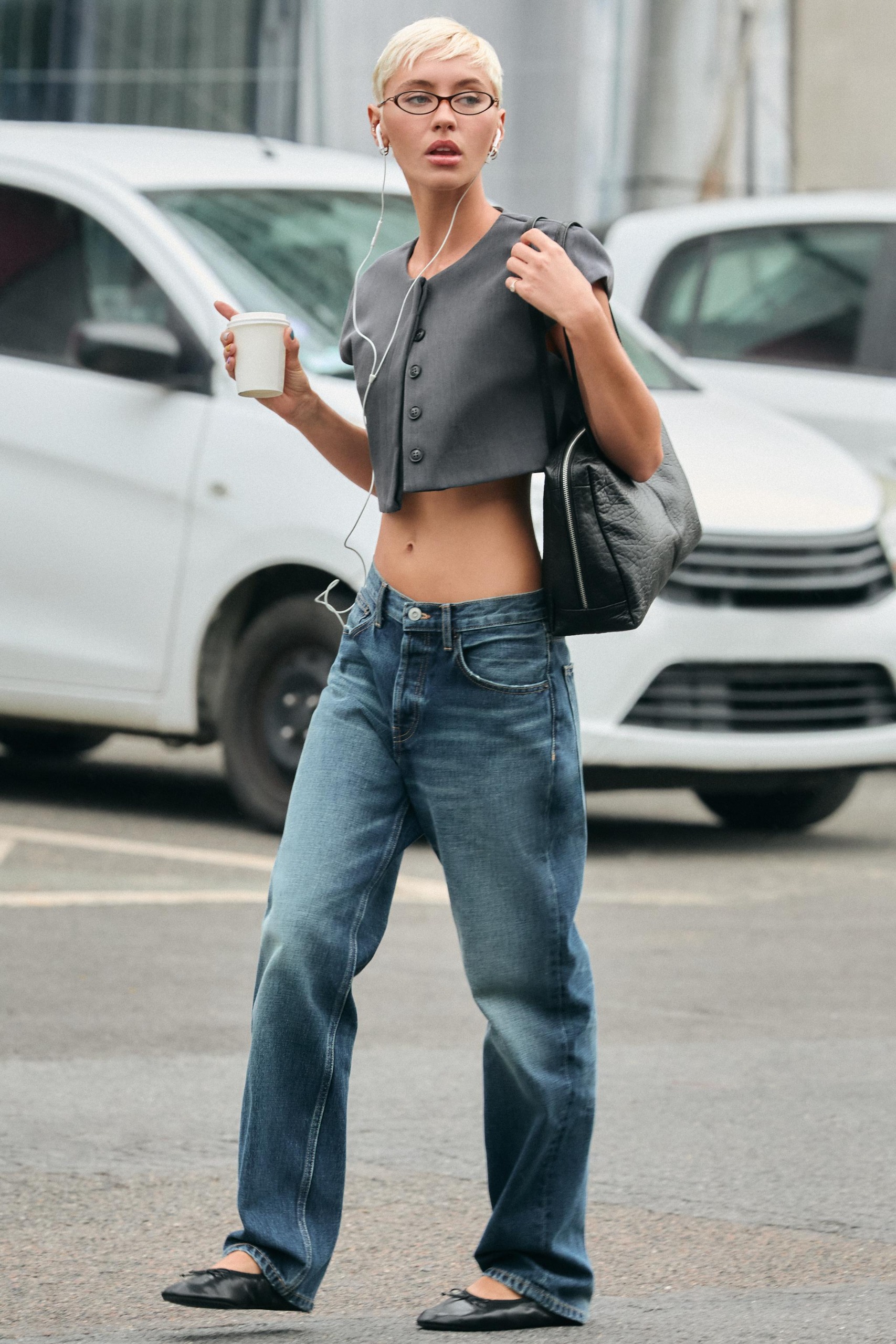
Ballet Flats and the "Sporty" Pivot
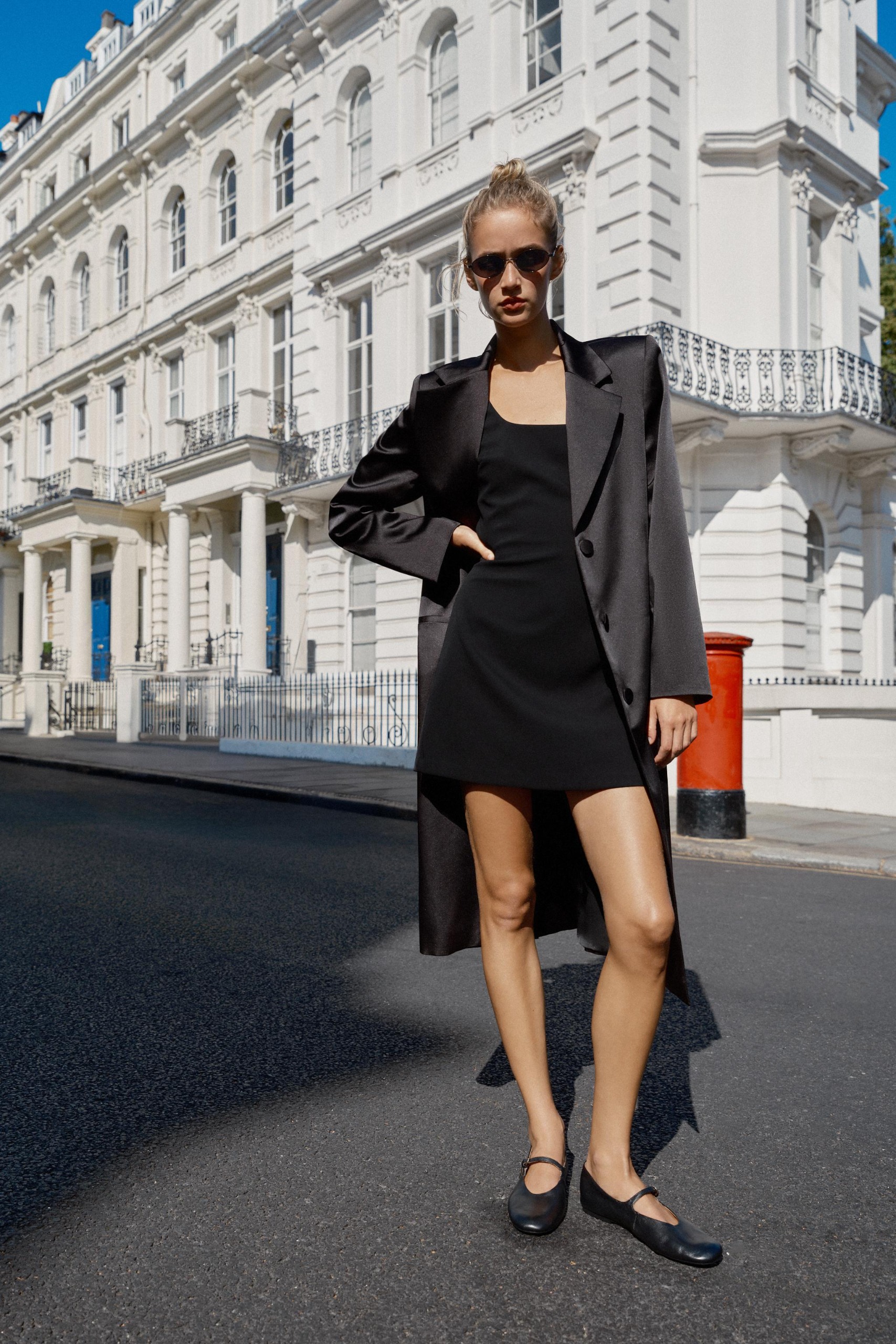
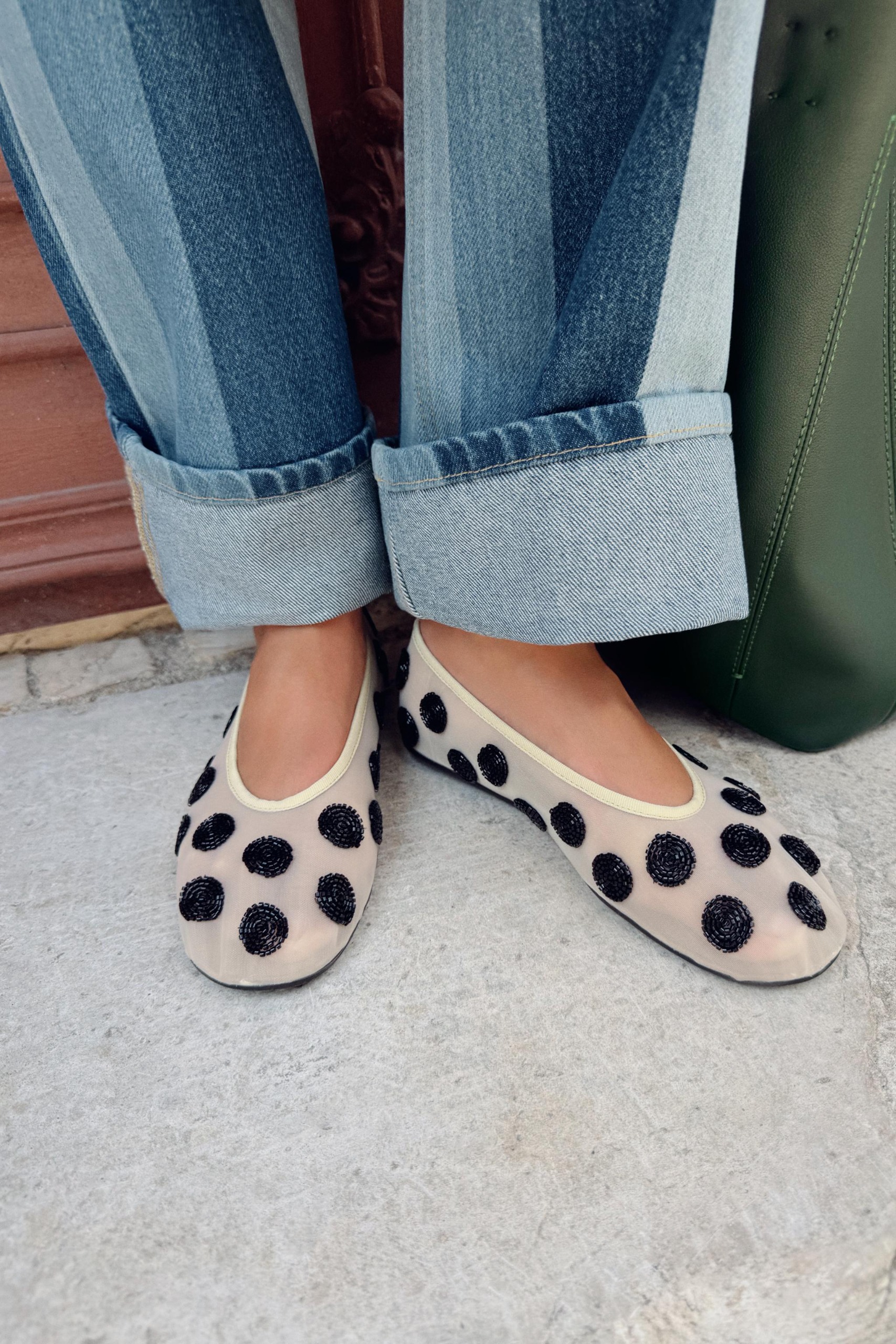
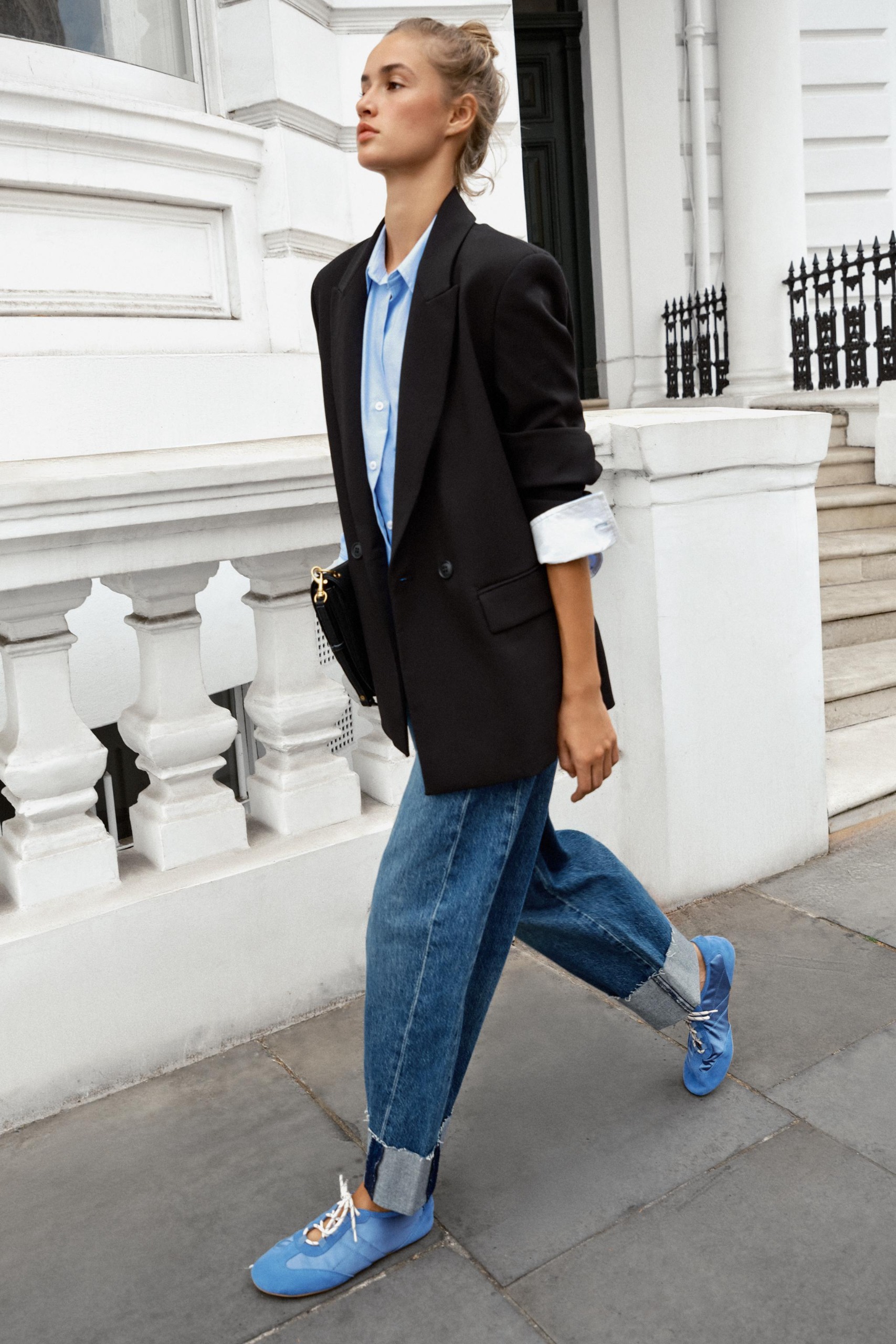
The ballet flat remains a non-negotiable item for the modern woman’s closet. However, for 2026, Zara has introduced a "sporty" iteration of the classic flat. These models, featuring subtle rubber soles and metallic finishes, bridge the gap between an athletic shoe and a dress shoe, providing the versatility that the modern, on-the-go professional demands.
Supporting Data: Why Consumers Are Returning
Industry analysts have noted a significant shift in consumer spending habits throughout 2026. Data suggests that while luxury spending has plateaued, mid-tier and high-street retailers that provide "aspirational quality" are seeing record engagement.
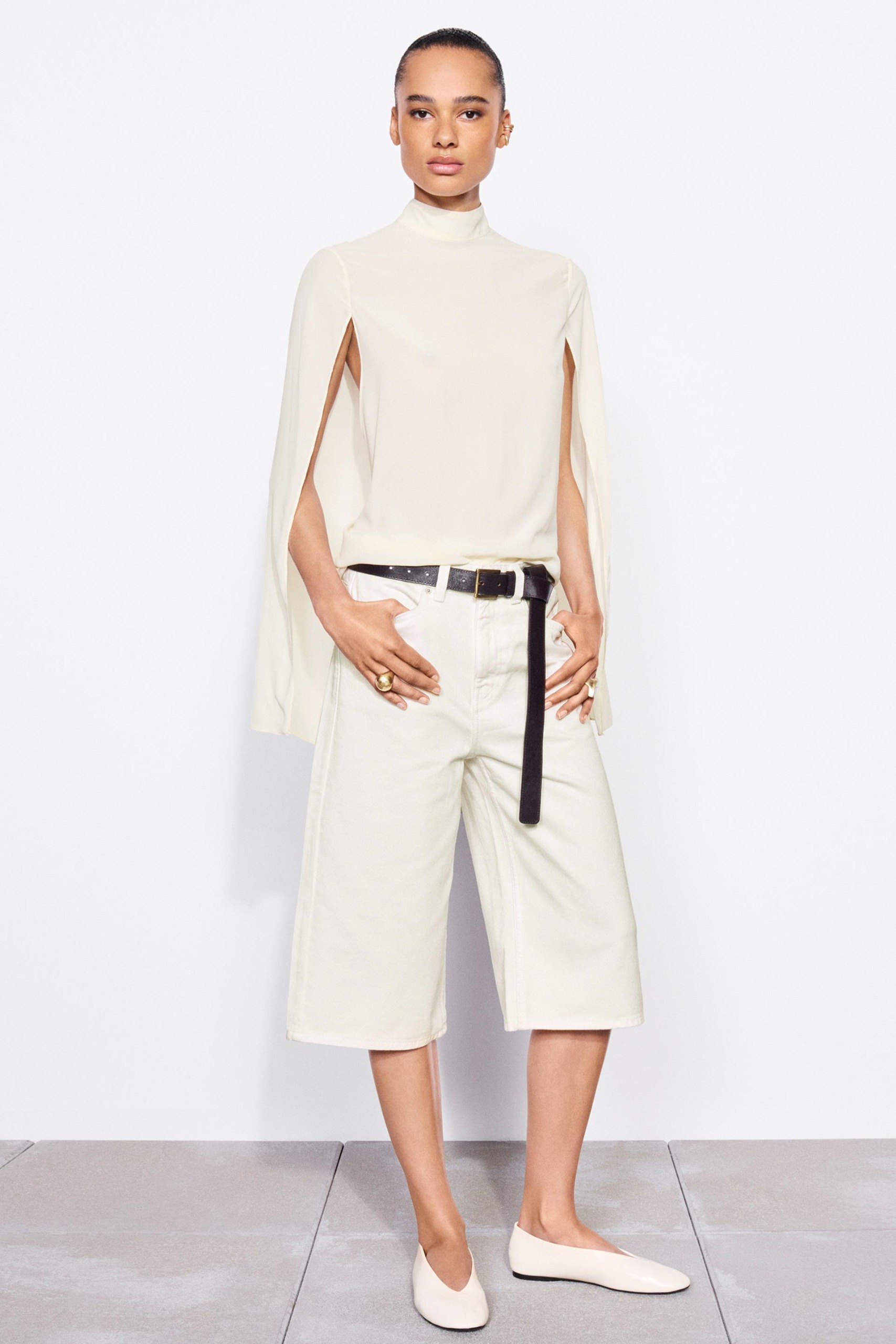
- Fabric Composition: Over 65% of the items in the current Zara outerwear collection contain a higher percentage of natural wool or cotton than in the previous three years.
- Price Elasticity: Despite inflation, the brand has kept its core staple items, such as the classic trench coat, at the $119 price point, creating a psychological "sweet spot" for the average shopper.
- Return Rates: Because the sizing and silhouettes have become more consistent with "true-to-size" tailoring, return rates for these specific categories have dropped by an estimated 12% compared to the previous year.
Official Corporate Strategy: A Focus on "Timelessness"
While the brand remains tight-lipped about internal sales figures, its public strategy has shifted toward the language of sustainability and longevity. In a recent briefing, representatives hinted that the focus for the remainder of 2026 and into 2027 is on "investment-level basics."
By moving away from ultra-niche, hyper-fleeting trends, Zara is positioning itself as a destination for the "forever closet." This strategic pivot is an attempt to align with the growing consumer desire for items that will not look obsolete within six months. The design team has clearly been instructed to lean into monochromatic palettes—deep blacks, charcoal grays, and rich, earthy camels—that allow for ease of styling across a wide variety of existing wardrobes.
The Implications for the Fashion Industry
The success of this current collection has broader implications for the global fashion market. First, it challenges the narrative that quality must be expensive. By leveraging its immense scale to source better materials while maintaining tight control over production timelines, Zara is essentially squeezing the middle-market brands that have failed to innovate.
Second, the "Zara-fication" of the runway aesthetic means that high-fashion brands must work even harder to justify their luxury markups. If a consumer can find a high-neck, wool-blend, perfectly tailored coat at a high-street retailer for $150, the luxury brand must provide more than just a label; it must provide a tangible difference in craftsmanship or a unique artistic vision that cannot be replicated.
How to Curate Your Fall 2026 Capsule
For those looking to build a cohesive wardrobe this season, the strategy should be one of "high-impact, low-maintenance."
- Invest in the Trench: A water-repellent, wind-resistant trench is the ultimate transitional piece. Look for the classic stone or camel tones.
- Elevate with Heels: Replace your heavy winter boots with a pair of gathered leather kitten heels for early-to-mid fall. The silhouette is slimming and adds an instant touch of polish to any outfit.
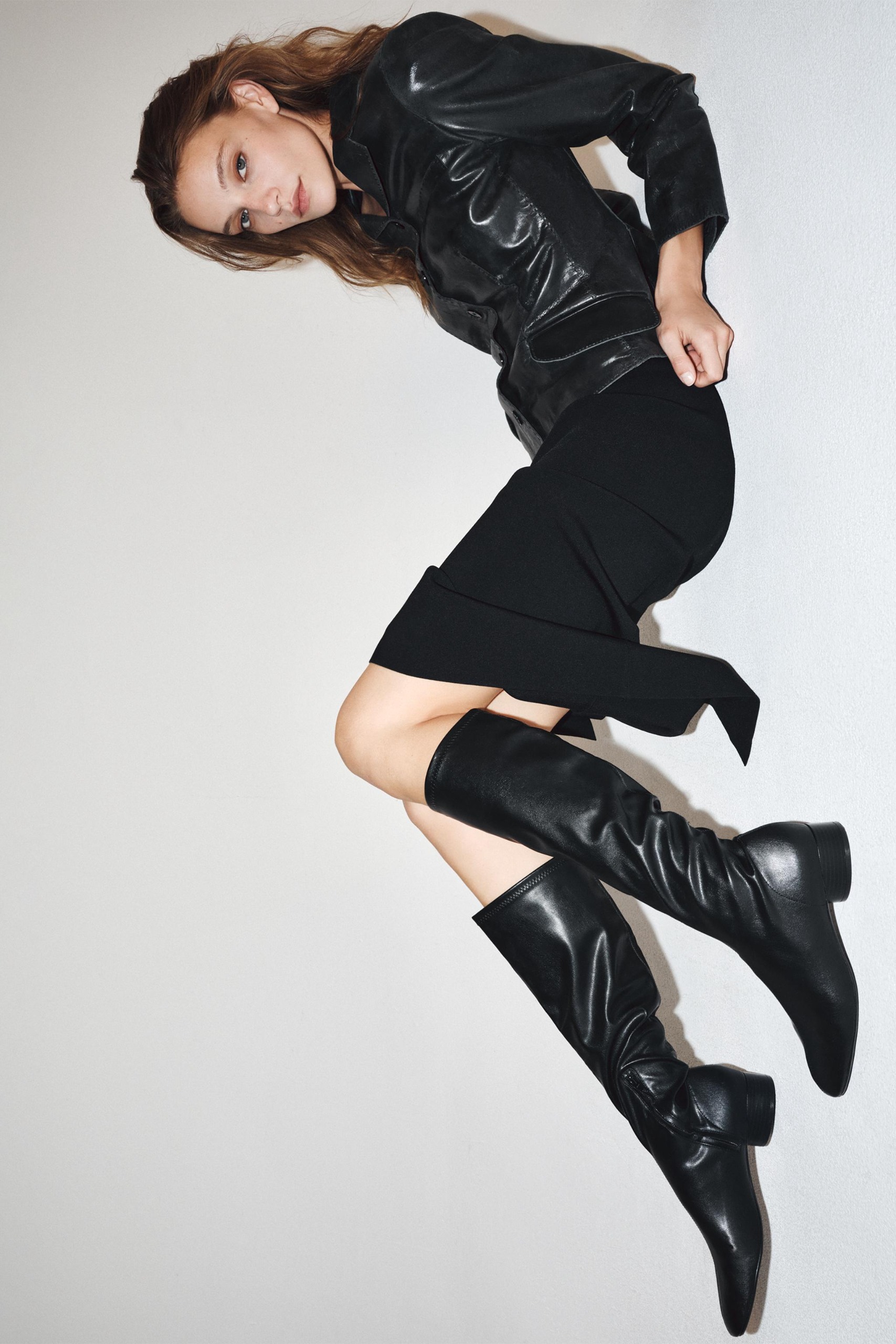
- Mix Textures: When wearing all black—which is easy to do during the colder months—ensure you are mixing textures. Pair a leather-effect jacket with a wool-blend coat or a metallic ballet flat to add depth to your look.
- Prioritize the "Hero" Piece: Spend your budget on one high-quality coat that fits your shoulders perfectly. Everything else in your outfit can be secondary, but a well-fitted coat acts as the anchor for your entire aesthetic.
Conclusion: A New Era of Accessibility
As we navigate the final quarter of 2026, the fashion industry remains a space of constant flux. However, the success of accessible, well-designed staples proves that the modern consumer is smarter than ever. They are no longer interested in buying into trends that will fall apart after a single wash. They are looking for pieces that offer reliability, style, and a sense of timelessness.
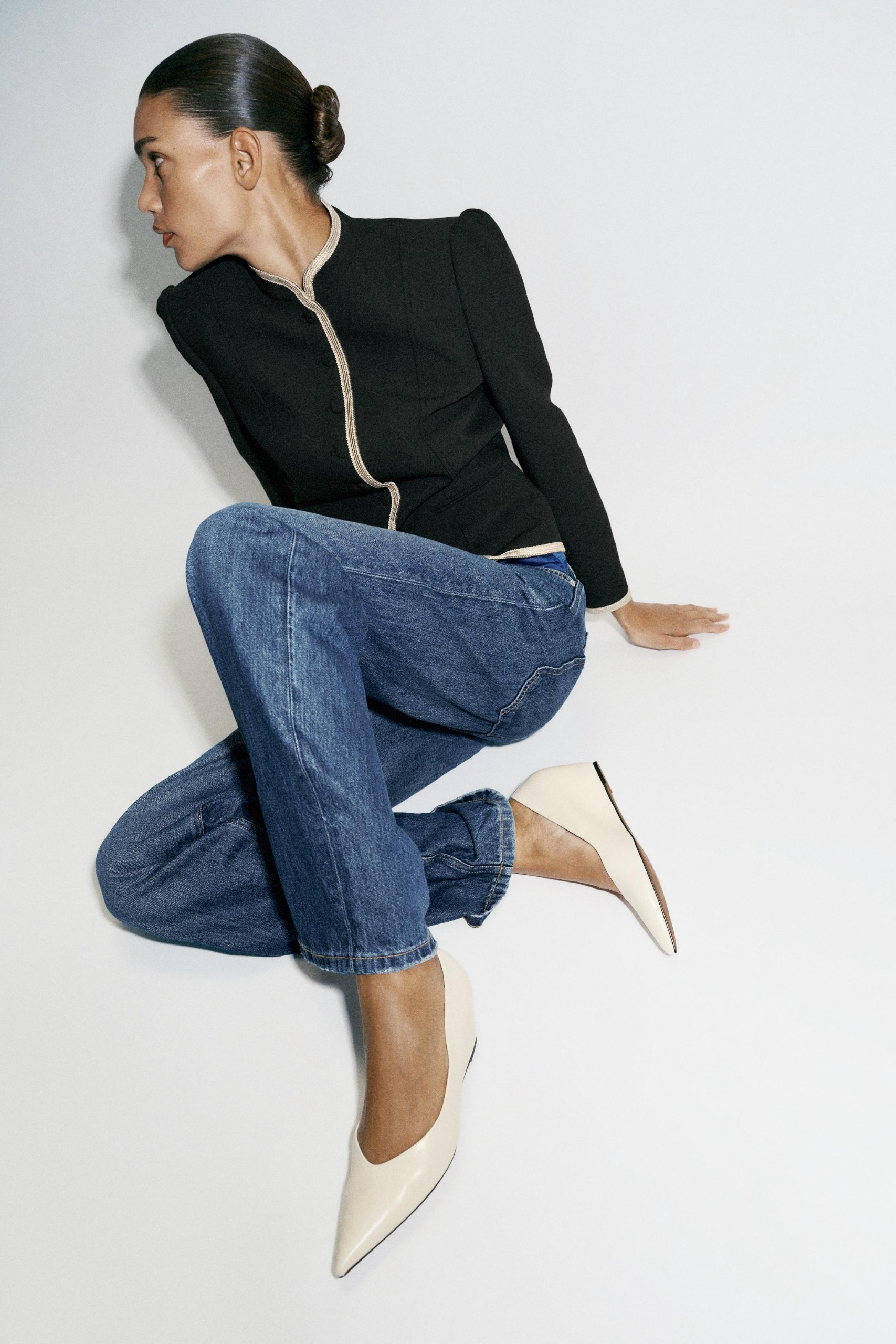
Zara has managed to tap into this sentiment with surprising effectiveness. By focusing on the fundamentals—great fabric, classic tailoring, and versatile design—the brand has moved beyond the "fast fashion" label. It has become a reliable partner in the daily ritual of getting dressed. Whether you are searching for the perfect pair of ballet flats to take you through the workday or a belted trench coat that can handle the unpredictable autumn winds, the current collection offers a glimpse into what the future of accessible fashion looks like: thoughtful, refined, and undeniably chic.
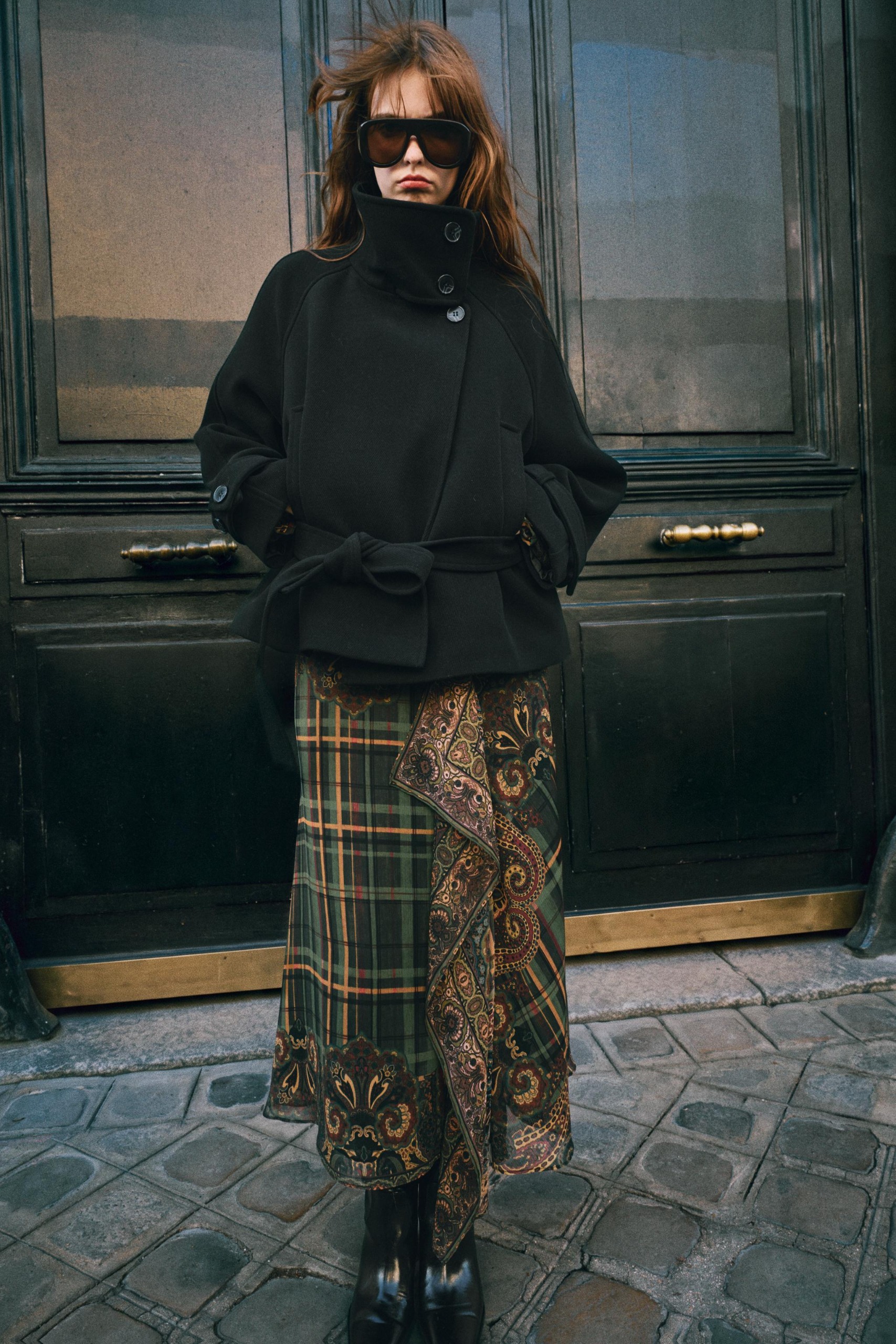
As we look ahead to the winter months, the lesson of 2026 is clear: you don’t need to break the bank to look put-together. You simply need to know where to look, and more importantly, what to look for. In the case of this season’s standouts, the answer is often found on the racks of the very store you might have previously walked past. It is time to reconsider the high-street, not as a place for fleeting whims, but as a source for the foundational pillars of your personal style.
