

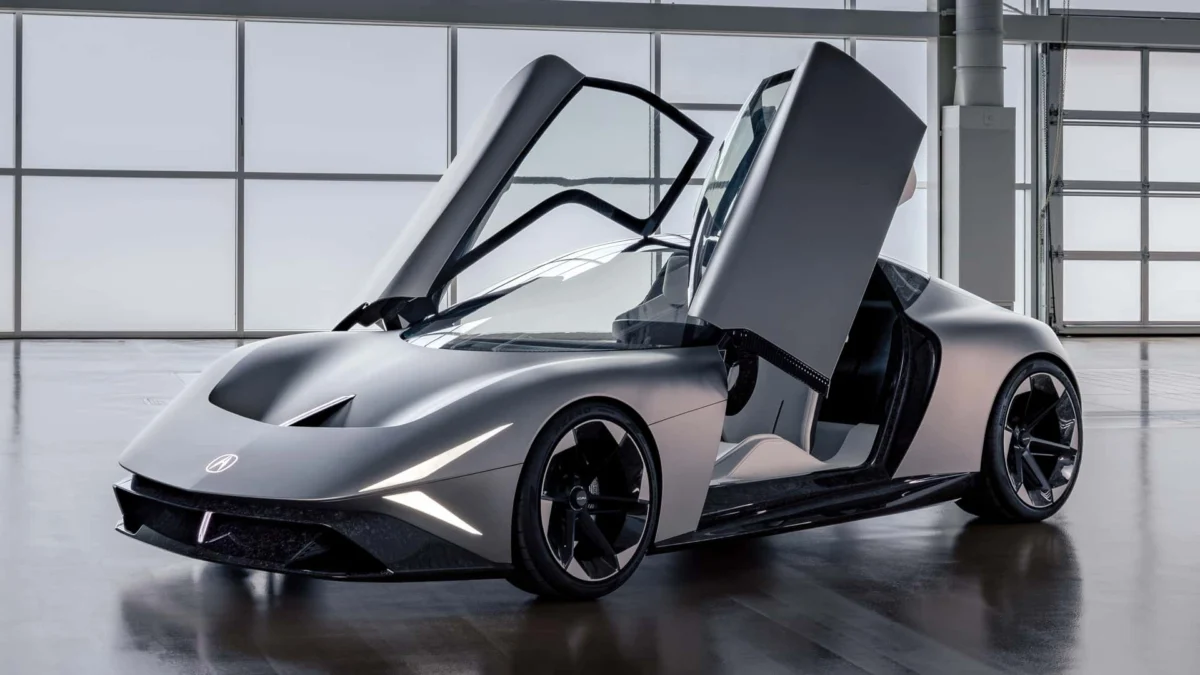
Acura, the luxury division of Honda Motor Company, is embarking on a comprehensive, multi-year transformation aimed at cementing its position in the competitive North American premium market. As the brand eyes a ambitious goal of reaching 200,000 annual vehicle sales in the United States by the end of the decade, it is fundamentally reshaping its product portfolio. By expanding its lineup from four to six models and leaning into electrification and rugged utility, Acura is signaling a departure from its current niche status toward a more aggressive, high-volume strategy.
The strategy, unveiled to dealers during a pivotal meeting in Las Vegas, outlines a future where Acura moves beyond its traditional sedan-and-crossover foundation to embrace the segments currently driving the industry: flagship luxury SUVs and "adventure-ready" lifestyle vehicles.
The Roadmap: A Chronology of Expansion
Acura’s transformation is not a singular event but a phased rollout designed to keep dealer showrooms fresh and consumer interest high through 2030.
The Immediate Future: The RDX Transition
The first major shift occurs later this year. The current Acura RDX, a cornerstone of the brand’s crossover sales, will see its production come to a temporary halt. However, this is not an exit, but an evolution. The RDX is slated to return as a hybrid model, marking a significant milestone for the automaker. It will be the first vehicle in the Acura stable to feature the company’s sophisticated new two-motor hybrid system, a technology designed to balance performance with the tightening fuel economy standards of the coming years. This next-generation RDX will also serve as the canvas for Acura’s new global design language, which the company teased in January.
2026-2027: Special Editions and Market Maintenance
In the interim years, Acura will focus on keeping its current inventory competitive. With the ADX and MDX serving as the primary pillars of the crossover lineup through 2027, the brand is planning a series of limited-production special editions to drive showroom traffic. Furthermore, enthusiasts can expect a limited-run version of the Integra Type S, reinforcing the brand’s commitment to performance driving despite its broader pivot toward high-utility SUVs.
2028 and Beyond: The New Flagship and Adventure SUVs
The latter half of the decade will see the most drastic changes. By the first half of 2028, Acura will launch an "adventure-ready" SUV. Based on the architecture of the Honda Passport, this new model will feature distinct, luxury-oriented styling, including a unique hood design and premium interior appointments. While it shares a platform with its mass-market sibling, the Acura version will remain combustion-powered, targeting a demographic that demands off-road capability without sacrificing brand prestige.
Finally, the decade will conclude with the launch of an all-new eight-passenger flagship SUV. This vehicle is positioned to be the largest in the brand’s history, featuring a bold, Range Rover-inspired design language. It is expected to share a platform with the next-generation Acura MDX, and industry reports suggest a Honda-badged sibling—internally referred to as the "Pilot XXL"—will also emerge from this development program.
Supporting Data: The Competitive Landscape
To understand why Acura is making these moves, one must look at the cold, hard data of the luxury "rat race." In 2025, Acura moved 133,433 units in the U.S. market. While respectable, this figure leaves a significant gap of approximately 66,500 units to reach their 200,000-vehicle target.
The luxury sector is increasingly crowded. Competitors like Mercedes-Benz are aiming even higher, with reports indicating they are targeting 400,000 annual units in the U.S. While Mercedes-Benz finished 2025 with just over 300,000 sales, the sheer scale of the German manufacturer’s ambition underscores the pressure on smaller luxury players to either scale up or risk marginalization.
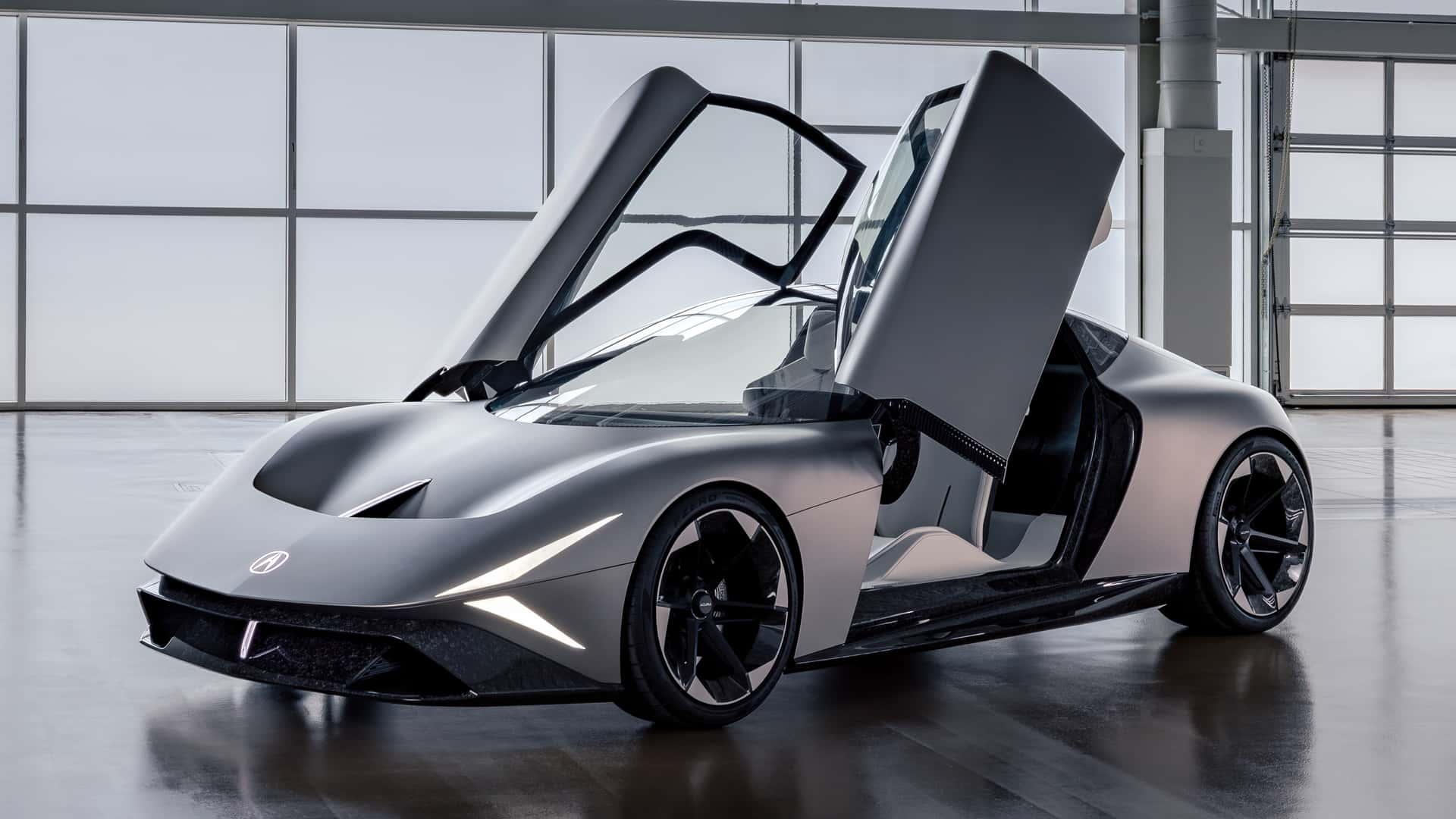
Acura’s current reliance on four core models leaves it vulnerable to market volatility. By increasing the model count to six, the brand is diversifying its revenue streams. The decision to enter the "full-size, three-row luxury" segment is particularly telling. Currently, the market is dominated by the Cadillac Escalade and the Lexus TX. By introducing a model that can compete in this space, Acura is finally addressing a void in its showroom that has long forced loyalists to defect to other brands once their families outgrew the MDX.
Official Stance and Philosophy
While specific performance metrics and pricing remain under wraps, the brand’s messaging is clear. Regarding the upcoming Passport-based adventure SUV, Acura stated that the model "will deliver the capability customers need for their outdoor adventures along with modern and premium styling." This indicates a shift in the brand’s DNA; rather than just being a "sporty" luxury brand, Acura is pivoting toward "lifestyle-integrated" luxury.
The company’s decision to embrace hybrid technology for the RDX suggests that Acura is taking a pragmatic approach to electrification. Rather than jumping headlong into pure battery-electric vehicles (BEVs) before the charging infrastructure is fully mature, the brand is using its two-motor hybrid system as a bridge. This strategy allows Acura to offer the improved efficiency and power that modern consumers demand while avoiding the range anxiety that still plagues pure EV adoption in some segments of the American market.
Strategic Implications: Can They Reach the Goal?
The path to 200,000 sales is fraught with challenges. The most significant obstacle is the current market saturation. For Acura to add 66,000+ sales, they must not only convert buyers from other brands but also prevent their own customers from leaving the brand during the transition periods where popular models like the RDX are out of production.
The "Pilot XXL" Factor
The success of the new flagship SUV will likely be the make-or-break factor for the 200,000-unit goal. The three-row, large SUV segment is incredibly high-margin. If Acura can deliver a vehicle that offers the gravitas of a Range Rover but with the legendary reliability and lower cost-of-ownership associated with the Honda/Acura family, they could see a massive influx of conquest sales from current Cadillac or Lexus owners.
Balancing Luxury and Utility
The risk of using shared platforms—specifically the relationship between the upcoming Acura adventure SUV and the Honda Passport—is "badge engineering." If the Acura variant feels too similar to the Honda version, the brand will struggle to justify the price premium required to maintain its luxury status. The mention of "unique styling" and "distinct hoods" suggests that Acura’s design team is acutely aware of this challenge. They must ensure the driving dynamics, cabin materials, and NVH (noise, vibration, and harshness) levels are sufficiently "Acura" to satisfy premium buyers.
A Measured Outlook
Acura is currently in a "reset" phase. The decision to pull the RDX temporarily to retool for a hybrid future shows a willingness to accept short-term pain for long-term gain. However, the reliance on only two new models to bridge such a large sales gap implies that the brand is counting on high-volume, high-conquest rates for these new entries.
In conclusion, Acura is positioning itself for a "second act." By diversifying its SUV portfolio to include both an off-road-capable utility vehicle and a massive, luxury-focused flagship, the brand is finally broadening its appeal to match the diverse needs of the modern American luxury consumer. Whether this plan will be enough to hit the 200,000-unit mark by 2030 remains to be seen, but the intent is clear: Acura is no longer satisfied with being a peripheral player. They are coming for the big leagues.
