

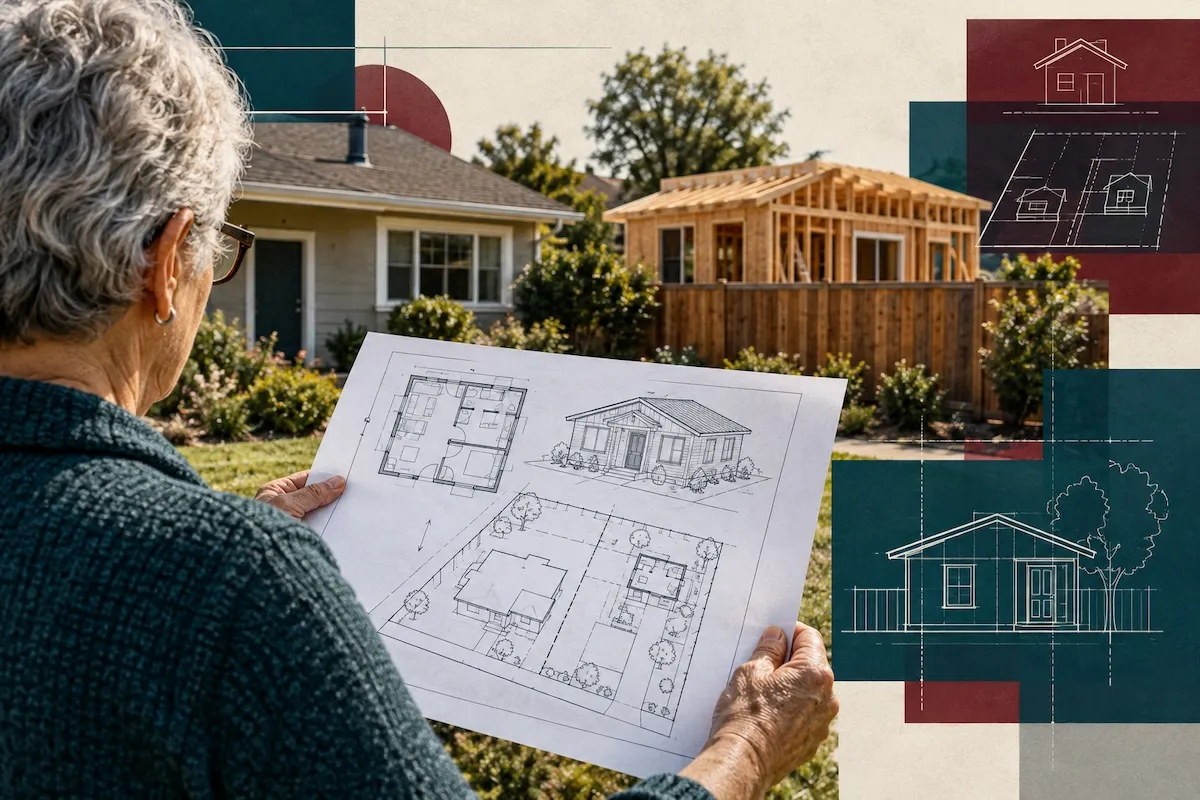
As California grapples with an intractable housing shortage, Alameda County is pioneering an ambitious, multi-layered initiative that aims to solve two crises simultaneously: the lack of entry-level housing for young families and the financial vulnerability of aging homeowners. By leveraging a suite of recent state-level housing legislation, the county is crafting a blueprint that allows seniors on fixed incomes to "right-size" their living arrangements while unlocking the hidden equity in their land.
The program, which is currently in the developmental phase, envisions a future where the traditional "family home" is not a burden to be sold in desperation, but a platform for sustainable living. By building Accessory Dwelling Units (ADUs), subdividing lots, and selling the primary residence, Alameda County believes it can help seniors age in place—or at least within their own communities—while injecting much-needed housing stock into the regional market.
The Mechanics of the Program: How the Strategy Functions
At its core, the initiative is designed to address the "locked-in" effect, where seniors remain in oversized, maintenance-heavy homes because they cannot afford the property taxes or the costs associated with moving to a smaller, more accessible unit.
The Lifecycle of the Initiative
The program functions through a strategic sequence of events:
- Assessment and Planning: Homeowners work with county-appointed administrators to determine if their lot is eligible for a subdivision under state law.
- Construction: Utilizing specialized financing, an ADU is built on the property. This unit is designed to be fully accessible, meeting the long-term needs of an aging resident.
- Transition: Once the ADU is completed and permitted, the senior moves into the smaller, more manageable dwelling.
- Subdivision and Sale: The property is formally subdivided. The original, larger family home is sold to a new buyer.
- Debt Repayment and Security: The proceeds from the sale of the primary home are used to pay off the initial construction loan for the ADU, leaving the senior with a smaller, debt-free, or mortgage-light asset and a cash cushion for retirement.
This "land-unlocking" model relies heavily on the synergy of three critical California laws: Assembly Bill 68, which streamlined the permitting process for ADUs; Proposition 19, which allows seniors to transfer their property tax base to a new home (or in this case, a new parcel); and Senate Bill 9, which provides a streamlined ministerial process for splitting single-family residential lots.
Chronology of Development: From Concept to Implementation
The timeline for this initiative reflects the cautious, deliberate pace of municipal policy-making, tempered by the urgent need for housing results.
- 2023–2024: Legislative Synthesis: Alameda County housing officials spent the last eighteen months identifying the legal intersections between state laws that were previously viewed as separate policy silos. By combining SB 9’s lot-splitting capacity with ADU incentives, the county identified a scalable path forward.
- 2025: Administrative Foundation: The current phase involves securing funding, identifying potential administrative partners, and establishing legal safeguards to protect seniors from predatory lending or construction pitfalls.
- 2026: Preparation and Outreach: The county will focus on pilot selection, vetting contractors, and refining the counseling process for participating seniors.
- 2027: The Launch: Formal outreach to the public will begin in early 2027. The goal is to facilitate the completion of the first 10 units, serving as a "proof of concept" phase.
- 2027–2029: Scaling: The program aims to scale to 50 units within two years of the initial launch, providing a robust dataset for potentially expanding the program throughout the Bay Area.
Supporting Data: The Economic and Demographic Imperative
The impetus for this program is backed by clear demographic shifts. According to a 2024 AARP survey, housing costs remain the primary driver for relocation among older adults, a trend that threatens the stability of long-term residents.
The ADU Interest Gap
Despite the high cost of construction, the demand for ADUs is surging. The same AARP survey indicates that one in four homeowners over the age of 50 has actively considered constructing an ADU on their property. This desire, however, is often stifled by:
- Financing Constraints: Seniors on fixed incomes struggle to secure traditional construction loans.
- Permitting Complexity: Even with state-level reforms, navigating local planning departments remains a significant barrier.
- Equity Preservation: Many seniors are wary of encumbering their property with debt that might jeopardize their heirs’ inheritance.
Market Context: The "Right-Sizing" Need
In Alameda County, the median home price far exceeds the reach of first-time homebuyers. By subdividing lots, the county is effectively creating a new tier of housing. A 1,000-square-foot ADU, while modest, provides a high-quality living space for a single person or a couple, while the original, larger home returns to the market as a single-family residence, potentially housing a growing family.
Official Responses and Strategic Vision
Michelle Starratt, director of the Alameda County Housing Department, has been the public face of this initiative. In recent statements, she has emphasized that the program is not just about real estate—it is about human dignity.
"That senior is then walking away with a smaller unit, a right-sized unit that they then can live in, hopefully more accessible, and we have created an opportunity for a new family to have a home," Starratt explained in a recent interview.
Starratt acknowledges that the program is not a "one-size-fits-all" solution. The county is acutely aware of the "human element" of this transition. For many seniors, the family home is a repository of memories. Moving into a smaller unit on the same land is a compromise that requires emotional, as well as financial, preparation. To address this, the county is seeking an administrator who can provide holistic support—counseling seniors on the financial benefits while helping them navigate the emotional complexities of downsizing.
Implications and Challenges: Navigating the Road Ahead
While the Alameda County proposal is innovative, it is not without significant hurdles. The success of the program will depend on how the county navigates several friction points.
The "Heirloom" Dilemma
One of the most persistent obstacles is the generational expectation of homeownership. Many seniors view their home as the primary asset to pass down to their children. Subdividing the lot or selling the main house can be viewed as "liquidating the legacy." County officials are working to frame the program as a way to preserve family wealth by converting stagnant equity into liquid assets that can be passed on, rather than a home that may eventually become a burden to maintain.
The Neighborly Relationship
A unique social challenge identified by local officials is the post-sale dynamic. If a senior remains in an ADU while a new family moves into the original house, the traditional neighbor-to-neighbor relationship is transformed into a landlord-tenant or co-occupant dynamic. Establishing clear boundaries, expectations, and legal protections for both the senior and the new owner will be essential to preventing long-term conflict.
The Role of Alternative Financing
The program is being developed alongside the broader conversation about reverse mortgages. The Federal Housing Administration (FHA) offers the Home Equity Conversion Mortgage (HECM) for Purchase, which allows seniors to use the proceeds from a home sale to purchase a new, more accessible home without the burden of monthly mortgage payments.
While the county’s ADU program is distinct, it mirrors the HECM philosophy: providing seniors with the liquidity they need to sustain their quality of life. Industry experts note that these tools remain underused, largely due to a lack of awareness and a pervasive stigma surrounding reverse mortgages. The Alameda County program could serve as an educational bridge, helping seniors understand that there are multiple pathways to leveraging their home equity for a more stable retirement.
Policy Evolution
The program’s reliance on state law—specifically SB 9—means that any shift in state-level political priorities could impact the county’s initiative. However, as the housing crisis continues to dominate California politics, the trend toward densification and property-right expansion appears to be a long-term shift rather than a temporary policy whim.
Conclusion: A Model for the Future?
Alameda County’s experiment represents a shift in how local governments approach the aging crisis. Rather than relying on the construction of massive, subsidized apartment complexes, the county is looking at the existing residential fabric to find solutions.
If successful, the 10-unit pilot in 2027 could catalyze a new wave of policy adoption across the state. It offers a vision where the "American Dream" of homeownership evolves from a static, lifelong commitment to a dynamic, flexible asset that can be adapted to the changing needs of a lifecycle. By empowering seniors to take the lead in addressing the housing shortage, Alameda County is not just building units; it is redefining the relationship between the homeowner, the land, and the community.
As the project moves from the planning stage to implementation, all eyes will be on how the county manages the delicate balance of regulatory compliance, financial accessibility, and the human need for stability. Should it succeed, it may well provide the template for a more equitable and efficient housing market in the decades to come.
