

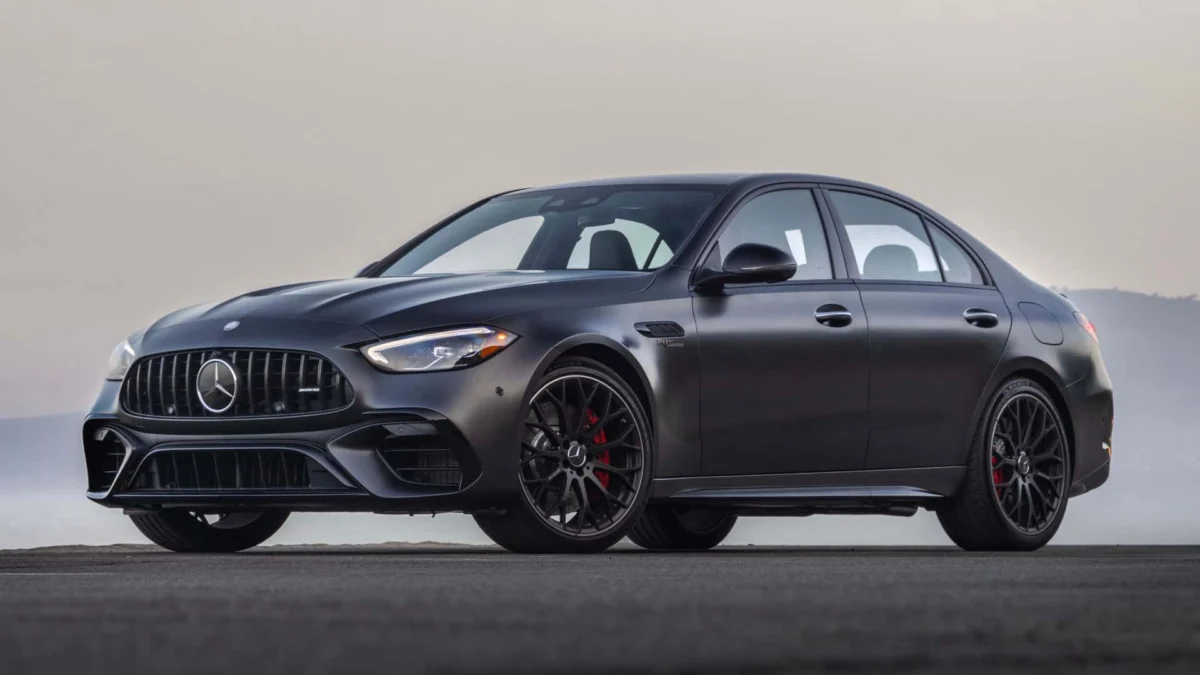
In the world of high-performance automotive engineering, few nameplates carry the weight and historical significance of the Mercedes-AMG C63. For decades, the "63" badge served as a shorthand for tire-shredding, V8-powered brutality—a raucous, visceral experience that defined the German muscle car segment. However, the recent shift toward downsizing and complex plug-in hybrid technology left a sour taste in the mouths of many brand loyalists. Now, as the dust settles on the polarizing four-cylinder C63 E Performance, whispers from the halls of Affalterbach suggest that Mercedes-AMG is ready to pivot, potentially offering a dual-path future that caters to both the electric pioneer and the traditional combustion enthusiast.
A Legacy at a Crossroads: The Rise and Fall of the Four-Cylinder Experiment
To understand why a potential change in direction is being met with such anticipation, one must look at the recent history of the C63. Mercedes-AMG, facing tightening global emissions regulations and the industry-wide push toward fleet electrification, made the bold, controversial decision to replace the iconic 4.0-liter twin-turbocharged V8 engine with a complex, high-output 2.0-liter four-cylinder hybrid powertrain.
On paper, the statistics were undeniable. With a combined output of 671 horsepower, the hybrid C63 was objectively faster and more technologically advanced than its predecessors. Yet, the driving experience failed to capture the "soul" that defined the AMG lineage. Enthusiasts pointed to the significant curb weight—a byproduct of the heavy battery pack and electric motor—and the loss of the thunderous, naturally aspirated (or even twin-turbo) V8 soundtrack as insurmountable hurdles. The market spoke, and the sales figures for the four-cylinder variant reflected a clear mismatch between the manufacturer’s technical ambition and the customer’s emotional expectations.
The Winds of Change: Insights from the Top
The recent hints regarding a potential course correction have come from the very top of the engineering hierarchy. Jörg Burzer, Chief Technology Officer at Mercedes-Benz, recently provided a glimpse into the company’s internal deliberations during an interview with the Australian publication Drive.
When asked directly about the future of the C63 lineup and whether customers could expect a choice between internal combustion and electric powertrains, Burzer remained cryptic but optimistic. "We’re working on both," he stated. While he stopped short of issuing a formal product roadmap, the implication was clear: Affalterbach is no longer viewing electrification as a singular, mandatory path for its flagship performance models. Instead, the company is actively exploring a bifurcated strategy that recognizes the persistent demand for the traditional driving dynamics of a high-performance gasoline engine, even as it continues to refine its EQ-branded electric performance cars.
Chronology: How the C-Class Performance Segment Evolved
The evolution of the C-Class performance tier is a microcosm of the entire automotive industry’s struggle to balance performance with sustainability.
- The V8 Era (2008–2022): Defined by the legendary 6.2-liter naturally aspirated V8 and later the 4.0-liter twin-turbo V8, this era established the C63 as the benchmark for luxury performance sedans.
- The Hybrid Transition (2023–2024): The introduction of the W206-generation C63 S E Performance marked the end of the V8, replacing it with the M139L four-cylinder engine paired with a rear-mounted electric motor.
- The Pivot Point (2025–Present): Facing lackluster demand for the hybrid powertrain and shifting market sentiments, Mercedes-AMG has begun to signal a return to more traditional performance roots, likely through the introduction of inline-six engines in the C53 and a potential "wait and see" approach for the next-generation C63.
- The Near Future (2026–2030): With the recent mid-cycle facelift of the C-Class, industry analysts predict that the current C63 will be phased out, with a vacuum in the lineup being filled by an inline-six C53 while the next true performance halo is developed.
Supporting Data: Why the Inline-Six Matters
As the four-cylinder C63 fades into the background, the Mercedes-AMG C53 is poised to step into the spotlight. Industry expectations suggest that this model will inherit a turbocharged 3.0-liter inline-six engine—a unit already proving its worth in the GLC 53.
This engine is expected to deliver a robust 443 horsepower and 443 lb-ft of torque. More importantly, it features an "overboost" function that temporarily pushes torque to 472 lb-ft. Unlike the complex hybrid systems that added immense weight to the C63, this inline-six setup offers a more traditional power delivery that many purists argue is essential for a sports sedan. By positioning the C53 as an interim solution, Mercedes-AMG is essentially buying time to develop a successor to the C63 that doesn’t rely on the criticized four-cylinder hybrid architecture.
The Electric Frontier: Challenges and Opportunities
While the prospect of a gasoline-powered return is exciting, the reality is that Mercedes-Benz cannot—and will not—abandon its electric trajectory. The company is actively developing a dedicated battery-powered C-Class platform.
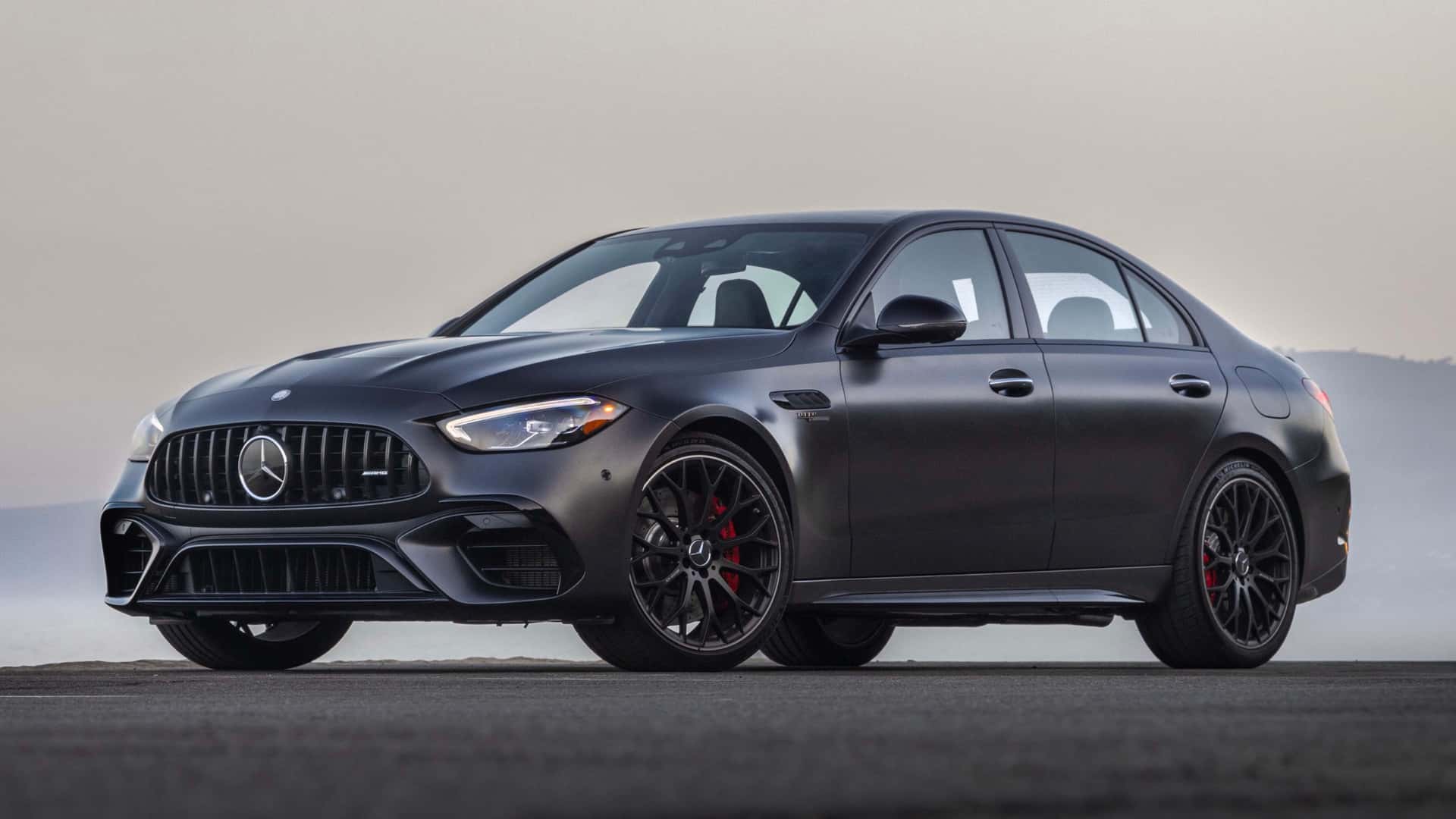
The primary challenge for an electric C63 is not power; electric motors can provide instant, overwhelming torque that would easily outperform any combustion engine. The challenge is "enthusiast appeal." To succeed as an AMG, an electric C63 must do more than simply launch from 0 to 60 mph in record time. It must offer driver-focused engagement, agility, and a sense of connection that the current crop of heavy, tech-focused EVs often lacks.
If AMG can harness the advantages of battery technology—such as torque vectoring and near-instant response—while shedding the weight that has plagued previous hybrid efforts, they may create an electric performance car that is truly worthy of the "63" moniker.
Implications: A Bifurcated Market Strategy
The strategy of offering both internal combustion and electric powertrains is not unique to Mercedes-Benz, but it represents a significant departure from the company’s previous "all-in" approach to electrification. By diversifying their offerings, Mercedes is acknowledging a fundamental truth: the luxury performance buyer is not a monolith.
Some customers are early adopters who crave the technological supremacy of an electric drivetrain. Others are traditionalists who view the mechanical complexity of an internal combustion engine as the primary value proposition of a luxury sports car.
By mirroring the strategies seen in competitors like BMW—which plans to offer an electric M3 alongside a traditional gasoline-powered successor—Mercedes is effectively hedging its bets. This approach allows the brand to maintain its commitment to carbon neutrality targets while ensuring that the "AMG" badge remains synonymous with the driving experience that customers actually want to purchase.
The Path Forward: What to Expect
The road to the next C63 remains unpaved. As it stands, there is no official timeline for the release of a new top-tier model. Given that the current C-Class has only just received its mid-cycle refresh, a brand-new generation is unlikely to emerge before 2030.
However, the internal shift at Mercedes-AMG is clear. The company has moved from a period of rigid, centralized planning to a more flexible, market-responsive development cycle. This change in philosophy is perhaps the most encouraging sign for enthusiasts. It indicates that the engineers at Affalterbach are listening to their core demographic.
Whether the future C63 arrives with a flat-plane crank V8, an advanced inline-six, or a high-performance electric platform, one thing is certain: the era of the "forced" hybrid experiment is drawing to a close. The next chapter for the C63 will be defined not by the constraints of compliance, but by the desire to reclaim the title of the world’s most desirable performance sedan.
For now, the automotive world waits with bated breath. As Mercedes-AMG navigates the complexities of a changing energy landscape, the return of the C63 will serve as the ultimate test of the brand’s ability to evolve without losing its identity. If the recent comments from their leadership are any indication, the best is yet to come.
