

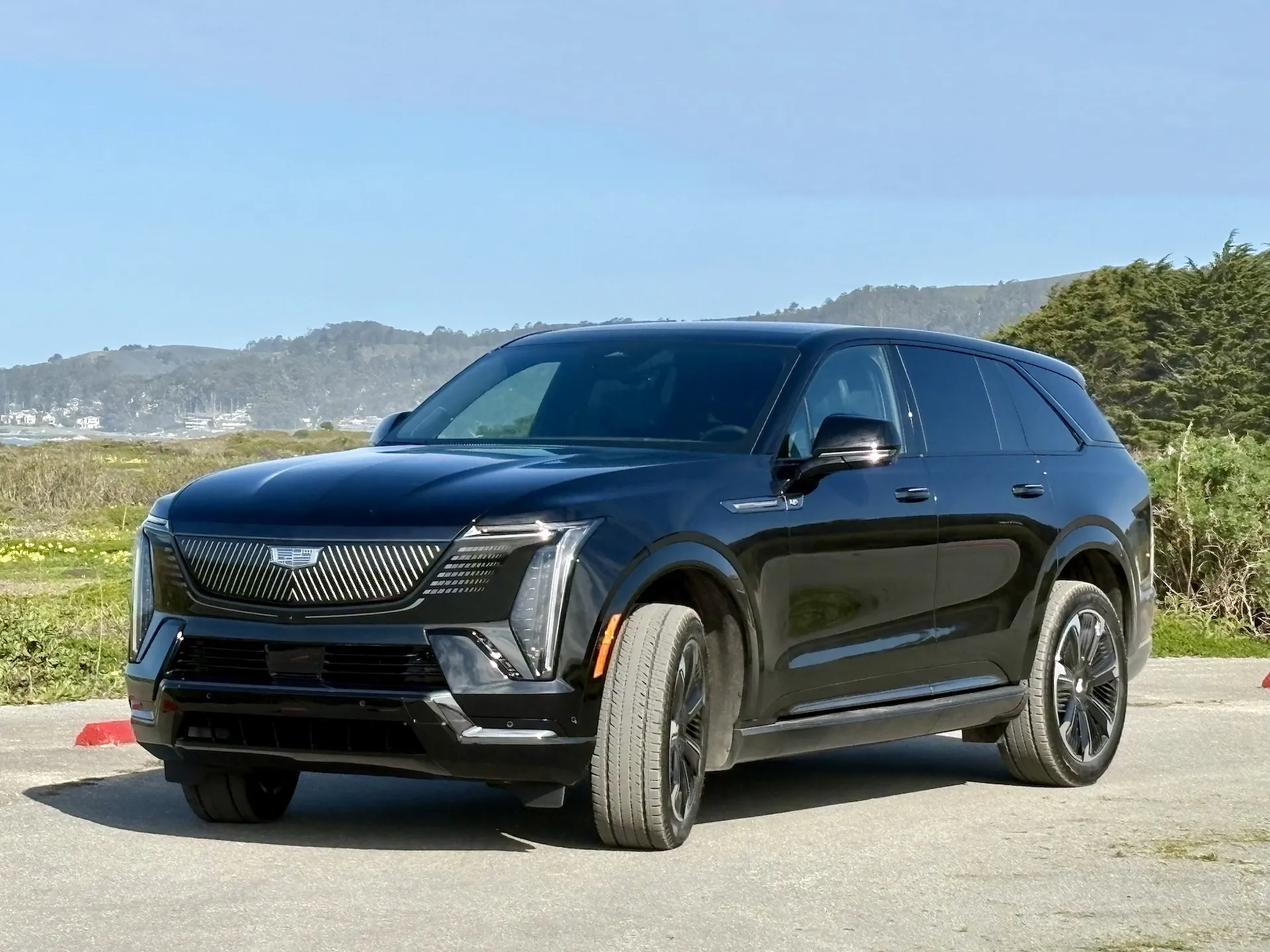
For over a generation, the Cadillac Escalade has occupied a singular, unchallenged space in the American automotive lexicon. It is the quintessential status symbol, a hulking monument to internal combustion, chrome-laden prestige, and the sheer audacity of size. It has prospered in a world where luxury was defined by the displacement of its engine and the unmistakable roar of a V-8. However, in an era increasingly defined by the transition to electrification, the traditional Escalade formula began to look like a relic—a product of the 20th century trying to navigate a landscape that had shifted under its feet.
Enter the 2025 Cadillac Escalade IQ. This is not merely an Escalade with a battery pack swapped in; it is a clean-sheet reinvention of the brand’s most iconic nameplate. By embracing an electric-first architecture, Cadillac has signaled that its flagship is no longer just about excess—it is about intelligence.

Main Facts: Redefining the Flagship
The 2025 Cadillac Escalade IQ represents a radical departure from the gas-powered model. Built on a dedicated electric vehicle platform shared with other high-end GM trucks and SUVs, the IQ features a dual-motor all-wheel-drive system capable of delivering up to 750 horsepower and 785 lb-ft of torque when the "Velocity Max" drive mode is engaged.
Key specifications include:
- Performance: A 0–60 mph sprint in just 4.8 seconds.
- Battery: An estimated 205-kwh battery pack, placing it among the most energy-dense vehicles on the road.
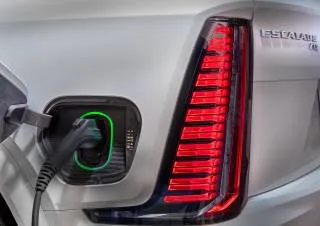
- Charging: An 800-volt architecture that allows for rapid charging, adding 100 miles of range in roughly 10 minutes at a 350-kw DC fast charger.
- Range: Cadillac positions the IQ as the longest-range electric SUV on the market, edging out upcoming competitors like the Lucid Gravity.
- Pricing: Starting at $129,990 (including destination charges), with high-end configurations exceeding $159,000.
Chronology: The Road to the IQ
The journey to the Escalade IQ began long before its official reveal. For years, Cadillac navigated the tension between its heritage and the inevitable march toward electric mobility.
- Pre-2020: The Escalade reigned as the undisputed king of the luxury SUV segment, with the ESV variants cementing its dominance in the premium market.
- 2021-2022: As GM began its aggressive "Ultium" platform rollout, speculation mounted regarding the electrification of the Escalade. While the Hummer EV and the Silverado EV showcased the platform’s off-road and utility potential, the Escalade required a different approach—one that balanced power with the refined, "glide-like" composure expected by luxury buyers.
- 2023: Cadillac officially confirmed the move to phase out smartphone mirroring (Apple CarPlay and Android Auto) in its future EVs, pivoting to a proprietary Google-integrated system. This controversial move set the stage for the software-centric experience of the IQ.
- 2024: Final testing and media drives commenced, revealing a vehicle that prioritized ride quality and "magnetic" suspension tuning over the aggressive, "WTF-mode" personality found in the Hummer EV.
- 2025: Market launch begins, positioning the IQ as the pinnacle of the brand’s electric portfolio, sitting alongside the ultra-exclusive Celestiq.
Supporting Data: Engineering the "Glide"
The driving experience of the Escalade IQ is perhaps its most impressive feat. Despite its significant curb weight, the vehicle displays a grace that is atypical for a three-row SUV of this magnitude.
Suspension and Handling
The IQ utilizes the fourth generation of GM’s magnetically controlled dampers paired with a four-corner air suspension system. This hardware works in concert with a short-arm, long-arm independent suspension setup. The result is a vehicle that effectively "swallows" road imperfections. During testing, the SUV demonstrated an ability to navigate banked pavement and deep road craters with minimal cabin disruption, outperforming rivals like the Mercedes-Benz GLS-Class.
Towing and Practicality
While the IQ is built for luxury, it remains a utility vehicle at its core. It boasts an 800-volt electrical architecture and a towing capacity estimated at 8,000 pounds. While real-world range under heavy towing conditions remains a subject of debate, the vehicle’s fast-charging capability provides a level of operational flexibility that older, gas-powered Escalades simply cannot match.
Storage Constraints
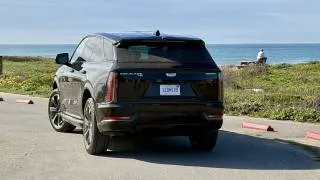
Interestingly, despite its 224.3-inch length, the interior packaging reveals a trade-off. The passenger cabin is pushed back to accommodate the battery-electric architecture, resulting in 119.2 cubic feet of interior space—slightly less than the 121.0 cubic feet found in the traditional internal-combustion Escalade. Third-row legroom remains a compromise, suggesting that the IQ is optimized for the comfort of the first and second rows.
Official Responses and Strategic Design
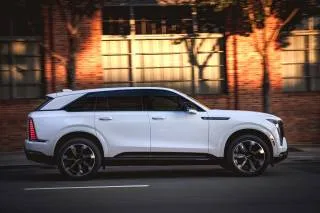
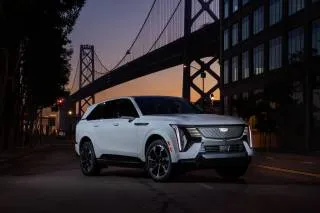
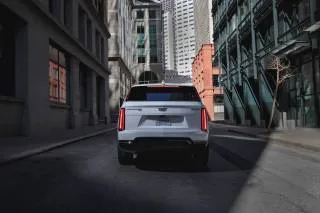
Cadillac’s design philosophy for the IQ is best described as "Majestic Modernism." The brand has moved away from the blunt, boxy aesthetic of the past, opting for a design that prioritizes aerodynamics—resulting in a 15% reduction in the coefficient of drag compared to its predecessor.
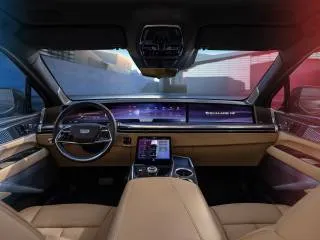
The interior serves as the true "IQ" center. The massive 55-inch pillar-to-pillar display screen is the centerpiece, housing everything from navigation to climate control. However, Cadillac executives have faced scrutiny over the lack of Apple CarPlay/Android Auto support. The company maintains that an integrated, proprietary ecosystem allows for a deeper, more seamless connection between vehicle software and the driving experience.
Regarding the lack of Dolby Atmos in the initial 2025 model—a feature that will debut in 2026—Cadillac frames this as a matter of production timing. The technology was initially reserved for the ultra-luxury Celestiq, but its success has prompted a rapid, brand-wide rollout.

Implications: The Future of the Brand
The arrival of the Escalade IQ has profound implications for both Cadillac and the luxury market at large.
A New Definition of Luxury
For years, the Escalade was defined by its "let-them-eat-cake" attitude—a massive, fuel-thirsty status symbol. The IQ shifts the narrative to "tech-forward sophistication." It suggests that for the next generation of buyers, luxury isn’t just about presence; it’s about the intelligence of the systems (the "IQ") that make the vehicle easier to drive, safer, and more connected.
The Software-Defined Vehicle
By choosing to go with a closed-loop software system, Cadillac is betting that it can provide a better user experience than the one offered by tech giants. This is a high-stakes gamble. If the user interface is intuitive and reliable, it will set a new standard for luxury automotive software. If it proves cumbersome, it may alienate a segment of the customer base that views phone integration as non-negotiable.
The Competitive Landscape
The IQ enters a crowded field of high-end electric SUVs. With the Mercedes-Benz G 580 (with EQ Technology) and the upcoming Range Rover EV, the Escalade IQ must prove that it is more than just a badge. By focusing on its 800-volt charging speed and its advanced Super Cruise hands-free driving technology, Cadillac is banking on a "best-in-class" feature set to justify the $130k+ price point.
Final Thoughts
The 2025 Cadillac Escalade IQ is a transformative vehicle. It preserves the imposing, regal silhouette that has made the Escalade an American icon while simultaneously shedding the weight of the past. It is quieter, smoother, and objectively faster than any of its gas-powered ancestors.
While there are minor ergonomic frustrations—such as the nested menu systems and the somewhat cramped third row—the IQ succeeds where it matters most: it makes the transition to electricity feel like an upgrade, not a compromise. For a brand as steeped in tradition as Cadillac, this is the most important leap they have ever taken. The Escalade is no longer just a vehicle for the present; it is, finally, a vehicle for the future.
