


In a significant move to ensure driver safety, Ford Motor Company has announced a wide-ranging safety recall affecting thousands of its flagship F-150 pickup trucks. The recall, which encompasses over 100,000 vehicles across North America, centers on a critical technical defect involving the instrument panel’s analog gauges. This malfunction can result in inaccurate speed and tachometer readings, a failure that poses a substantial risk to road safety.
The Core Issue: When Analog Meets Digital
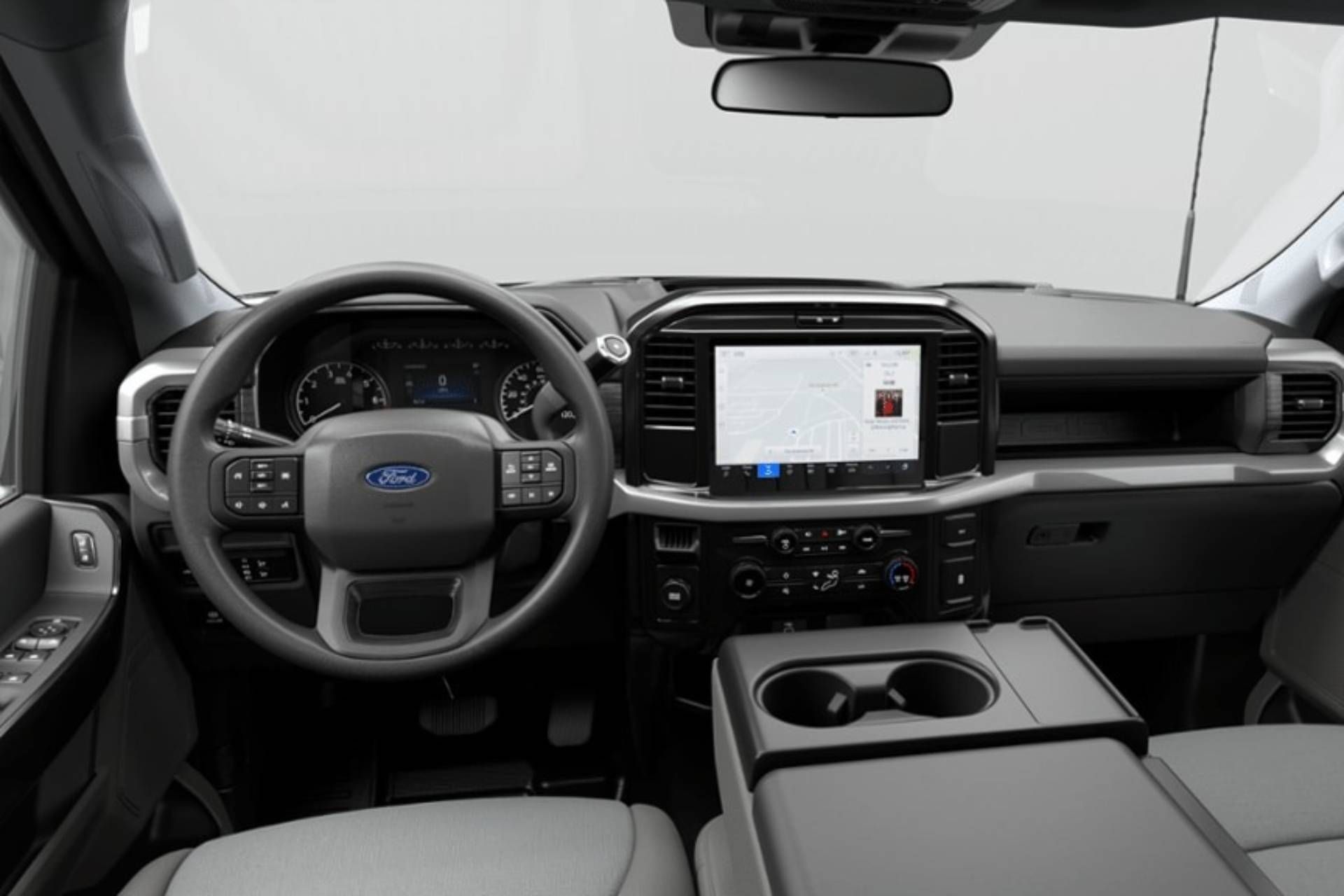
The recall, which impacts 6,935 units in Canada and 102,159 vehicles in the United States, concerns a failure within the analog gauge cluster. According to documentation filed with the National Highway Traffic Safety Administration (NHTSA), the speedometer and tachometer needles in affected F-150s may become unresponsive, “sticking” in place despite the vehicle’s actual speed or engine RPM. In other instances, the needles may display erratic, jumping movements, or provide false, conflicting data.
The situation is further complicated for owners of vehicles equipped with a secondary digital speed display. In these configurations, drivers may be presented with two conflicting speed readouts simultaneously: the inaccurate analog needle and the correct digital number. This discrepancy creates a high degree of confusion for the operator, potentially leading to unintentional speeding or hazardous driving behaviors.
Chronology and Scope of the Recall
While the notification to owners is currently underway, the technical nature of the problem suggests that the issue is not a recent development but rather a hardware-level manufacturing defect.
- Initial Identification: Through internal quality control monitoring and field reports, Ford identified a pattern of gauge cluster failures that did not stem from software glitches.
- Safety Assessment: Ford engineers determined that the internal mechanism governing the movement of the physical needles was failing to maintain calibration.
- Regulatory Filing: Following the internal investigation, Ford initiated the formal recall process with the NHTSA in the U.S. and Transport Canada to address the non-compliance with federal safety standards.
- Notification Phase: Owners are currently being contacted by mail. Ford is instructing affected individuals to bring their vehicles to authorized dealerships for a comprehensive inspection.
Why This Matters: The Importance of Reliable Instrumentation
The instrument cluster is the primary interface between a vehicle and its driver. Regulations governing automotive manufacturing are stringent; analog gauges are required to display accurate information at all times. When a driver cannot trust their speedometer, the implications for safety are profound.
If a driver believes they are traveling at the speed limit based on a malfunctioning needle, but are actually exceeding it, they are at an increased risk of losing control of the vehicle or causing a collision. Furthermore, the risk of speeding leads to a greater likelihood of receiving traffic citations and, more importantly, reduces the driver’s ability to react to sudden road hazards. The tachometer, while secondary, is also vital for monitoring engine health and proper gear shifting, particularly in heavy-duty towing applications for which the F-150 is frequently utilized.
Technical Limitations: Why Software Won’t Fix It
In the modern era of automotive recalls, many issues are resolved through “Over-the-Air” (OTA) software updates. However, Ford has confirmed that this particular recall is strictly a hardware issue. Because the fault lies within the physical mechanism of the gauge cluster itself, a simple code patch or firmware update cannot rectify the behavior of the mechanical needles.
Consequently, the repair process is more involved than typical software-driven recalls. Owners must visit a dealership, where technicians will inspect the cluster. If the defect is confirmed, the entire gauge cluster unit must be replaced. Ford has committed to performing these repairs free of charge to the vehicle owner, covering both parts and labor.
Official Responses and Next Steps for Owners
Ford is urging all owners of potentially affected F-150 models to verify their vehicle’s status immediately.
For Canadian owners, the official recall number is 2026-480, while the internal manufacturer recall number is 26C46. Owners can use their 17-digit Vehicle Identification Number (VIN) to check their status through the Transport Canada recall database.
How to Check Your Vehicle
- Locate your VIN: This can be found on the driver-side dashboard near the windshield or on your insurance documentation.
- Visit the Regulatory Portal: Use the Transport Canada link provided to enter your VIN.
- Contact your Dealership: If your vehicle is flagged, contact your local Ford service department to schedule an appointment. Due to the high volume of affected vehicles, it is advisable to call ahead to ensure the necessary replacement parts are in stock at the dealership.
Broader Implications for the Automotive Industry
This recall serves as a reminder that despite the rapid shift toward all-digital “glass cockpits,” mechanical and analog components remain a vital part of the automotive ecosystem. The complexity of modern vehicle electronics, which must interface with physical hardware, creates unique failure points that manufacturers must continue to monitor.
For Ford, maintaining the reputation of the F-150—the best-selling vehicle in North America for decades—is paramount. By initiating this recall voluntarily and providing a clear path to resolution, the company is attempting to mitigate the long-term impact on consumer trust. However, the scale of this recall underscores the logistical challenge of repairing hardware-heavy components across such a massive fleet of vehicles.
Maintaining Vehicle Safety
While waiting for an appointment, owners who are aware of the issue should exercise extreme caution. If your gauge cluster appears to be acting erratically, rely on alternative methods for tracking your speed, such as mobile GPS navigation apps that display real-time velocity, and pay close attention to the flow of traffic. Do not attempt to repair or adjust the instrument cluster yourself, as this could void your warranty or lead to further damage to the sensitive electronics behind the dashboard.
As the automotive landscape continues to evolve, the necessity for rigorous quality assurance in even the most “traditional” components—like the speedometer—remains a cornerstone of public safety. Ford’s proactive response to this recall is a necessary step in keeping the millions of F-150s currently on the road operating safely and reliably for their owners.
Disclaimer: This report is based on information provided by Ford Motor Company and regulatory bodies. For the most accurate and up-to-date information regarding your specific vehicle, always consult the official recall documentation provided by your national transportation authority.
