

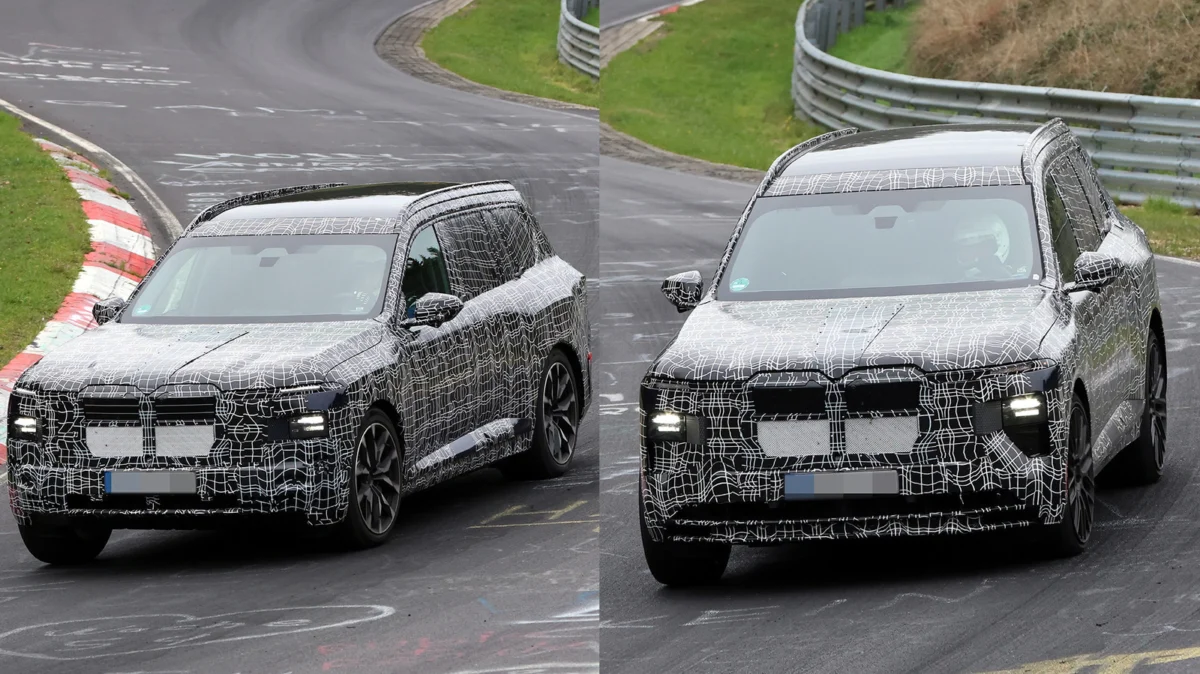
In the competitive theater of premium SUVs, BMW is preparing for a seismic shift. Having established a foothold in the luxury crossover market with the first-generation X5 in 1999—a vehicle that effectively pivoted the brand toward the high-riding haulers that dominate modern sales charts—BMW is now ready to overhaul its flagship, the X7. Recent spy shots captured at the grueling Nürburgring Nordschleife reveal a second-generation model that promises to bridge the gap between traditional internal combustion power and the burgeoning electric revolution.
As the automotive landscape moves toward electrification, BMW has opted for a "luxury of choice" strategy. The upcoming range will feature both the V8-powered X7 M60 and a fully electric variant, the iX7. This dual-track approach comes at a critical juncture: Mercedes-Benz has recently debuted a second facelift for its aging GLS, and Audi is preparing to enter the ring with its long-awaited Q9. With these rivals failing to offer a dedicated three-row EV equivalent, BMW’s strategy appears poised to capture both traditionalists and early adopters in a single, blocky, and imposing package.
Chronology: A Slow Climb to the Top of the Hierarchy
While BMW was a pioneer in the early 2000s with the X5 and X3, the brand was remarkably cautious about entering the full-size, three-row luxury SUV segment. For years, the X5 served as the "do-it-all" utility vehicle, but it lacked the sheer presence and interior volume of the Mercedes-Benz GLS or the Cadillac Escalade.
The original BMW X7 finally arrived in early 2019, acting as a direct response to the luxury market’s insatiable demand for "limousine-on-stilts" utility. It was a massive success, proving that BMW could marry driving dynamics with the space requirements of a large American family. Now, nearly six years into the life cycle of the first generation, the Bavarian automaker is ready to iterate. The testing phase at the Nürburgring suggests that the development of the second-generation platform is nearing its conclusion, with a reveal expected within the next several months.
Design Language: Boldness Through Evolution
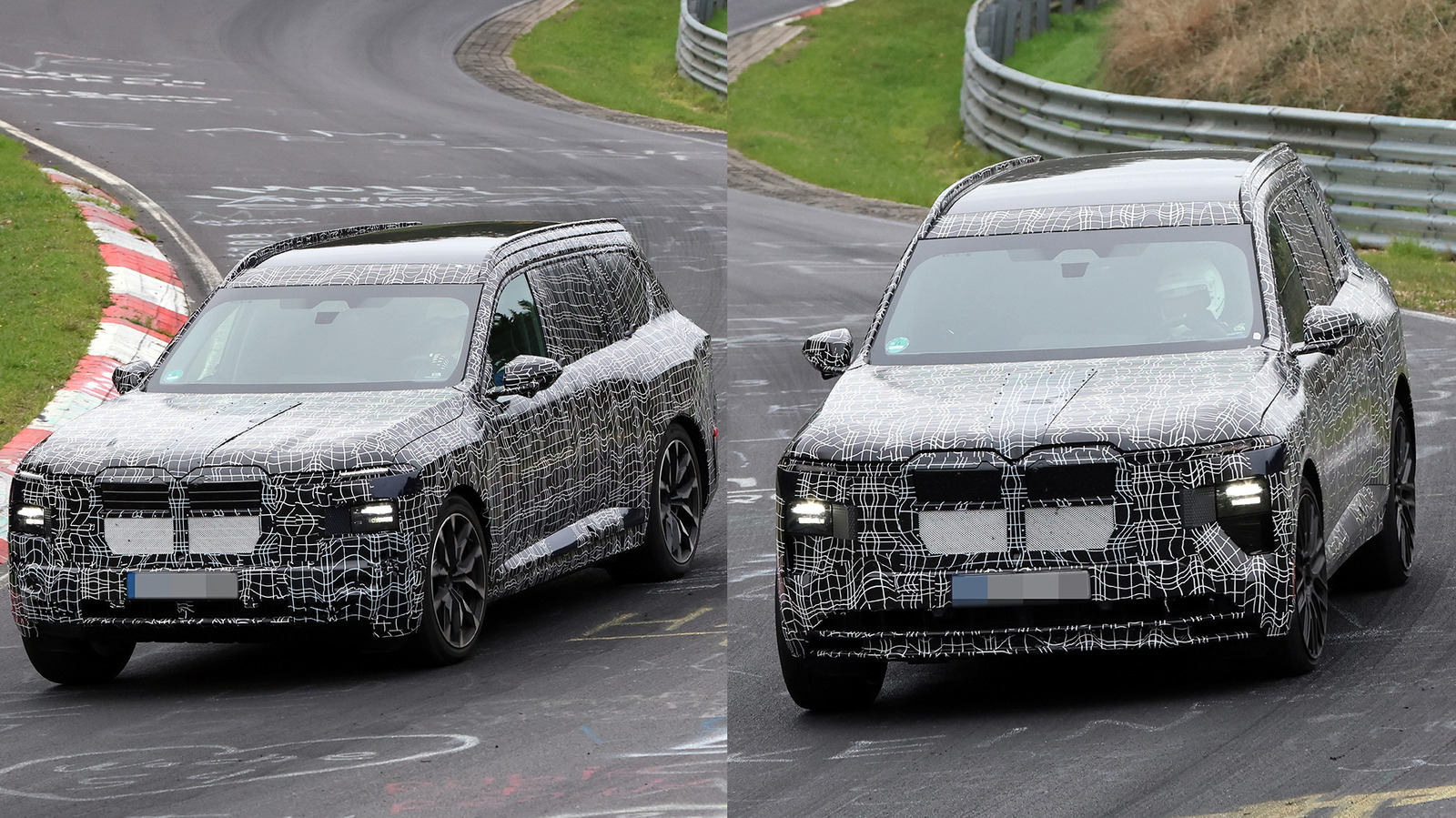
The latest prototypes suggest a departure from the polarizing, ultra-slim headlight experiments seen in previous cycles. Instead, the design team is gravitating toward a more refined interpretation of the "split-light" motif, drawing clear inspiration from the recent 7 Series facelift.
The Front Fascia
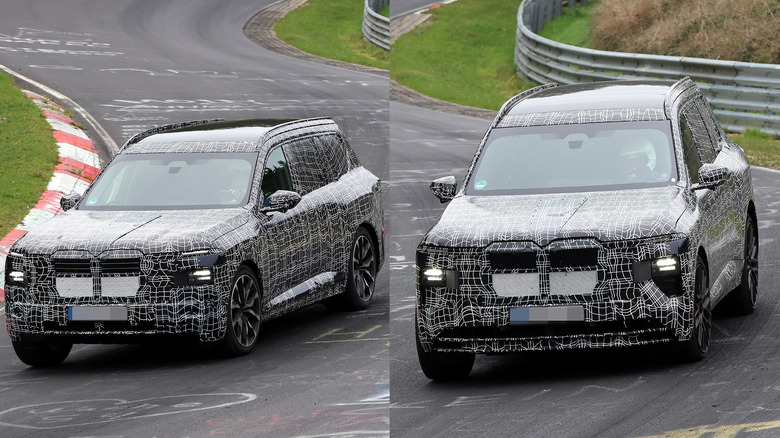
The visual distinction between the combustion-powered X7 M60 and the electric iX7 will be subtle, yet intentional. The iX7 will feature a smoother front bumper with a slim intake designed for aerodynamic efficiency, while the M60 will lean into its performance credentials with larger, more aggressive cooling apertures. Both models will utilize the signature tall kidney grilles, though the iX7 will feature horizontal vanes to signify its battery-electric nature. A striking detail noted on the M60 prototypes is the use of yellow daytime running lights, a design cue previously seen on the M350 and iX4 M60, signaling that this vehicle is intended to be treated as a true M Performance product.
The Silhouette and Tailgate
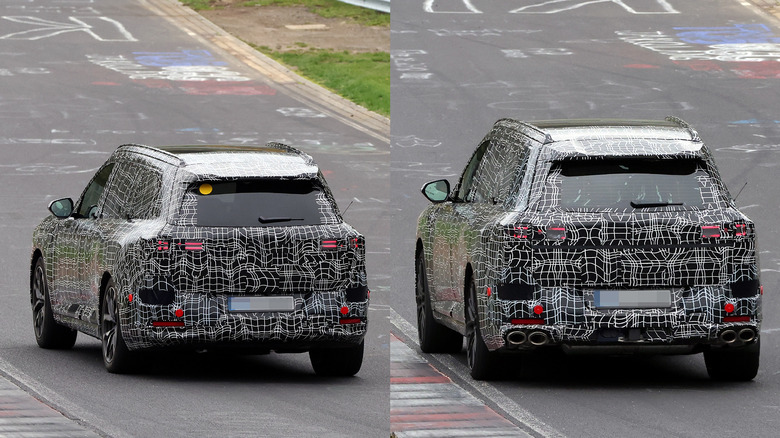
The body shape retains a "big and blocky" aesthetic, prioritizing interior volume over coupe-like slopes. The greenhouse remains expansive, suggesting that the third row will offer genuine comfort for adults. A point of contention among enthusiasts is the potential fate of the split-tailgate. While the feature was dropped from the redesigned X5 due to a perceived lack of consumer demand, insiders suggest that for a vehicle of the X7’s stature, the utility of the split gate is highly valued. Whether it makes the final production cut remains one of the most anticipated reveals of the upcoming launch.
Engineering and Powertrain: The Luxury of Choice
The core of the next-generation X7’s appeal will be its powertrain versatility. The vehicle is expected to share its core chassis architecture with the latest X5 and 7 Series, ensuring a high degree of parts commonality and production efficiency.
The Combustion King: The M60 V8
For those unwilling to relinquish the visceral experience of a twin-turbocharged V8, the X7 M60 remains the flagship. Unlike its counterparts in the X5 and 7 Series lineups, the M60 version of the X7 is currently expected to skip the plug-in hybrid (PHEV) assist in favor of a pure, mild-hybridized V8 setup. This decision likely stems from a desire to maintain a lower curb weight and a simpler, more responsive driving experience for enthusiasts who prioritize the internal combustion engine.
The Electric Pioneer: The iX7
The iX7 will represent the pinnacle of BMW’s electric ambitions. Utilizing a dual-motor, all-wheel-drive configuration, the iX7 is expected to push the boundaries of range, with projections suggesting an EPA-rated distance exceeding 400 miles on a single charge. This would place the iX7 at the forefront of the luxury electric segment, outclassing competitors that have yet to fully electrify their full-size SUV offerings. An M Performance variant of the iX7 is also in the cards, though a full-blown "M" badge remains a subject of speculation.
Supporting Data: The Competitive Landscape
BMW’s timing is calculated. The current market for full-size luxury SUVs is saturated with legacy products.
- Mercedes-Benz GLS: Currently in its second facelift, the GLS remains the benchmark for interior opulence, but it is effectively a refinement of a platform that is reaching its design limit.
- Audi Q9: Audi’s upcoming entry is a direct challenge to the X7, but reports indicate it will rely on traditional combustion architectures, leaving a massive gap for a premium three-row EV.
By launching the iX7 alongside the combustion-powered X7, BMW is effectively hedging its bets against volatile consumer sentiment regarding EVs. If the market shifts further toward electricity, the iX7 is ready; if consumers remain loyal to the V8, the M60 continues the brand’s legacy.
Implications for the Future of BMW
The move to integrate the X7 and iX7 under a single design language represents a wider shift in BMW’s "Neue Klasse" philosophy. The brand is moving away from making its EVs look like alien spaceships; instead, it is creating vehicles that look, feel, and function like the cars customers have bought for decades.
The implementation of "wing-tip" door handles, similar to those found on the latest X5, underscores this design unity. While some rumors suggest that BMW might return to traditional handles after a few years of consumer feedback, the current design reflects a commitment to aerodynamic optimization and modern aesthetics.
Ultimately, the second-generation X7/iX7 is more than just a car—it is a statement of intent. BMW is demonstrating that it can successfully transition its largest, most profitable vehicles into the electric age without losing the brand DNA that made them icons in the first place. Whether through the roar of a V8 or the silent, instant torque of a dual-motor electric drivetrain, the next X7 is set to remain the dominant force in the three-row luxury segment for the better part of the next decade.
As the testing wraps up at the Nürburgring, the industry watches with bated breath. The next few months will not only reveal the technical specifications of these machines but will also provide a clear indication of how one of the world’s most prestigious automakers views the future of the family hauler. If these spy shots are any indication, the future is big, it is bold, and it is unapologetically BMW.
