

As the mercury drops and the first frost settles on the ground, homeowners often face the harsh reality of winter’s impact. From the insidious threat of frozen pipes to the recurring burden of sky-high heating bills, the season is fraught with potential hazards. However, these winter-weather nuisances are not inevitable. By adopting a proactive, expert-backed strategy to winterize your home, garden, car, and personal care routine, you can ensure that snow, ice, and sub-zero temperatures remain an aesthetic backdrop rather than a source of domestic distress.
The Foundation of Winter Preparation: Home Integrity
1. Proactive Tree and Branch Maintenance
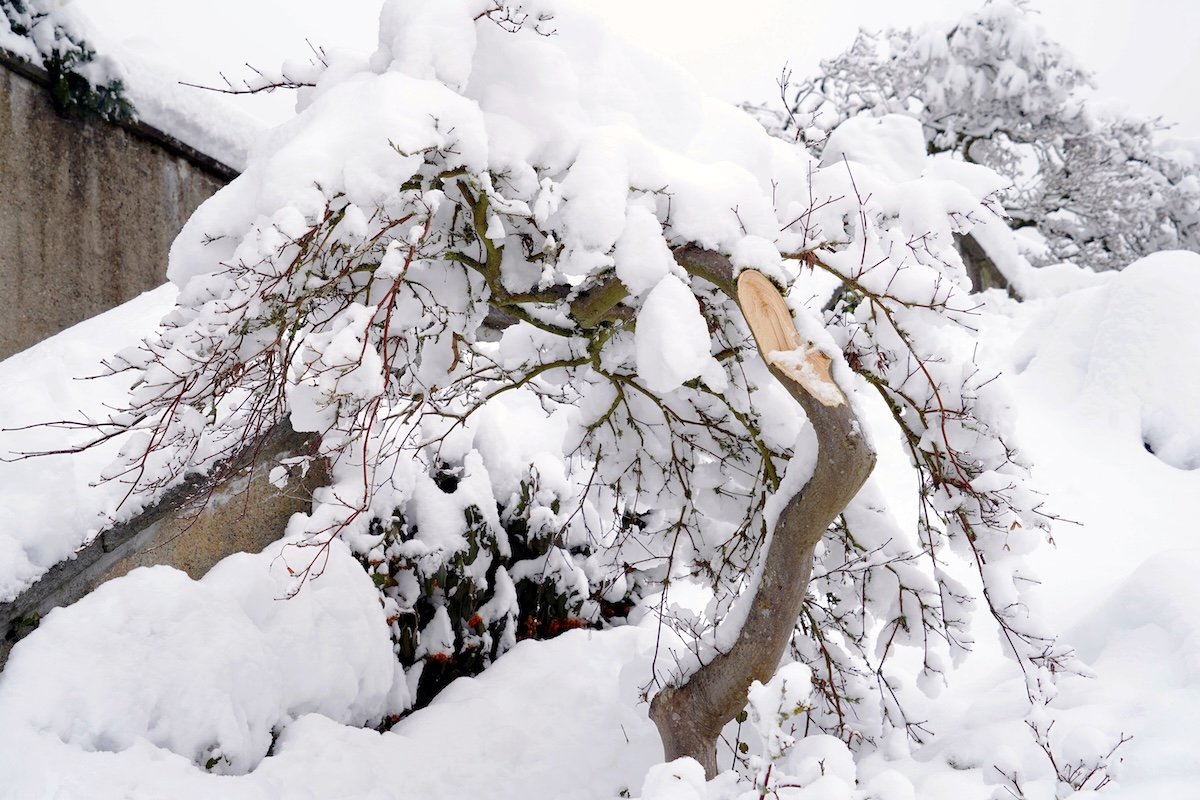
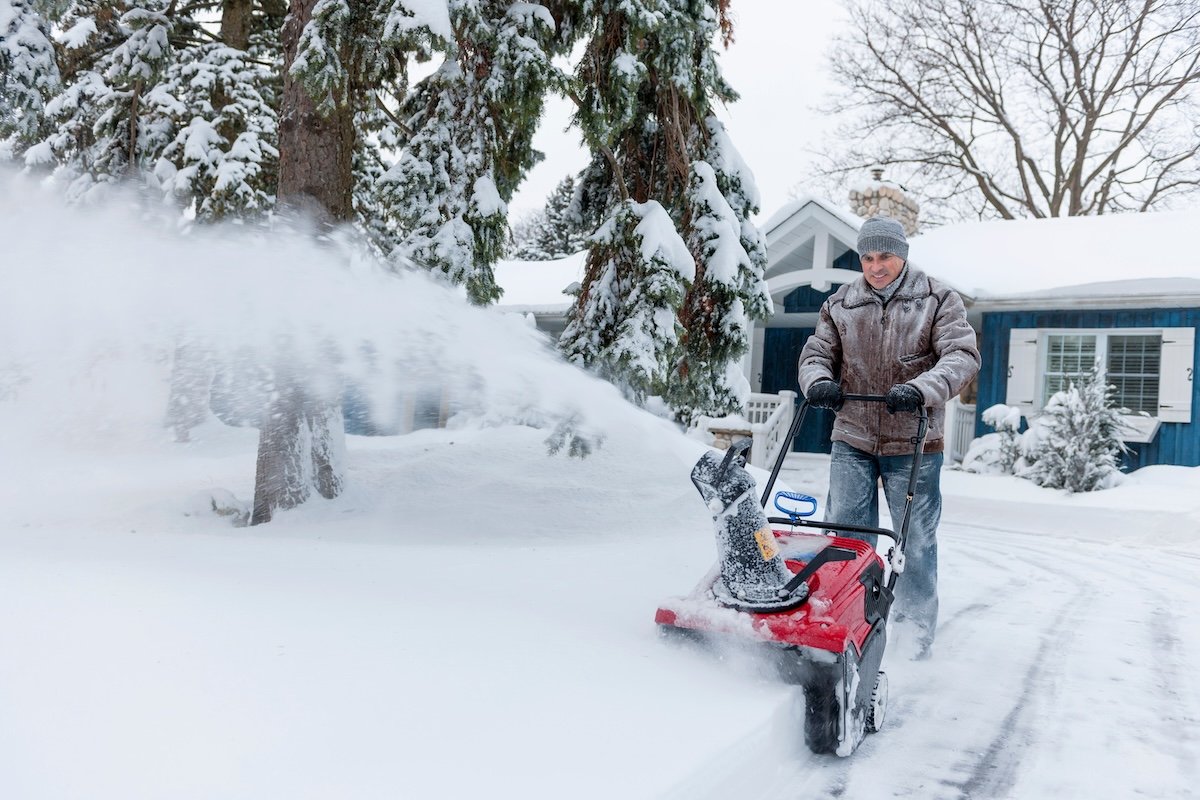
Winter storms are notorious for bringing down heavy, ice-laden branches. When these limbs snap, they don’t just fall; they become projectiles capable of puncturing roofs, shattering skylights, or causing significant structural damage to siding. Periodically inspecting your property for dead or overhanging branches is a critical first step. If a branch hangs directly over your roof, professional pruning is advised. For those who live in areas prone to heavy snowfall, keeping a roof rake on hand allows you to safely clear accumulated snow, preventing the weight from stressing your rafters or creating ice dams.
2. Safeguarding Exterior Spigots
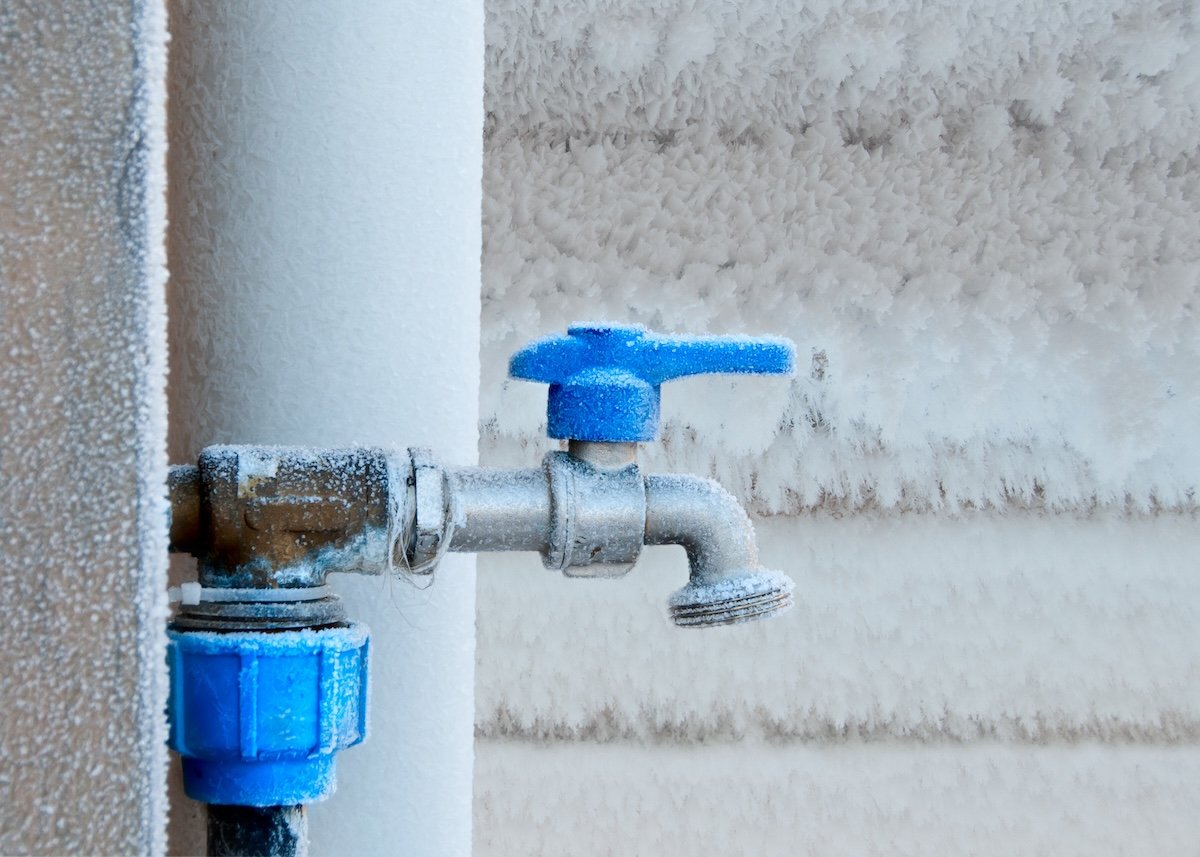
The most common plumbing catastrophe in winter is the burst pipe caused by a frozen exterior spigot. Even if you have turned off the outdoor faucet, water often remains trapped in the connected garden hose. When this water freezes, it expands, creating pressure that travels backward into your home’s interior plumbing, leading to catastrophic flooding. Always disconnect and drain all garden hoses before the first freeze. For added security, shut off the interior water supply valve to these spigots and leave the exterior faucet open to allow any remaining moisture to drain.
3. Clearing Rain Gutters
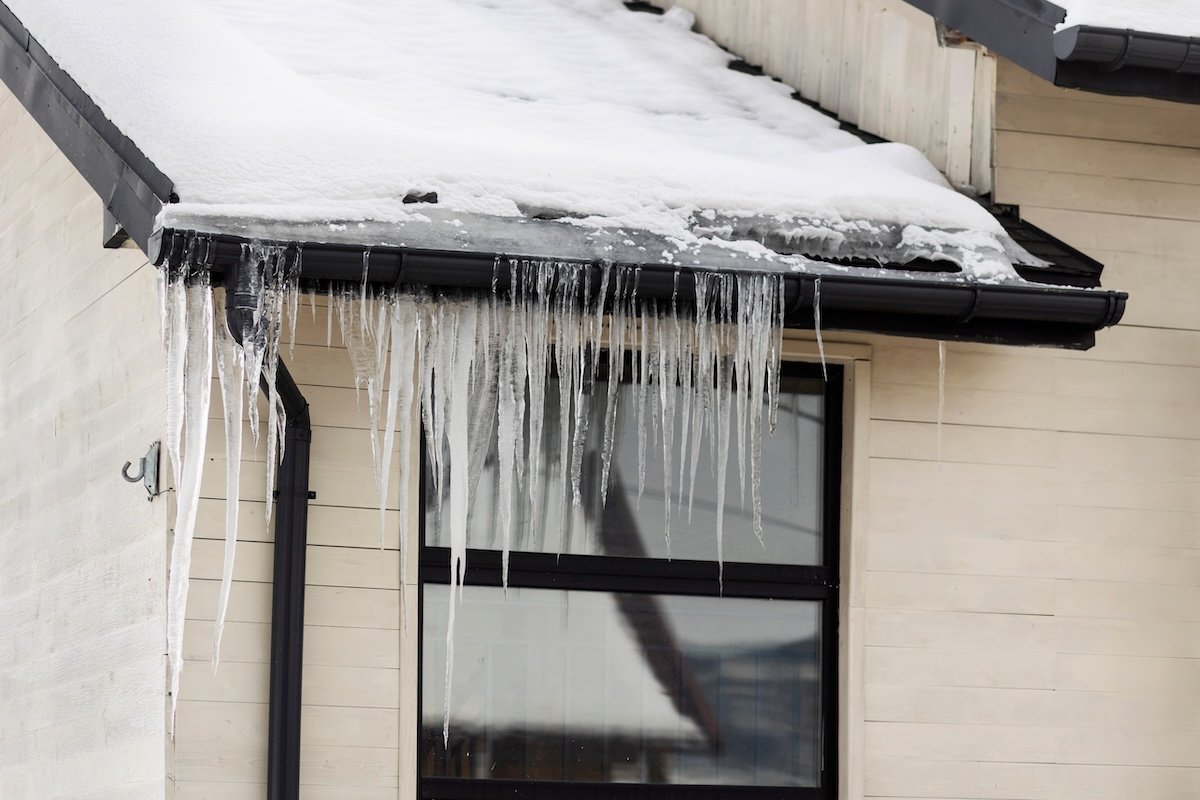
Gutters serve as your home’s primary defense against water intrusion. When they become clogged with autumn’s leaves and debris, they trap melting snow and ice. This collection—often called an ice dam—can force water back under your shingles, leading to rotted fascia boards, ceiling leaks, and damage to your foundation. Before the first freeze, use a trowel or a gutter scoop to clear the troughs, and finish with a garden hose to ensure downspouts are clear and properly directed away from the house.
4. Insulating Exposed Pipes
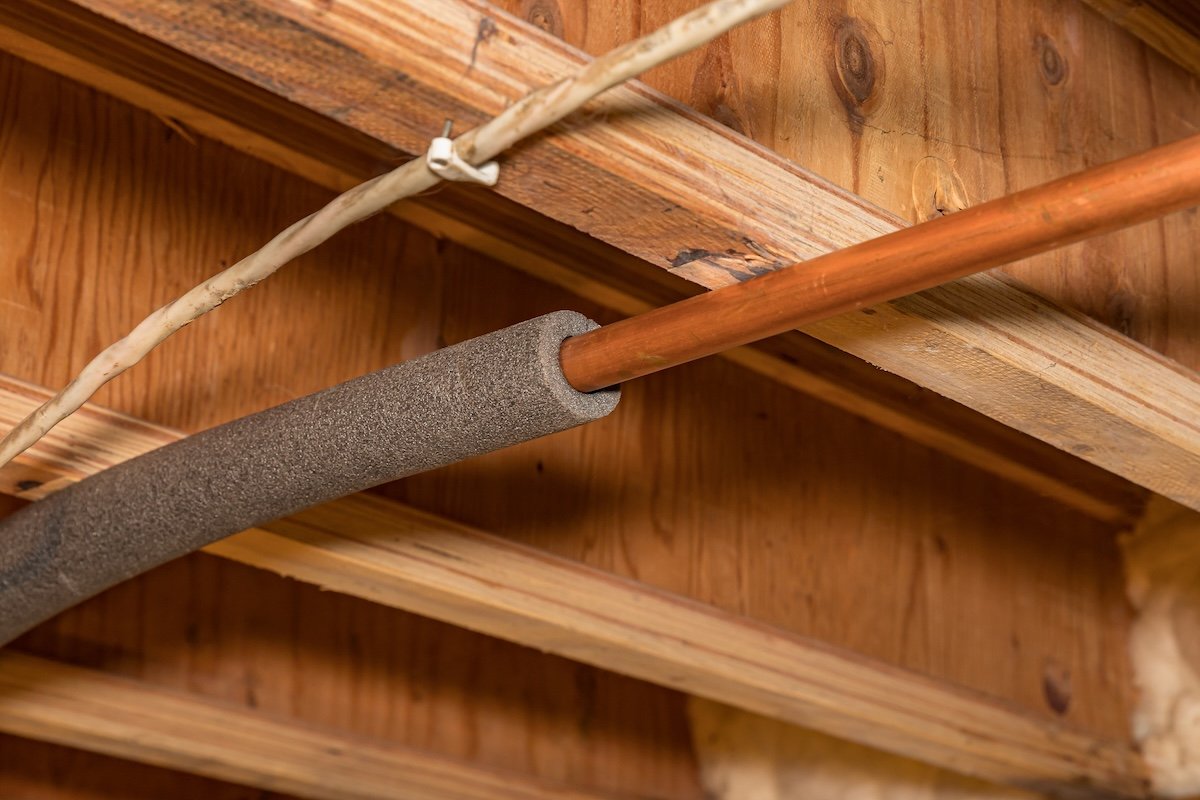
Pipes running through unheated spaces like attics, basements, or crawl spaces are the most vulnerable to freezing. Wrapping these pipes in foam insulation sleeves is a low-cost, high-reward project. Jonathan Faccone, interior designer and founder of Halo Homebuyers, stresses the importance of consistency: "Make sure to keep the heat on, even when you’re away from home. Maintaining a baseline temperature prevents the system from bottoming out."
5. Sealing Gaps and Openings
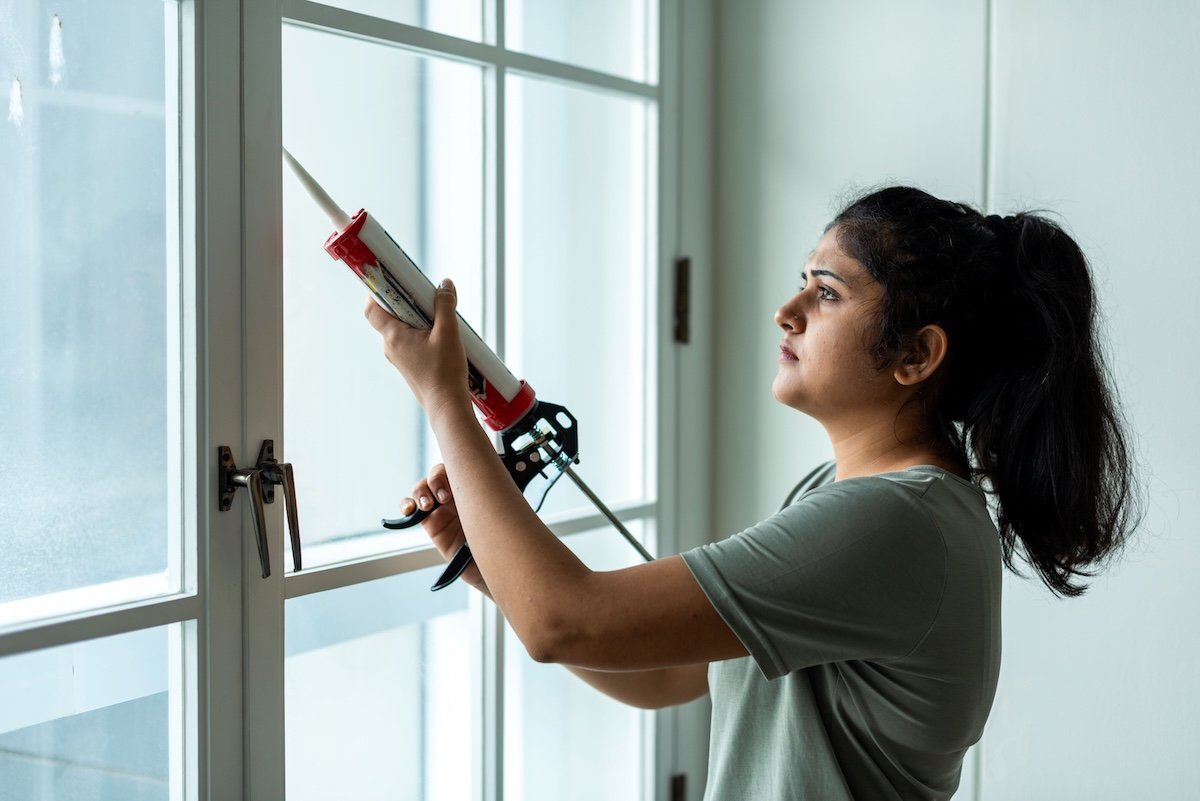
The U.S. Department of Energy estimates that sealing drafty windows and doors can save homeowners 5 to 10 percent on annual energy costs. Weatherstripping and caulking joints between window frames and exterior walls are simple, effective DIY tasks. Not only does this keep your home cozy, but it also prevents moisture from entering, which protects against wood rot and mold.
Systems Optimization: Heating and Energy Efficiency
6. Attic and Wall Insulation
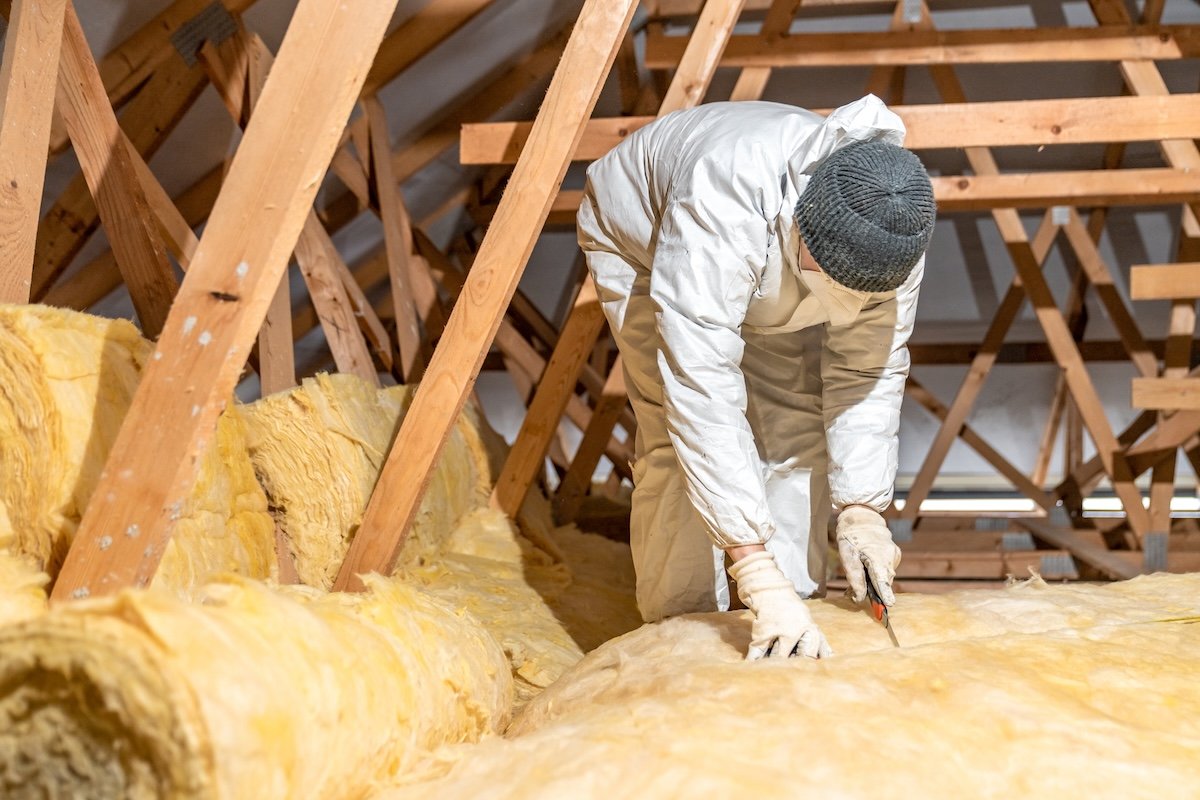
An under-insulated home is essentially a sieve for heat. By inspecting the insulation in your attic and exterior walls, you can identify "cold spots" that drive up heating costs. Whether you choose batt, spray-foam, or blown-in insulation, ensure that the R-value is appropriate for your climate zone. A well-insulated envelope creates a barrier that keeps warmth where it belongs: inside your living space.
7. Managing the Water Heater
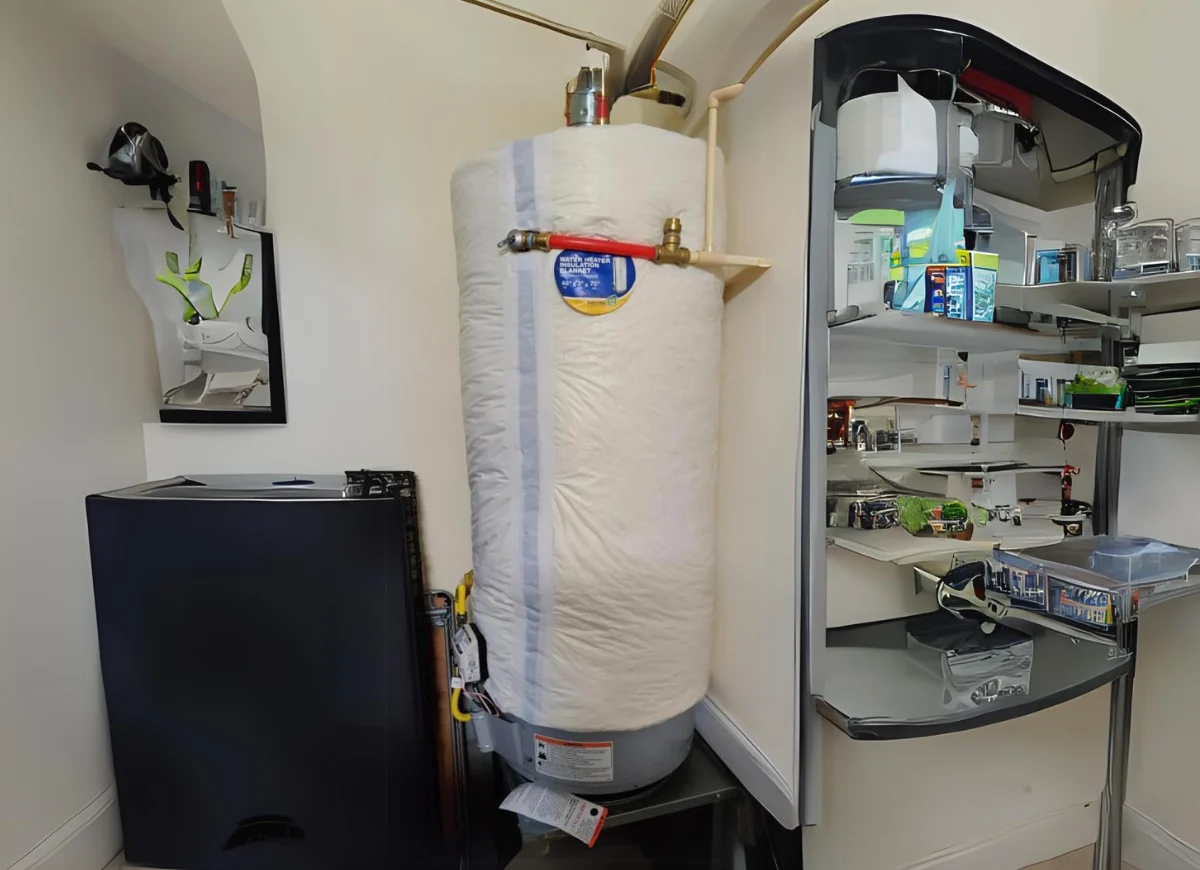
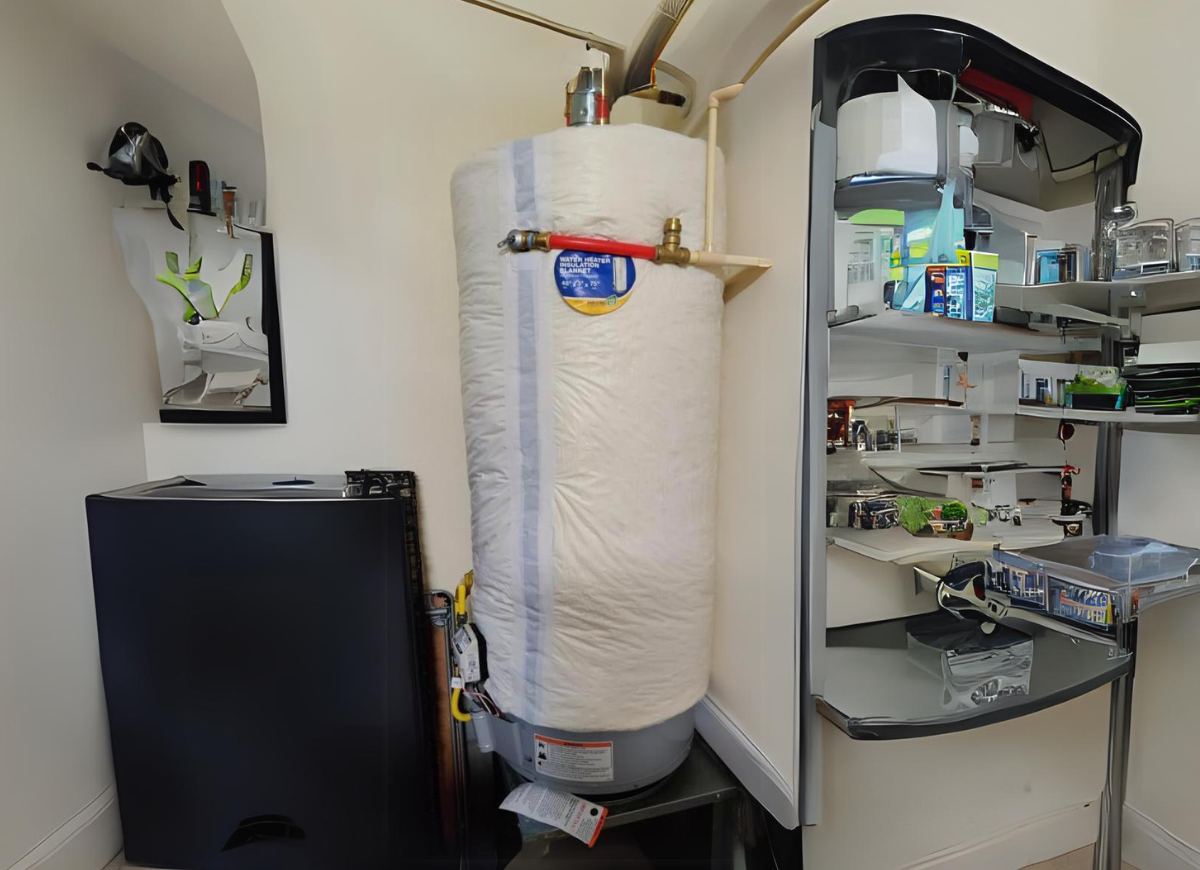
Older water heaters are significant energy drains, often losing heat through their tank walls. If your water heater is warm to the touch, it is losing valuable energy. A simple insulation blanket—ranging from fiberglass to foil—can reduce standby heat loss by 25 to 45 percent. With energy savings of up to 16 percent annually, the blanket typically pays for itself within the first year.
8. Fireplace Maintenance and Safety
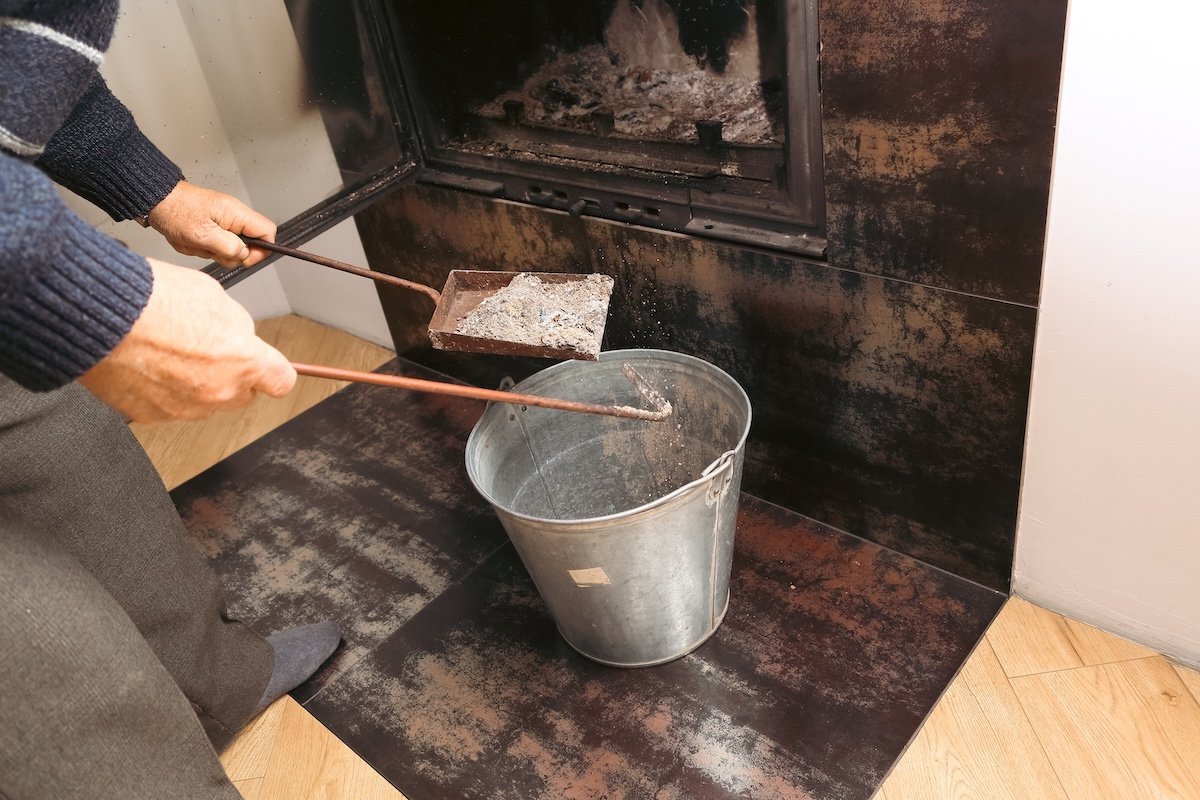
A fireplace is a quintessential winter feature, but it must be managed correctly. Annual inspections are vital to prevent chimney fires. When not in use, ensure the damper is closed to prevent warm air from escaping up the flue. Always maintain a 3-foot "clear zone" around the fireplace, free of flammable materials like blankets or decorative baskets, and invest in a high-quality ash vacuum to keep the hearth clean without dispersing soot into your living room.
9. Reversing Ceiling Fan Direction
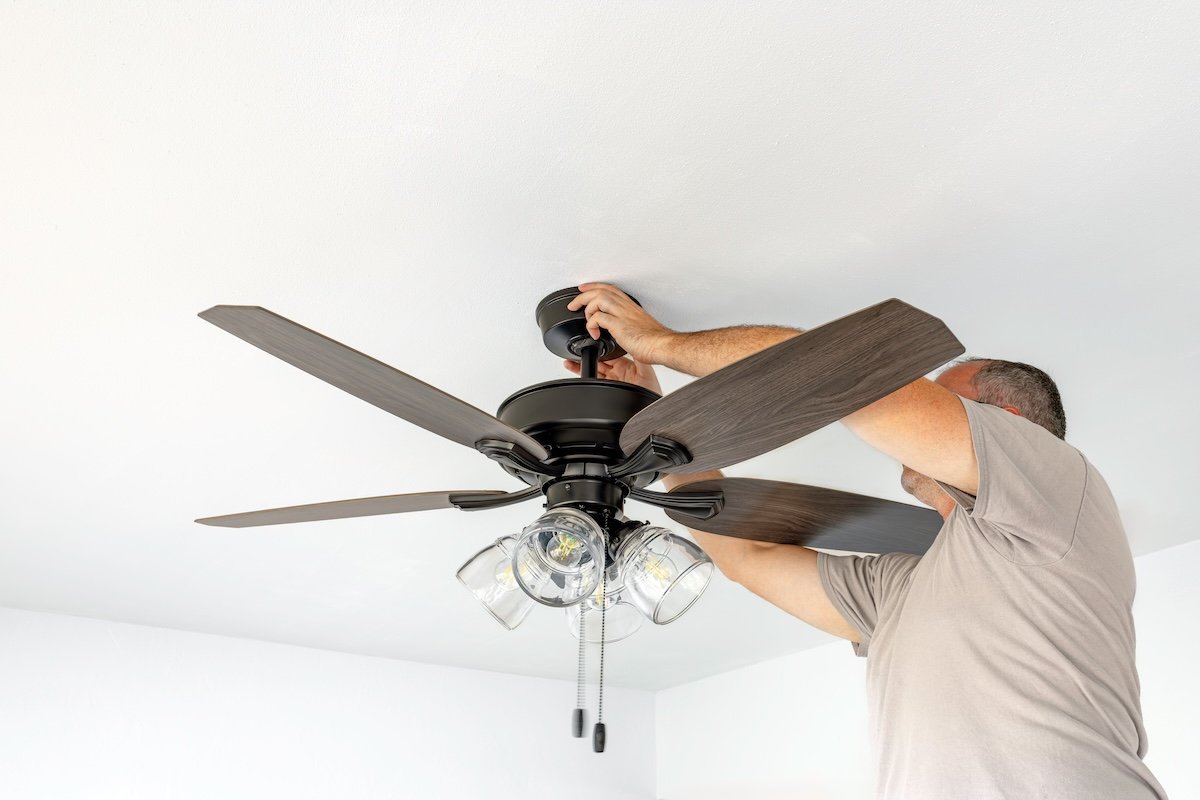
A simple, often overlooked step is reversing the direction of your ceiling fans. By switching the blades to rotate clockwise at a low speed, you create an updraft that gently pushes warm air—which naturally rises to the ceiling—back down to the living level. This can make a room feel significantly warmer without adjusting the thermostat.
The Outdoor Environment: Lawn and Landscape
10. Lawn Care and Dormancy
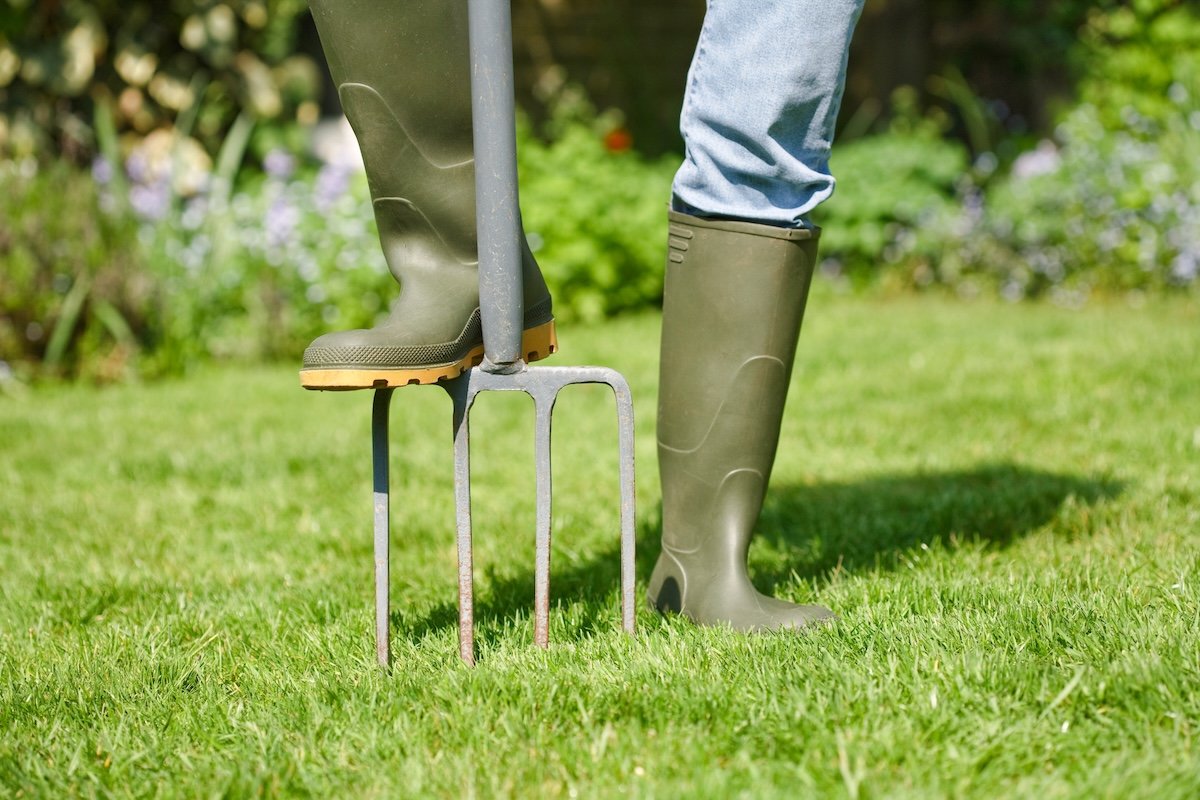
While it may be tempting to continue working on your lawn, winter is a time for rest. Aerating your soil before the first frost allows roots to breathe after a year of compaction. However, once the grass goes dormant, avoid heavy traffic—including kids, pets, and lawn equipment—as this can damage the crown of the grass, leading to unsightly bare patches in the spring.
11. Protecting Garden Beds
Perennial plants need insulation just like your home. A 2-to-3-inch layer of mulch provides a thermal blanket for the soil, protecting roots from the freeze-thaw cycle. Be careful, however, to keep mulch 6 to 12 inches away from the base of woody plants and trees to prevent rot and pest attraction.
12. Winterizing Irrigation Systems
For those with built-in sprinkler systems, winterization is non-negotiable. Turning off the timer and draining the pipes—either through manual valves or by using compressed air—prevents the catastrophic damage of burst pipes beneath your lawn. If you are uncomfortable with the process, hiring a professional for a "blowout" service is a sound investment.
Automotive Preparedness: Navigating the Elements
13. Professional Vehicle Servicing
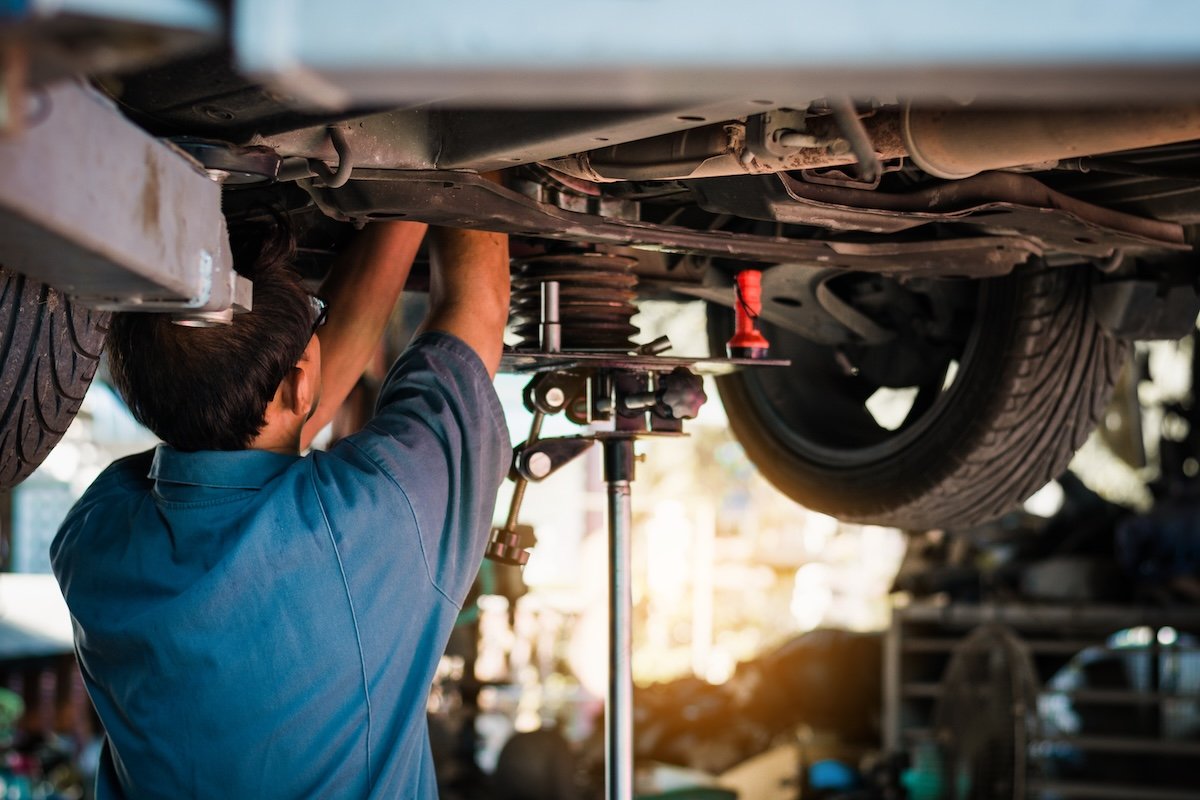
Jason Farrell, a certified master technician at Mechanic’s Diary, emphasizes the impact of winter on a vehicle. "Moisture gets into places it wouldn’t normally, and moving parts like brakes and suspension have to work harder," he notes. Prioritize an inspection of the battery, brakes, and spark plugs before the first snow. A breakdown in freezing temperatures is more than an inconvenience; it is a safety hazard.
14. Emergency Kits and Ice Melt
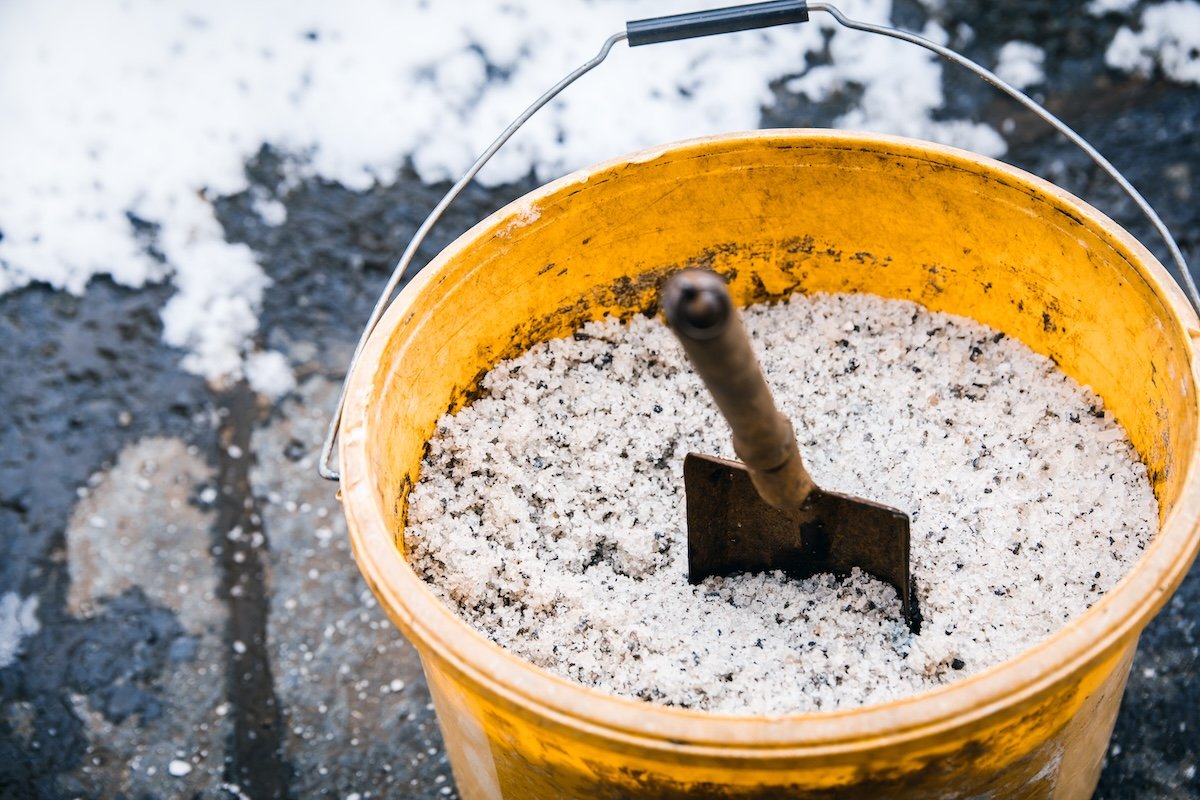
Never leave your driveway without the proper supplies. Keep a bag of ice melt or sand in your vehicle to provide traction when stuck in an icy patch. Furthermore, a winter emergency kit should be standard equipment: include a flashlight, jumper cables, a first-aid kit, non-perishable snacks, and heavy-duty winter clothing (boots, gloves, and blankets) in case you are stranded.
15. Winter-Hardy Wipers and Tires
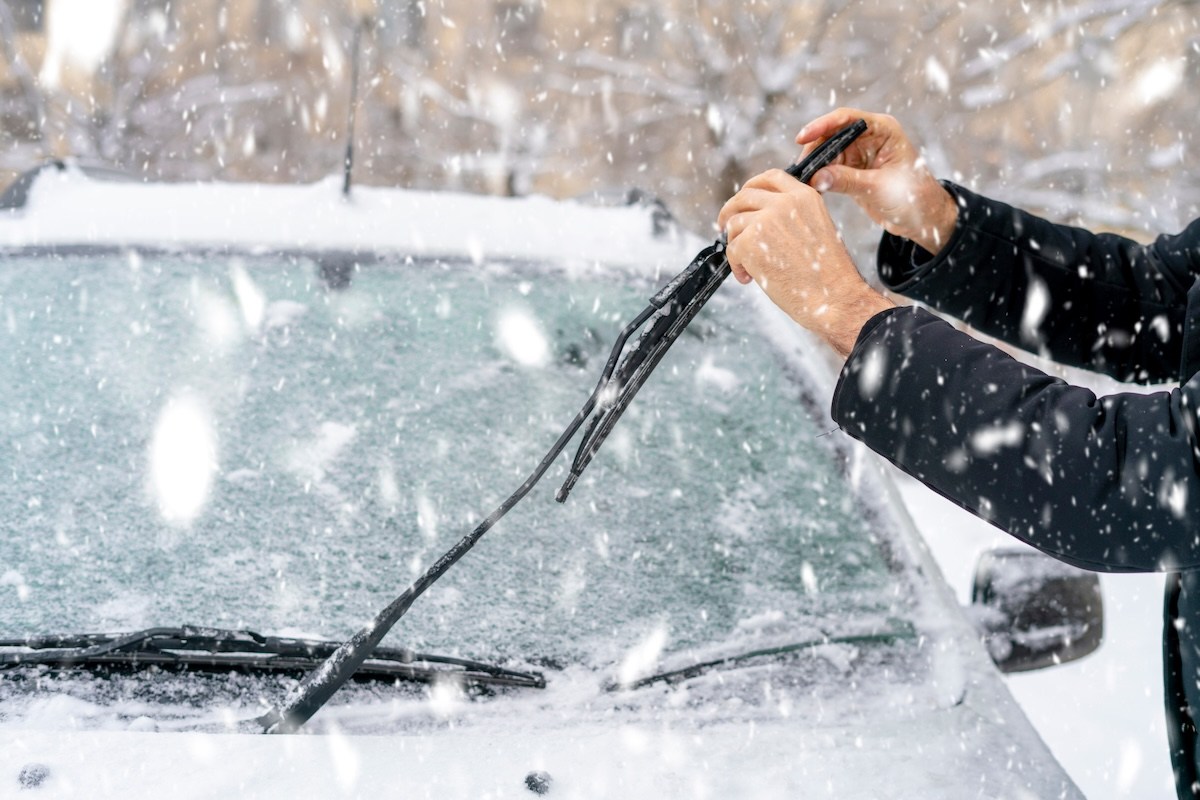
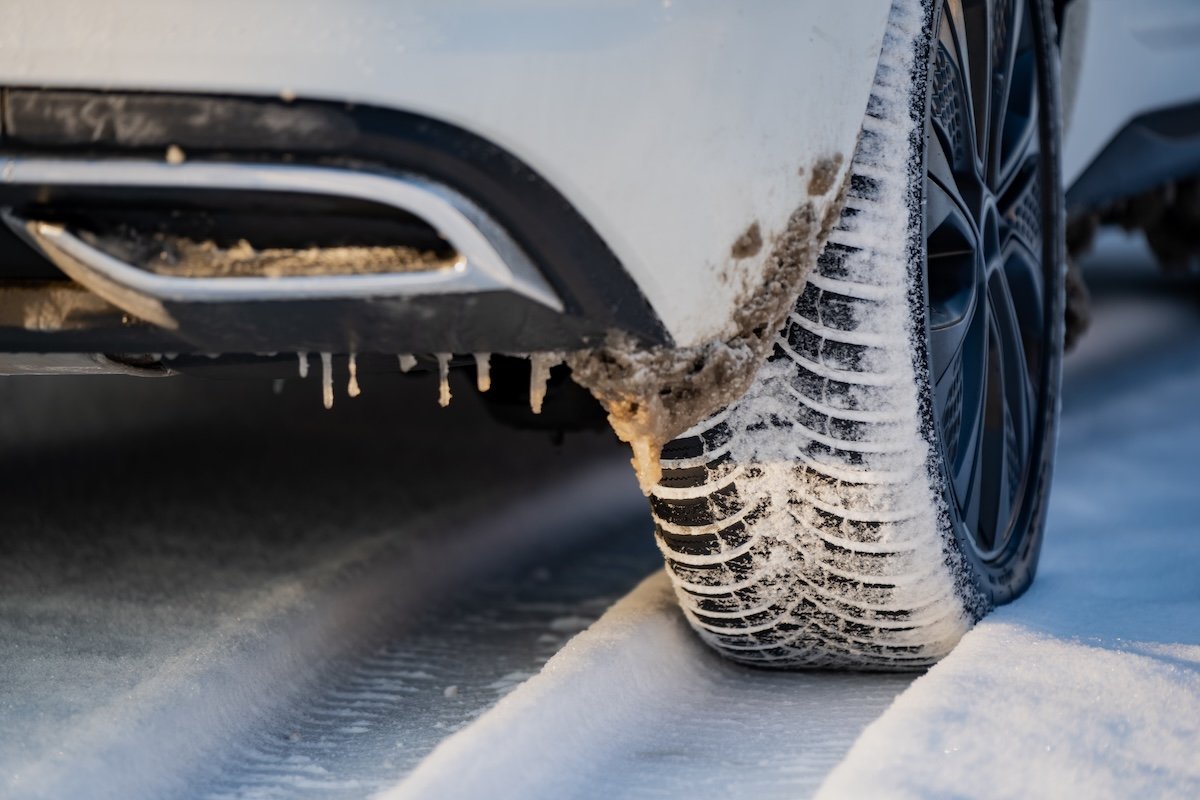
Swapping your standard wipers for winter-specific blades, which feature flexible rubber and anti-clogging arms, ensures clear visibility during heavy storms. Similarly, if you live in a region with consistent snowfall, snow tires are a critical safety upgrade. The deeper tread and specialized rubber compounds allow for better braking, accelerating, and cornering on slick, dangerous surfaces.

Personal Comfort and Emergency Readiness
16. Managing the Thermostat
Acclimating to a slightly cooler indoor temperature is the most effective way to lower heating bills. Start by setting your thermostat to 72 degrees and gradually lower it to 68. Using a programmable or smart thermostat, like the Google Nest Gen 4, allows you to automate these changes, dropping the temperature even further when you are asleep or away from home.

17. Combatting Dry Air
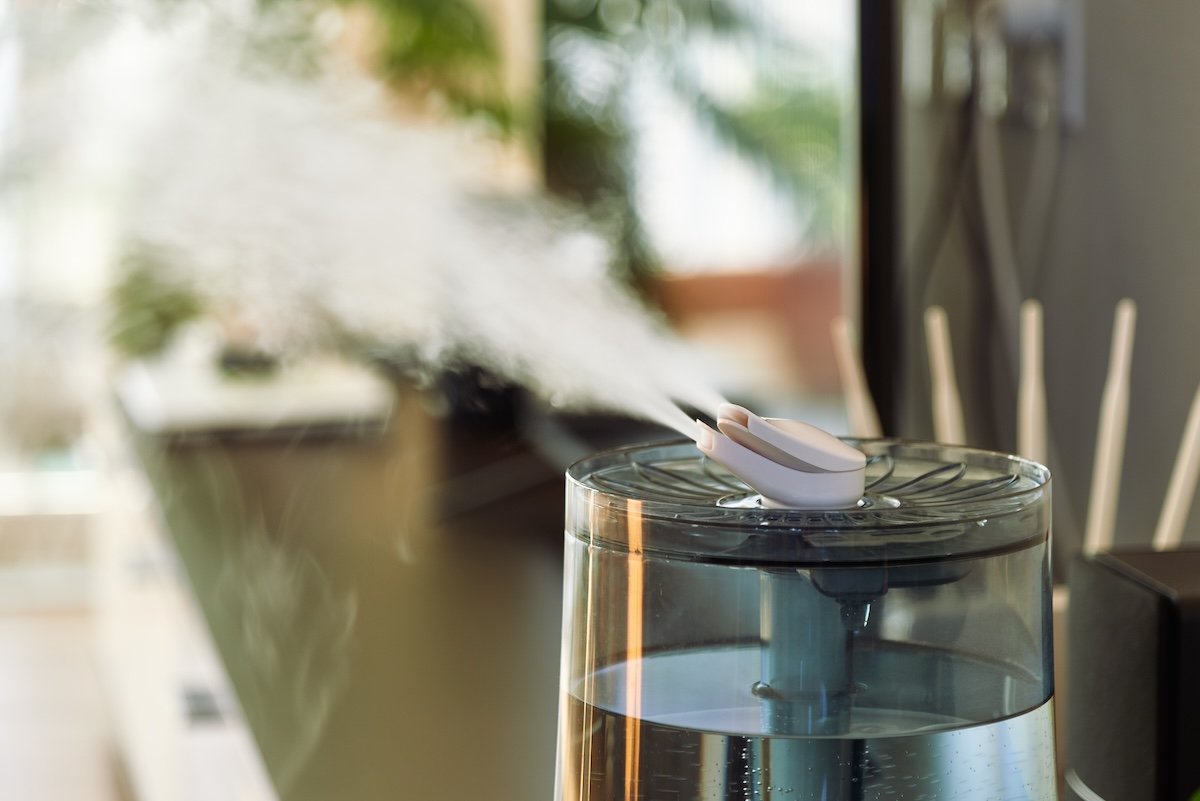
Central heating systems are notoriously drying, which can lead to skin irritation and respiratory discomfort. A high-quality humidifier, when properly maintained and cleaned, helps maintain optimal indoor humidity levels. This not only benefits your skin and sinuses but can also make a room feel warmer at lower temperatures.
18. Personal Care: Showers and Clothing
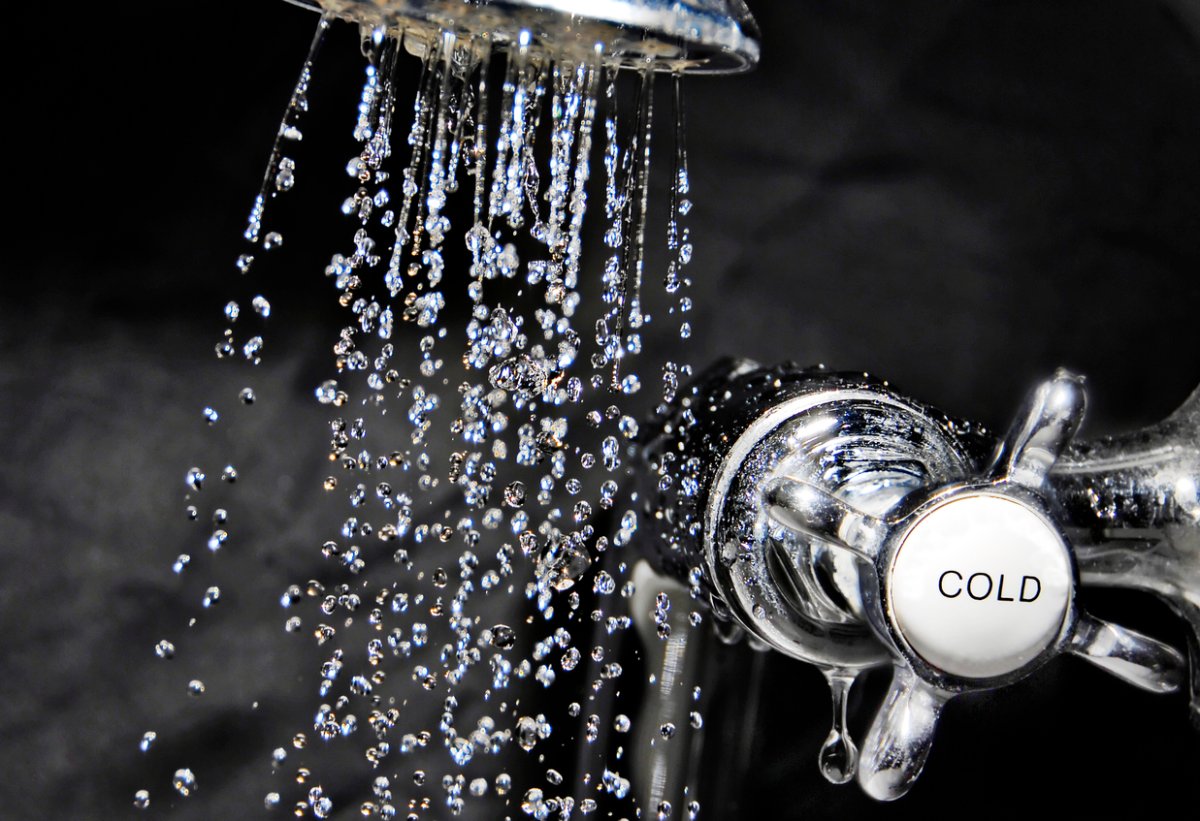
While long, hot showers are tempting, they strip the skin of natural oils and can aggravate conditions like eczema. Limiting showers to 5 minutes and using warm, rather than hot, water is better for your skin and your water bill. Additionally, stock your closet with high-quality layers. Being prepared with extra hats, scarves, and gloves for guests who may arrive unprepared is a hallmark of a well-organized home.
19. Power Outage Planning
Winter storms often bring the threat of power loss. Investing in a backup generator is advisable for those in vulnerable areas. At a minimum, ensure that flashlights are always ready, and keep portable power stations charged for communication devices. A well-stocked pantry—including at least one gallon of water per person per day and non-perishable staples like canned beans and nuts—ensures you are prepared for the duration of any outage.
20. Pest Prevention
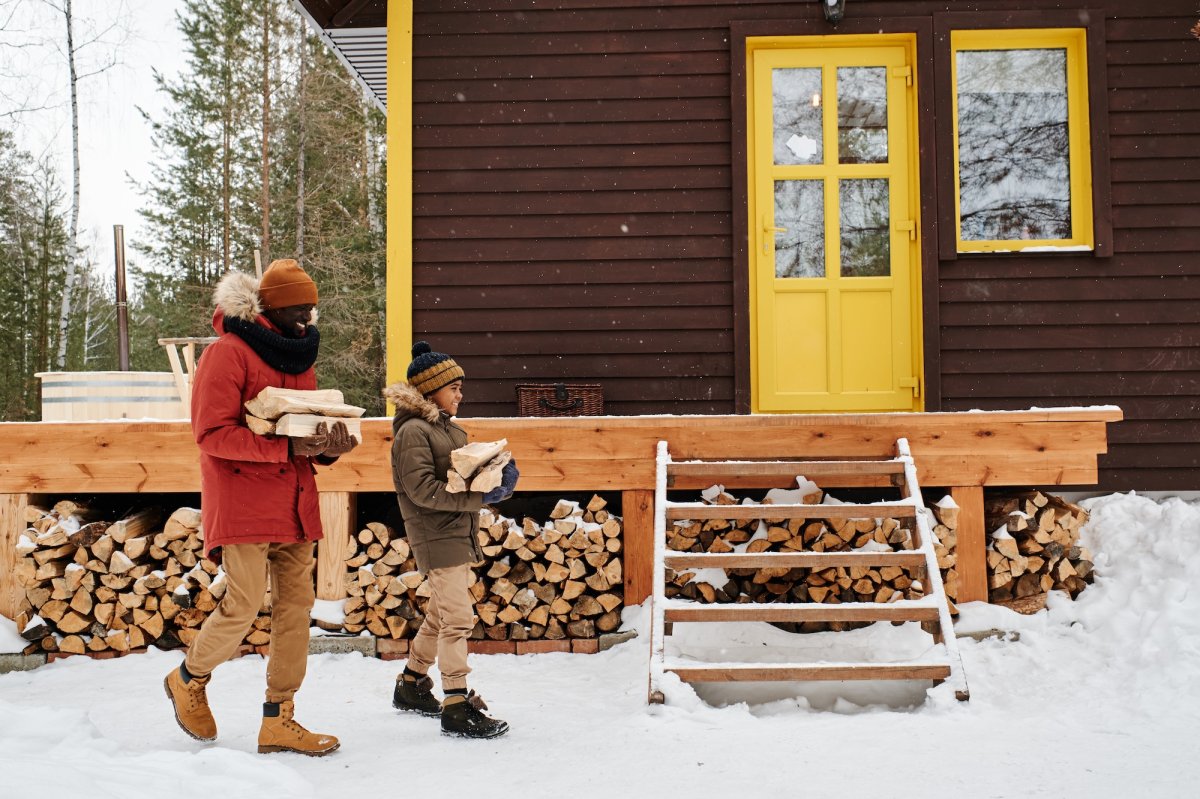
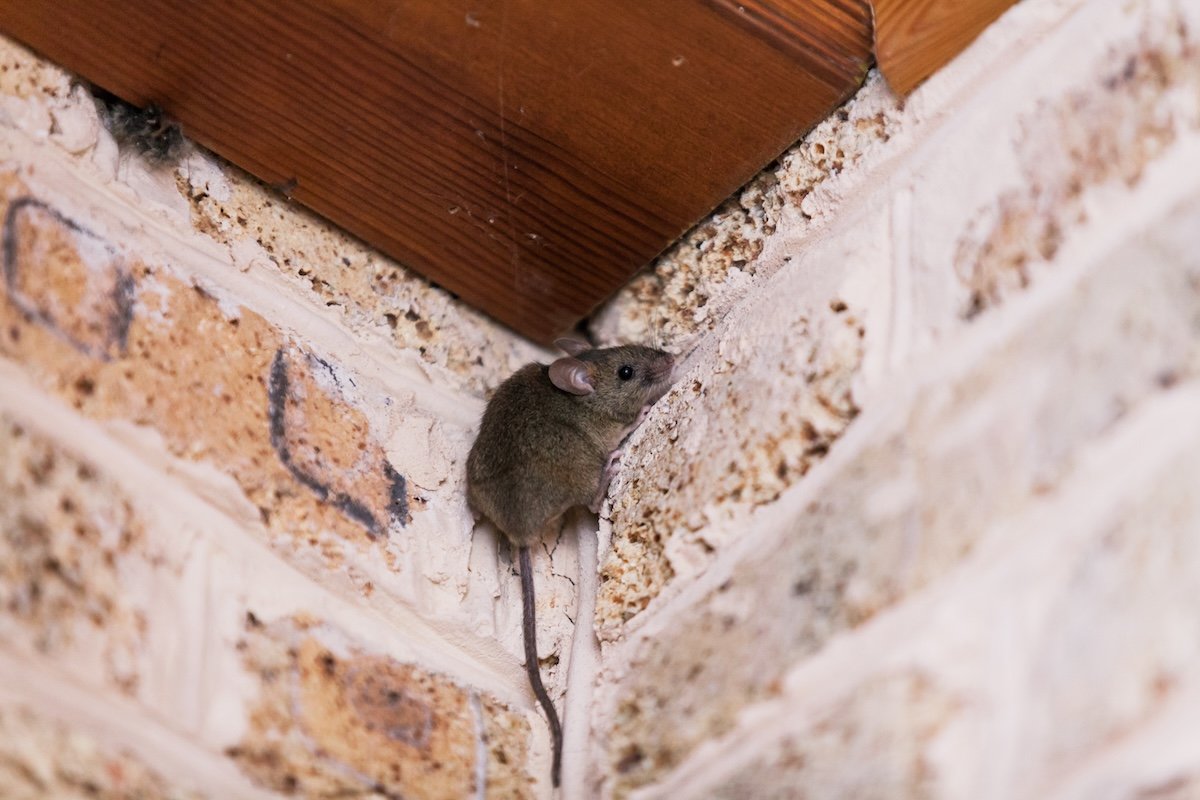
As the outdoors becomes inhospitable, rodents and insects seek the warmth of your home. Sealing cracks in the foundation, replacing worn weatherstripping, and storing firewood at least 20 feet away from the residence are primary defenses. Keeping the home clean and dry also discourages insect infestations, which often seek out moisture in pipes.
Implications and Conclusion
Winterization is not merely a chore; it is a comprehensive approach to home maintenance that yields significant financial and personal benefits. By addressing the structural, mechanical, and safety-related aspects of your environment before the first snow falls, you minimize the risk of emergency repairs and maximize your home’s efficiency. Preparation provides peace of mind, allowing you to enjoy the season knowing that your home—and your family—are protected against whatever winter may bring.
