

By Naima Morelli
The juxtaposition was as jarring as it was inevitable. While the global art elite descended upon the French capital for the 2026 iteration of Paris Art Week, the city itself was undergoing a profound, often violent, metamorphosis. For the international collector, the week was a meticulously curated itinerary of vernissages, champagne receptions, and multi-million-euro transactions. For the average Parisian, however, it was a week defined by the acrid scent of burning plastic, the rhythmic thud of police batons against riot shields, and a palpable sense of historical rupture.
"The people in the art world are courageous," one collector remarked during the opening of Asia Now, the first of the major fairs, held early in the week. "But I would still like to be back at my hotel before 7 pm, you know, just in case." That sentiment—a cocktail of bourgeois anxiety and professional detachment—became the defining theme of a week that saw the rarefied atmosphere of the art market collide with the raw, unpolished reality of civil unrest.
A Chronology of Chaos
For those accustomed to the annual pilgrimage to Paris in October, disruption has become a grimly reliable constant. In 2022, the backdrop was defined by widespread strikes and cost-of-living demonstrations. In 2023, high-level terror alerts forced rerouted flights and logistical nightmares. Yet, the 2026 edition arrived with an intensity that eclipsed its predecessors.
When I arrived at the Gare du Nord on Saturday, October 17, the atmosphere was already thick with tension. Beyond the station doors, the crisp autumn air was tainted by the unmistakable, chemical stench of burning debris. Black-clad protesters navigated the labyrinthine streets of the Marais, engaged in a high-stakes game of cat-and-mouse with police squads, while firefighters scrambled to extinguish scattered, smoldering fires.
The disruption was not merely external; it was deeply personal. A colleague, who had envisioned a quiet, aesthetic weekend of gallery-hopping, found herself trapped on the Boulevard de Sébastopol. "We had to run!" she recounted, her voice still trembling. "When the police start hitting, they hit indiscriminately." She drew a chilling parallel to recent events in Porto, where authorities had forcefully dismantled a peaceful housing-rights encampment. By 11 pm, she finally reached the sanctuary of her home, underscoring the reality that for many, the week’s primary achievement was simply reaching the safety of one’s own front door.

The Aesthetic of the Street
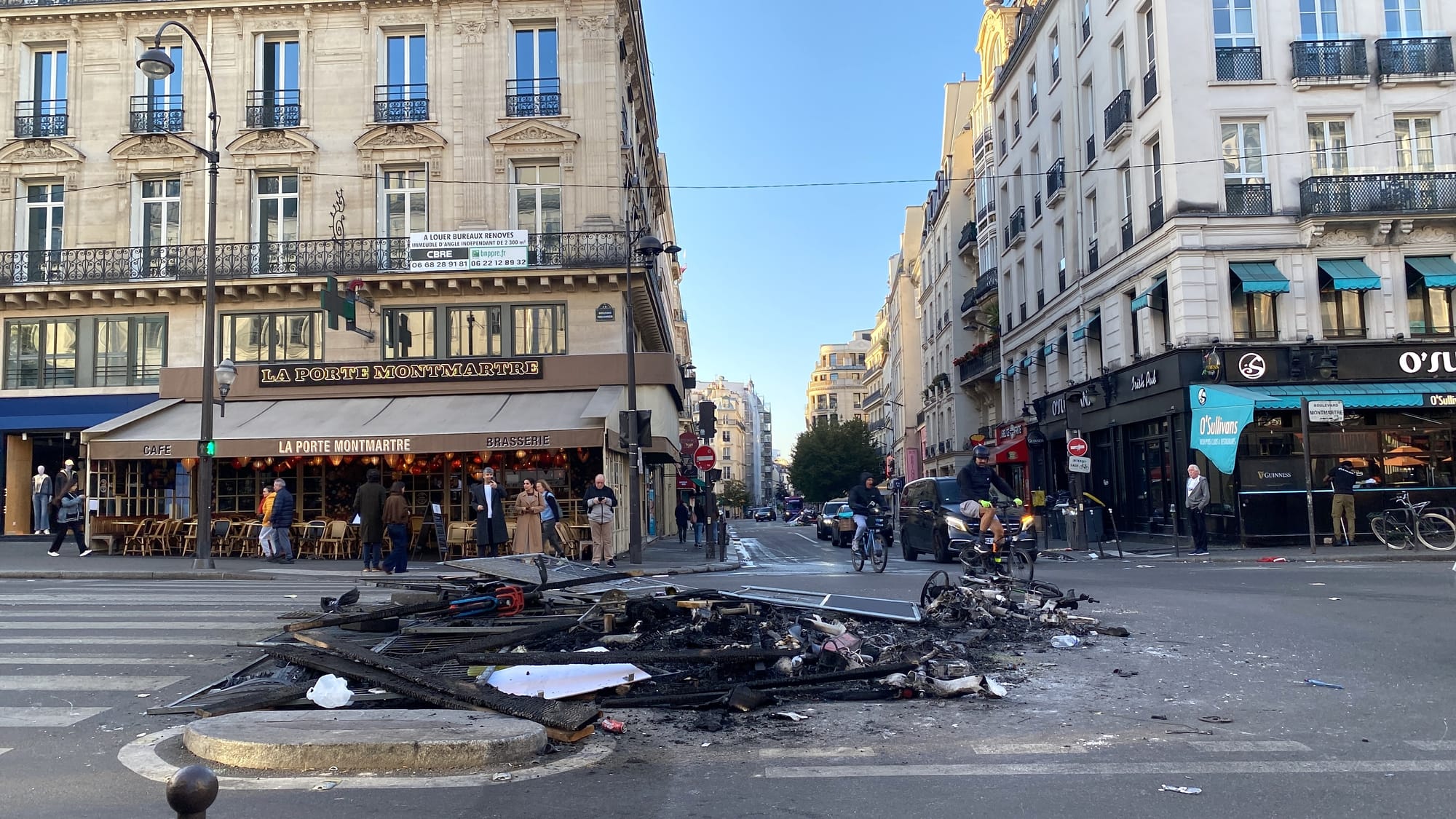
The visual landscape of Paris underwent a radical transformation. While the interior of the Grand Palais remained a sterile, climate-controlled temple to commerce, the streets were covered in a different kind of "installation." Smashed glass and the charred skeletons of bicycles—which eerily mimicked the textured surfaces of Alberto Burri’s Combustioni—became the city’s new public art.
The targets of the destruction were specific: luxury retail outlets, banks, real estate agencies, and government buildings. In contrast to the orderly, polite discourse inside the fairs, the discourse on the street was visceral. One Lebanese friend, displaced by the turmoil in Beirut, observed the looting with a mix of shock and sociopolitical insight. "In Lebanon, people were so hungry, but they still have their dignity; they would never loot," she said. "Here, people are really, really angry."
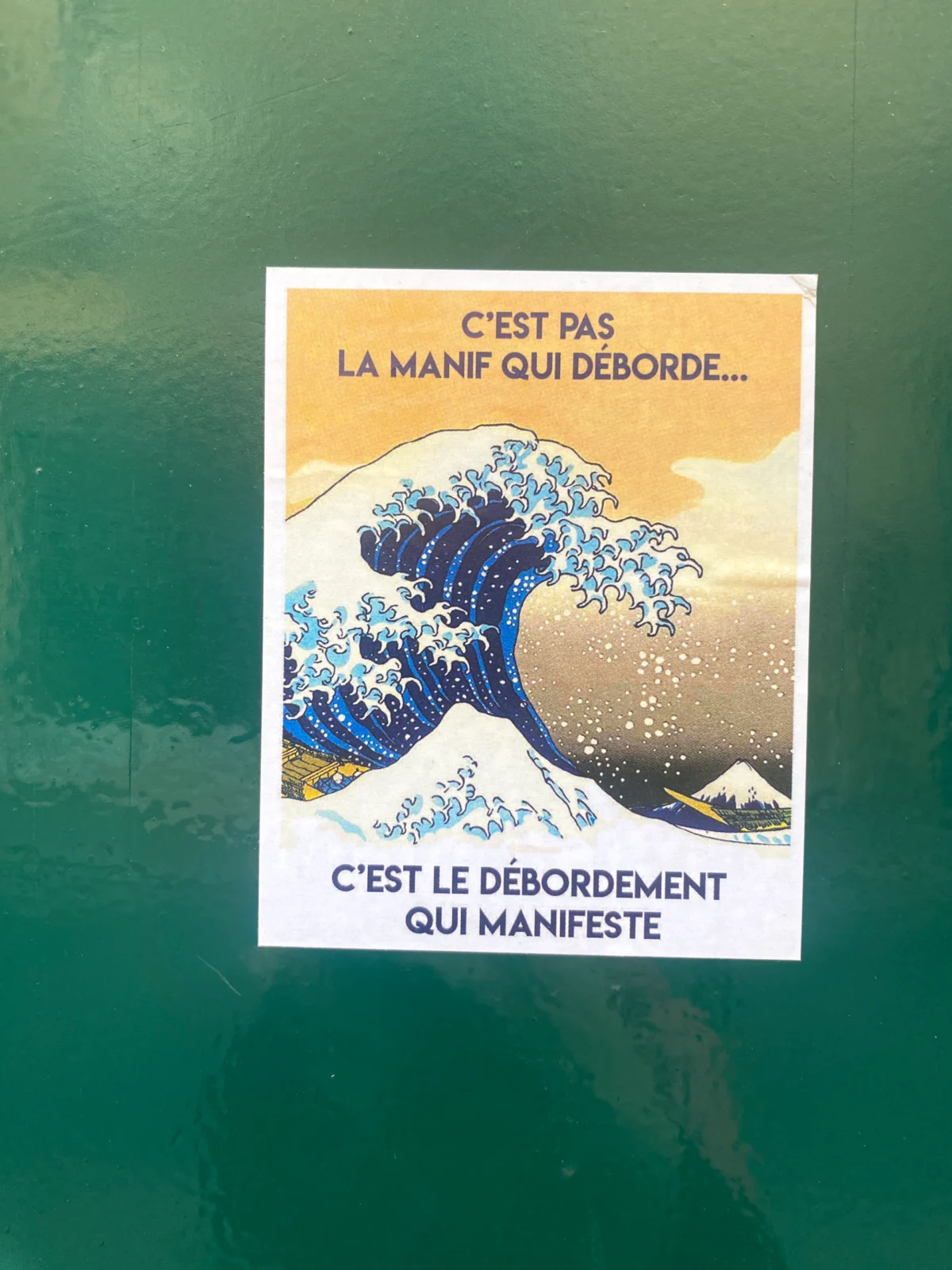
The graffiti on the walls acted as a barometer for this collective fury. One cardboard sign, tucked among anti-bird spikes, quoted Simone Weil: "Very few minds discover that things and beings exist." A few blocks away, the message was more urgent and unrefined: Nique la police. This, as many observers noted, is the "Dionysian force" of le peuple—a gradient of motives ranging from survival-based aid for the homeless to pure, reactionary rage.
Institutional Paralysis and Official Responses
As the week progressed, the city’s cultural calendar began to unravel. The state, often the primary patron of the arts, found itself increasingly unable to provide the infrastructure necessary for "business as usual."
On October 15, the Foreign Ministry postponed a high-profile design exhibition by Thierry Lemaire and Harry Nuriev at the Quai d’Orsay. The irony was palpable: the show was titled PASSAGES. Pas sages—a play on the word for "disobedient." It was a fitting, if unintentional, commentary on the climate. The closures followed in rapid succession: the Jeu de Paume cancelled its VIP opening for the Stan Douglas exhibition; students from the École du Louvre blocked the museum’s entrance; and the École des Beaux-Arts was forced to pull the plug on its Gina Pane opening.
By the time the Interior Minister admitted that the police had effectively "lost control" of the streets over the weekend, the message from the international community was clear. The United States, German, and Chinese embassies issued travel advisories, and curfews were imposed on the Place de la République and the Les Halles district. The city was, for all intents and purposes, under a soft lockdown.
The Disconnect: Business at the Grand Palais
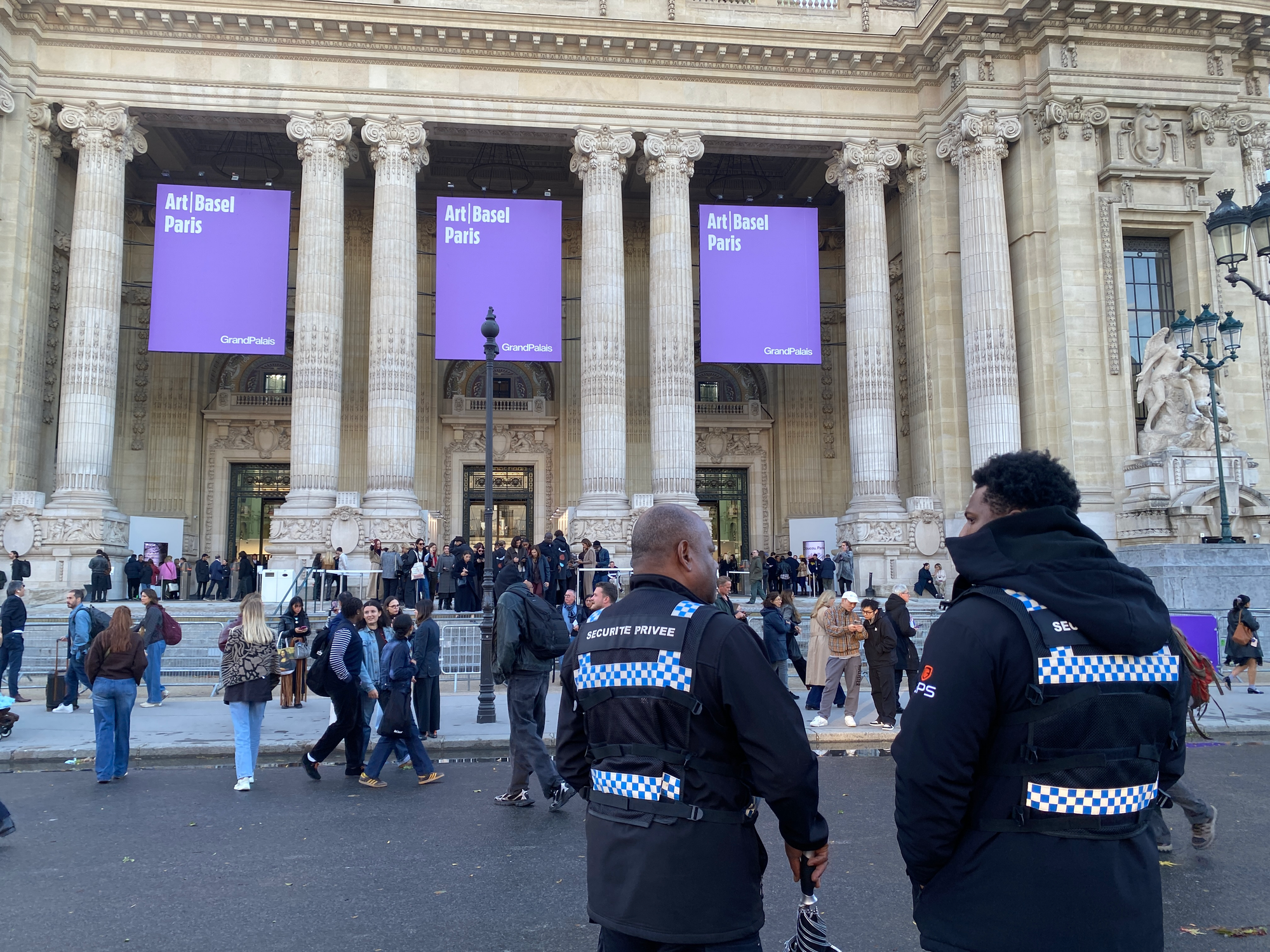
Inside the Grand Palais, the contrast to the street was nothing short of surreal. By Tuesday, the site was surrounded by concrete anti-ram barriers and a heavy concentration of both private security and law enforcement. Inside, however, the market hummed with a different frequency.
"I bet no one is talking about them!" an editor exclaimed, watching the frenetic activity of dealers and collectors. "They’re too busy selling works for millions of dollars!"
For the global art market, the protests were merely a logistical inconvenience to be managed. Collector Selim Bouafsoun, representing a perspective often ignored in Western media, remained unfazed. "I come from Tunisia," he told me. "We do not get scared by manifestations. Manifestations are a right, and we respect their rights." Inside the fair, he found the environment "safe" and conducive to commerce.
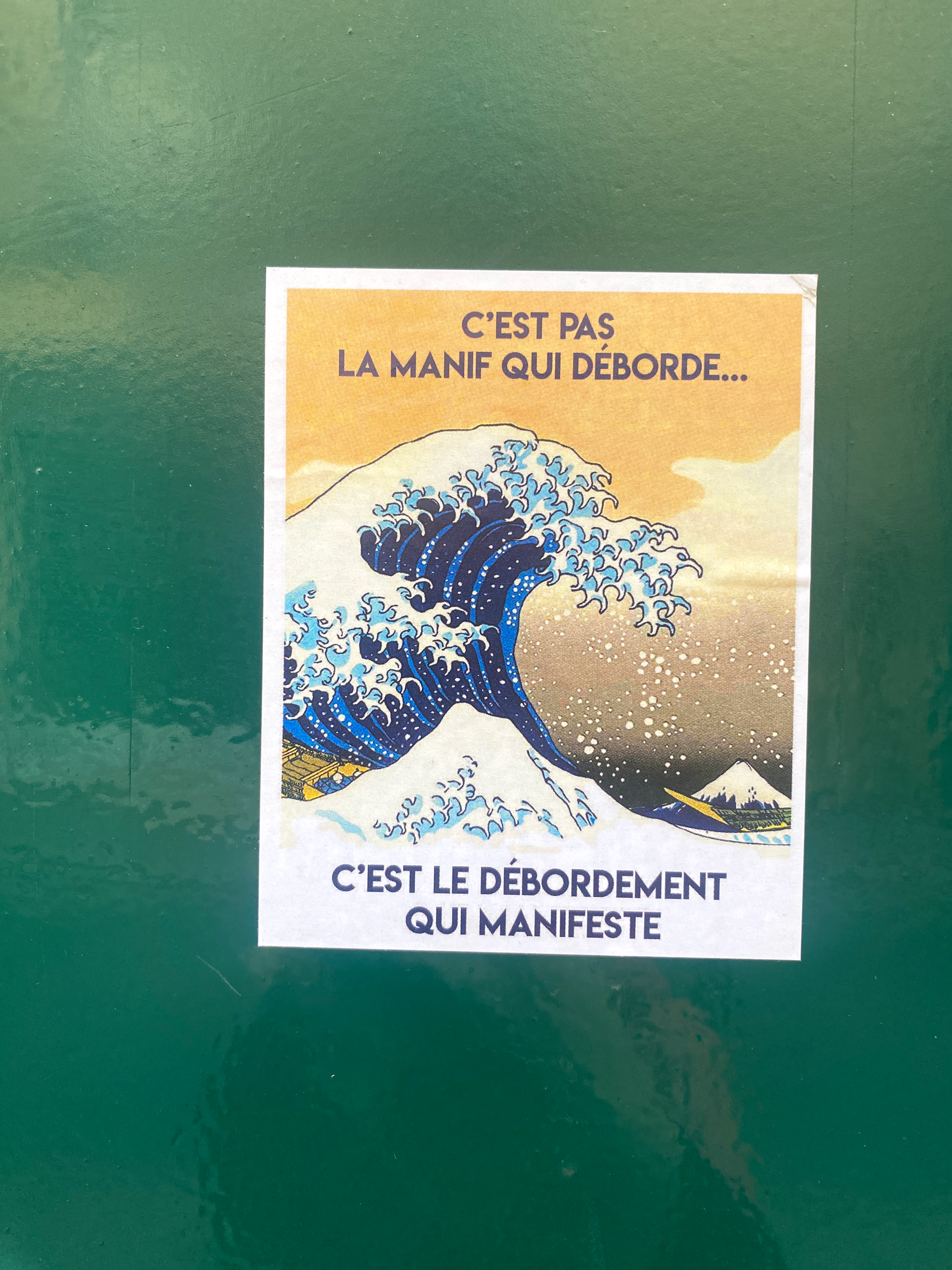
Yet, the anxiety was there, lurking at the edges. Public sculptures, such as Alicja Kwade’s L’élévation des Mondes, were removed ahead of the weekend’s protests. Kwade’s own commentary on the matter—"Protest is good, but why everything has to be smashed and destroyed is beyond… It certainly doesn’t help the cause"—encapsulated the fundamental tension between the desire for social change and the protection of private property.
Implications: Can Art Transcend the Crisis?
By Thursday, the end was inevitable. Art Basel issued an email confirming the fair would close two days early, citing the "interest of safeguarding our visitors."
At the Offscreen fair, held at the historic Chapelle Saint-Louis de la Salpêtrière, I spoke with Marina Vinogradova, director of the NIKA Project Space, and artist Adel Abidin. As we discussed the existential role of painting, our conversation was punctuated by the wail of sirens and the arrival of armed police vans.
Abidin offered a poignant defense of the artist’s role in times of crisis. "While I condemn the vandalism and the violence, I think it’s inspiring to see that people can protest and have a voice," he said. "I wish I’d had that when I was living in Baghdad." He argued that art, much like the protest itself, is a form of resistance—a gesture toward something larger than the self.
However, not everyone in the Parisian art scene shares this optimism. El Mehdi Largo, an artist who opted to boycott the fairs entirely, sees the industry as fundamentally parasitic. "They instrumentalize our suffering," he noted. "In the end, these works are only there to decorate the conversations of the people who can afford them."
Largo went so far as to suggest that the ultimate "art piece" would be the intrusion of the protesters themselves into the hallowed halls of the Grand Palais—a disruption of the hierarchy. Yet, even he recognized the cycle of co-option: "But then, of course, this will become the aesthetic of smashing. Damn. There is no way out, is there?"
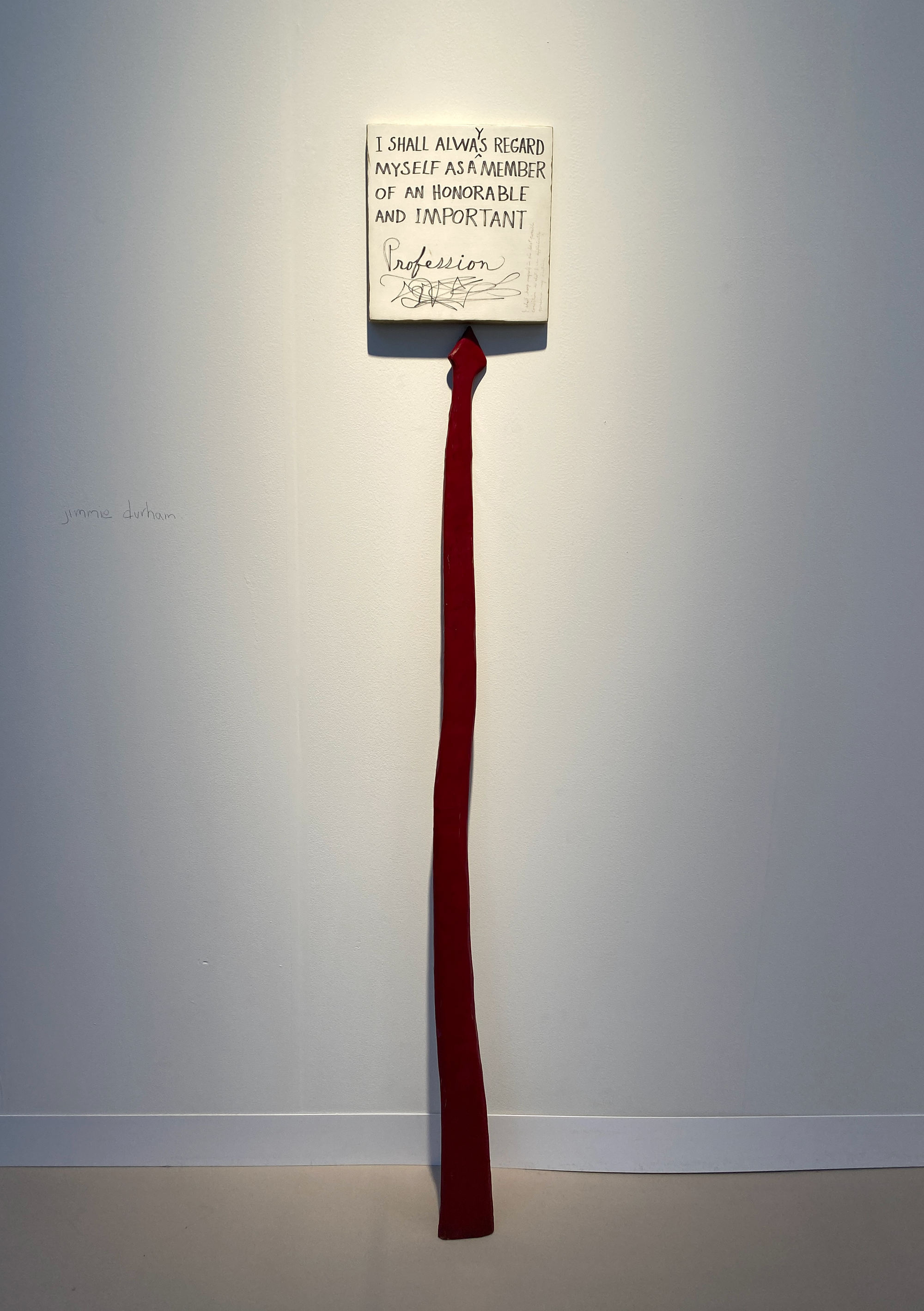
As Paris moves past this week, the city remains a testament to the friction between the eternal, unchanging nature of art and the volatile, shifting nature of human history. The art market will undoubtedly return, the broken glass will be swept away, and the graffiti will be painted over. But the questions raised by this week—about who has the right to the city, the role of luxury in a time of inequality, and whether art can ever truly stand apart from the struggle—will continue to resonate long after the final VIP guest has departed.
