

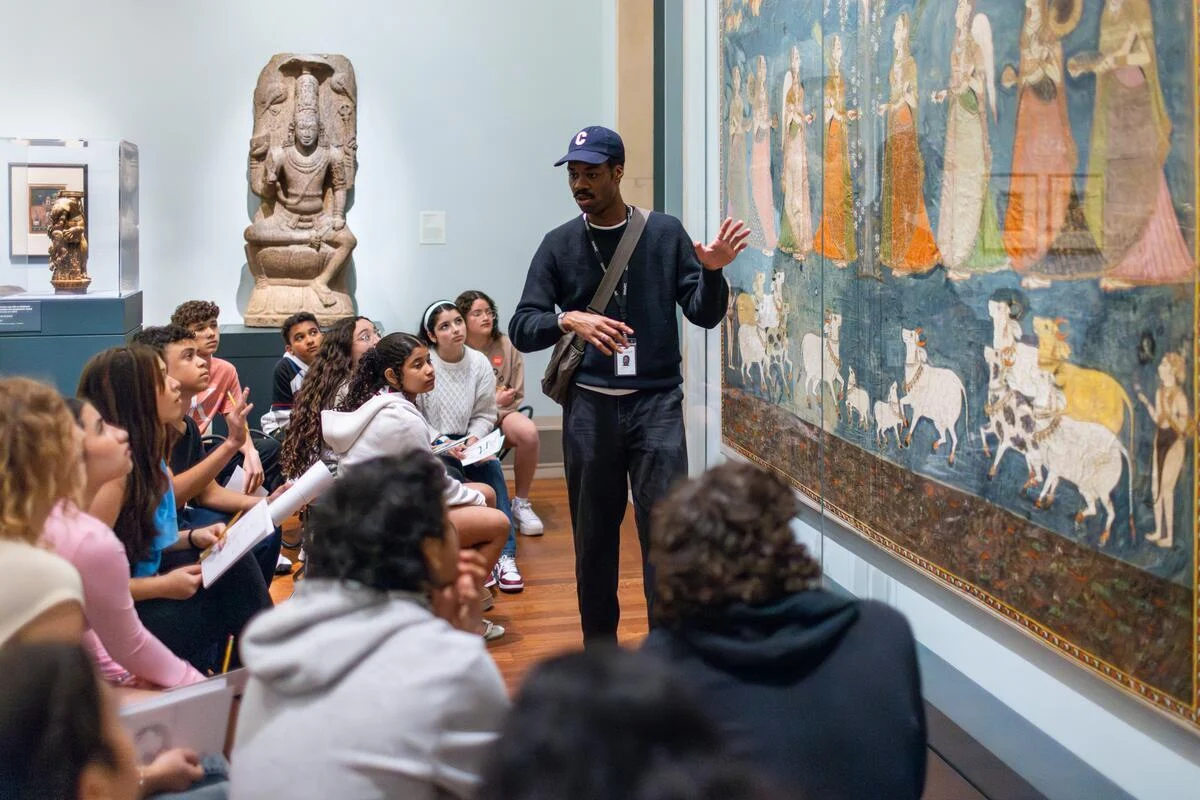
The Philadelphia Museum of Art (PMA), a cornerstone of American cultural heritage and a beacon of artistic excellence on the Benjamin Franklin Parkway, has entered a new chapter in its institutional history. On October 23, the museum formally announced that it has received a landmark $20 million donation from longtime benefactors Julian and Lois G. Brodsky. This significant capital injection is specifically earmarked for the creation of a massive, purpose-built education center, signaling a strategic shift toward prioritizing community engagement and experiential learning.
The donation, which ranks among the most substantial financial gifts in the institution’s long history, serves as the cornerstone for the forthcoming "Brodsky Center." By tripling the footprint of the museum’s current educational facilities, the PMA is positioning itself to become not merely a site of passive observation, but a vibrant, active hub for the next generation of artists, students, and lifelong learners.
The Main Facts: A Blueprint for Expansion
The Brodsky Center is not merely an addition; it is an overhaul of the museum’s pedagogical infrastructure. Occupying the museum’s north wing, the facility is designed to address a persistent challenge: the physical limitation of current educational spaces. The museum currently allocates roughly 6,000 square feet to art education—a space that, while impactful, has struggled to meet the growing demand from Philadelphia’s diverse student population.
Under the new plans, the Brodsky Center will occupy more than triple that space. The architectural vision, spearheaded by the Philadelphia-based firm MGA Partners, includes a comprehensive suite of specialized areas:
- A Family Learning Center: A dedicated space for children and caregivers to engage with art through tactile and interactive exhibits.
- Art Studios: Fully equipped workshops designed for hands-on creation, allowing visitors to translate the inspiration of the museum’s galleries into their own physical works.
- Visitor Orientation Area: A streamlined space designed to welcome large groups and provide context before they enter the main galleries.
- Multipurpose Community Hub: A flexible space intended for lectures, community meetings, and collaborative programming that bridges the gap between the institution and the city’s various neighborhoods.
Beyond the physical structure, the PMA plans to significantly expand its human capital. Currently, the museum employs sixteen full- and part-time educators who serve approximately 36,000 students annually. With the advent of the Brodsky Center, the institution anticipates a substantial increase in its educational staff to manage the projected rise in capacity and to facilitate more nuanced, intimate learning experiences.
Chronology: From the Gehry Project to the Brodsky Era
The inception of the Brodsky Center is the latest milestone in a broader, decade-long effort to modernize the PMA’s iconic neoclassical building.
2017–2021: The Core Project
Following years of planning, the museum underwent the "Core Project," an ambitious renovation led by world-renowned architect Frank Gehry. This project focused on restoring the museum’s historic galleries, opening up the grand vaulted walkways, and reclaiming previously underutilized subterranean spaces. Completed in 2021, the Core Project revitalized the visitor experience, creating a more accessible and flowing internal architecture.
2023–2024: Conceptualizing the North Wing
Following the success of the Gehry-led renovations, museum leadership turned their attention to the north wing. It was determined that while the galleries were world-class, the infrastructure for public engagement—specifically education—remained tied to antiquated constraints.
October 2024: The Brodsky Announcement
The formal announcement of the $20 million gift marked the official commencement of the project’s fundraising and design phase.
2027: Design and Beyond
The museum has set an ambitious but measured timeline. The architectural design by MGA Partners is expected to be finalized by the summer of 2027. Following the finalization of designs and necessary zoning and municipal approvals, construction is slated to begin, with a target completion date set for a few years thereafter.
Supporting Data: Why Education Matters Now
The necessity for this expansion is backed by compelling data regarding the PMA’s current reach. With a staff of only sixteen, the museum currently serves 36,000 students every year. This represents a remarkably high volume of engagement per staff member, indicating both a high demand for the museum’s services and a potential for burnout or capacity bottlenecks under the current configuration.
The museum’s role as an educational anchor in Philadelphia is critical. In a city with a robust public school system and a high density of universities, the PMA functions as an extension of the classroom. The decision to triple the square footage is not just an aesthetic choice; it is a response to demographic shifts and the evolving nature of museum-going, where younger audiences increasingly demand interactive, "third-space" environments that offer social and creative utility beyond the traditional viewing of static objects.
By expanding the studio space and creating a community hub, the museum is effectively moving toward a "Museum 3.0" model—a space that prioritizes the "doing" of art as much as the "seeing" of it.
Official Responses: The Philosophy of Engagement
The leadership at the PMA has been vocal about the pedagogical philosophy driving this expansion. Audrey Hudson, the institution’s deputy director for learning and engagement, framed the project as a move toward "limitless educational experiences."
"The new Brodsky Center will be an intentionally designed, purpose-built space that inspires limitless educational experiences grounded in the PMA’s collection," Hudson stated during the press conference. "It will address the museum’s need for expanded capacity to host school groups, while providing dedicated spaces for programming and studios for hands-on learning."
Julian and Lois G. Brodsky, whose history of philanthropy is deeply intertwined with the cultural fabric of Philadelphia, view this gift as a legacy investment. Their involvement suggests a long-term commitment to the idea that the PMA is an essential public utility. For the Brodskys, the center represents a bridge between the historical significance of the museum’s collection and the future potential of the city’s youth.
Implications: A New Cultural Landscape for Philadelphia
The announcement of the Brodsky Center carries significant implications for the broader Philadelphia art scene and the museum’s role as a civic institution.
1. Strengthening Civic Ties
The inclusion of a "multipurpose community hub" suggests that the PMA is looking to shed its image as an ivory tower. By inviting the community into the design process and providing spaces that can be used for local programming, the museum is signaling that it intends to be a living, breathing part of the neighborhood, rather than a monument on a hill.
2. Setting a New Standard for Museum Education
The PMA is setting a high bar for peer institutions. In an era where many museums are facing funding pressures and questions about their relevance to younger generations, the PMA is doubling down on education. This move could influence how other American museums approach their own capital projects, shifting the focus from gallery expansion to pedagogical infrastructure.
3. Economic and Cultural Impact
The construction project itself, led by MGA Partners, will provide a boost to the local architectural and construction sectors. Once completed, the center will likely increase the museum’s visitor numbers and its ability to secure further grant funding for educational programming. By training the next generation of artists and thinkers, the PMA is also securing its own future audience, ensuring that the appreciation for art remains a vital part of Philadelphia’s identity for decades to come.
4. The Challenge of Sustainability
While the $20 million gift is transformative, the long-term challenge for the PMA will be the operational costs associated with a larger facility. Maintaining expanded studio spaces, managing increased foot traffic, and staffing the center will require a robust endowment strategy. The institution will need to leverage the excitement generated by this gift to ensure that the Brodsky Center remains as vibrant and well-funded in 2040 as it will be upon its opening.
Conclusion
The Philadelphia Museum of Art’s decision to build the Brodsky Center is a bold, forward-looking move that recognizes a fundamental truth: the strength of an art institution is measured not only by the quality of its acquisitions but by the quality of its engagement with the public. Through this $20 million investment, the PMA is ensuring that it remains an indispensable resource for the citizens of Philadelphia. As the museum prepares to break ground, it is clear that the future of the PMA is not just in the past, but in the hands of the students and community members who will walk through the doors of the Brodsky Center in the years to come.
