

Introduction: The Evolution of a Digital Botanical Archive
In the digital age, gardening is often treated as a solitary pursuit—a quiet hobby conducted behind backyard fences or within the confines of a community plot. However, for over a decade, Fine Gardening’s "Garden Photos of the Day" (GPOD) has served as a vital, communal bridge, connecting enthusiasts across the globe. Following the enthusiastic response to our recent retrospective on the first 10 entries of this storied feature, we are peeling back the layers of history once more.
In this installment, we traverse entries 11 through 20. These images, captured in the nascent stages of GPOD’s history, offer a glimpse into the simplicity and raw beauty that defined the early digital gardening community. From the misty paths of the Catskills to the meticulously curated beds of the Denver Botanic Gardens, these snapshots serve as both a historical record and a testament to the enduring passion of our readership.
The Chronology of Early GPOD: Entries 11–20
The transition from the first ten entries to the next decade of content marks a period where the format began to find its voice. While the core philosophy—a single, high-quality photograph accompanied by an evocative narrative—remained, the breadth of subject matter began to expand significantly.
The Art of Privacy and Informal Design
Entry 11: Secluded Serenity in the Catskills
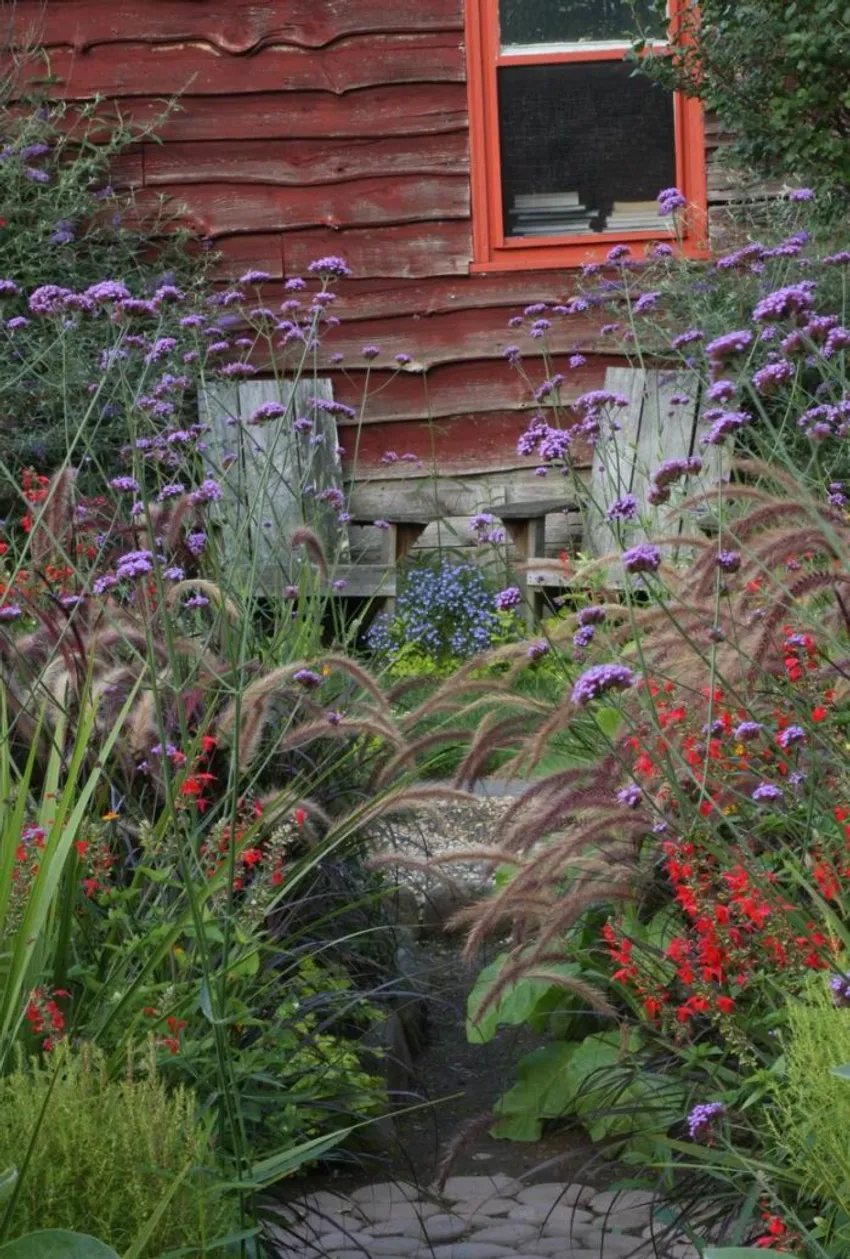
The collection begins with a masterclass in informal planting. Dean Riddle’s garden in the Catskills of New York demonstrates the power of self-sown flora. By allowing fine-textured plants to spill over the edges of a narrow path, Riddle created a naturalistic, soft boundary that invites intimacy. This entry highlights a key shift in early 2010s gardening: the move away from rigid, overly manicured hedges toward a more "wild" and self-sufficient aesthetic.
Entry 12: The Versatility of Clematis
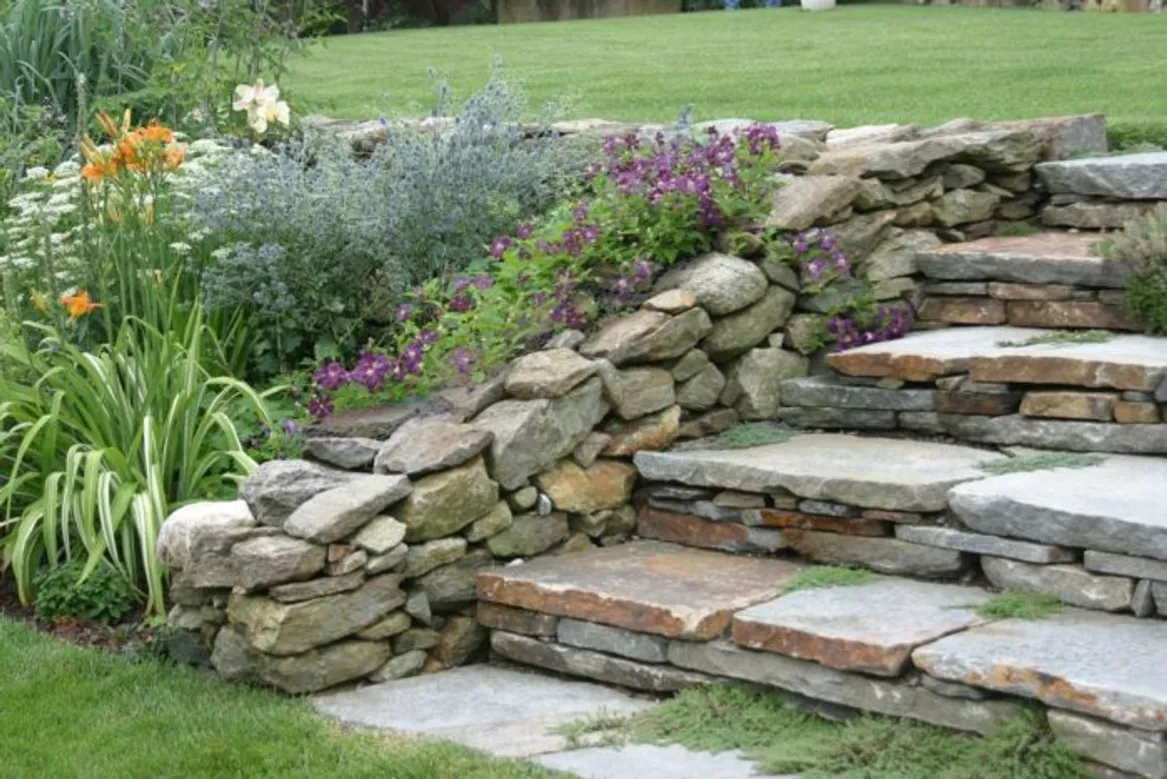
In South Kent, Connecticut, garden designer Rebecca Batchie challenged the traditional necessity of a trellis. By training a clematis to ramble across chicken wire atop a stone wall, she effectively blurred the lines between the garden bed and the hardscape. This technique serves as a crucial reminder for gardeners that structural elements can be reclaimed by nature, provided the right plant is chosen for the job.
Healing and Resilience in Public Spaces
Entry 13: Meadow-Style Pairings at Michigan State University
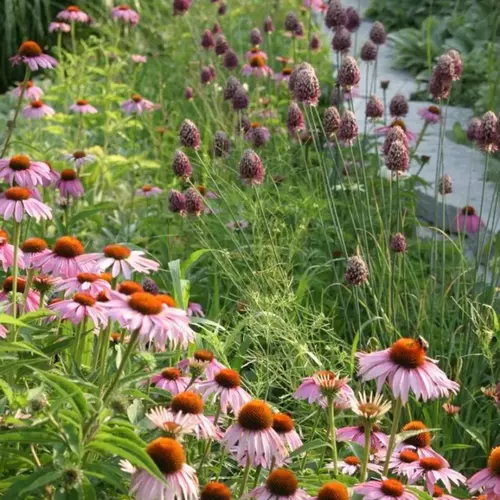
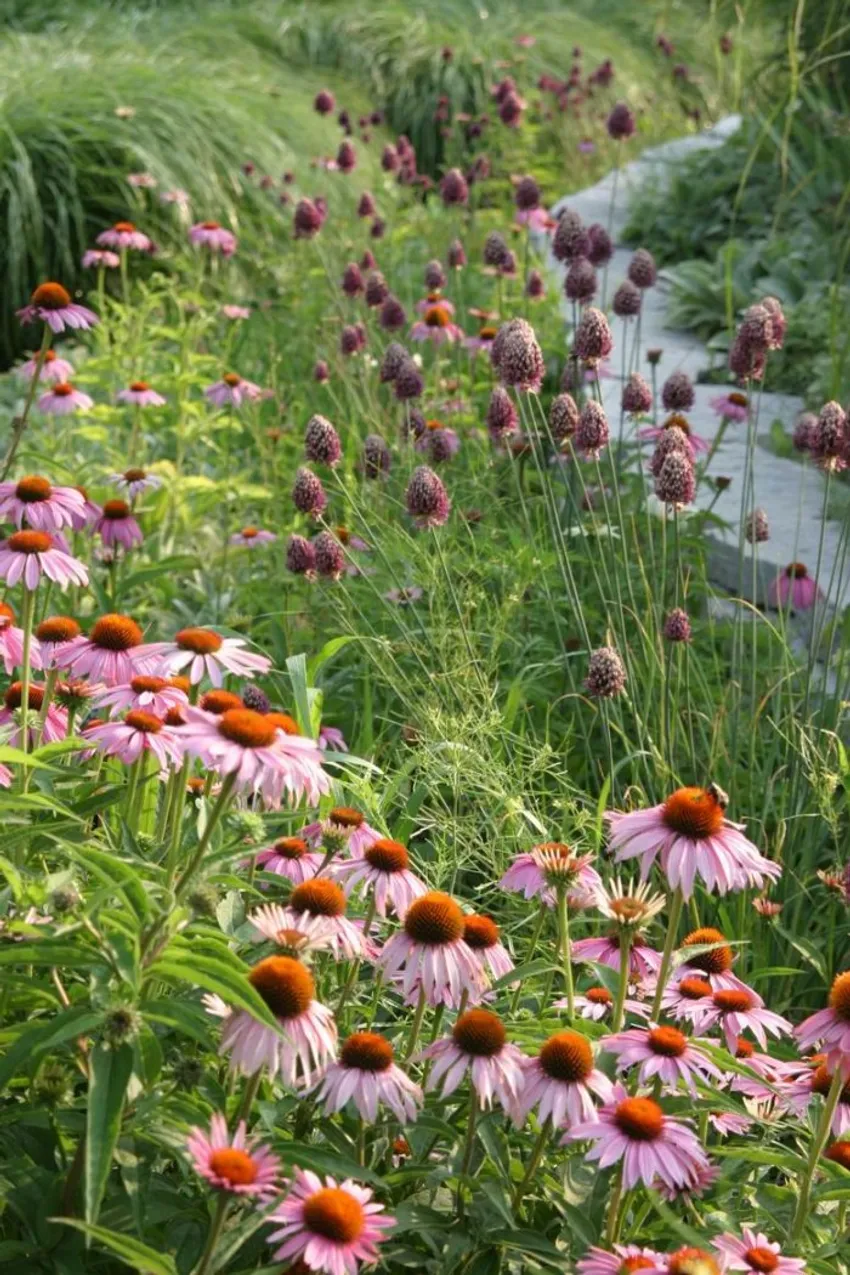
The healing garden at Michigan State University’s radiology department stands as a landmark of therapeutic design. Designed by Janet Gauthier, this space utilizes a rhythmic pairing of purple coneflower (Echinacea purpurea) and drumstick allium (Allium sphaerocephalon). The choice of these plants was intentional; their swaying motion and vibrant, contrasting hues offer a calming, sensory experience for patients and visitors alike.
Entry 14: Texture and Energy with ‘Gold Bar’ Miscanthus
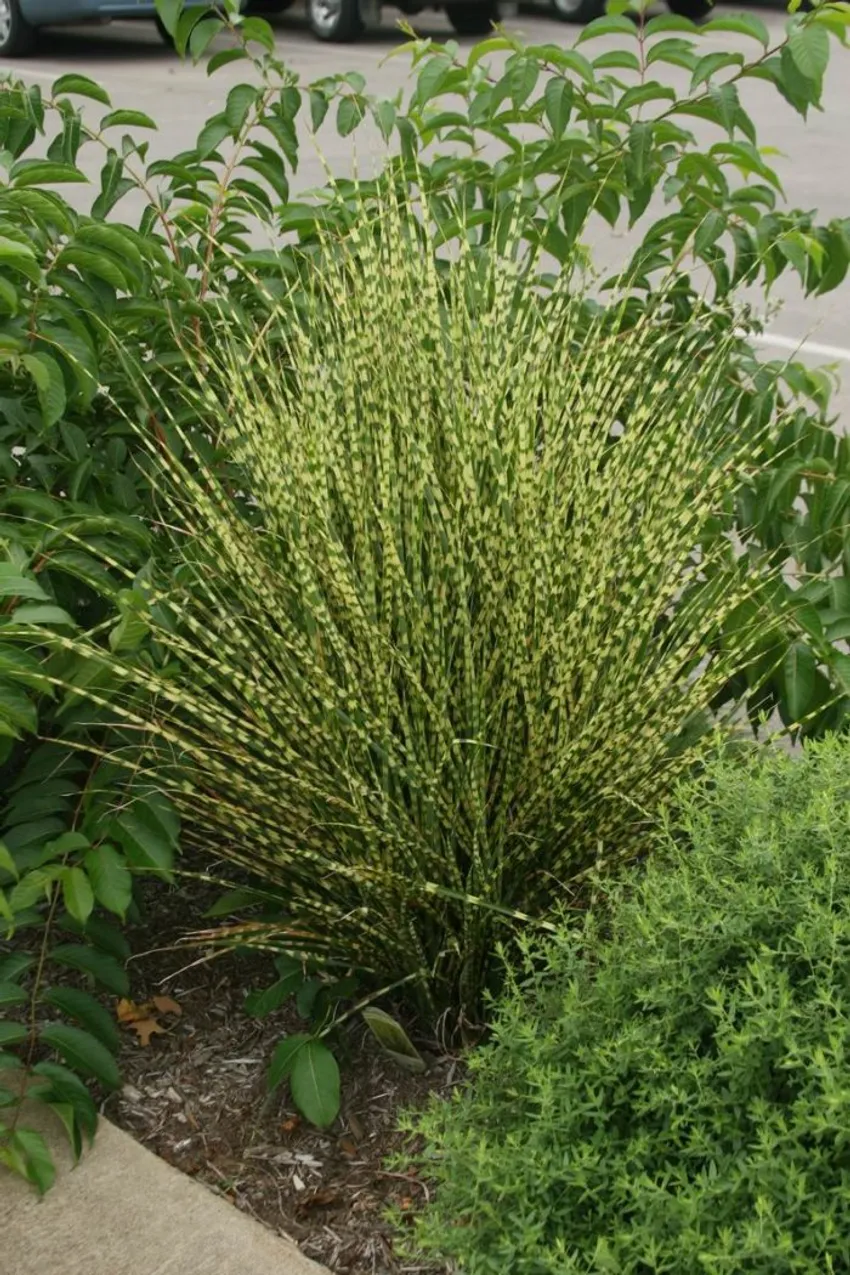
Ornamental grasses have long been a staple of modern landscape design, and the ‘Gold Bar’ miscanthus (Miscanthus sinensis ‘Gold Bar’) remains a standout. Developed by Joy Creek Nursery in Oregon, this compact variety is prized for its horizontal banding. As noted in our archives, its placement at the West Tennessee Research and Education Center showcased how to introduce visual "energy" into a landscape without overwhelming neighboring perennials.
Structural Beauty and Botanical Rarities
Entry 15: The Architectural Marvel of Lacebark Pine
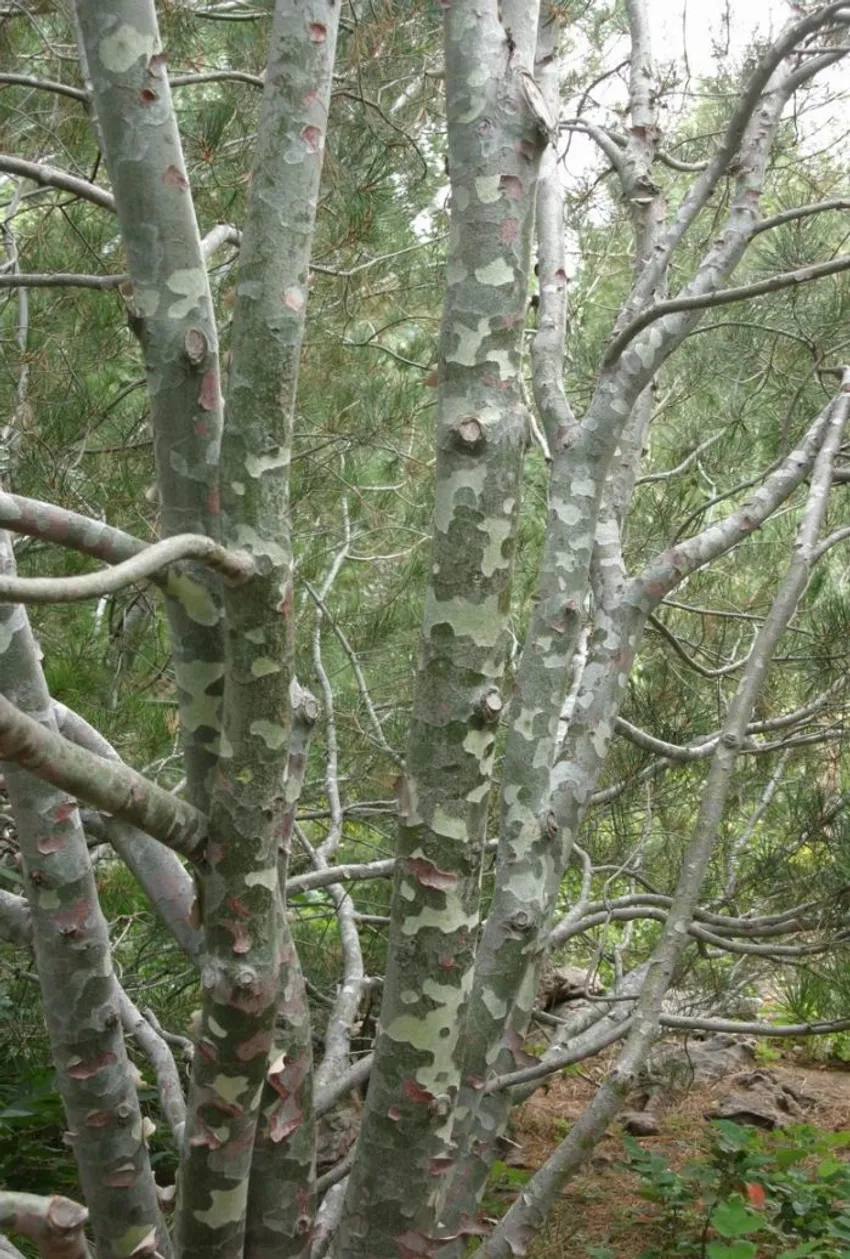
While many gardeners view evergreens solely as a winter backdrop, the lacebark pine (Pinus bungeana) proves that trees can be the stars of the show year-round. Its mottled, exfoliating bark provides a multi-colored mosaic that is nothing short of sculptural. Captured at the Denver Botanic Gardens, this tree stands as a testament to the value of selecting woody plants for their bark, not just their foliage or flowers.
Entry 16: The Ultimate Hideaway in Oakland
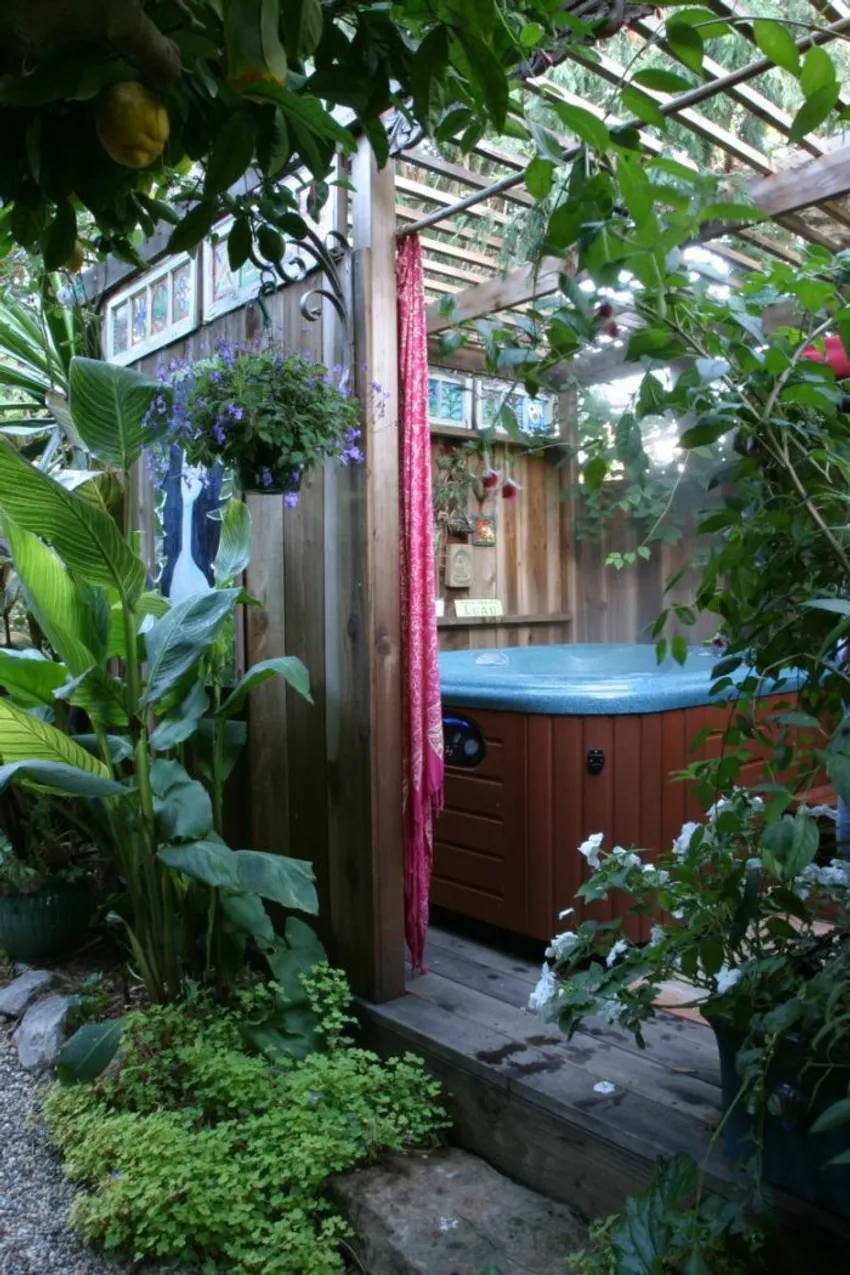
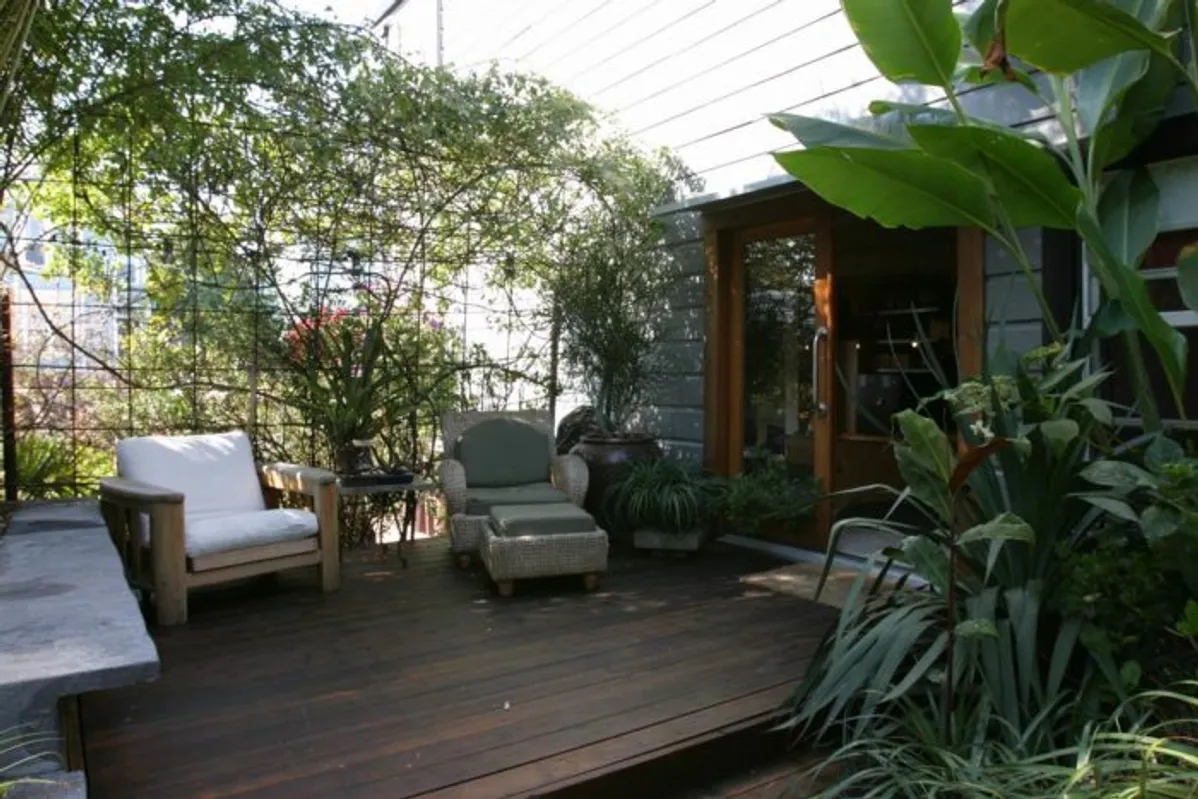
Designing for lifestyle is as important as designing for aesthetics. The private garden of Tom Nelson and Randy Bolin in Oakland, California, featured a hot tub structure designed to be a sanctuary. The genius of this design lay in its open roof-work, which allowed the owners to integrate their love for tropical foliage with the practical need for stargazing.
Color Theory and Practical Gardening
Entry 17: The "Hot" Palette of Toledo
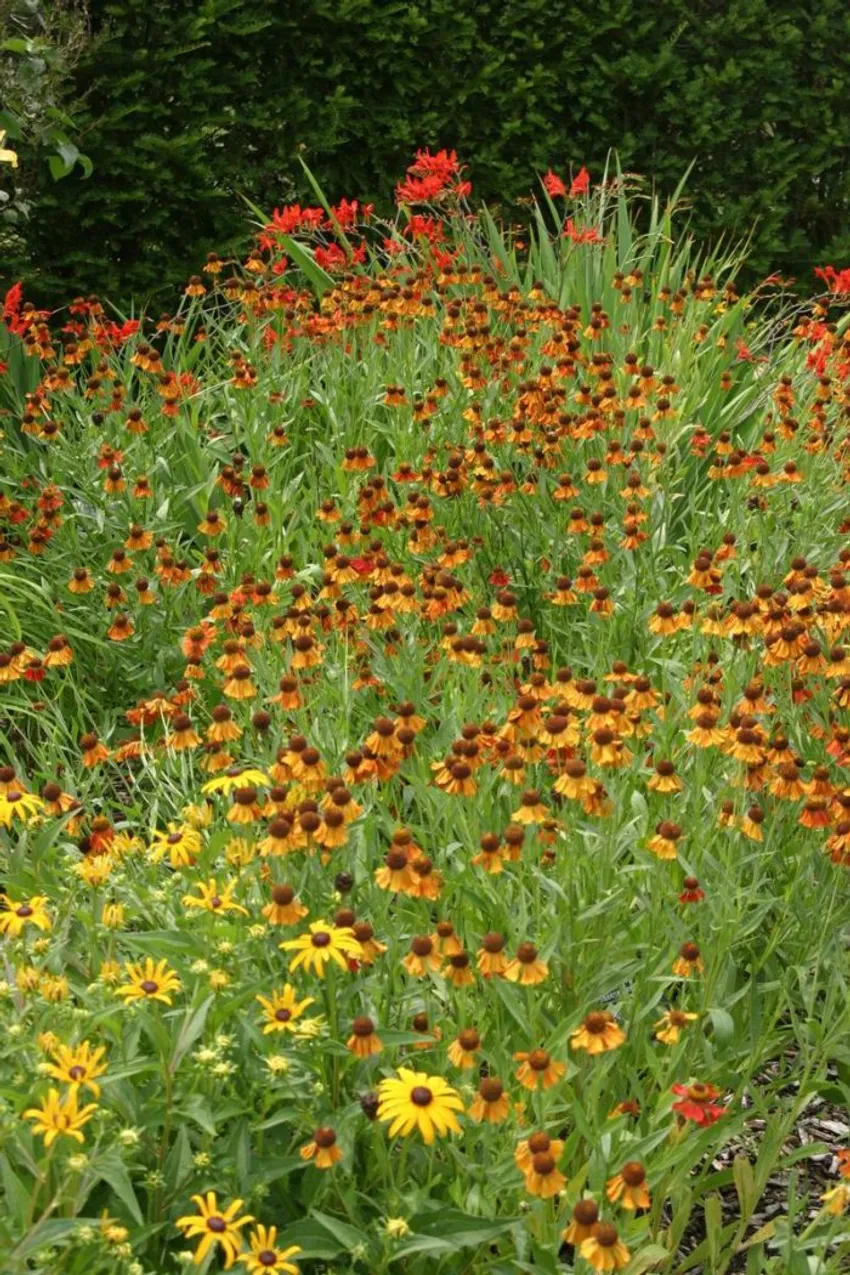
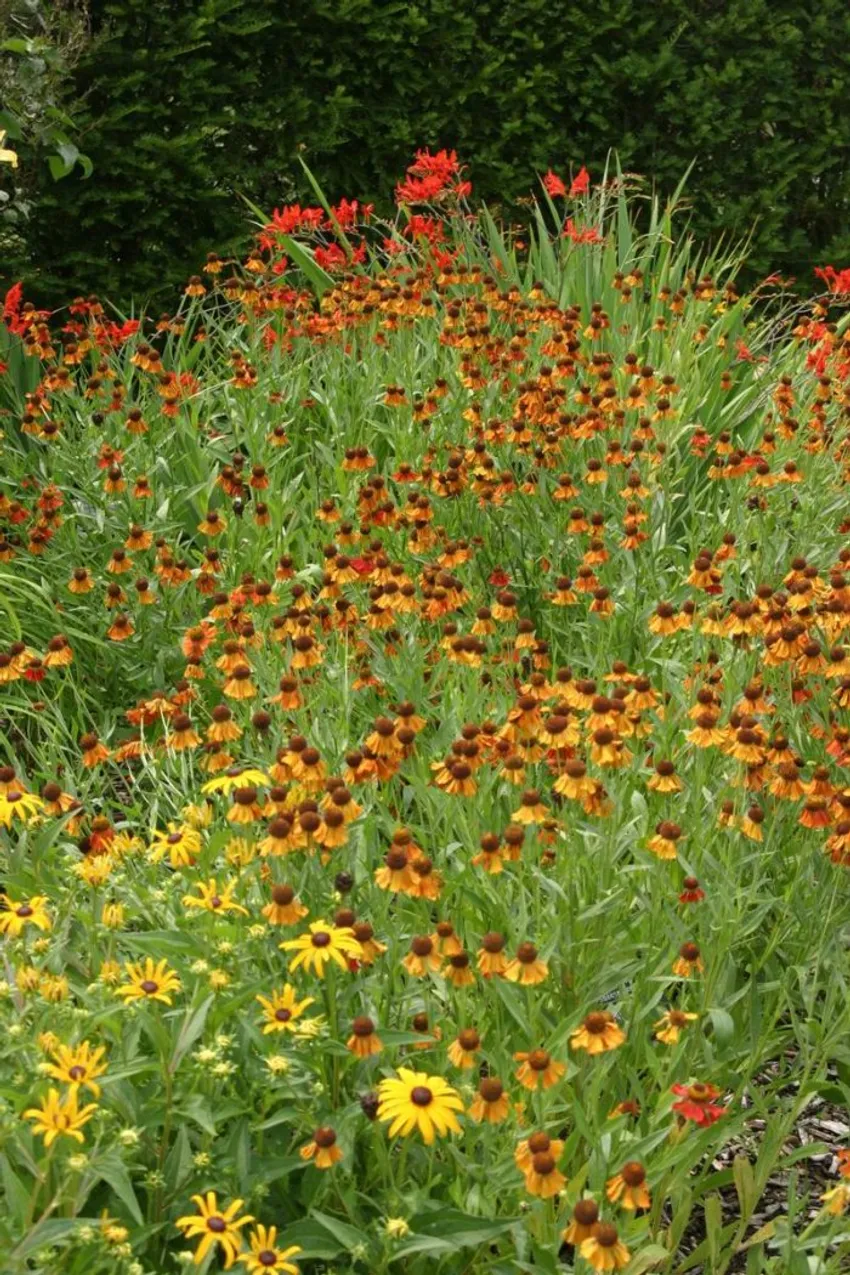
Color theory in the garden often follows the rule of warm versus cool tones. The Toledo Botanical Garden demonstrated this with a "hot" combination of yellow black-eyed Susan, orange sneezeweed, and red ‘Lucifer’ crocosmia. This fiery display serves as a reminder of how high-intensity color can draw the eye and create a focal point during the peak of summer.
Entry 18: Culinary Beauty with Common Sage
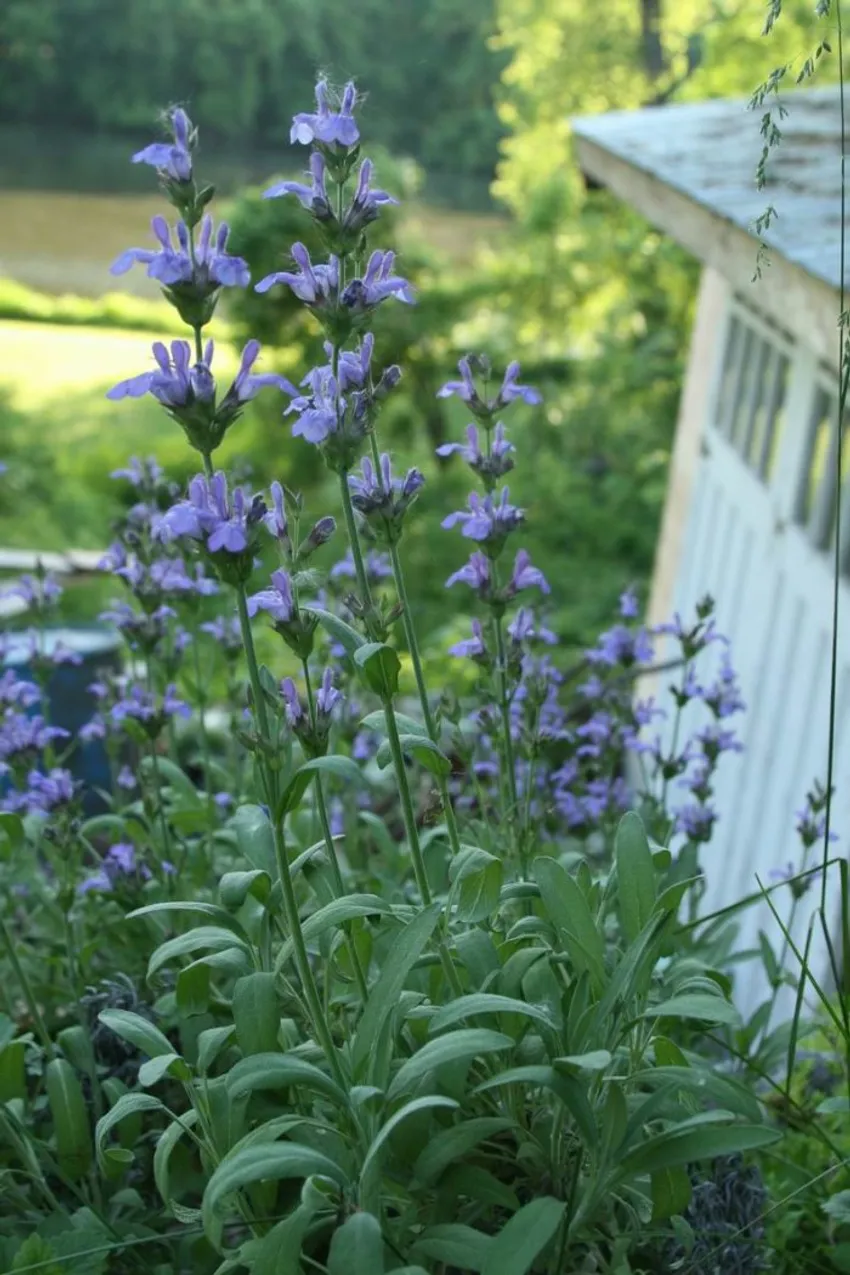
Common sage (Salvia officinalis) is frequently relegated to the vegetable patch, yet it holds significant ornamental value. Its gray-green foliage and soft purple flowers provide a sophisticated color palette that complements almost any perennial border. This entry, from the private garden of GPOD founder Michelle Gervais, highlighted the importance of viewing "functional" plants as aesthetic assets.
Entry 19: Visual Barriers in Small Spaces
How does one create a sense of privacy without blocking light? In another Oakland garden, the use of an open wire-and-vine net provided the solution. By creating a permeable screen, the gardener maintained the airy feel of the space while establishing a clear visual boundary.
Entry 20: The Fragrance of History
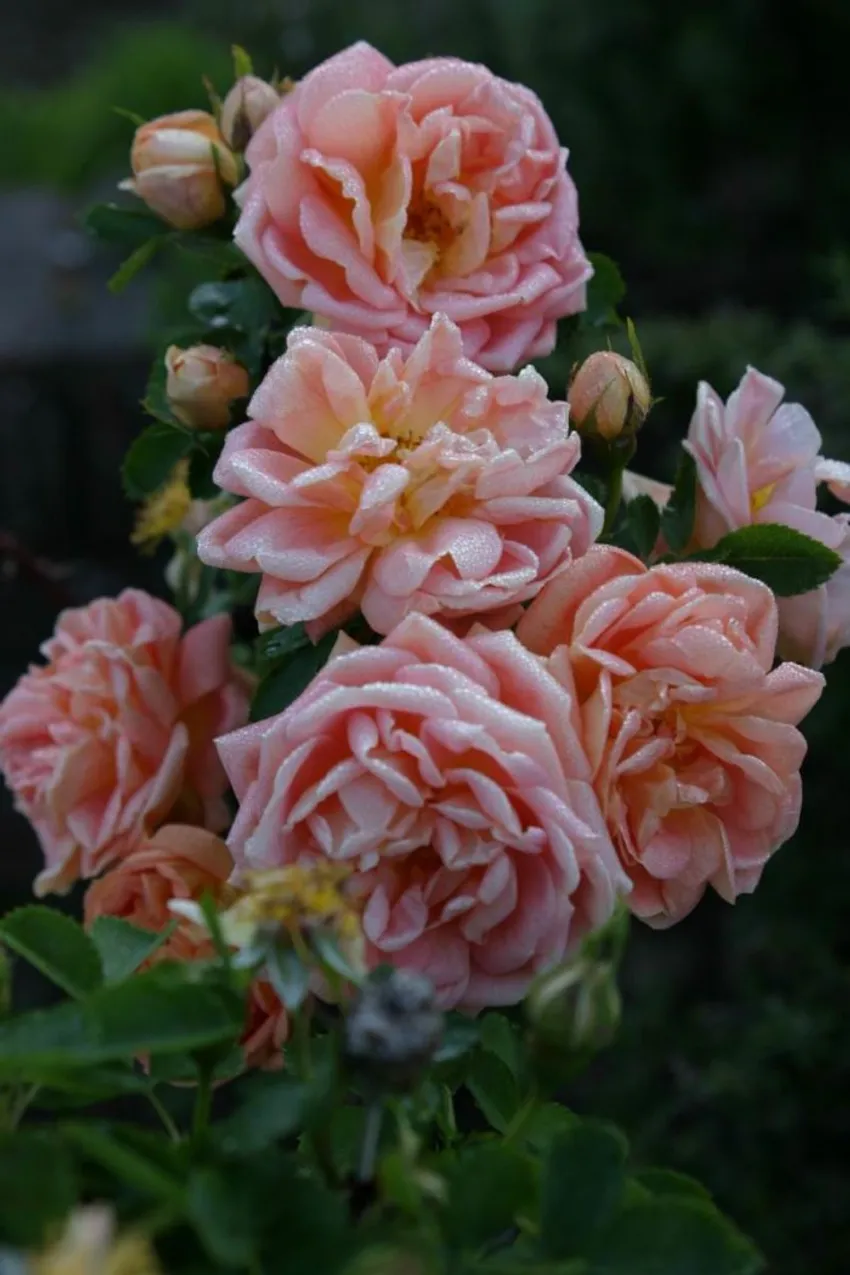
Finally, the ‘Soleil d’Or’ rose, an antique hybrid from the turn of the 19th century, represents the dedication required to maintain heirloom species. Despite its reputation for being susceptible to blackspot, its citrus-scented blooms remain a prized possession for rosarians.
Supporting Data: Understanding Plant Resilience
The early years of GPOD were not just about aesthetics; they provided critical data for gardeners navigating different climate zones. For example, the Echinacea and Allium used in Michigan are rated for Zones 3–9 and 4–11 respectively, demonstrating that even cold-climate gardens can achieve a meadow-like exuberance. Similarly, the Miscanthus ‘Gold Bar’ is a versatile option for Zones 5–8, making it a reliable choice for a vast swath of the United States.
The inclusion of specific zone information in these early posts helped educate a generation of gardeners on how to match plants to their specific microclimates, reducing the trial-and-error cycle that often leads to gardening fatigue.
Official Perspectives: The Founder’s Legacy
The longevity of the "Garden Photos of the Day" project is largely due to the vision of its founder, Michelle Gervais. Her approach was simple: celebrate the amateur and the professional equally. In her reflections on the archive, Gervais notes that the most valuable submissions were never the ones that looked like magazine spreads, but rather the ones that captured a moment of genuine discovery or a personal "win" against the elements.
Her suggestion to delve into the archives—specifically to find early submissions from as far away as Antarctica—underscores the global nature of this community. It reminds us that gardening is a universal language, spoken in every climate, from the temperate zones of Connecticut to the extreme latitudes of the southern hemisphere.
Implications: Why Archives Matter
Revisiting these entries provides more than just a trip down memory lane; it offers a roadmap for sustainable gardening. The trend toward "post-wild" landscapes, where gardeners embrace self-sown plants and integrate native species, is more relevant today than ever.
As we look at the transition from 2010 to the present, we see a movement away from heavy chemical use and toward ecological balance. The early GPOD entries were ahead of their time, championing the beauty of the "rambling" clematis and the resilience of native-leaning meadows. These images challenge modern gardeners to consider: What will my garden look like in a decade? Am I building a space that supports local pollinators and respects the natural environment?
Call to Action: Documenting the Future
As we continue to build this digital repository, we invite you to contribute your own stories. Whether you have a sprawling estate or a collection of window boxes, your perspective is part of the collective gardening narrative.
How to Submit:
- The Submission Form: Utilize our official submission portal for a streamlined process.
- Email Contributions: Send 5–10 high-resolution photos to our editorial team. Please include a brief description of your location, the plants featured, and any personal anecdotes—successes, failures, or funny mishaps—that make your garden unique.
By sharing your photos, you are not just submitting an image; you are contributing to a living history of horticultural practice.
Recommended Resources for the Modern Gardener
To support your ongoing journey, we have curated a selection of resources that align with the themes discussed in our archival review.
- Planting in a Post-Wild World: Authors Thomas Rainer and Claudia West provide an essential guide for those looking to blend the wild with the cultivated, creating resilient landscapes that thrive with minimal intervention.
- Summerweight Fabric Plant Covers: For the practical gardener, protecting crops from pests like Japanese beetles and cabbage worms is vital. These covers offer a light-transmissive solution that extends the growing season while ensuring your harvest remains organic and healthy.
- Food Dehydrators: Preserve the bounty of your garden. A high-quality dehydrator allows you to capture the peak flavors of summer and enjoy them throughout the winter months, reducing food waste and honoring the time spent in the garden.
As we turn the page toward the next decade of GPOD, we look forward to uncovering more hidden gems from our archives and, more importantly, seeing what you are growing today. The garden is never finished—it is a conversation between the gardener and the earth, and we are honored to continue that conversation with you.
