

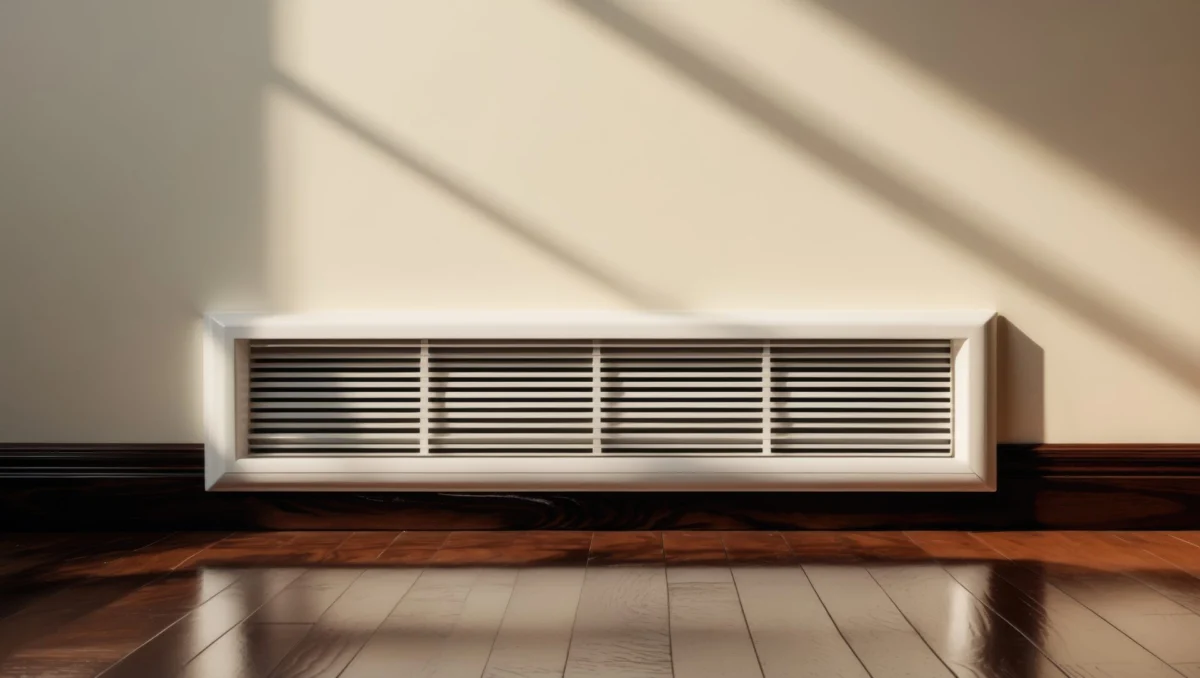
Baseboard heating systems have long been a staple in residential heating due to their efficiency and discreet profile. However, over time, the protective covers that house these heating elements often fall victim to the wear and tear of daily life. Yellowing from age, unsightly rust, stubborn dents, and accumulated dust can transform these functional components into significant eyesores.
Beyond aesthetics, a damaged or aging cover is more than just a visual nuisance; it is a potential liability. When a cover becomes dented or detached, it exposes sharp metal edges that pose risks to children and pets. Furthermore, degraded covers can impede proper airflow, forcing your heating system to work harder than necessary, which ultimately inflates your monthly utility bills. Replacing these covers is a high-impact, low-effort DIY project that can modernize your home’s interior while restoring optimal heating performance.
Main Facts: Understanding the Role of Your Baseboard Cover
At its core, a baseboard heating cover serves two primary purposes: safety and thermal distribution. The cover acts as a protective barrier, shielding occupants from the hot heating elements while directing airflow in a way that maximizes convection. By controlling the path of the air, the cover ensures that heat is distributed evenly throughout the room rather than being trapped against the wall.
The Material Matters
When selecting a replacement, homeowners are often presented with a variety of materials, including wood, plastic, and metal. Industry experts, including Phil Oliver, co-owner of Air Treatment Heating & Cooling, emphasize that the choice of material is not merely cosmetic.
"When choosing a baseboard heating cover, homeowners should balance aesthetics with functionality, ensuring the design allows for efficient airflow while complementing their home’s decor," says Oliver. "Materials like metal, wood, or even custom designs can vary widely in how they interact with your heating system."

Metal—specifically galvanized steel—is widely regarded as the gold standard. Its high thermal conductivity allows the heat generated by the element to transfer efficiently to the air in your room, ensuring your system operates at peak capacity. While wood and plastic offer unique stylistic benefits, they often lack the heat-conducting efficiency of metal.
Chronology: A Step-by-Step Installation Roadmap
Replacing a baseboard cover is a project that most homeowners can complete in a single afternoon. Because you are only replacing the decorative housing—not the actual heating element or electrical components—the process is relatively safe, provided you follow standard precautions.
Phase 1: Preparation and Safety
Before you begin, turn off your heating system. This is non-negotiable. Even if the unit is not electrical, the metal housing can become hot enough to cause burns during operation. Allow the unit to cool for at least an hour. Once cool, use heavy-duty gloves to protect your hands from sharp metal edges.
Phase 2: Accurate Measurement
Do not assume your current covers are standard. Remove the existing end caps and measure the total length of the heating element housing attached to the wall. Double-check these dimensions against the new product specifications. Accuracy here is vital to ensure a clean, seamless fit.
Phase 3: Removal and Cleaning
Carefully detach the old cover. If your previous installation utilized caulk to seal the gap between the wall and the backplate, you may need a utility knife to score the caulk before the cover will budge. Once the old components are removed, take this opportunity to vacuum the area thoroughly. Dust and pet hair trapped under the heater are not only fire hazards but can also degrade indoor air quality when heated.

Phase 4: Customization
If your new cover is a universal kit, you may need to trim it to length. Use a fine-tooth hacksaw or heavy-duty sheet metal snips for a clean edge. File any burrs left by the cutting process to ensure a professional, smooth finish.
Phase 5: The Snap-In Installation
Most modern replacement kits are designed for "slip-on" installation. Start by hooking the bottom of the new front panel into the existing bracket. Apply firm, even pressure to the top of the panel until you hear it "click" into the backplate. Finish by attaching the end caps, which usually slide or snap into place to lock the assembly.
Supporting Data: Investment vs. Efficiency
The cost of replacing baseboard covers is relatively modest compared to the potential savings in energy efficiency and the increase in home value. On average, homeowners can expect to pay between $20 and $50 per linear foot for high-quality replacement covers.
For a typical room, this investment is often under $200. When weighed against the cost of a full HVAC overhaul, this is a budget-friendly way to maintain your home’s climate control. For perspective, a full HVAC system installation costs between $5,540 and $10,980, while a furnace replacement generally ranges from $4,000 to $7,000. By keeping your current baseboard system in good working order with fresh, clean covers, you extend the lifespan of your existing heating infrastructure.
Cost Breakdown Table
| Material/Service | Estimated Cost |
|---|---|
| Standard Metal Cover | $20 – $50 per linear foot |
| Custom/Designer Covers | $50 – $100+ per linear foot |
| DIY Installation | $0 (Labor cost) |
| Professional Installation | Varies by contractor |
Official Responses and Expert Perspectives
Industry professionals consistently highlight that the "eye-test" is the most accurate diagnostic tool for homeowners. If a cover is yellowed, it is often a sign that the finish has been compromised by years of heat exposure and smoke, which can lead to off-gassing or the release of unpleasant odors when the heat is turned on.

"Replacement costs can range from roughly $30 to $100 or more per linear foot, depending on the material, style, and whether it’s a standard or custom-fit cover," notes Oliver. He suggests that homeowners should not just look at the price tag, but at the longevity of the finish. Powder-coated metal, for instance, resists yellowing far better than painted plastic.
Furthermore, experts warn against using non-rated materials. If you choose to use wood, ensure it is heat-rated or designed specifically for baseboard applications. Standard timber can dry out, warp, or even become a combustion hazard if placed too close to high-heat electric elements.
Implications: The Long-Term Benefits
The implications of upgrading your baseboard heating covers extend beyond the aesthetic refresh of a living room.
- Enhanced Air Quality: By replacing old, rusted, or dirty covers, you eliminate a significant source of household dust and allergens that get "cooked" by the heating element every time the thermostat kicks on.
- Improved Energy Efficiency: A properly fitted cover directs airflow toward the center of the room. When air is trapped or redirected by bent or broken covers, it heats the wall cavity instead of the living space, leading to significant energy waste.
- Safety and Liability: Eliminating sharp, protruding metal edges is essential for households with children or pets. Modern covers are designed with rounded profiles that are safer to the touch.
- Increased Property Value: While it may seem like a minor detail, modern, clean-looking HVAC components contribute to the overall perceived maintenance level of a home. During a real estate appraisal or a home inspection, small details like updated, clean heating covers signal to buyers that the home has been well-cared for.
Final Considerations
When you decide to move forward, remember that you don’t have to tackle the entire house at once. Many homeowners choose to start with the main living areas and bedrooms, working their way through the house as time and budget allow. By focusing on the structural integrity of the metal, the aesthetic appeal of the finish, and the safety of the installation, you ensure that your baseboard heating remains a quiet, efficient, and attractive part of your home for years to come.
Whether you opt for a sleek, modern, snap-in metal design or a more decorative custom option, the act of replacing your baseboard covers is a testament to the idea that home improvement doesn’t always require a contractor or a massive budget—sometimes, it just requires a measuring tape, a little patience, and a fresh perspective on the details that make a house a home.
