

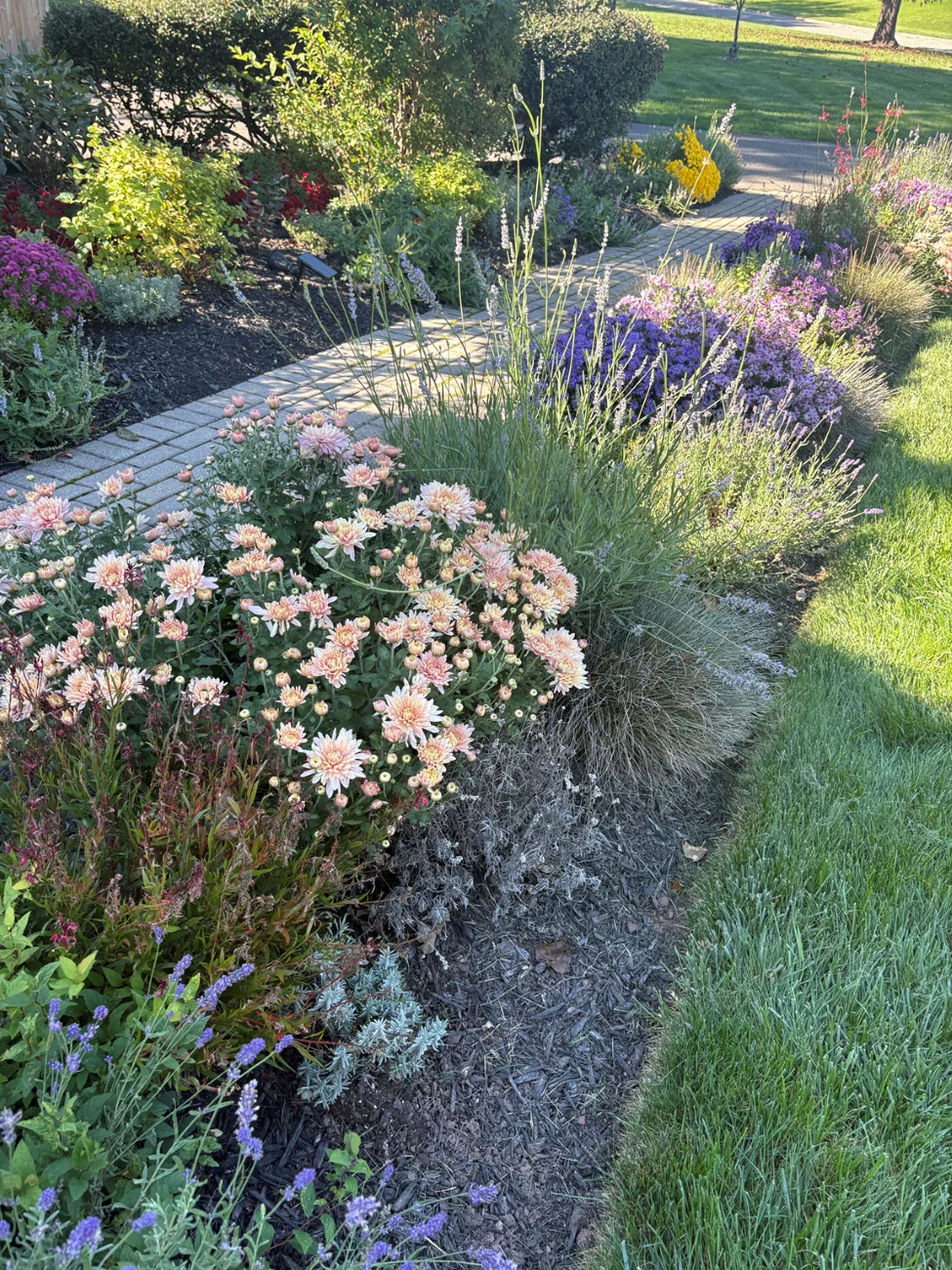
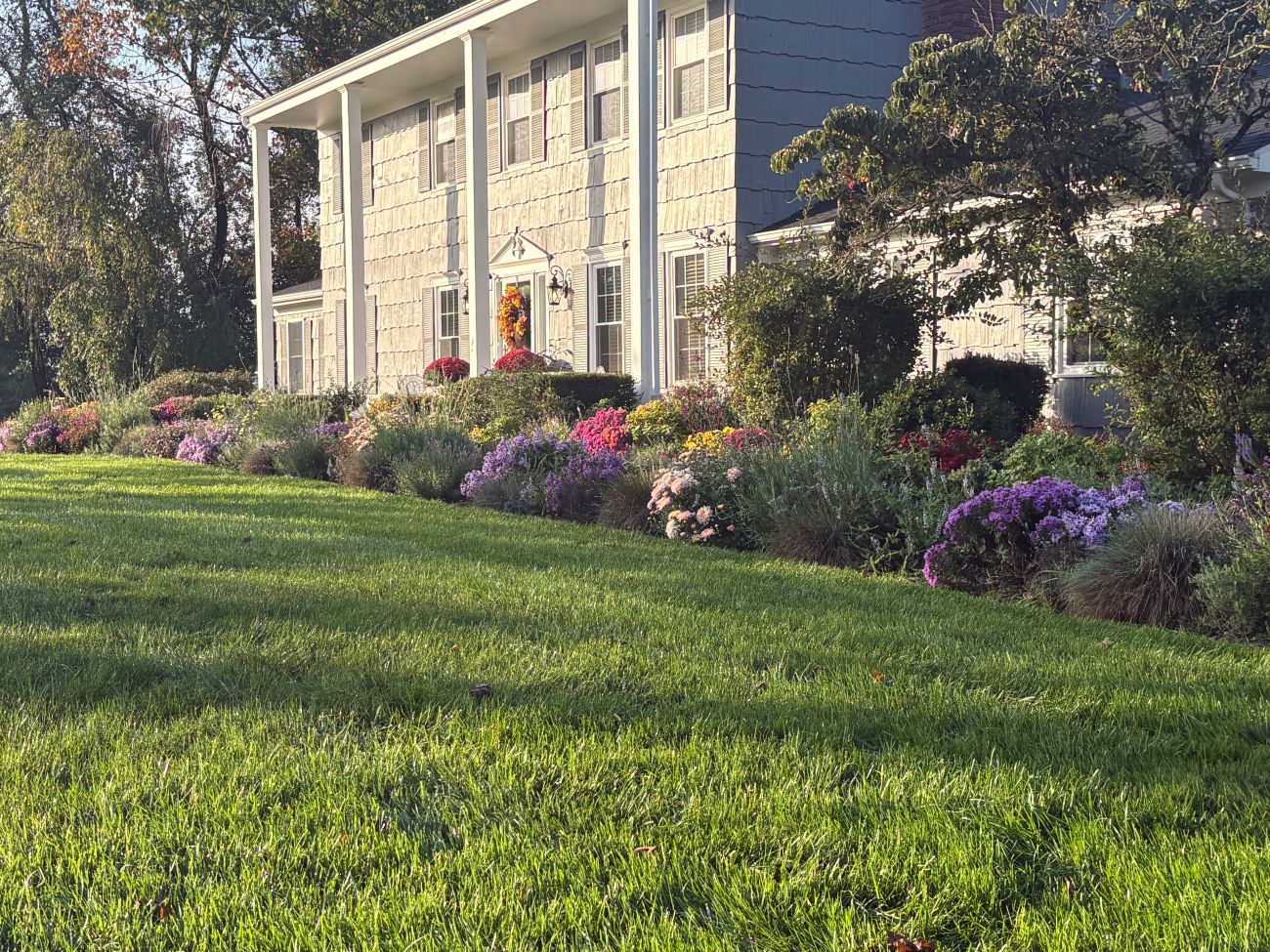
In the quiet, rolling landscape of Readington, New Jersey, one homeowner has transformed the traditional front-yard aesthetic into a living, breathing testament to the power of late-season gardening. John, a devoted gardener operating within the constraints of USDA Hardiness Zone 7a, has cultivated a space that defies the typical "end of season" fatigue. Instead of the brown, withered beds that often signal the onset of winter in the Mid-Atlantic, his property serves as a vibrant, multi-layered sanctuary of color that commands the attention of every passerby.
As the sun dips lower in the autumn sky, John’s garden hits its stride. By intentionally selecting a palette of late-season perennials and ornamental grasses, he has created a landscape that grounds the observer in the present moment, offering a sophisticated study in textures, heights, and repeating color schemes.
The Chronology of a Season-Defying Landscape
The garden’s success is not an accident of nature but a carefully orchestrated timeline of horticultural planning. While the garden beds in Readington see a standard rotation of spring and summer perennials, the real magic begins in late September and extends through early October.
Spring and Summer Foundations
The foundation of the display rests on a robust framework of perennials that thrive during the warmer months. By integrating varieties such as bee balm (Monarda spp.), salvia (Salvia spp.), and speedwell (Veronica spp.), the garden maintains structural integrity throughout the growing season. These plants provide the necessary backbone that allows the more explosive, color-focused late-season additions to shine without the beds looking sparse.
The Autumnal Climax
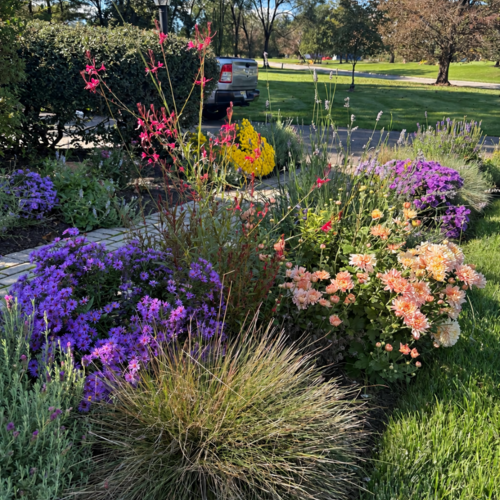
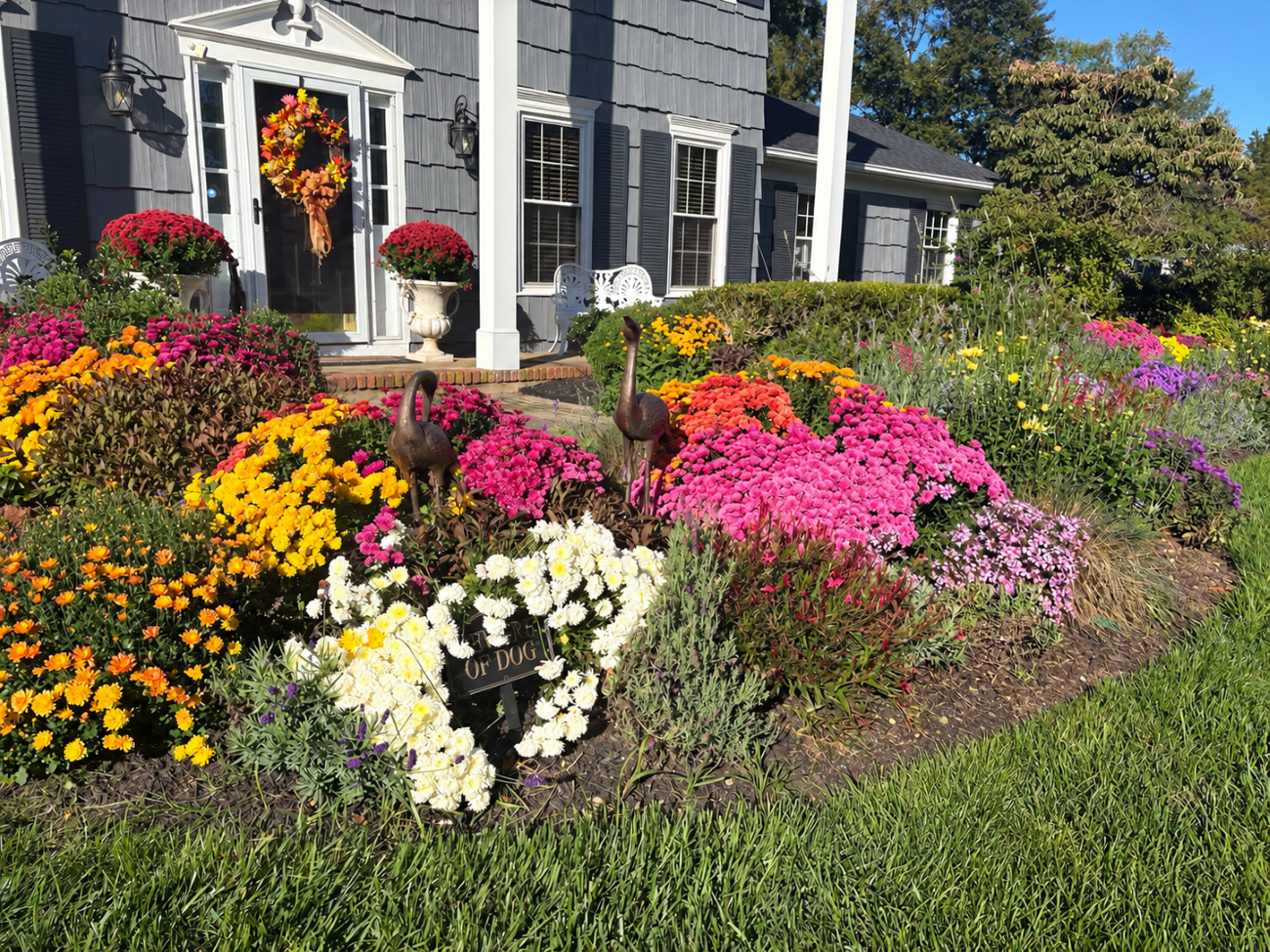
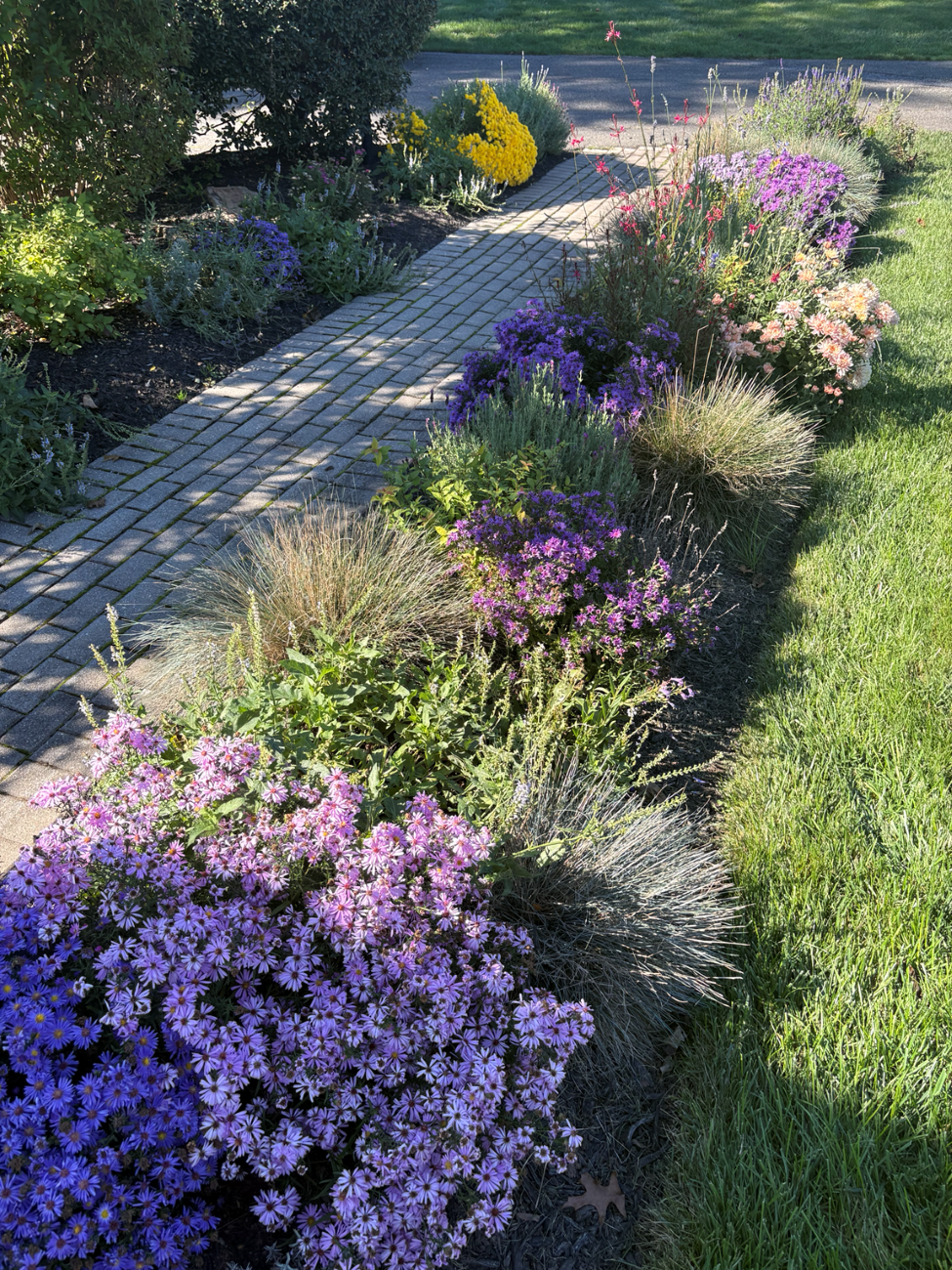
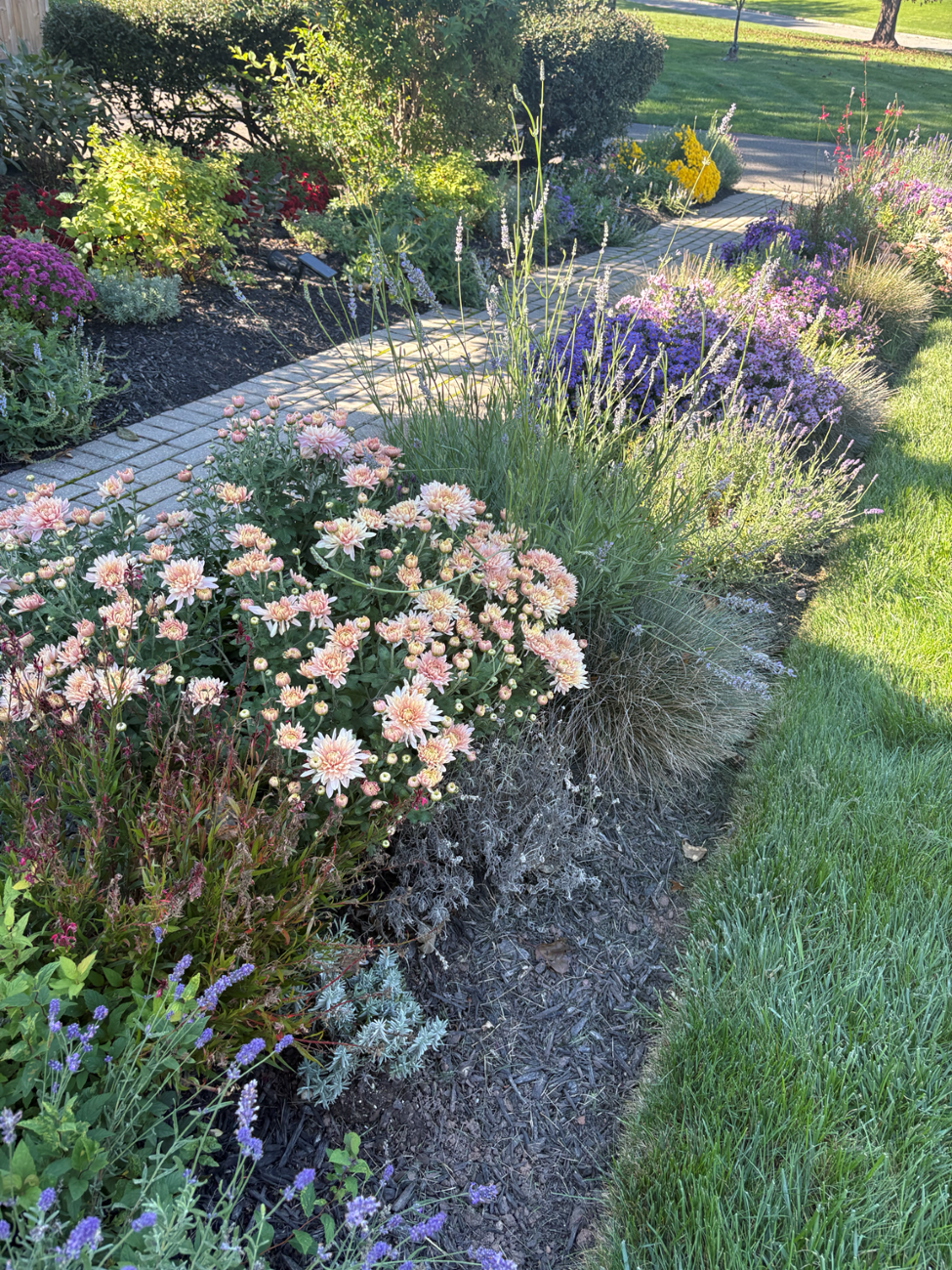
As the calendar turns toward October, the garden undergoes a dramatic metamorphosis. The current display features a carefully curated collection of garden mums (Chrysanthemum × morifolium), which provide the primary "peach" and sunset-toned anchor points. These are punctuated by the deep, regal purples of various aster cultivars (Symphyotrichum), which introduce a necessary cool-toned contrast to the warmer hues. English lavender (Lavandula angustifolia) acts as a fragrant bridge between these groups, adding a fine, silvery texture that breaks up the broader foliage of the mums and asters.
Supporting Data: The Architecture of Layers
John attributes the aesthetic success of his property to the principles of "layered design." In professional landscape architecture, layering is the practice of positioning plants of varying heights, leaf shapes, and bloom times in a way that creates depth and visual rhythm.
Texture and Height Integration
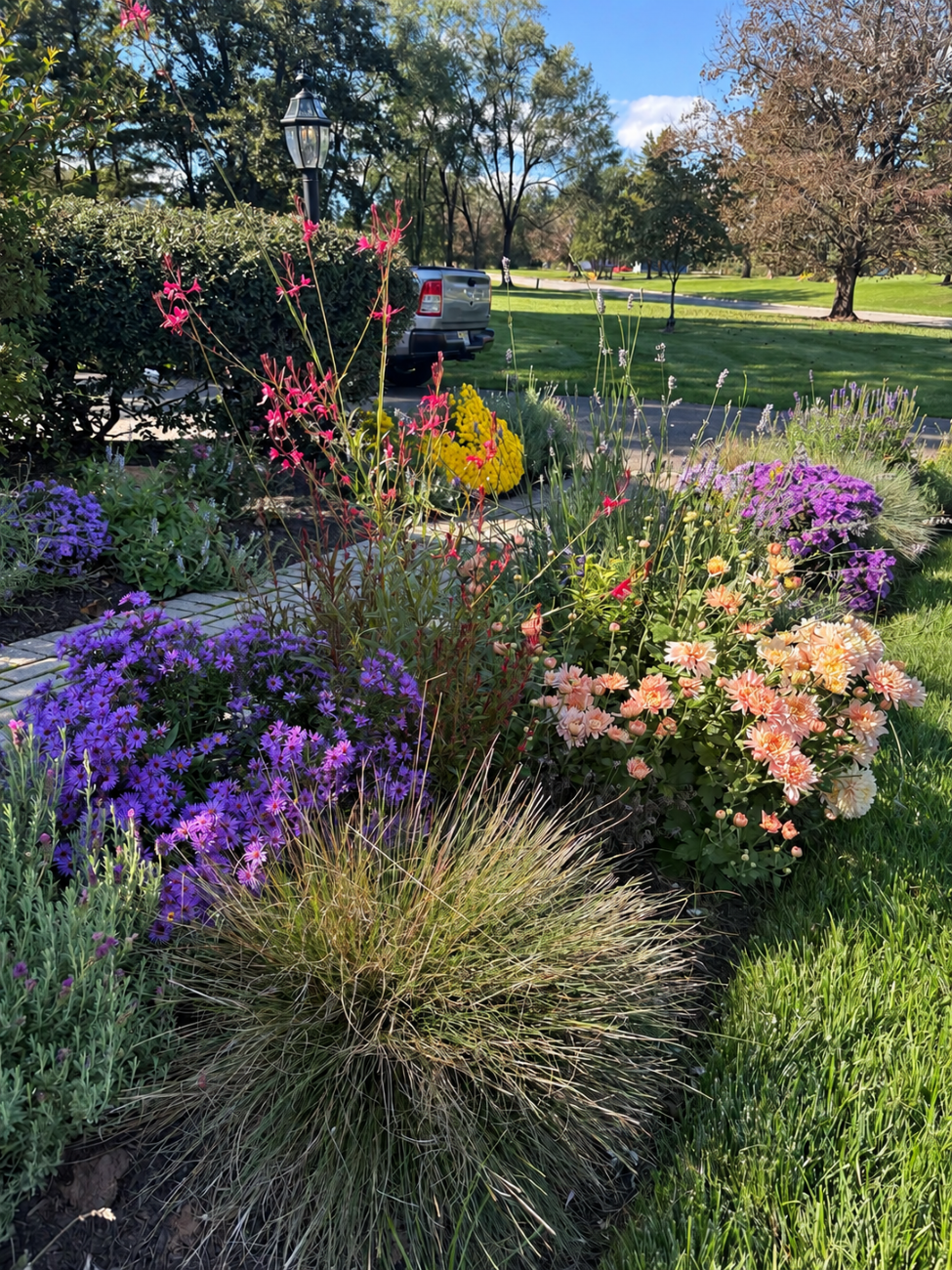
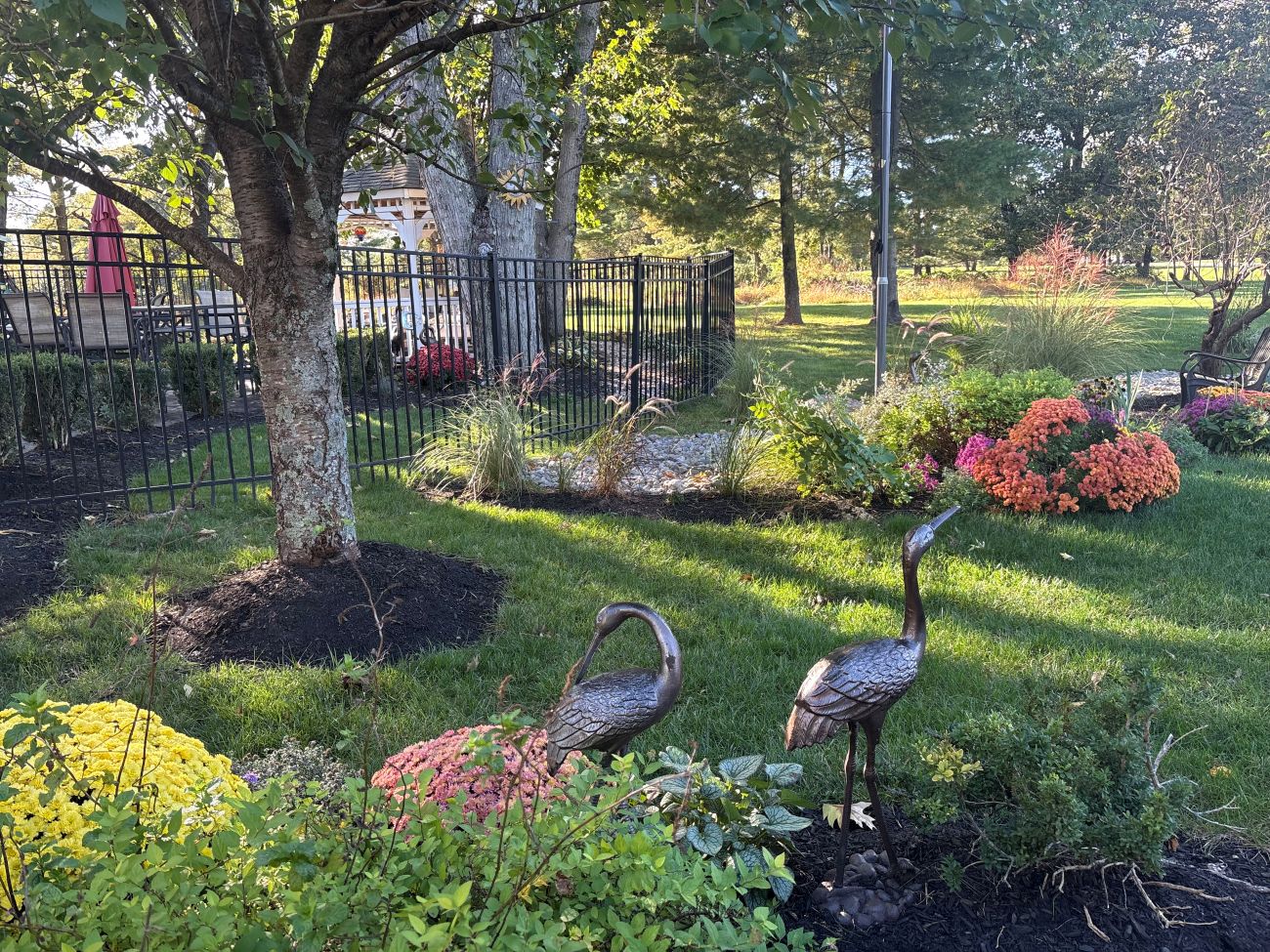
The garden utilizes ornamental grasses as a critical design element. These grasses serve two purposes: they provide a vertical, movement-based contrast to the static, rounded forms of the garden mums, and they provide year-round interest that persists even after the first frost.
Key design elements noted in the garden’s layout include:
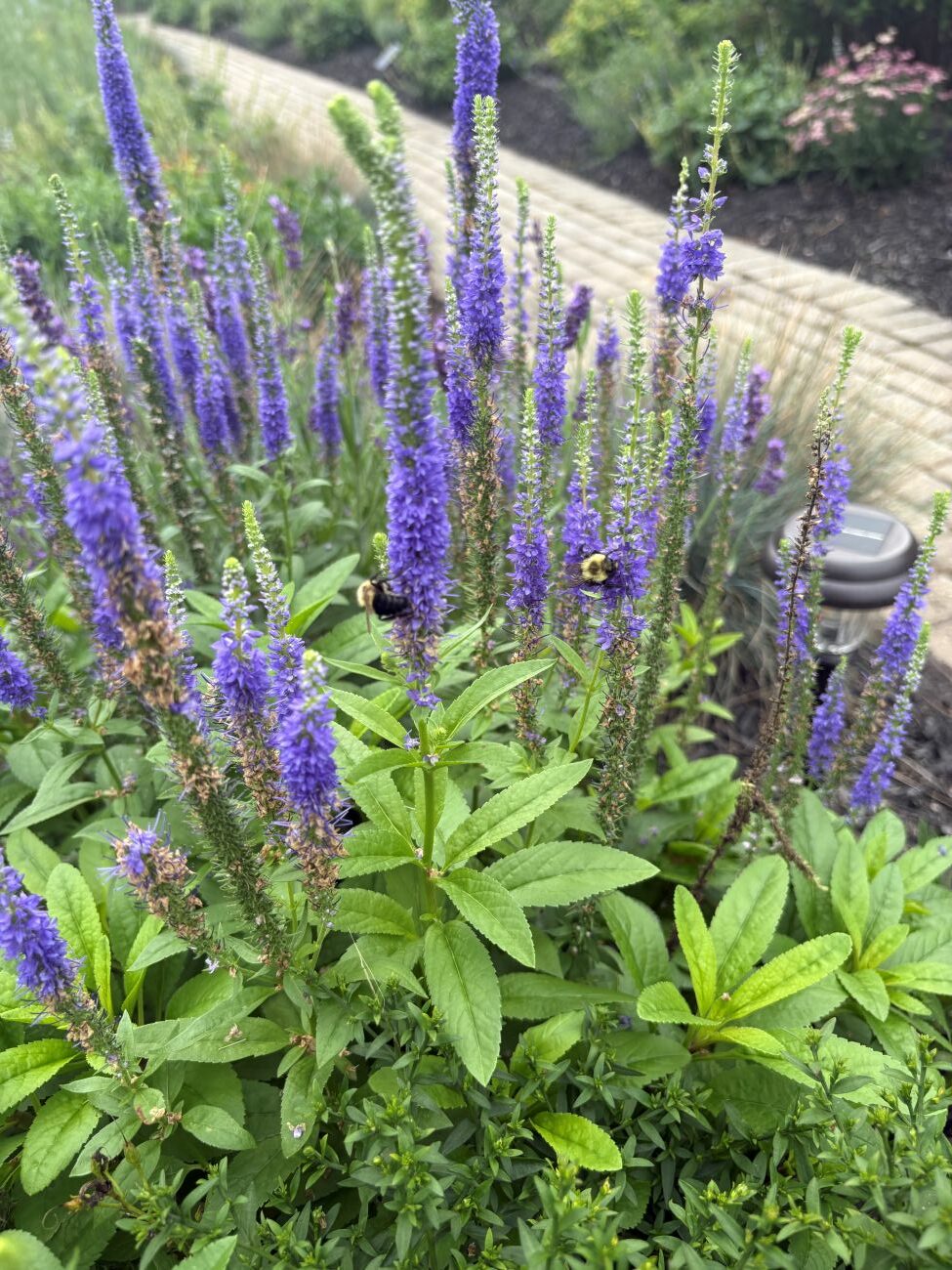
- Verticality: The use of tall, spiked flowers like Veronica creates focal points that draw the eye upward.
- Repetition: By repeating specific colors—specifically the deep purples and soft peaches—across the entire length of the border, John has created a sense of visual cohesion that makes the garden feel larger and more intentional.
- Scale: The layout balances wide, panoramic views of the property’s edge with intimate, close-up "vignettes" that allow visitors to appreciate the individual anatomy of a flower or the presence of pollinators.
Pollinator Utility
Beyond the purely aesthetic, the garden functions as an essential late-season fueling station for local pollinators. Observations in late September revealed a high level of activity, particularly among bumblebees and late-season butterflies, who rely on the nectar-rich blooms of the asters and speedwell as they prepare for the winter months. This ecological function adds a layer of depth to the garden, moving it from a mere ornamental display to a functioning habitat.
Official Perspectives: The Philosophy of the "Welcoming Entry"
In discussing his approach, John emphasizes the importance of the front-entry experience. "A home wrapped in color," as he describes his property, is more than just a hobbyist’s project; it is an exercise in residential curb appeal.
Experts in the field of garden design often point to the "front-entry effect" as a primary driver of property value and community well-being. By investing in a high-impact, late-season display, a homeowner communicates a sense of stewardship and care that elevates the aesthetic profile of the entire neighborhood. John’s garden is frequently cited as a model for this, as it manages to be both complex enough to satisfy a seasoned botanist and accessible enough to delight a casual walker on the street.
Implications for the Modern Gardener
The implications of John’s success are significant for both novice and master gardeners. His approach challenges the common misconception that a garden "dies" in the fall. Instead, it suggests that with the right planning, the final act of the gardening year can be the most spectacular.
Lessons in Sustainability and Maintenance
The transition to a fall-focused garden also has practical implications for maintenance. By utilizing hardy perennials that do not require constant deadheading or heavy irrigation in the late season, John has minimized the labor intensity required to keep the garden looking pristine.
However, success in this style of gardening requires a commitment to long-term observation. The use of a gardener’s log—a practice supported by institutions like the New York Botanical Garden—is essential for tracking what blooms when, ensuring that there are no "gaps" in the color sequence.
Future Hopes and Community Engagement
John’s garden serves as an invitation for community dialogue. By sharing his journey, he encourages other gardeners to document their successes and failures. The digital community—often centered around platforms like the Garden Photo of the Day (GPOD)—acts as a repository for this knowledge. By crowdsourcing these experiences, the gardening community at large can learn how to adapt their own micro-climates to produce similar, high-impact results.
Conclusion: A Living Legacy
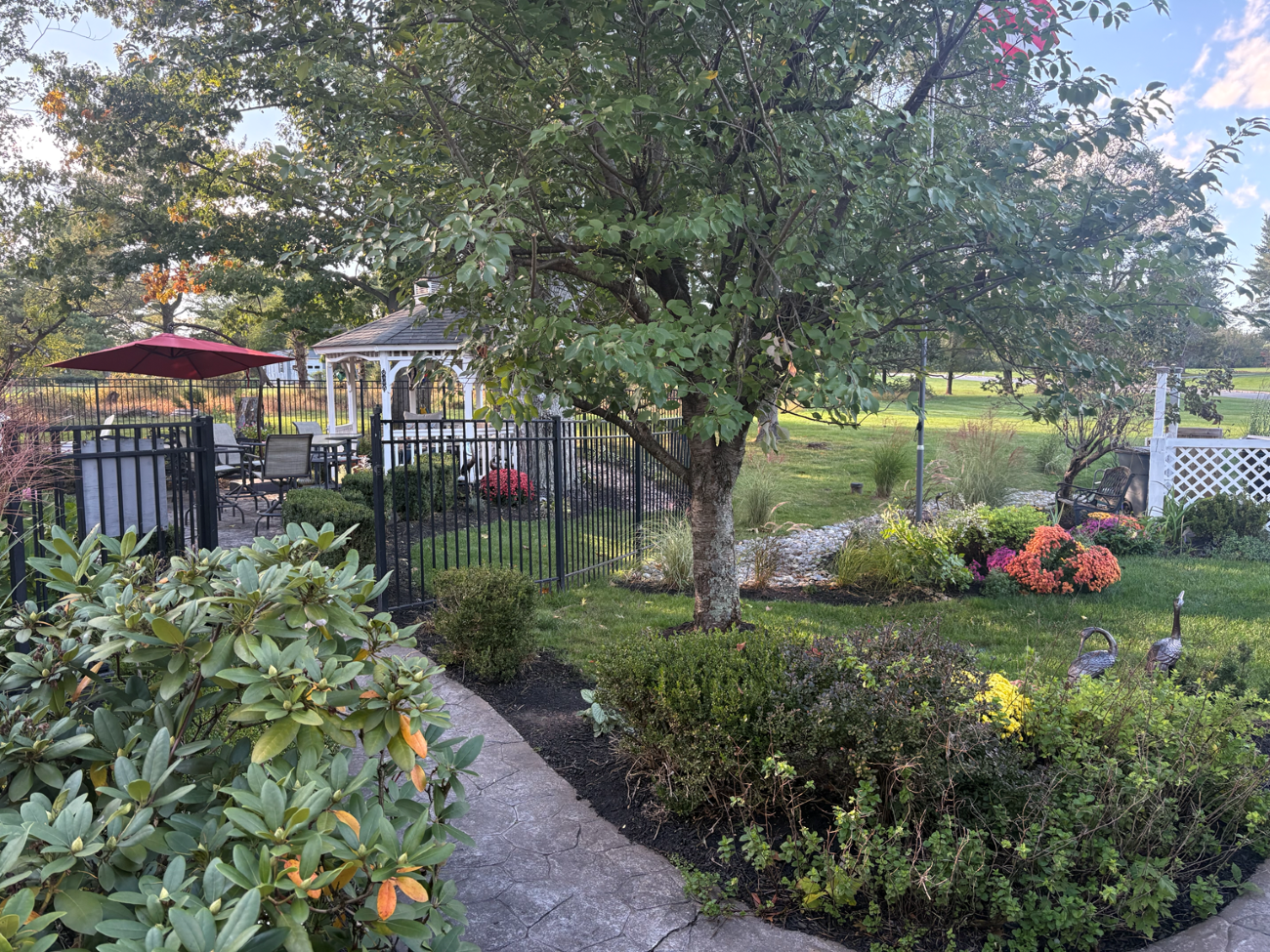
As we look at the photos of the crane sculptures nestled among the ornamental grasses in the backyard, or the soft light hitting the brick walkway leading to the front door, it becomes clear that John’s garden is a labor of love. It is a reminder that the best gardens are not merely collections of plants, but stories told through the medium of the landscape.
For those looking to emulate this success in their own Zones 3 through 9, the path is clear: focus on structure first, prioritize the layering of textures, and never underestimate the impact of repeating a favorite color palette throughout the border. As the seasons change, the garden remains a constant, providing a sanctuary for both the human spirit and the natural world.
Whether you are a seasoned horticulturalist or a weekend warrior with a trowel, the lesson from Readington is simple: take the time to plant for the autumn. When the rest of the landscape begins to fade, you will have a front-row seat to one of nature’s most vibrant final performances.
For those interested in refining their own horticultural skills, remember that proper maintenance is key to the longevity of these perennials. Investing in high-quality tools—such as long-reach pruners for managing tall grasses or weather-resistant logbooks for tracking bloom times—can significantly increase the success of your seasonal displays. Always remember that a garden is a living, evolving entity, and the most important tool you have is your own observation.
