

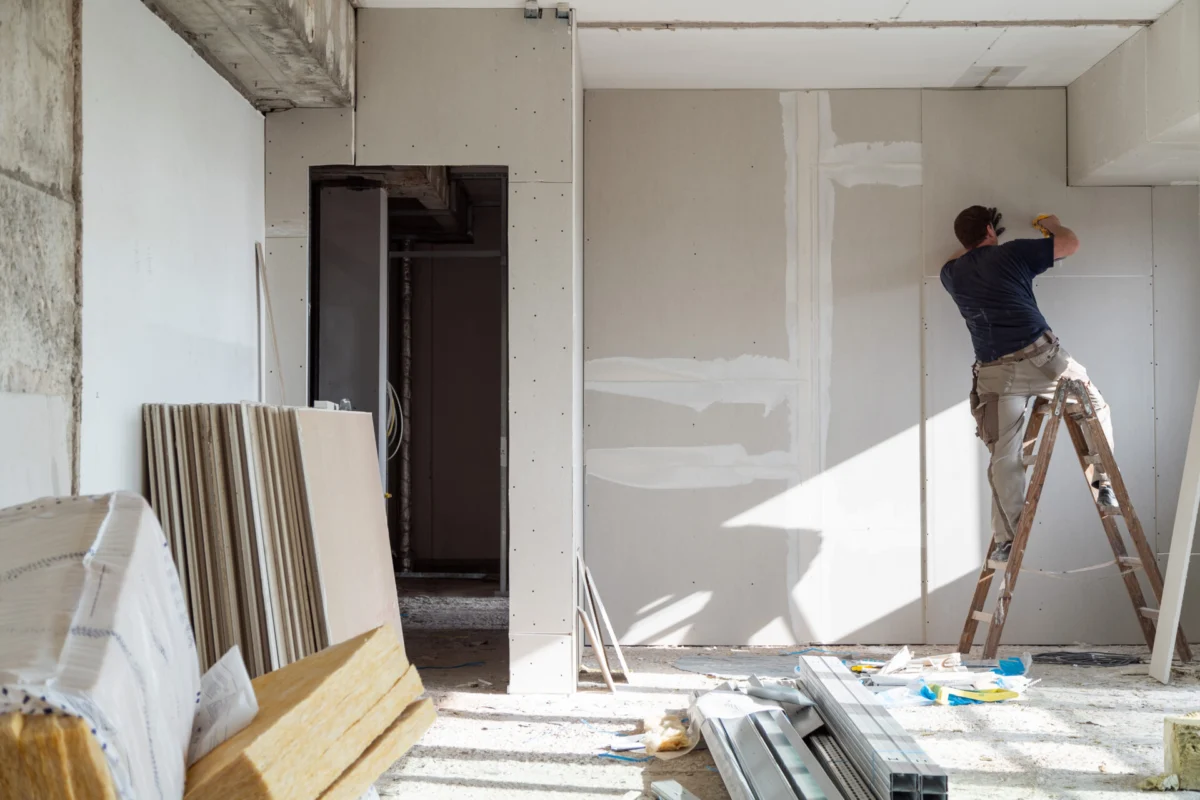
For millions of American homeowners, the dream of a kitchen remodel, a new roof, or a bathroom overhaul is currently colliding with the harsh reality of an evolving economic landscape. As we move through 2025, the cost of home improvement is no longer just a matter of labor availability; it is increasingly defined by the volatile price of raw materials. With the Producer Price Index (PPI) indicating persistent upward pressure, experts are warning that the "wait and see" approach could be a costly mistake for those planning significant residential upgrades.
Main Facts: The Escalating Cost of Home Improvement
The fundamental challenge facing homeowners this year is the sustained increase in wholesale material costs. Data analyzed by the Today’s Homeowner research team, utilizing figures from the Bureau of Labor Statistics (BLS), confirms that the era of "cheap" renovation materials has effectively ended. While the catastrophic inflation spikes of 2021 and 2022—which saw average increases of 17.0% and 16.2% respectively—have moderated, the market has entered a period of "sticky" inflation.
In early 2025 alone, material costs have climbed by an additional 1.7%. For a homeowner budgeting $50,000 for a renovation, this incremental rise represents thousands of dollars in unexpected overhead. When combined with the potential for new trade tariffs and supply chain instability, the window for cost-effective renovation is narrowing.
A Chronology of Rising Costs: From 2020 to 2025
To understand the current crisis, one must look at the trajectory of the last five years. The onset of the pandemic in 2020 triggered a global supply chain disruption that sent the price of lumber, steel, and copper to historic highs.
- 2020–2021: The initial shock. As demand for home improvement soared during lockdowns, supply struggled to keep pace, leading to the first significant PPI spikes.
- 2021–2022: The peak of inflationary pressure. Producers struggled with labor shortages and shipping bottlenecks, resulting in double-digit percentage hikes across nearly every sector of the construction industry.
- 2023–2024: A period of stabilization followed by a "new normal." While some materials saw temporary price corrections, others—specifically metal-based products—remained at elevated plateaus.
- Early 2025: The current phase. Wholesale prices are showing a consistent, albeit slower, upward trend. The market is currently bracing for the impact of geopolitical trade policies and potential new tariffs, which could force another upward revision in retail prices.
Supporting Data: Where the Money is Going
The Today’s Homeowner analysis reveals that core materials are leading the charge in price hikes. A breakdown of the data highlights the specific sectors where homeowners are feeling the most pain:
Core Structural Materials
Lumber, the backbone of residential construction, has seen a resurgence in cost. After a period of decline between 2020 and 2024, softwood lumber prices have climbed 8.6% since April 2024. Hardwood lumber has followed a similar, albeit less aggressive, trend with a 4.8% increase.
The Metal Conundrum
Metal-based products are currently the most volatile component of the renovation market. With an overall category increase of 5.5%, contractors are reporting significant friction in project planning. Aluminum mill shapes—essential for modern, energy-efficient windows and garage doors—have surged by 17.9%. Meanwhile, copper and brass, the lifeblood of plumbing and electrical wiring, have risen by 7.0%.
Specialized and Finishing Materials
Beyond the structural bones of a house, finishing materials are also contributing to the budget crunch:
- Steel and Aluminum Fencing: Up 16.7% year-over-year, and a staggering 55.0% since 2020.
- Power Wires and Cables: A massive 127.5% increase since 2020, with a 7.0% hike in the last year alone.
- Drywall and Insulation: Both have seen increases of approximately 4%.
- Residential Lighting: Up 3.1%, proving that even cosmetic upgrades are not immune to the inflationary wave.
Official Responses and Industry Perspectives
The numbers are not just cold statistics to those on the front lines of the construction industry. They represent daily negotiations and difficult conversations with clients.
Jordan Fleming, owner of That HVAC Guy & Plumbing in Wyndmoor, Pennsylvania, describes the current environment as particularly challenging for mechanical upgrades. "Right now, anything with metal in it is a pain," Fleming notes. "Aluminum and steel prices are up, and those are the bones of almost every HVAC system. You cannot pivot away from these materials when a furnace or air conditioning unit fails."
The impact is equally felt in the roofing sector. Nathan Mathews, CEO of Roofer.com, has observed a shift in consumer behavior driven by these price spikes. "We had three Austin-area clients this quarter downgrade from architectural shingles to three-tab asphalt just to stay under a $10,000 limit," Mathews says. "When a 30-square roof jumps from $14,500 to $17,200 in four months, people have to adjust their expectations."
Danny Niemela, vice president of ArDan Construction in Scottsdale, Arizona, emphasizes that speed is the only defense against this volatility. "Even a two-week delay can cost 5% to 8% more," Niemela says. "We tell clients to lock pricing fast. Once a materials list is final, we get everything ordered immediately."
Implications: Strategic Planning in an Uncertain Market
For the average homeowner, these findings suggest that the traditional approach to renovations—saving up and waiting for the "perfect time"—may be counterproductive. The data suggests that inflation in the construction sector is persistent, and the threat of trade-related tariffs only adds another layer of unpredictability.
The Case for Material Flexibility
As noted by experts like Nathan Mathews, material substitution is no longer just an aesthetic choice; it is a financial necessity. Homeowners who are willing to pivot from high-cost materials (like steel fencing) to more stable alternatives (like wood) can often keep their projects within the original budget. Consulting with a contractor early in the design phase about "value engineering"—the process of finding comparable, lower-cost materials that offer the same structural integrity—is highly recommended.
The Risk of Tariff-Driven Inflation
Perhaps the most significant looming threat is the potential for new, broad-based tariffs. Todd Stephenson, co-founder of Roof Quotes, notes that policy shifts are increasingly dictating home improvement feasibility. "Tariffs might seem like a policy issue, but they’re hitting budgets hard and changing how people plan home improvements," Stephenson explains. If imports of steel, aluminum, or lumber are hit with significant duties, the current year-over-year price increases could pale in comparison to what may follow in the latter half of 2025.
Proactive Budgeting Strategies
To survive the current market, homeowners should consider the following steps:
- Lock in Pricing: Once a project scope is defined, prioritize the purchase of materials. Many contractors are now recommending pre-purchasing items to hedge against short-term price spikes.
- Account for "Float": Traditional budgets usually include a 10% contingency. In 2025, that buffer should likely be increased to 15% or 20% to account for material volatility.
- Prioritize Structural Integrity: If the budget is tight, prioritize items that are essential to the home’s function (roofing, plumbing, HVAC) over cosmetic finishes (high-end fixtures, decorative stone) that can be upgraded in the future.
- Monitor the PPI: While the PPI is a wholesale indicator, it provides a "leading edge" look at what retail prices will do in the coming months. Staying informed can help you decide whether to pull the trigger on a project now or wait for a potential, though unlikely, price cooling.
Conclusion: A New Era of Informed Renovation
The home improvement market of 2025 is not for the faint of heart. The era of predictable material costs has given way to a landscape defined by supply chain sensitivity and macroeconomic policy impacts. However, armed with the right data and a proactive strategy, homeowners can still achieve their renovation goals. By working closely with contractors, maintaining flexibility in material choices, and acting with urgency once plans are finalized, you can protect your investment and ensure that your home remains a source of value and comfort, regardless of the broader economic winds.
As the data makes clear: in the current renovation market, time is not just money—it is the most important component of your project’s success.
