

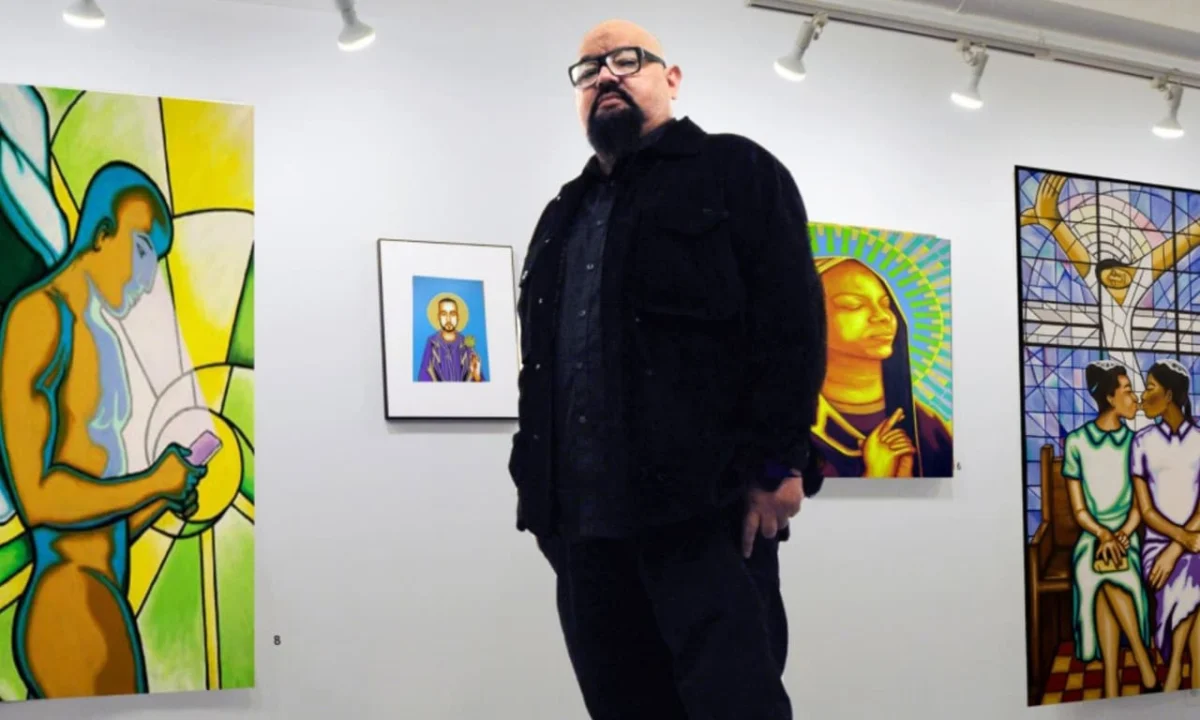
In an era where the contemporary art world often leans toward the abstract and the digital, Newark-based artist Jo-El Lopez remains a steadfast practitioner of traditional realism. His work, which serves as a profound meditation on the urban experience, has recently taken center stage at the Newark Museum of Art. Through a series of presentations and intimate Q&A sessions, Lopez has invited the public to look closer at the intersections of faith, modernity, and the resilience of the family unit within the modern American city.
Main Facts: The Artistic Vision of Jo-El Lopez
Jo-El Lopez is not merely an observer of the Newark landscape; he is a chronicler of its soul. His artistic practice is rooted in the meticulous techniques of traditional realism, a choice that intentionally contrasts with the rapid, often ephemeral nature of 21st-century life.
The core of his work explores the "multidimensional contemporary urban experience." By utilizing rich textures and deeply evocative lighting, Lopez translates the complexities of street-level existence into high-art narratives. His compositions frequently feature figures caught in moments of introspection, set against the backdrop of an evolving cityscape. Whether depicting the quiet dignity of domestic life or the frenetic energy of the Newark streets, Lopez’s work acts as a bridge between the historical legacy of painting and the pressing socio-political concerns of today.
The recent exhibition and lecture series at the Newark Museum of Art provided a rare window into his creative process, allowing audiences to understand how he synthesizes his personal experiences with broader societal archetypes.
Chronology: A Career Built on Observation
While the recent presentation at the museum marks a significant milestone in his career, Lopez’s journey toward becoming a quintessential voice for Newark’s art scene has been a decades-long evolution.
The Formative Years: Lopez’s early work was heavily influenced by the masters of the Renaissance and the Baroque periods. He spent years mastering the interplay of light and shadow—chiaroscuro—which became the foundation for his later, more modern narratives.
Establishing the Newark Voice: Throughout the late 2010s, Lopez began to pivot his focus toward the specificities of urban life in New Jersey. Recognizing that his community was often underrepresented or misunderstood in mainstream galleries, he committed his practice to the "Newark experience."
2021-2022: Critical Recognition: The release of major works during this period garnered significant attention. His ability to capture the spiritual weight of ordinary people caught the eye of curators at the Newark Museum of Art, leading to his feature in institutional exhibitions.
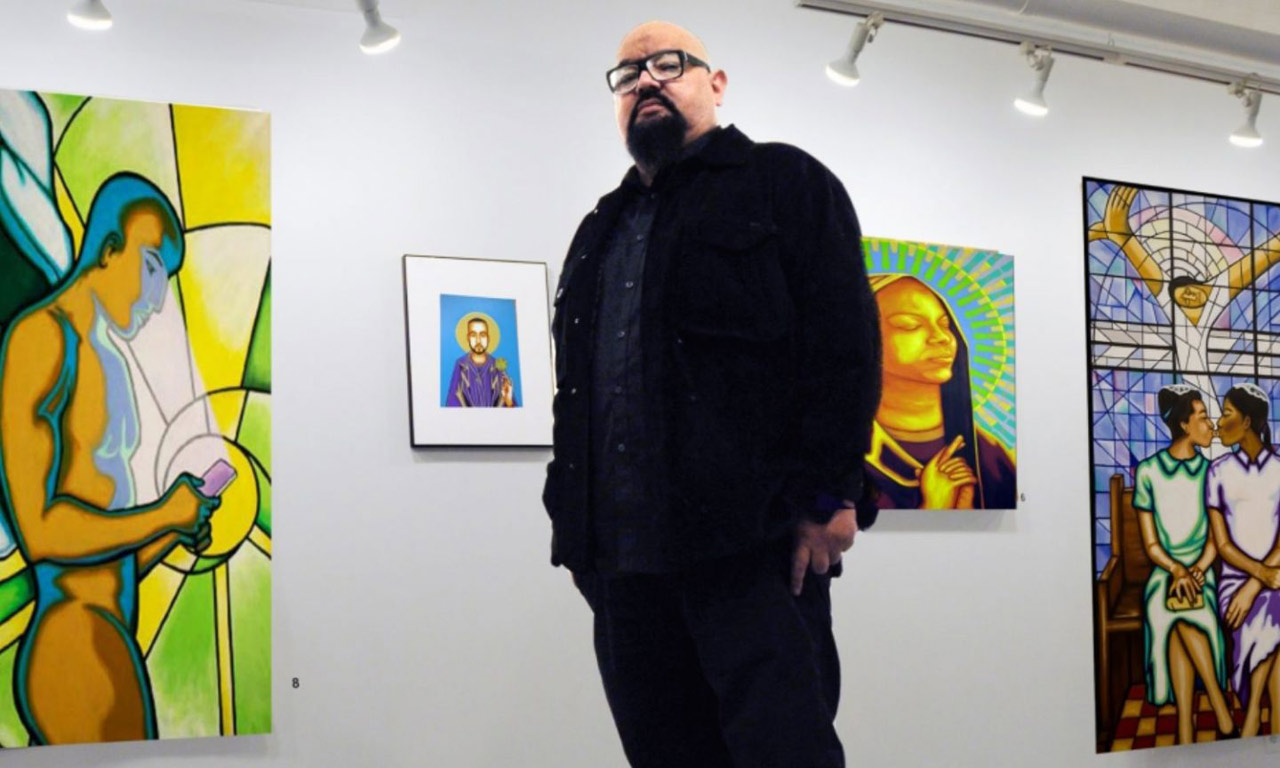
April 2024: The Artist Talk: The most recent engagement serves as a culmination of his recent work, where he transitioned from the canvas to the podium, engaging in a direct Q&A with the community to demystify the role of the artist as an activist and storyteller.
Supporting Data: The Resonance of Realism
The popularity of the recent event highlights a shifting trend in museum attendance: a growing appetite for local artists who document the realities of their specific geographic and cultural contexts.
According to internal reports from the Newark Museum of Art, engagement metrics for local artist showcases have seen a consistent upward trend since 2022. The "Artist Talk" format, in particular, has become a successful vehicle for audience retention. By providing a forum for Q&A, the museum has transformed a static viewing experience into an interactive dialogue.
- Audience Demographics: The events feature a blend of long-time museum patrons, local university art students, and residents who see their own experiences mirrored in Lopez’s paintings.
- The Power of Narrative: Data suggests that attendees are more likely to spend time in front of works when the artist has provided a narrative framework, confirming that for audiences, "understanding the ‘why’ behind the brushstroke is as important as the technique itself."
Official Responses: Voices from the Museum
The Newark Museum of Art has positioned the Jo-El Lopez presentation as a cornerstone of their ongoing effort to integrate the institution more deeply into the fabric of the city.
"Jo-El Lopez represents the best of what Newark has to offer," said a representative from the museum’s curatorial department during the introduction to the talk. "He doesn’t just paint pictures; he paints perspectives. When you look at his work, you are seeing the layers of history, faith, and progress that make our city what it is today."
The museum emphasizes that the inclusion of such artists is not merely a gesture toward local inclusion, but a recognition of the quality and academic rigor present in the local scene. By hosting these sessions, the museum provides a formal validation of Lopez’s place within the canon of American Realism.
Implications: The Future of Urban Storytelling
The implications of Lopez’s work extend far beyond the walls of the museum. In a society that is increasingly polarized, his ability to find beauty and strength in the "urban experience" serves as a form of social cohesion.
The Intersection of Faith and Modernity
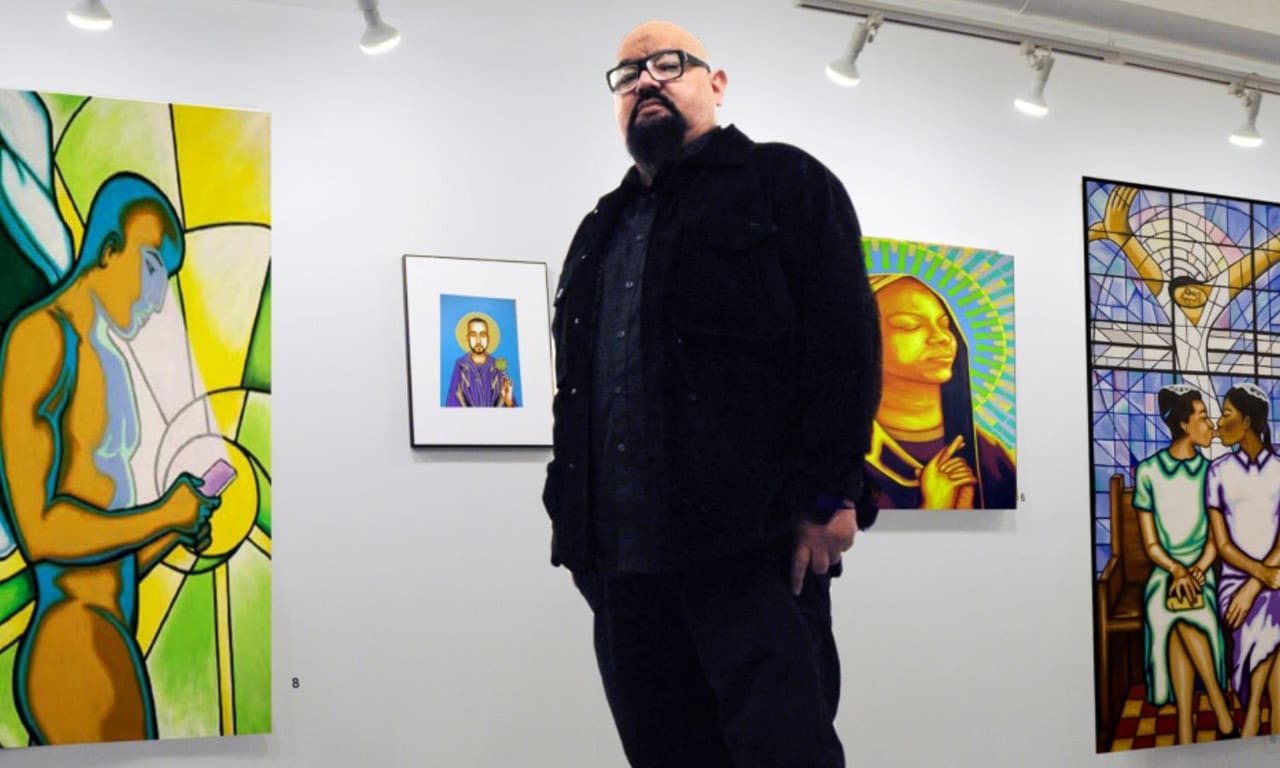
One of the most compelling aspects of Lopez’s work is his treatment of faith. He does not depict religion as a relic of the past, but as a living, breathing component of modern existence. His figures are often portrayed with a sense of quiet reverence, suggesting that faith—whether religious or secular—is what allows families to survive the pressures of urban life.
The Strength of the Family Unit
Lopez frequently highlights the role of the family as the primary unit of stability. His depictions of familial bonds are not sentimental; they are sturdy and realistic. By painting the strength of the family against the backdrop of the city, he challenges the narrative of urban decay, suggesting instead that the city is a site of immense human potential and enduring support systems.
The Role of the Artist in the Community
The success of the Q&A session underscores a crucial change in the relationship between the artist and the public. Today, the artist is expected to be more than a creator; they are expected to be an educator and an advocate. Lopez’s willingness to engage in these public discussions demonstrates that the artistic process is an open-ended dialogue.
Conclusion: A Lasting Impression
As the Newark Museum of Art continues to host programs that spotlight local talent, the work of Jo-El Lopez stands as a testament to the power of traditional realism. He has successfully captured the spirit of a city that is often ignored by the national media, giving voice to the people who inhabit its streets.
For those who were unable to attend the live Q&A, the museum’s commitment to digital accessibility—seen in their provision of high-contrast and dyslexia-friendly information resources—ensures that the artist’s message remains available to all.
Ultimately, Jo-El Lopez invites us all to pause. In a world of fleeting digital images and 15-second soundbites, he asks us to look at the canvas, look at each other, and acknowledge the dignity inherent in the human experience. Whether through the brush or the spoken word, Lopez’s contribution to the cultural landscape of Newark is, and will remain, an essential chapter in the story of American art.
As we look toward the future, it is clear that artists like Lopez, who ground their work in the realities of their communities, will play a vital role in shaping how we perceive the world around us. His work is not just a reflection of Newark; it is a mirror held up to the complexities of the human condition, inviting us to find faith, family, and meaning in the most familiar of places.
