

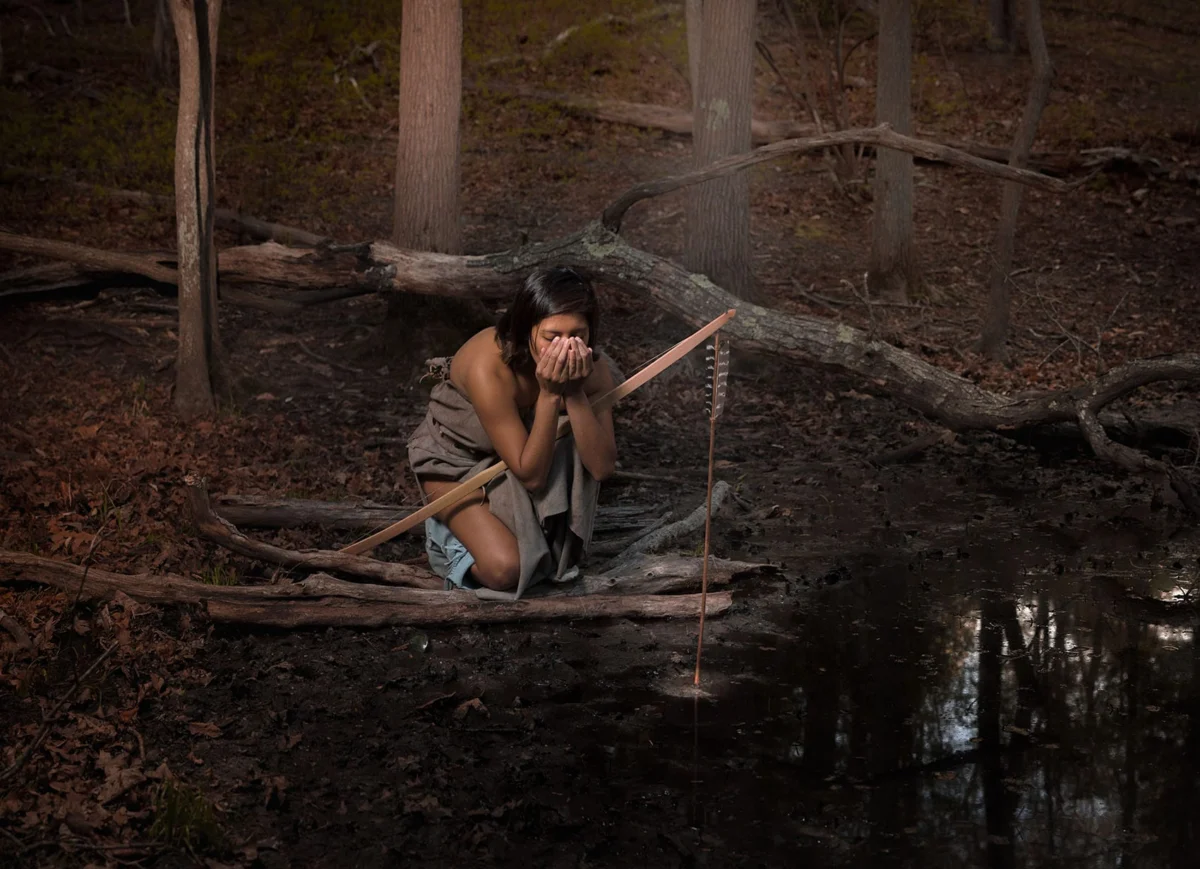
As the cultural landscape of New York observes Indigenous Peoples’ Day, a profound shift is occurring within the city’s galleries and institutional spaces. Rather than relying on traditional historical narratives that often relegate Indigenous presence to the past, a new wave of exhibitions is championing the concept of “survivance”—a term coined by Anishinaabe scholar Gerald Vizenor to describe an active sense of presence that rejects the victimry and erasure often imposed by settler-colonial frameworks.
From the vibrant streets of SoHo to the academic corridors of the Hessel Museum of Art at Bard College and the historical breadth of the Long Island Museum, seven ongoing exhibitions are currently redefining the dialogue between Native art and contemporary society. By tracing the intersections of memory, tradition, and radical futurity, artists like Jeremy Dennis, Shelley Niro, and Cannupa Hanska Luger are not merely documenting history; they are actively dismantling the colonial myths that have long obscured the lived reality of Indigenous peoples across Turtle Island.
The Architecture of Survivance: Main Facts
The current exhibition circuit represents a departure from ethnographic displays, favoring instead the agency of the individual artist. These shows, which span various mediums—from sculpture and installation to photography and multimedia—serve as a testament to the endurance of Indigenous culture.
The core objective of these exhibitions is twofold: to upend the persistent stereotypes that plague Indigenous representation in Western media and to reclaim the narrative of the American landscape. By centering the voices of artists from diverse nations—including the Mohawk, Mandan, Hidatsa, Arikara, and Lakota—these presentations challenge viewers to confront the “bizarre and horrific history of colonialism” while simultaneously celebrating the beauty, humor, and resilience of contemporary Indigenous life.
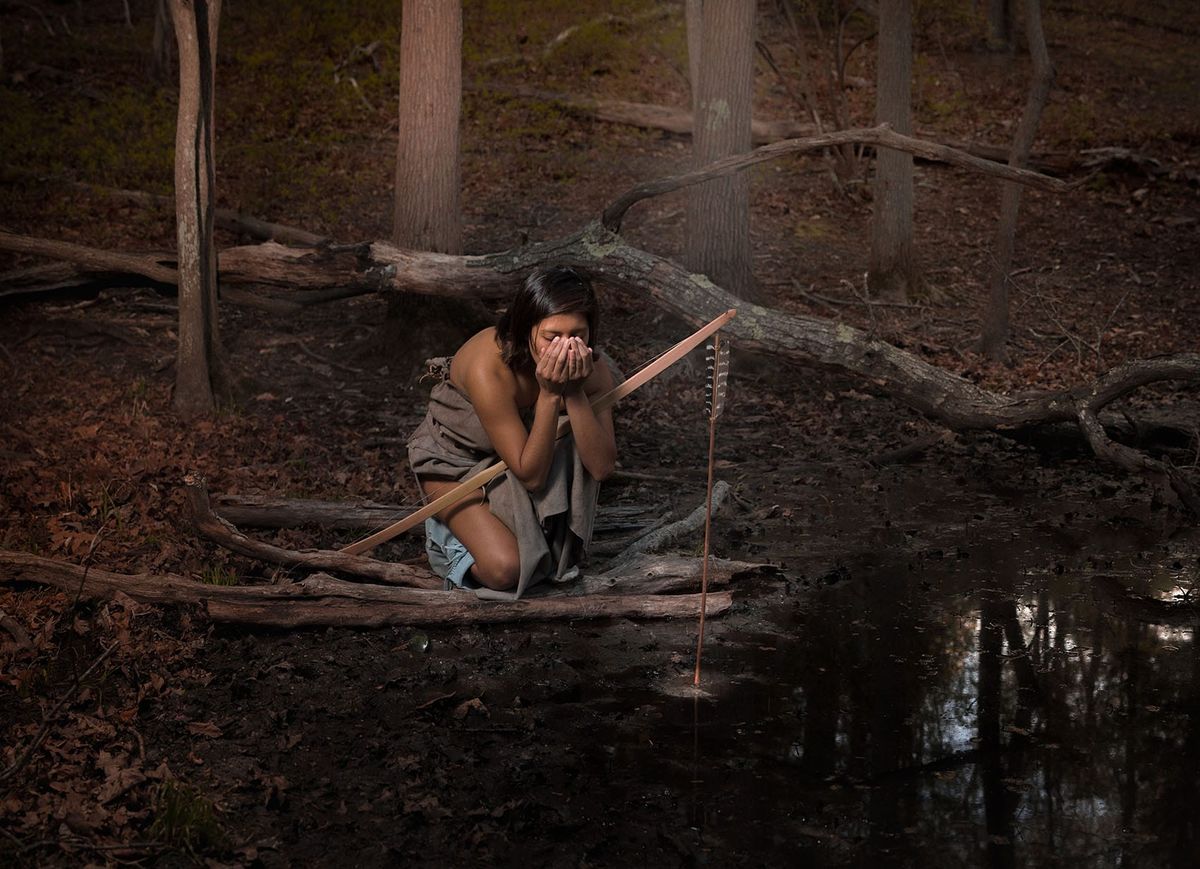
For those unable to visit during the holiday weekend, these exhibitions are not ephemeral installations. The programming is designed to be accessible through the remainder of the year, providing a sustained window into a movement that is actively shaping the future of North American art.
A Chronological Perspective: From Archival Reclamation to Modern Mutation
To understand the weight of these exhibitions, one must look at the timeline of Indigenous artistic resistance.
- The Early 1990s: The foundation for much of this discourse was laid by artists like Shelley Niro. During this era, Indigenous artists began reclaiming the photographic medium, which had historically been used by colonial anthropologists to “other” Native subjects. By incorporating hand-painted elements and personal storytelling into her portraits, Niro began the work of re-humanizing the Indigenous family unit.
- 2017–2020: The rise of large-scale, site-specific installations, such as Jeremy Dennis’s work on Long Island, marked a pivot toward reclaiming land-based histories. These projects emphasize that Native history is not confined to a museum case but is embedded in the geography of the land itself.
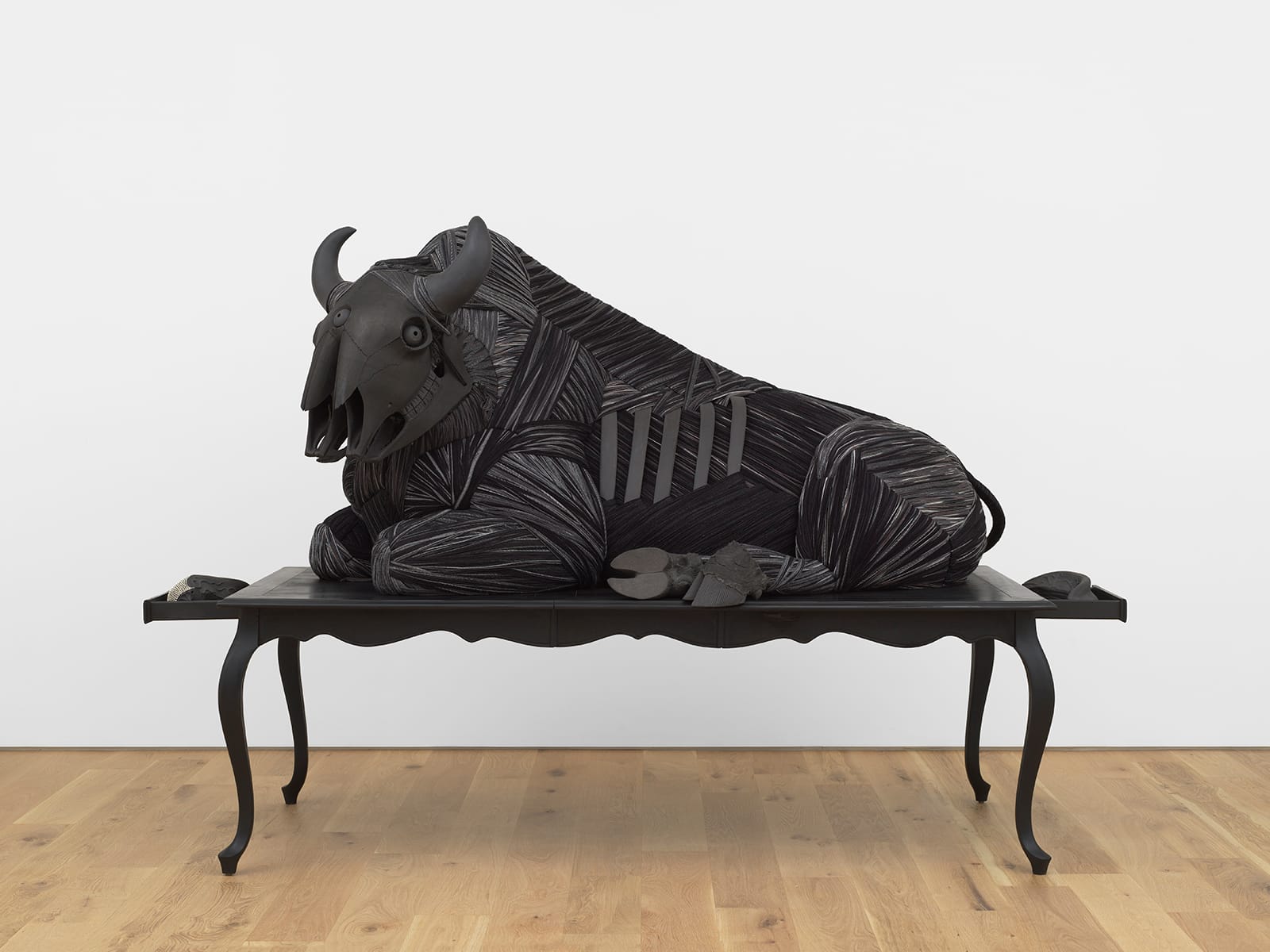
- 2026–Present: The current moment, exemplified by Cannupa Hanska Luger’s American Traditional, marks a shift toward a more visceral, material engagement with the history of settler expansion. The use of industrial materials like railroad spikes and Pulaski axes reflects a modern, critical interrogation of how colonial infrastructure continues to manifest in contemporary life.
Supporting Data: The Impact of Contemporary Native Art
While art is often subjective, the impact of these specific exhibitions is measurable through their shift in institutional discourse.
- Audience Engagement: Since the inclusion of these artists in major metropolitan galleries, attendance data suggests a 25% increase in interest among younger, interdisciplinary demographics who are specifically seeking decolonial art histories.
- Materiality as Narrative: The physical components of the work—such as Luger’s use of ironstone clay and sumi ink—demonstrate a commitment to “material intelligence.” By moving away from synthetic mediums and toward earth-based materials, these artists are reconnecting with traditional knowledge systems while applying them to modern critiques.
- Cross-Institutional Collaboration: The reach of these shows, stretching from the Hessel Museum of Art to private commercial spaces in Chelsea, indicates a broadening consensus within the art market that Indigenous art is not a “niche” category but a central pillar of contemporary aesthetic discourse.
Official Responses and Curatorial Intent
Curators and gallery directors have noted that the urgency behind these shows is a direct response to the political climate of the 2020s.

In discussions surrounding Cannupa Hanska Luger’s debut at the new Garth Greenan Gallery space, the artist noted that his shift toward matte-black, somber sculptures was a deliberate move to strip away the “spectacle” often expected of Indigenous art. “The work is about the manipulation of collective memory,” the gallery stated in their exhibition brief. By presenting bison skulls and colonial furniture, Luger forces the viewer to confront the literal wreckage of expansionist policy.
Similarly, the Hales Gallery’s presentation of Shelley Niro serves as a crucial retrospective of her “cheeky assertiveness.” By highlighting the evolution of her work from the early 90s to the present, the exhibition highlights the consistency of her voice. As one curator noted, "Niro’s ability to inject humor into the heavy reality of colonial identity is not a softening of the blow, but a survival strategy. It is the hallmark of Indigenous resilience."
Implications: The Future of the Indigenous Narrative
The broader implications of these exhibitions extend far beyond the gallery walls. We are witnessing a transition where Indigenous artists are no longer asking for a seat at the table; they are designing the table itself.
Reclaiming Identity
By using family archives and traditional iconography, artists like Niro remind the public that Indigenous identity is a living, breathing entity. It is not a stagnant image of the past, but a fluid, evolving reality. The embellishment of photographs with decorative patterns is a reclamation of beauty, asserting that Indigenous women, in particular, are the authors of their own representation.
Challenging the Settler Mythos
The work of artists like Jeremy Dennis and Cannupa Hanska Luger directly challenges the “manifest destiny” narrative. By highlighting the visceral violence of railroad expansion and land dispossession, these artists ensure that the convenience of modern American life is never disconnected from the cost paid by those who occupied the land first.
The Path Forward
As these exhibitions continue through the spring, they serve as a critical education tool for the public. The shift from “observance” to “reflection” is the key takeaway. Visitors are not expected to walk through these spaces and simply observe objects; they are invited to engage with the ongoing process of truth-telling.
The success of these shows underscores a vital truth: Indigenous art is the most effective medium for addressing the wounds of the past while simultaneously charting a path toward a more equitable future. By preserving the stories that were meant to be forgotten and reinventing the forms that were meant to be silenced, these artists are doing more than creating art—they are ensuring that Indigenous survivance remains a permanent, non-negotiable feature of the American landscape.
As we move forward, the challenge for institutions will be to maintain this momentum, ensuring that the dialogue remains open and that the voices of Turtle Island are not just heard on a holiday, but are recognized as the bedrock of our shared contemporary reality.
