

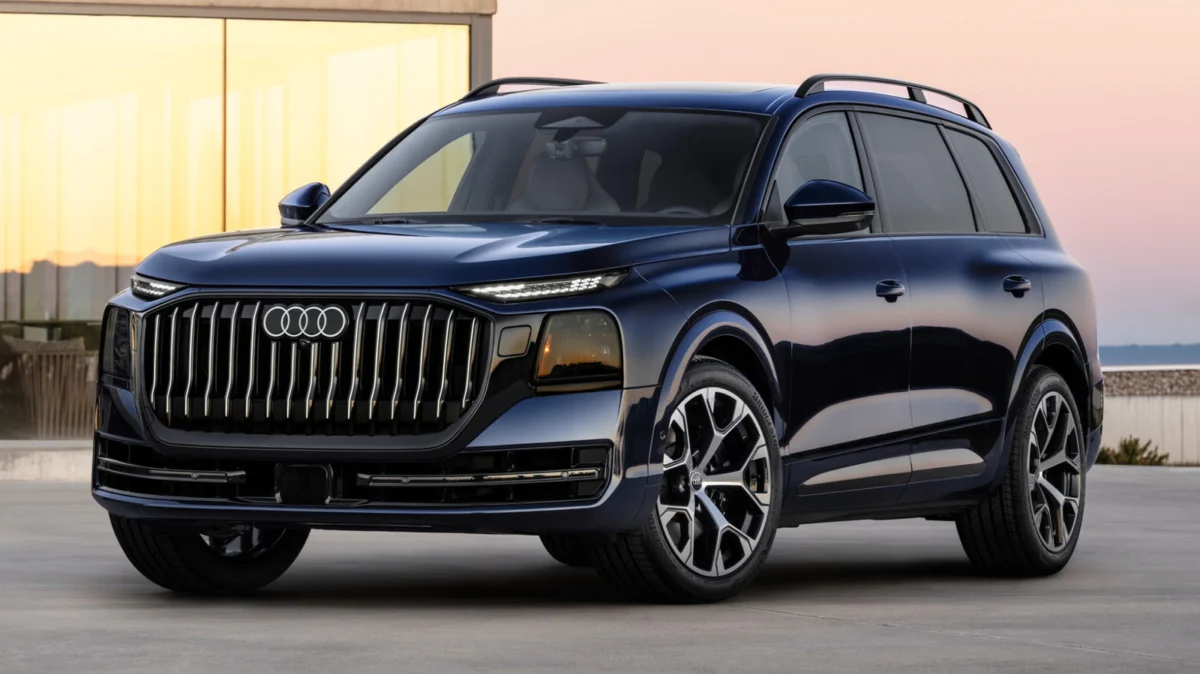
In a move that marks a definitive turning point for the German luxury automaker, Audi has officially announced a massive $4 billion investment to establish its first-ever production facility on United States soil. Located in Georgia, the "Middle Georgia Mega Site" is set to become the bedrock of the company’s North American expansion, signaling an end to the brand’s total reliance on overseas manufacturing for the U.S. market.
This decision, long in the making, arrives as a direct response to shifting geopolitical landscapes and an increasingly aggressive tariff environment. By moving production closer to its consumer base, Audi is positioning itself to compete more effectively against rivals like BMW and Mercedes-Benz, which have long benefited from localized production in the American South.
The Chronology of a Strategic Shift
The road to this announcement was neither short nor simple. For years, Audi maintained a global production philosophy that saw its U.S.-bound vehicles assembled primarily in Europe and China. However, as trade tensions escalated and the Trump administration implemented rigorous tariff policies, the economic calculus for the German brand began to change.
- Early 2025: Facing mounting pressure from import tariffs, Audi begins internal evaluations of U.S. site locations. The company reports that import duties cost the brand approximately $1.4 billion in a single fiscal year—an unsustainable financial drain that eroded profit margins on high-end luxury vehicles.
- Late 2025: Audi publicly confirms it is exploring a "localized manufacturing footprint" to mitigate the impact of international trade barriers.
- Mid-2026: Negotiations with state officials in Georgia accelerate. The "Middle Georgia Mega Site" is identified as the preferred location, offering the necessary infrastructure and logistical proximity to the East Coast and major shipping ports.
- Late 2026 (The Announcement): During a high-profile campaign rally in Georgia, U.S. President Donald Trump, accompanied by Audi’s Chairman of the Board of Management, Gernot Döllner, officially unveiled the project. The announcement served as both a victory for regional economic development and a testament to the influence of current trade policy on global automotive operations.
Financial and Operational Implications: The $4 Billion Investment
The $4 billion capital expenditure is one of the largest single industrial investments in the history of the state of Georgia. This funding is earmarked for the construction of a state-of-the-art, high-efficiency manufacturing plant capable of an annual output of 200,000 vehicles.
The Technological Edge
According to Gerd Walker, Audi’s board member for Production and Logistics, this facility is intended to be a "clean slate" project. By building from the ground up, Audi avoids the complexities of retrofitting aging European factories. The company plans to implement "Industry 4.0" standards, integrating artificial intelligence, advanced robotics, and carbon-neutral manufacturing processes that align with Audi’s broader global sustainability goals.
Capacity and Timeline
Construction is slated to break ground next year, with the factory expected to come online in the early 2030s. This timeline provides Audi the necessary lead time to cultivate a robust local supply chain—a critical requirement for any major automaker operating in the U.S.
The Product Lineup: Targeting the Premium SUV Market
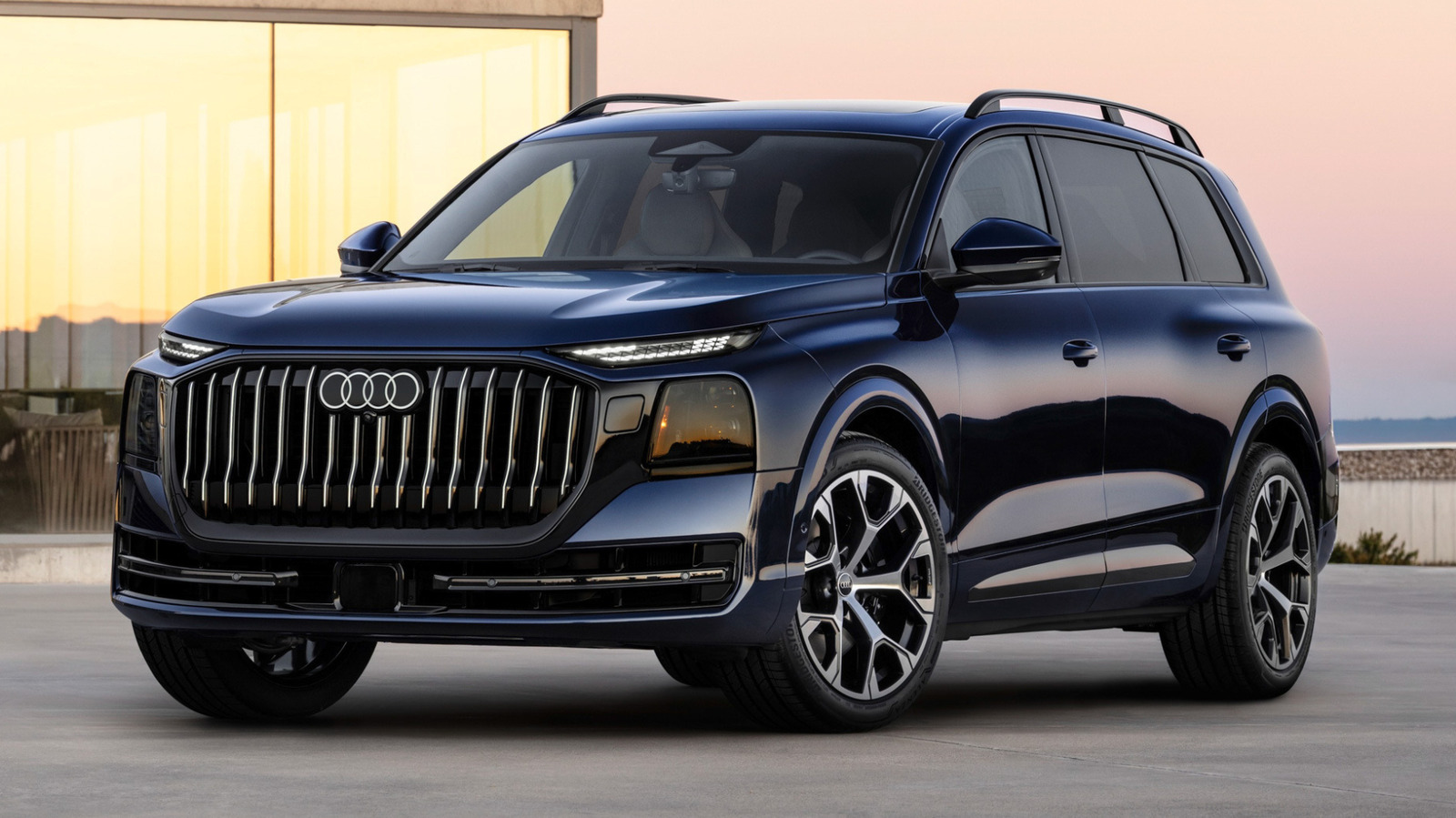
While Audi has not issued a final "official" manifest of every vehicle to be built in Georgia, industry insiders and leaks from the recent rally suggest that the plant will focus on the most profitable segments of the American market: premium SUVs.
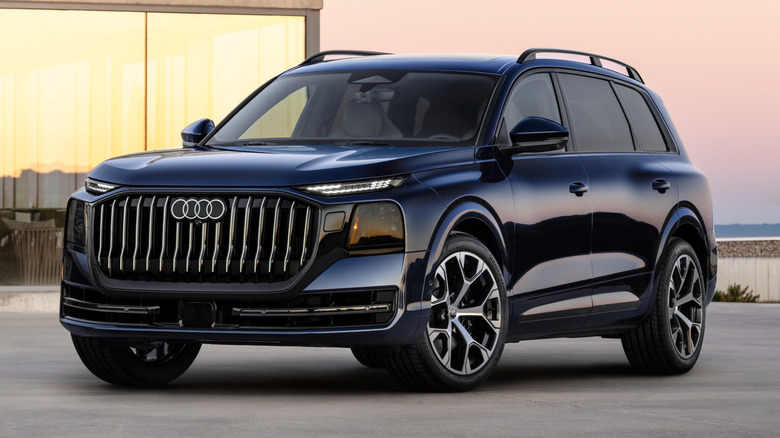
Reliable reports indicate that the production lines will accommodate the Audi Q7 and Q8, as well as the highly anticipated Audi Q9. The Q9, a flagship SUV designed to challenge the largest vehicles from Cadillac and Lincoln, was conspicuously displayed at the Georgia rally, fueling speculation that it will be the primary "Made in USA" marquee model.
Beyond the dedicated factory, rumors persist regarding a synergistic arrangement with Scout—the Volkswagen Group’s offshoot brand. It is widely expected that Audi may utilize part of Scout’s upcoming South Carolina production capacity to manufacture up to 25,000 units annually, further diversifying its domestic output.
The Competitive Landscape: The Battle for the American South
Audi’s arrival in Georgia puts it in direct competition with its fellow German "Big Three" counterparts, who have already cemented their presence in the American South:
- BMW (South Carolina): As the current leader in German-U.S. manufacturing, BMW’s Spartanburg plant serves as a blueprint for success. Producing over 400,000 vehicles annually, BMW has proved that German engineering can thrive when paired with American labor.
- Mercedes-Benz (Alabama): Operating a massive hub in Tuscaloosa, Mercedes-Benz recently expanded its capacity to 340,000 units. With production lines dedicated to the GLE, GLS, and electric EQS and EQE SUVs, Mercedes-Benz has successfully localized its most popular luxury offerings.
Audi’s entry into this landscape is intended to neutralize the "tariff disadvantage" that has plagued the brand compared to its competitors. By manufacturing locally, Audi will no longer be forced to absorb the heavy import duties that have previously made its vehicles more expensive or less profitable than those of its rivals.
Economic and Societal Impact: "Bringing Jobs to America"
The economic ripple effect of this investment cannot be overstated. The Middle Georgia Mega Site is expected to generate approximately 4,500 direct manufacturing jobs. Beyond the factory gates, the project will catalyze a surge in ancillary employment, including:
- Supplier Networks: Tier 1 and Tier 2 automotive suppliers will likely establish facilities within the region to support "just-in-time" delivery to the Audi plant.
- Training and Education: Partnerships with local technical colleges and universities will be required to develop a workforce skilled in high-end automotive robotics and electrical engineering.
- Service Infrastructure: Increased demand for logistics, local construction, and maintenance services will likely boost the regional economy for years to come.
During his speech in Georgia, President Trump framed this development as a vindication of his protectionist trade stance. "This is what happens when you create a competitive environment for American workers," the President stated, claiming that his administration’s trade policies have spurred roughly $40 billion in total automotive investment, resulting in over 30,000 new jobs across the country.
Official Perspectives: The Path Forward
Gernot Döllner, Audi’s Chairman, emphasized that this is not merely a tactical maneuver to avoid tariffs, but a fundamental shift in the company’s identity.
"We have much greater ambitions for Audi in America," Döllner stated during the press briefing. "The United States is one of the world’s most important premium markets, and we have not yet realized our full potential. We are determined to change that—with premium products, a stronger brand, and a competitive local production base. This is about building a stronger Audi business in America—not only about building a factory."
For Audi, the transition represents a maturation of its global strategy. By moving the "brain" and "muscle" of its production closer to the American consumer, the brand aims to reduce lead times, better react to local market trends, and insulate itself from the volatility of international trade politics.
Conclusion: A New Era for Audi
The decision to invest $4 billion in Georgia is a monumental undertaking that signifies Audi’s long-term commitment to the North American market. By transforming itself from an importer into a domestic producer, the company is shedding the baggage of trade-related costs and embracing a future where American-made Audis will define the brand’s presence in the world’s most competitive luxury market.
As construction begins, all eyes will be on Georgia to see if Audi can successfully replicate the manufacturing excellence that has defined its history in Ingolstadt and Neckarsulm. For the German automaker, the message is clear: the road to success in the U.S. is no longer across the Atlantic—it is through the heart of the American South.
