

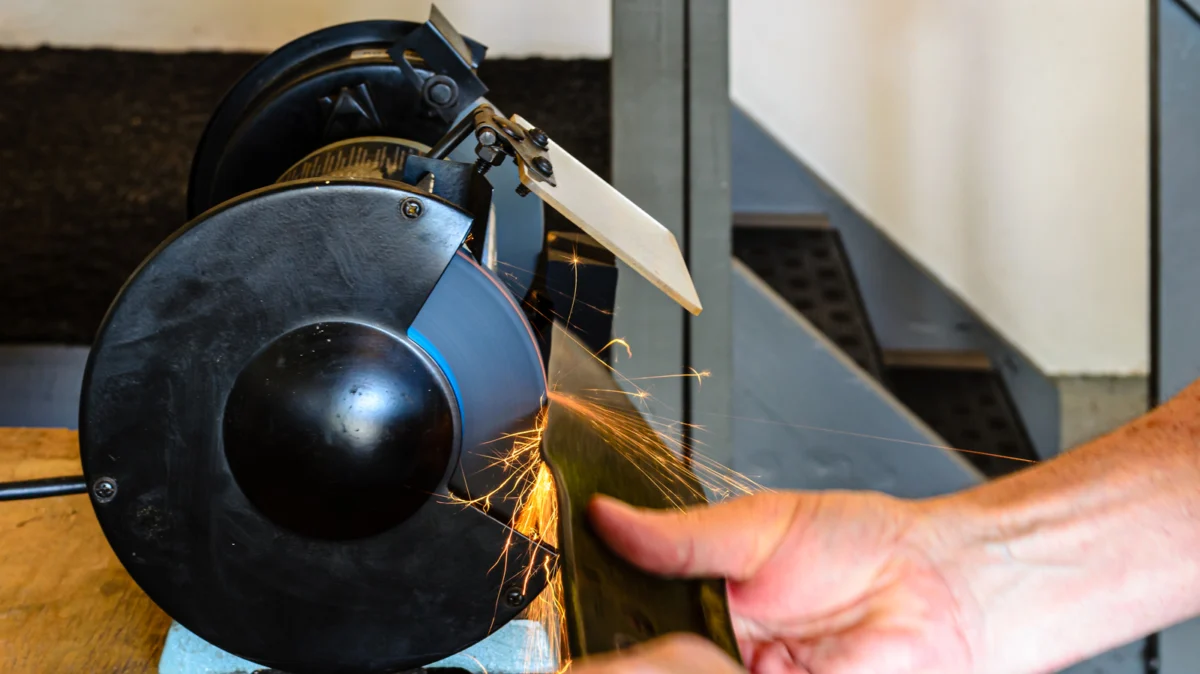
For the average homeowner, the arrival of spring is synonymous with lawn maintenance. As the frost recedes and the grass begins its vigorous growth, the lawn mower becomes the most critical piece of equipment in the garden shed. However, a common oversight often plagues even the most diligent landscapers: the state of the mower blade. While many turn to bulky, high-powered bench grinders to restore their blades, a growing movement of DIY enthusiasts and professional landscapers is rediscovering the efficiency of a humble, pocket-sized tool—the sharpening puck.
Main Facts: Why the Sharpening Puck is a Game-Changer
A sharpening puck is essentially a compact, round whetstone, typically constructed from silicon carbide. Measuring roughly three inches in diameter and an inch in thickness, it fits comfortably in the palm of one’s hand. Unlike a bench grinder, which relies on high-speed abrasive wheels that can overheat metal—potentially ruining the blade’s temper—the sharpening puck offers a manual, controlled approach to edge maintenance.
Most high-quality pucks, such as the widely recognized Lansky model, are dual-grit. They feature a coarse side for aggressive material removal—ideal for blades that have suffered nicks from rocks or debris—and a medium-to-fine side for honing the final, razor-sharp edge. This versatility makes it an indispensable tool not just for lawn mower blades, but for axes, hatchets, shovels, and garden shears. Its simplicity is its greatest strength: it requires no electricity, generates no dangerous sparks, and offers the user tactile feedback that a machine simply cannot replicate.
The Chronology of Blade Maintenance
To understand the necessity of this tool, one must look at the lifecycle of a lawn mower blade.
1. The Initial Assessment (Post-Winter):
Before the first cut of the season, a blade should be inspected for structural integrity. If there are deep gouges or structural cracks, the blade must be replaced. However, if the edge is simply rounded and dull, it is time for sharpening.
2. Removal and Preparation:
Safety is paramount. The spark plug wire must be disconnected or the battery removed to prevent accidental engagement. The blade is then unscrewed from the deck. Once removed, the blade should be secured in a bench vise. This is the stage where the "puck method" diverges from the mechanical approach. Instead of rushing to a grinder, the user applies honing oil to the puck, creating a lubricant that prevents metal filings from clogging the abrasive pores of the stone.
3. The Sharpening Process:
Using the coarse side of the puck, the user moves the stone in a controlled, circular motion along the bevel of the blade. The goal is to match the factory angle—usually around 30 to 45 degrees. By working manually, the user avoids "burning" the metal, a common error with high-speed grinders where excessive heat turns the steel blue and weakens its hardness.
4. Honing and Balancing:
After achieving the desired edge with the coarse grit, the user flips the puck to the finer side to polish the bevel. Finally, before reinstallation, the blade must be balanced. A blade that is heavier on one side due to uneven sharpening will cause excessive vibration, which can damage the mower’s spindle bearings and engine.
Supporting Data: The Impact of Blade Sharpness on Lawn Health
The debate between mechanical sharpening and manual honing often misses the most important stakeholder: the grass itself. Agronomists have long documented the physiological impact of "tearing" versus "cutting."
When a dull blade strikes a blade of grass, it does not slice through cleanly. Instead, it tears the plant tissue. This creates a jagged, frayed edge that increases the surface area for moisture loss and serves as a literal open wound for fungal infections and pests. A lawn cut with a dull blade often takes on a grayish or brownish cast at the tips, even if the grass is otherwise healthy.
Conversely, a sharp blade—perfectly achievable with a few minutes of work using a sharpening puck—seals the cut cleanly. The grass heals faster, maintains its vibrant green color, and requires less water to recover from the stress of mowing. Research suggests that a well-maintained, sharp blade can reduce the overall recovery time of a lawn by up to 30%, leading to a denser, more resilient turf.
Official Perspectives: The Professional Landscape View
Professional landscapers often face a dichotomy: they need speed to cover large acreage, but they need precision to maintain their reputation for quality. While commercial crews often use high-speed belt grinders for efficiency, many professionals keep a sharpening puck in their truck for "in-the-field" touch-ups.
"There is a misconception that faster is always better," says a veteran groundskeeper. "When you are in the middle of a job and hit a hidden root, the blade edge turns over. You don’t have time to go back to the shop and fire up a bench grinder. A puck allows you to touch up that edge in thirty seconds. It saves the day, and more importantly, it keeps the lawn looking pristine for the client."
The consensus among industry experts is that while mechanical grinders have their place for heavily damaged blades, the sharpening puck is the "gold standard" for routine maintenance. It encourages frequent sharpening, which is far better for the mower and the lawn than waiting for the blade to become severely degraded.
Implications for the Homeowner
The shift toward manual tools like the sharpening puck reflects a broader trend in home maintenance: the move toward longevity and sustainability. A bench grinder is a significant capital investment and a piece of equipment that requires dedicated shop space. A sharpening puck, by contrast, is a low-cost, high-utility tool that fits in a kitchen drawer or a small toolbox.
The Environmental and Economic Argument
Beyond the immediate benefit to the lawn, there is an economic imperative. Sharpening a blade with a puck takes roughly five to ten minutes. When you consider the cost of replacing blades every season—or the cost of hiring a professional to sharpen them—the sharpening puck pays for itself within the first two uses. Furthermore, by maintaining the blade correctly, the mower engine does not have to work as hard to push through the grass. This reduces fuel consumption and lowers the strain on the mower’s internal components, effectively extending the lifespan of the entire machine.
Safety First
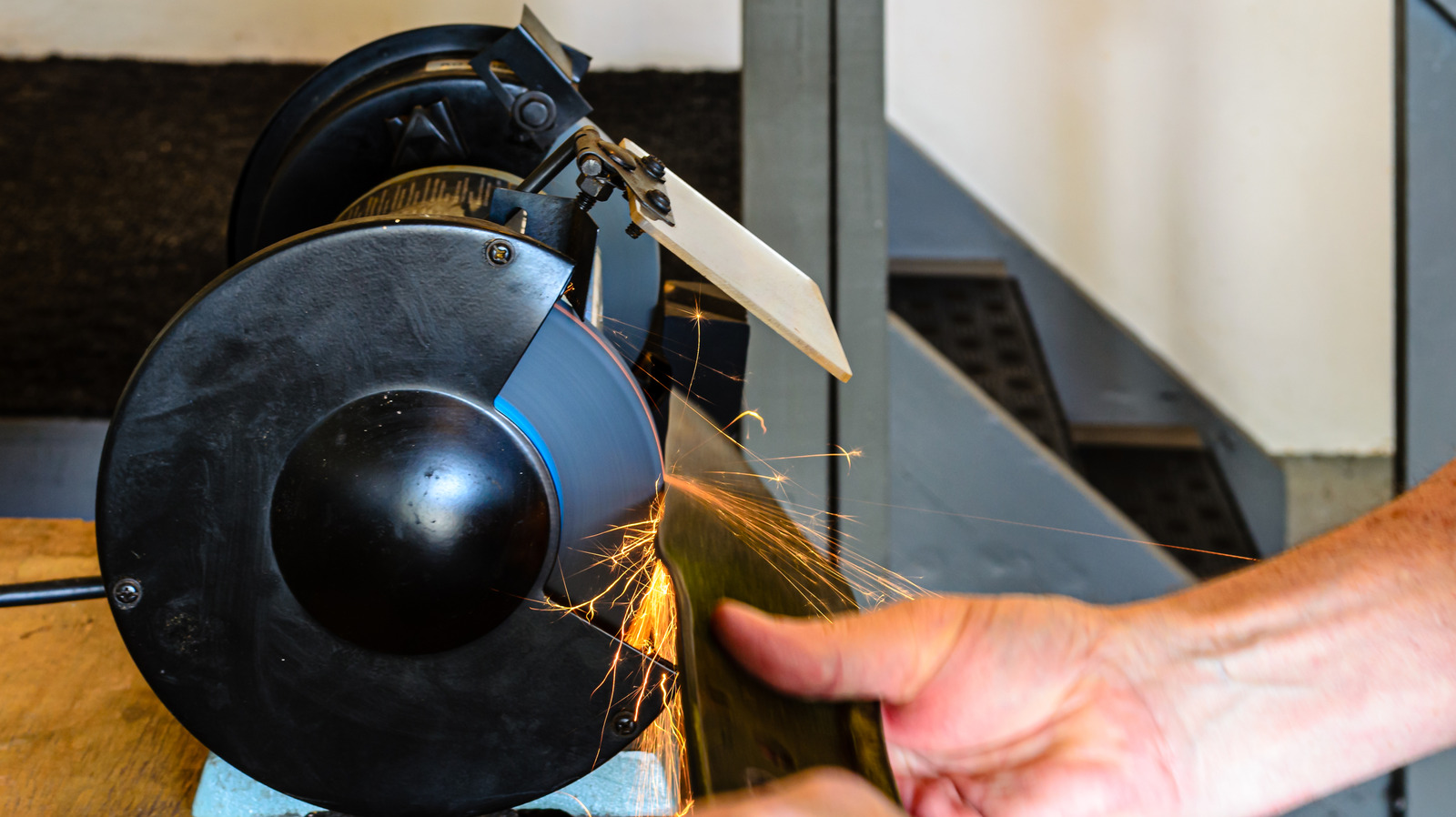
Perhaps the most significant implication is safety. Bench grinders are inherently dangerous; they operate at thousands of RPMs and can throw debris at high velocities. For the average homeowner who may not have proper protective gear or a stable workspace, the sharpening puck removes the risk of high-speed accidents. It is a controlled, deliberate process that allows the user to maintain complete awareness of the blade’s position at all times.
Conclusion
The sharpening puck may seem like a relic of a bygone era in an age dominated by power tools and quick-fix gadgets, but its endurance is a testament to its effectiveness. By choosing to sharpen your lawn mower blades manually, you are not just saving money or keeping your tools in top condition; you are engaging in a practice that honors the health of your lawn and the longevity of your equipment.
The next time you find your mower struggling to make the cut, resist the urge to buy a new blade or haul out the heavy machinery. Pick up a sharpening puck, apply a little oil, and rediscover the satisfaction of a clean, manual edge. It is a small investment that yields a greener, healthier lawn and the quiet confidence that comes with doing the job the right way.
