

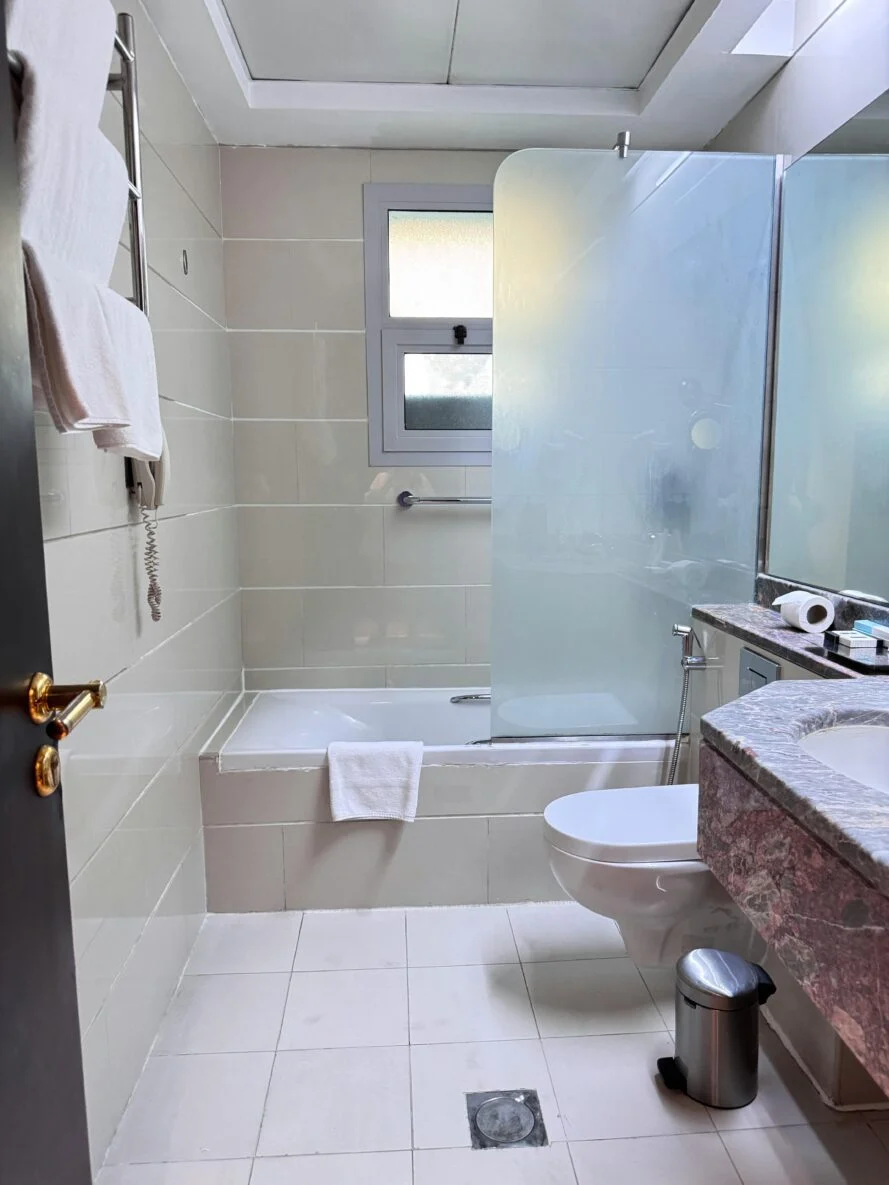
In the world of modern architecture and interior design, materials are often categorized into two distinct camps: the aesthetic and the utilitarian. We have long accepted that a material is either chosen for its visual allure—to make a statement—or for its physical performance—to endure the rigors of daily life. However, a growing movement in architectural practice is challenging this dichotomy. Reflective materials, ranging from polished stainless steel to high-gloss architectural coatings, are proving to be the "double agents" of the built environment. They provide the aesthetic "wow" factor that designers crave while delivering substantial improvements in light efficiency, hygiene, and spatial perception.
Main Facts: The Multi-Dimensional Role of Reflective Finishes
At its core, the use of reflective materials is an exercise in optical physics. When light hits a non-reflective, matte surface, it is largely absorbed or scattered in unpredictable ways. Conversely, reflective surfaces redirect photons, effectively "harvesting" existing light and distributing it deeper into a room.
This is not merely a design flourish; it is a functional strategy. By integrating reflective elements into wall panels, ceilings, or even specialized cabinetry, architects can reduce the "energy load" of a building. Less reliance on artificial lighting during daylight hours translates directly into lower energy consumption. Furthermore, the psychological impact of these materials cannot be overstated. By blurring the boundaries of a space, reflective surfaces trick the human eye, transforming cramped, windowless corridors into seemingly expansive environments.
Chronology: The Evolution of Reflective Materials in Design
The history of reflective materials in architecture is a timeline of technological maturation.
- Pre-20th Century: Reflectivity was largely limited to mirrors and polished precious metals, often reserved for luxury ornamentation in palaces or high-end cathedrals.
- The Industrial Revolution: The mass production of glass and the refinement of metallurgical processes, specifically the creation of stainless steel in the early 1900s, moved reflective surfaces from the realm of the elite into the industrial sphere.
- Mid-20th Century: The "International Style" championed by architects like Mies van der Rohe began incorporating steel and glass to create transparent, light-filled environments, though the focus remained on transparency rather than surface reflection.
- The Sustainability Era (2000s–Present): With the rise of LEED certification and high-performance building standards, the conversation shifted. Reflectivity began to be quantified. Designers started using polished aluminum, brushed stainless steel, and high-gloss resins specifically to solve problems related to poor natural light and building maintenance.
Supporting Data: Efficiency and Spatial Perception
To understand the value of these materials, one must look at the data behind light reflectance values (LRV). An LRV scale measures the percentage of light a surface reflects. A matte black wall might have an LRV of 5%, absorbing nearly all light, while a polished stainless steel sheet can reach upwards of 70–80% reflectivity.
Impact on Energy Consumption
Case studies in commercial office renovations have shown that by strategically placing reflective architectural panels near perimeter windows, the "daylight harvesting" potential of a space can increase by 15–20%. This effectively pushes the "daylight zone"—the area of a room where natural light is sufficient for working—deeper into the building’s core, reducing the need for electric lighting by a proportional margin.

The "Spaciousness" Metric
Spatial perception is often measured through occupancy comfort surveys. In high-density retail environments, the use of reflective materials on ceiling tiles or back-walls has been shown to reduce reported feelings of claustrophobia. By effectively "doubling" the perceived depth of a room, these materials create a sense of openness that correlates with increased "dwell time"—the amount of time a customer spends inside a store.
Official Perspectives: The Professional Consensus
Architects and interior designers are increasingly advocating for reflective materials as a standard component of high-performance design. According to industry leaders, the integration of these materials is not just a stylistic choice but a necessity in the "urban densification" movement.
"When we work with high-density urban floor plans, we are often fighting against a lack of access to natural light," says one lead architect specializing in sustainable commercial design. "We don’t just use stainless steel or polished acrylic to make a lobby look expensive. We use it to ensure that the space doesn’t feel like a cave. When you can bounce sunlight from a street-level window into the back of a deep floor plate, you change the entire atmosphere of the workplace."
Furthermore, health and safety inspectors have long championed non-porous, reflective surfaces. In medical facilities, the ability to detect contaminants on a surface is a critical safety feature. The smooth, reflective nature of stainless steel means that a spill or a buildup of debris is immediately visible, and the non-porous composition ensures that cleaning agents effectively sanitize the area without leaving residues in microscopic pits or pores.
Implications: A Sustainable and Resilient Future
The shift toward using materials like stainless steel—specifically, high-quality, durable sheets of steel—has long-term implications for the lifecycle of a building.
Durability and Maintenance
In high-traffic areas such as transit hubs, elevators, and retail corridors, the cost of maintenance is a major factor in a building’s total cost of ownership. Traditional painted surfaces require frequent touch-ups, patching, and eventual repainting. Reflective, metallic finishes are inherently resistant to impact and abrasion. They do not peel, they do not yellow, and they do not require chemical-heavy refinishing processes.

Aesthetic Longevity
While trends in color and texture come and go, the "neutral" reflective quality of polished metal is timeless. It acts as a mirror to the surrounding environment, meaning it adapts to the decor of the room rather than clashing with it. This creates a "future-proof" aesthetic, where the interior remains relevant and visually appealing regardless of changing furniture or brand colors.
The Environmental Footprint
Sustainability is often conflated with "natural" materials like wood or stone. However, the environmental cost of constant repair and replacement must be considered. By selecting a durable, reflective material that lasts for decades, developers are reducing the waste associated with renovation cycles. Furthermore, the energy savings achieved through better light distribution contribute to a smaller carbon footprint over the building’s lifespan.
Conclusion: The Quiet Worker
The beauty of the reflective material lies in its subtlety. It is a design element that performs its duties—light amplification, spatial expansion, and hygiene maintenance—without demanding constant attention. Whether it is the sleek surface of a stainless steel panel in a commercial kitchen or a strategically placed polished pillar in a modern office, these materials serve as a testament to the idea that design and function are not opposing forces.
As we look toward the future of architecture, the demand for spaces that are both efficient and inspiring will only grow. Reflective materials offer a practical path forward, proving that the best design solutions are often those that work silently, effectively, and brilliantly in the background. In a world that is becoming increasingly crowded and energy-conscious, the ability to do more with less—to bounce light, to expand space, and to endure—makes reflective materials an indispensable tool in the modern architect’s toolkit.
The next time you walk into a space that feels unexpectedly airy, bright, and impeccably clean, look closer. You might just find that the secret to that experience is a surface that is doing much more than just reflecting your image—it is reflecting the future of smart, sustainable design.
