

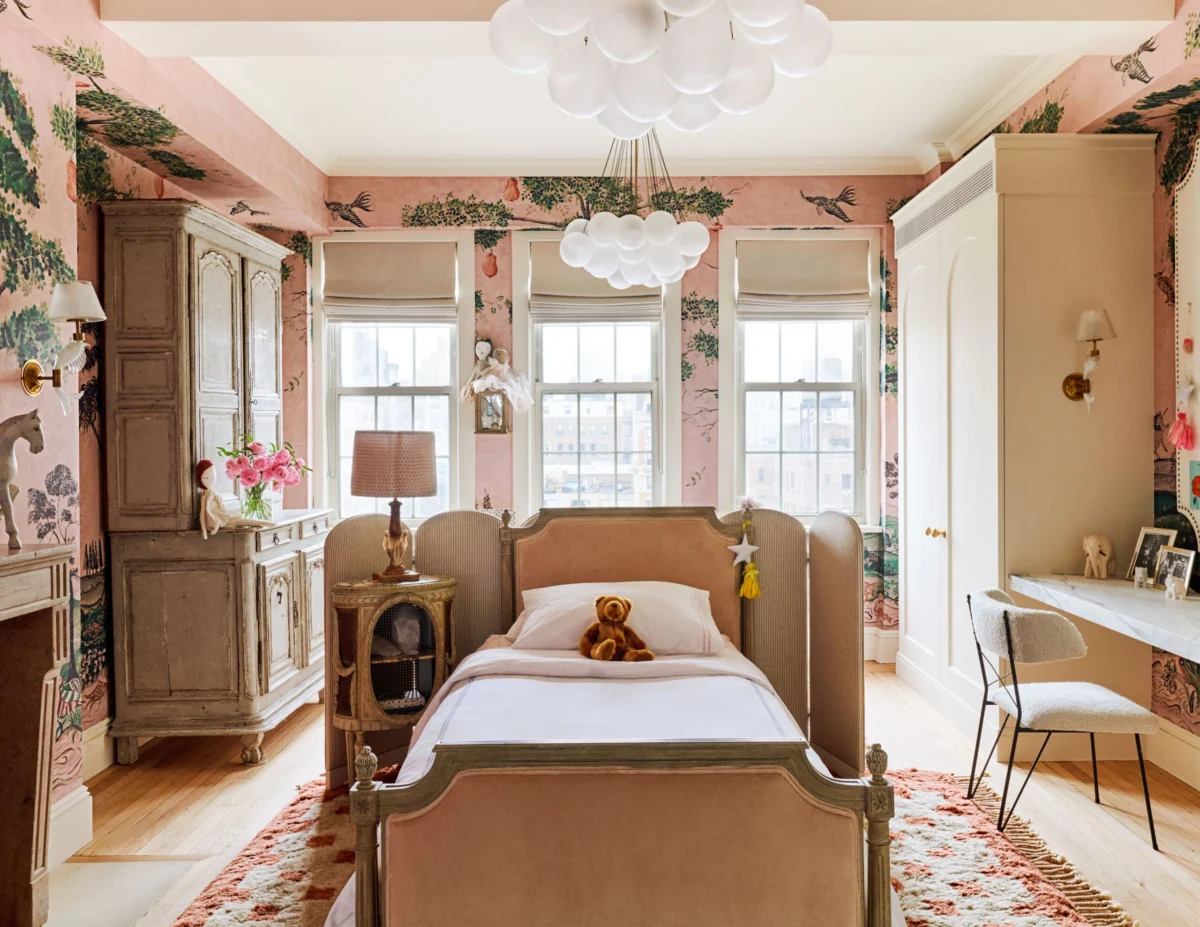
In the contemporary landscape of interior design, the open-concept floor plan—once the gold standard of architectural desirability—is undergoing a functional metamorphosis. As urban living spaces shrink and the demand for versatile, multi-purpose environments grows, the "open-plan" fatigue has led designers and homeowners toward a sophisticated solution: the room divider. Far from the temporary, flimsy partitions of the past, today’s room dividers have emerged as essential decor statements that offer both structural utility and artistic flair.
Whether you are carving out a dedicated home office, separating a sleep area from a living space, or simply looking to add visual texture to a room, the modern room divider is a tool of transformation. From vintage folding screens used in high-profile celebrity homes to sleek, multi-functional shelving units, these pieces allow for the fluidity of a home to remain intact while granting the occupant a sense of sanctuary.

The Evolution of the Partition: A Brief Chronology
The history of the room divider is as rich as it is functional. While we often associate the modern partition with the mid-century modern aesthetic, its roots run deep into antiquity.
Ancient Roots (8th Century–17th Century)
The precursor to the modern screen, the shoji and fusuma screens of eighth-century Japan, were revolutionary in their ability to manipulate space. Adapting the heavier, rigid folding screens of the Chinese dynasties, Japanese artisans utilized fiber-reinforced rice paper stretched over spruce frames. These structures were designed not to block light, but to soften it, creating a luminous, tranquil transition between spaces.

The Art Deco Influence (1920s–1940s)
The 20th century saw the room divider shift from a purely architectural element to a piece of high-fashion furniture. During the Art Deco movement, screens became canvases for lacquer, gilding, and exotic materials. Designers like Eileen Gray and Coco Chanel utilized folding screens to add drama and intimacy to their Parisian interiors, turning the act of "dividing" into a curation of space.
The Modern Modular Era (1950s–Present)
The rise of the studio apartment and the "loft" lifestyle in the latter half of the 20th century necessitated more practical solutions. The mid-century era introduced the concept of the "through-view" shelf—a piece of furniture that served as both storage and a divider. Today, this legacy continues with iconic designs like the Artek Screen 100, which utilizes flexible, vertical wooden slats to create a sculptural boundary that can be rolled up when not in use.

The Functional Imperative: Why We Need Boundaries
The modern interior design philosophy is shifting away from "everything everywhere" toward "intentional zoning." According to recent market analysis, the demand for portable, non-permanent partitions has surged by nearly 25% over the last three years. This shift is driven by three key factors:
- The Rise of Remote Work: With more professionals working from home, the need to psychologically "leave" the office is critical. A physical divider provides a visual break, signaling to the brain that the workday has concluded.
- Urban Densification: As square footage decreases in metropolitan markets, the room divider allows for a "room within a room" without the permanence or expense of a contractor-built wall.
- Aesthetic Layering: Designers are increasingly using dividers to "frame" furniture groupings. A well-placed screen can anchor a sofa or create a backdrop for a dining area, adding depth to a flat floor plan.
Curating the Perfect Divider: A Categorical Breakdown
Choosing the right partition depends entirely on the "light-to-privacy" ratio desired. Here is a guide to the current market leaders.

The Versatile Bookshelf
For those who need both storage and separation, the shelving unit remains the gold standard. IKEA’s KALLAX series, a staple for over a decade, is praised for its "agnostic" design. These units allow users to control the transparency of the divider—by leaving shelves open, you maintain an airy, light-filled environment; by filling them with books or ceramics, you create a more solid, private barrier.
The Artistic Folding Screen
When a room needs a "wow" factor, look toward statement pieces like the Red Barrel Studio Falkmar Folding Screen. With its four-panel construction and vivid, painterly aesthetics, it functions more like a piece of wall art than a simple partition. These are ideal for bedrooms where a sense of intimacy and luxury is paramount.

The Naturalist’s Choice: Rattan and Bamboo
For spaces leaning toward a "coastal" or "organic modern" aesthetic, rattan is the material of choice. The West Elm Zeze Room Divider and the Oriental Furniture Tropical Philippine Divider utilize woven textures to create a relaxed, 1970s-inspired vibe. These pieces excel at allowing natural light to filter through, making them perfect for smaller apartments that might otherwise feel claustrophobic with a solid wall.
The High-End Architectural Statement
For those seeking a more permanent-feeling fixture, the Artek Screen 100 and the Four Hands Duane Room Divider offer superior craftsmanship. The Artek piece, designed by Alvar Aalto, is a masterpiece of geometric modernism. Its flexible, slat-based construction allows it to curve around corners, providing a fluidity that rigid panels cannot achieve.

The Outdoor Dimension: Privacy Beyond the Walls
The concept of the room divider has successfully migrated to the outdoors. As backyards and balconies become extensions of the living room, residents are seeking ways to block out neighbors without building permanent fences. The AllModern Screen Series Privacy Screen, constructed from durable, rust-resistant corten steel, allows for a modular approach. These heavy, 70-pound panels provide a robust barrier against wind and prying eyes, and can even be used as a trellis for climbing plants, blurring the line between furniture and landscaping.
Expert Perspectives: Design Integration
Interior designers emphasize that the secret to using a room divider effectively is in the placement. "The divider should never feel like an afterthought," notes one industry expert. "It should be treated as a deliberate focal point."

When incorporating a screen, designers often suggest:
- Creating a "Dressing Nook": A single-panel screen, like the Bayou Breeze Daejon, can be placed in a corner of a bedroom to hide a garment rack, instantly transforming a messy corner into a curated boutique-style dressing area.
- Anchoring a Living Zone: In large open lofts, placing a low, open-shelving divider behind a sofa creates a distinct living room zone without obstructing the flow of conversation or light.
- Softening Rigid Lines: If a room has too many sharp angles and square edges, an arched or curved screen (like the Lulu and Georgia Carrick Room Divider) can provide a much-needed organic counterpoint.
Implications for Future Interior Design
The resurgence of the room divider suggests a move toward a more flexible, nomadic lifestyle. As consumers move more frequently, they are prioritizing furniture that can adapt to different floor plans. A piece that functions as a headboard in one apartment might become a dining room backdrop in the next.

Furthermore, as sustainable design becomes a priority, the shift toward high-quality, multi-functional furniture is a positive step. By investing in a piece that serves multiple roles—storage, decoration, and space division—homeowners can reduce the need for excessive decor items, embracing a more minimalist and efficient way of living.
Conclusion
Whether you are seeking the minimalist elegance of a Japanese-inspired shoji screen, the rugged durability of steel outdoor panels, or the practical utility of a double-sided bookcase, the room divider is the ultimate tool for the modern home. It is a testament to the fact that you do not need to tear down walls to open up your space—sometimes, all you need is the right screen to define it. As we continue to blur the lines between work, play, and rest within our homes, the room divider will remain the most essential, and artistic, piece of "architecture" we own.
