

Basement stairs are frequently the "forgotten zone" of home interior design. Often constructed from raw, unfinished pine or plywood, these essential structural elements are built for utility rather than aesthetics. For many homeowners, the thought of finishing a basement is a daunting, expensive proposition that can stretch into the tens of thousands of dollars. However, interior design experts and savvy DIY enthusiasts are proving that you don’t need a complete renovation to elevate the visual appeal of your lower level.
By combining fresh paint with a strategically installed carpet runner, homeowners can achieve a high-end, custom look for approximately $200. This project, which has gained significant traction on social media platforms like Facebook, demonstrates that with a modest budget and a weekend of effort, a drab, utilitarian staircase can become a sophisticated design focal point.
The Core Concept: A Strategic Blend of Paint and Texture
The transformation hinges on a simple design philosophy: contrast. By painting the outer edges of the treads and risers while centering a plush, patterned carpet runner, you create the illusion of a custom-installed staircase.
The process, championed by DIY influencers like Lex Unsupervised, relies on two primary materials: high-durability floor paint and affordable runner rugs. By selecting a runner that complements the paint color—such as a crisp white or bold black paint paired with a patterned, earth-toned rug—the stairs move from looking like raw construction lumber to looking like a refined piece of architectural millwork.
The "secret sauce" of this method is the use of a plush carpet pad underneath the rug. Not only does this provide a luxurious, cushioned feel underfoot—a significant upgrade for often-unforgiving basement steps—but it also helps bridge the height difference between the painted wood and the runner, ensuring the transition looks intentional and seamless.
A Chronological Roadmap to Your Staircase Makeover
Executing this project requires a systematic approach. While the math and measuring phase is the most critical, the physical labor is straightforward. Here is the step-by-step progression for a successful weekend installation.
Phase 1: Preparation and Surface Refinement
Before a single drop of paint touches the wood, the foundation must be sound. Unfinished stairs are often covered in sawdust, wood splinters, or rough patches.
- Cleaning: Use a vacuum and a damp cloth to remove all dust and debris.
- Sanding: Use a medium-grit sandpaper to smooth out the rough grain of the wood. This ensures the paint adheres evenly and creates a safer, splinter-free surface.
- Marking: Use painter’s tape to outline the area you intend to keep unpainted (the center strip). By measuring carefully from the center of each tread, you ensure that your runner will be perfectly aligned from top to bottom.
Phase 2: Painting the Foundation
Using a satin or semi-gloss paint is highly recommended. These finishes are designed to withstand high traffic and are significantly easier to clean than flat or matte alternatives.
- Application: Apply a high-quality primer followed by two coats of paint.
- Drying: Allow the paint to cure for at least 24 hours before attempting to attach the runner. Applying carpet staples to "tacky" or soft paint can lead to peeling and structural failure of the runner.
Phase 3: The Installation of the Pad and Runner
- The Pad: Measure and cut your carpet pad so that it is roughly two inches narrower than your runner. This ensures the rug edges lay flat against the wood.
- Stapling: Starting at the very top riser, use a heavy-duty staple gun to secure the pad and then the runner.
- The Seam Strategy: When transitioning between two rugs, ensure the join occurs at the top of a riser. By overlapping the rugs and stapling them tightly under the "nosing" (the overhanging front of the stair), you can effectively hide the seam from the eye of anyone walking up or down.
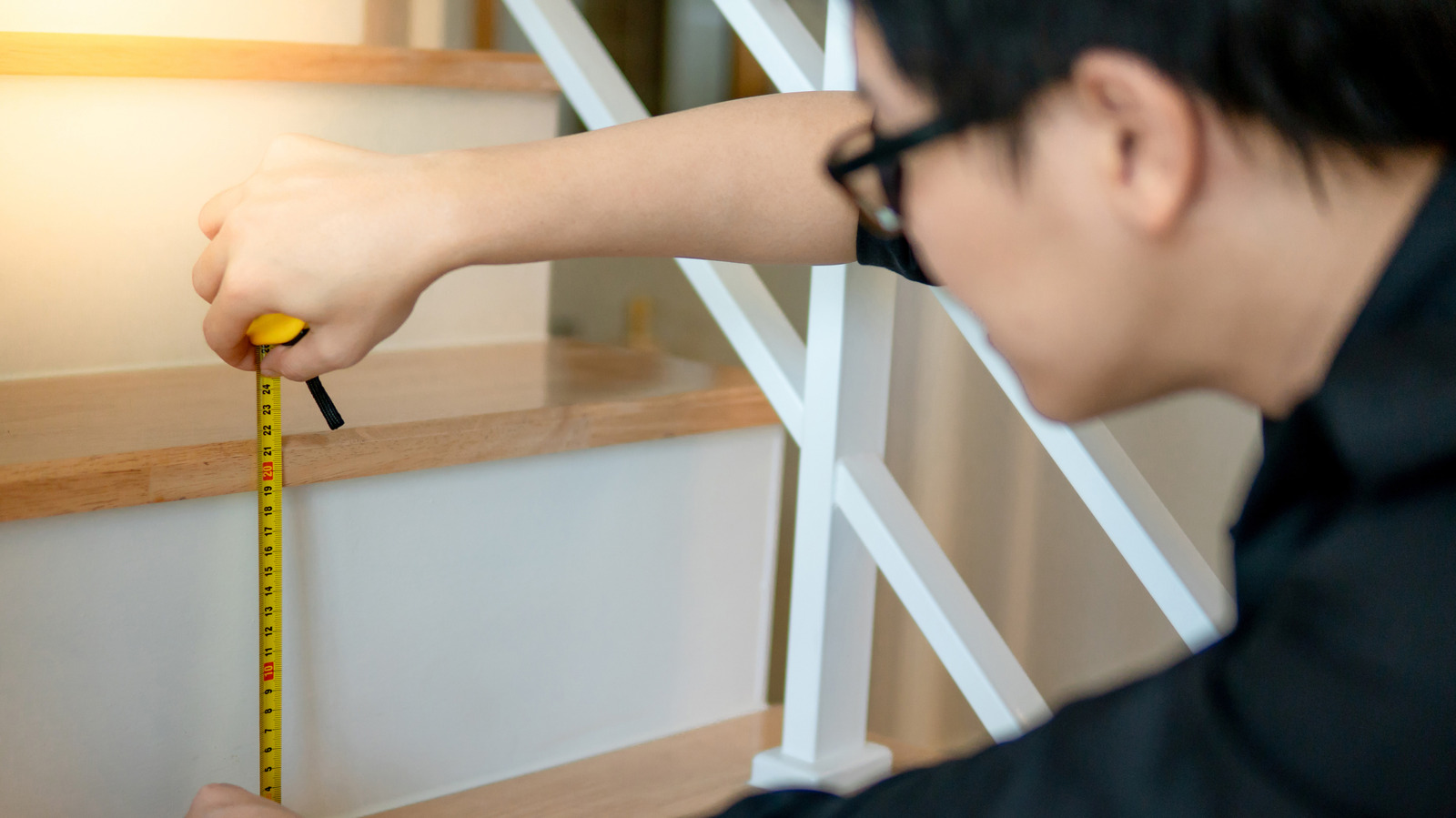
Mathematical Precision: Calculating Your Materials
One of the most common pitfalls in DIY flooring projects is underestimating the amount of material required. A failure to account for the depth of the tread and the height of the riser can result in a shortage of carpet, forcing you to buy a third runner or, worse, leaving a gap.
The Standard Calculation Formula
- Tread Depth: Typically 10 to 11.5 inches.
- Riser Height: Typically 7 to 7.75 inches.
- The "Nosing" Factor: If your stairs have significant rounded overhangs, add an extra 1 to 2 inches per step.
For a standard residential staircase, you should budget for roughly 19 inches of rug per step. To calculate the total length needed:
- Multiply 19 inches by the number of steps in your staircase.
- Add the height of one final riser to account for the landing.
- Always round up. For a standard 13-to-15 step basement staircase, you should expect to need between 22 and 26 feet of runner. If you are using two 10-foot rugs, you may find yourself short; it is often wiser to purchase three smaller rugs or two very long runners and trim to fit.
Supporting Data: Why This Budget DIY Wins
From an economic standpoint, the "runner and paint" method is an outlier in home improvement. Professional carpet installation for stairs typically begins at $500 and can easily exceed $1,500 depending on the quality of the carpet and the labor involved.
By contrast, the DIY approach breaks down as follows:
- Paint (1 Gallon): $40–$60
- Runner Rugs (Two 10-foot): $80–$120
- Carpet Pads: $30–$50
- Staple Gun & Staples: $20–$30
- Total Investment: ~$170–$260
This represents a cost savings of approximately 60–80% compared to professional services. Furthermore, using a patterned runner is a tactical design choice. Patterns—specifically those in medium-to-dark tones—are highly effective at masking the "traffic lanes" that develop over time on high-use stairs.
Implications for Home Value and Maintenance
While this project is primarily an aesthetic upgrade, it has tangible implications for home value and maintenance. Unfinished wood stairs are prone to wear, scratches, and damage. By sealing the exposed wood with high-quality paint and protecting the center of the treads with a carpet runner, you are effectively extending the lifespan of the staircase material.
From a real estate perspective, the "cleanliness" of an entry or transition point is a major factor in buyer perception. A bright, well-maintained staircase signals that the rest of the home has been cared for, potentially increasing the overall "move-in ready" appeal of a property.
Maintenance Tips for Your New Runner:
- Weekly Vacuuming: Use the upholstery attachment to get into the crevices where the runner meets the riser.
- Spot Cleaning: Because you have used a runner, you can theoretically replace just the rug if it becomes irreparably stained, without having to strip the paint or redo the stairs.
- The "Tug Test": Every six months, inspect the staples. In high-traffic areas, the constant pressure of footsteps can occasionally loosen the rug. A quick re-staple will keep the runner taut and prevent tripping hazards.
Conclusion: Empowering the Homeowner
The trend of upgrading basement stairs serves as a broader reminder that home improvement does not always require a contractor’s permit or a massive loan. By applying simple geometric logic—measuring twice and cutting once—and utilizing the right materials, the average homeowner can transform a basement entrance from a dark, neglected corner into a polished, inviting hallway.
Whether you choose a bold, geometric pattern to make a statement or a neutral, textured weave for a subtle, classic look, the key is consistency. When the paint is clean, the runner is taut, and the seams are hidden, the result is a staircase that feels as intentional as any other part of your home. It is a testament to the power of "sweat equity" and the idea that even the most utilitarian spaces deserve a touch of design excellence.
