

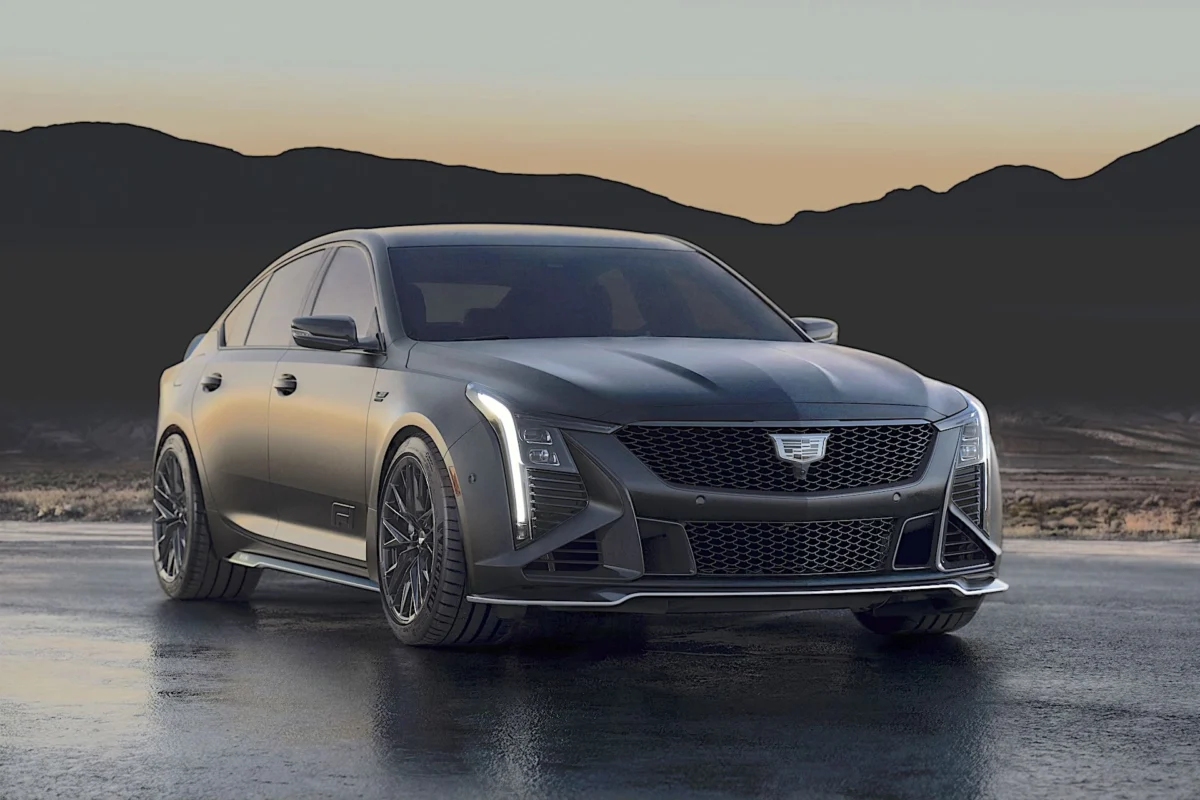
The automotive industry is currently navigating a period of profound transformation, characterized by the aggressive pursuit of electrification and the persistent, practical demands of the internal-combustion engine (ICE) market. In a move that signals a significant tactical recalibration, Cadillac has recently underscored its commitment to a dual-path strategy. By embracing both electric vehicles (EVs) and gasoline-powered models, the luxury marque is positioning itself to satisfy a diverse consumer base that, while increasingly interested in green technology, remains tethered to the convenience and familiarity of traditional powertrains.
The Strategic Shift: A Commitment to Choice
The recent declaration by Cadillac leadership marks a notable departure from the brand’s previous, more rigid trajectory toward an all-electric future. For years, the industry narrative—and Cadillac’s own internal planning—centered on an aggressive transition, with dealership networks being pushed to invest heavily in the infrastructure required to support a fully electric lineup.
However, in a recent social media statement, Cadillac’s leadership, represented by Aquilina, clarified the brand’s evolving philosophy. “We believe a strong portfolio can include both electric and internal-combustion vehicles, because choice matters,” Aquilina stated.
This pivot is more than just a marketing adjustment; it is a pragmatic recognition of market realities. While the allure of EVs continues to grow, infrastructure challenges, price sensitivity, and the specific use-cases of luxury SUV buyers necessitate a more nuanced approach. By maintaining a robust ICE portfolio alongside its burgeoning EV range, Cadillac is effectively hedging its bets, ensuring that its market share remains resilient regardless of how quickly the general public adopts battery-electric technology.
Chronology of a Transition
To understand the significance of this shift, one must look at the timeline of Cadillac’s recent corporate history.
2020–2022: The All-In Era: During this period, General Motors and Cadillac made headlines by announcing ambitious goals to phase out gasoline-powered light-duty vehicles. Cadillac dealers were incentivized—and in some cases, required—to invest in high-voltage charging stations, specialized technician training, and showroom upgrades to prepare for the arrival of the Lyriq and subsequent electric models.
2023: The Reality Check: As the global automotive market began to show signs of consumer hesitation regarding EV adoption rates, manufacturers across the spectrum began re-evaluating their timelines. High interest rates and lingering concerns regarding public charging infrastructure led to a cooling of the red-hot EV demand that had defined the previous two years.
Mid-2024: The Dual-Portfolio Strategy: Cadillac’s latest stance represents the culmination of this cooling period. The brand is now explicitly articulating that its future is not a binary choice between "gas" or "electric," but rather a comprehensive ecosystem of both. This acknowledges that the luxury buyer in particular demands versatility—the ability to choose a high-tech electric cruiser for city commuting or a powerful, long-range internal-combustion SUV for cross-country travel.
Supporting Data: Canadian Market Performance
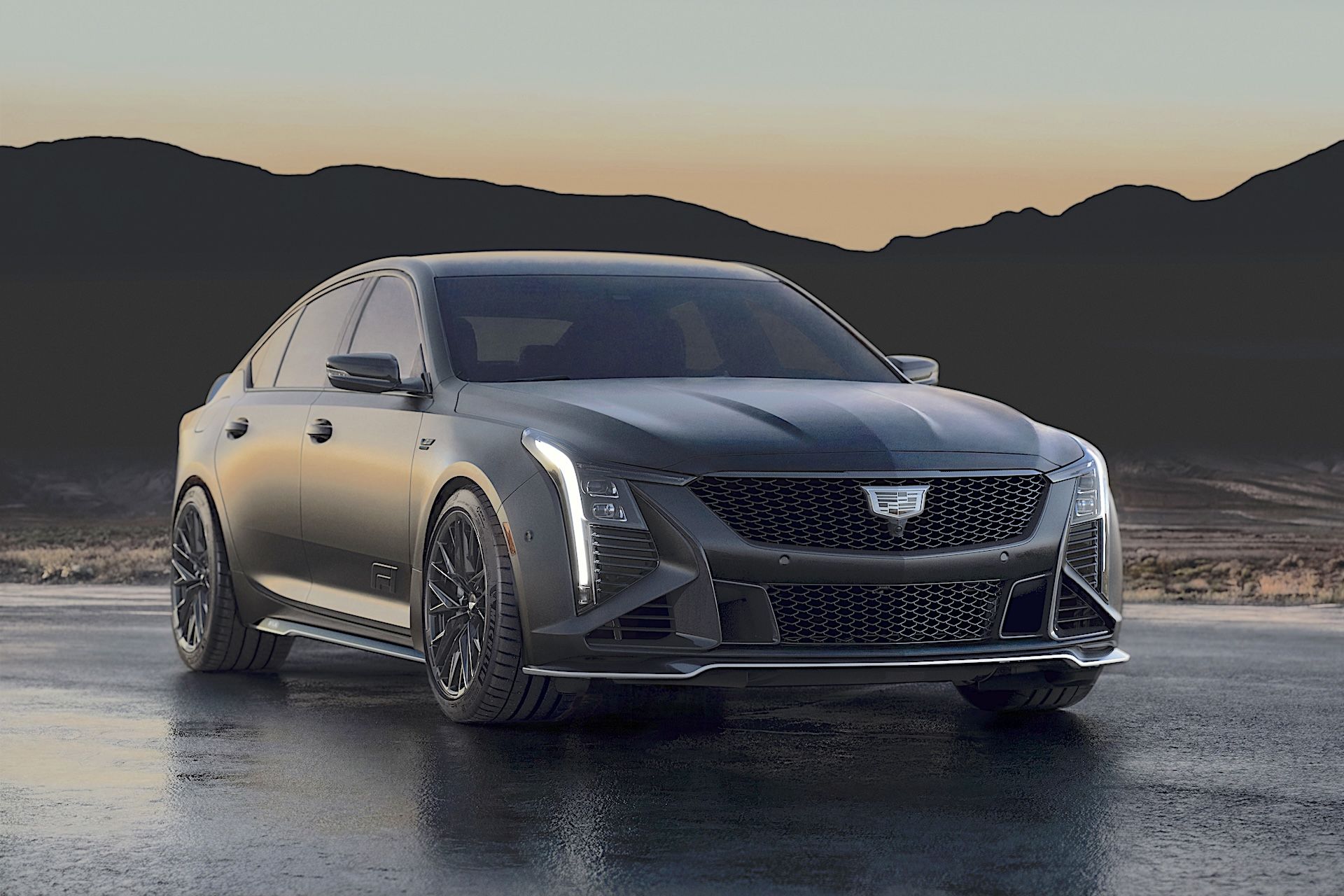
The efficacy of this balanced approach is reflected in the most recent sales data. In Canada, Cadillac has managed to maintain a positive trajectory despite the volatile macroeconomic environment. During the second quarter of this year, the brand saw a five per cent increase in sales compared to the same period in 2023, moving more than 5,300 units.
The data reveals an interesting split in consumer preferences:
- The Optiq SUV: Emerging as the brand’s volume leader, the Optiq accounted for 2,494 units sold. Its success suggests that while traditional models remain vital, there is a clear appetite for new, competitively priced electric options.
- The Broader Portfolio: The continued performance of established models, such as the XT6, demonstrates that the core, gas-powered lineup remains the bedrock of Cadillac’s revenue stream.
Across the entire General Motors portfolio in Canada, the company currently commands a 15.4 per cent market share. This stability is largely attributed to the company’s ability to move units across all segments—from the high-margin SUVs that Cadillac is famous for, to the entry-level EVs that are beginning to capture a younger, tech-focused demographic.
Official Responses and Industry Implications
The "choice matters" mantra has been met with cautious optimism by industry analysts. For years, the industry was criticized for moving too fast or too slow; Cadillac’s current position is being interpreted as a "Goldilocks" strategy—neither too aggressive nor too stagnant.
From the perspective of the dealer network, this is a welcome development. Dealers had expressed significant concern regarding the capital expenditure required to transition to an all-electric dealership model. By allowing for a mixed portfolio, Cadillac is relieving the immediate financial pressure on its retail partners, enabling them to focus on moving the inventory that customers are actually walking into the showroom to buy, rather than forcing a specific technology onto an unprepared consumer base.
Furthermore, this pivot has implications for the broader luxury segment. Competitors such as Mercedes-Benz and BMW have also had to soften their "EV-only" rhetoric in the face of shifting market demand. Cadillac’s leadership is essentially aligning itself with the rest of the premium market: providing luxury as the primary product, and the powertrain as a secondary—albeit important—selection.
The Role of the Internal-Combustion Engine
While the headlines are often dominated by battery technology, the internal-combustion engine is far from dead. Vehicles like the 2023 Cadillac XT6 Sport continue to offer the refinement, towing capacity, and ease of refueling that many luxury buyers prioritize.
The integration of advanced technology into these ICE vehicles—such as improved infotainment systems, driver-assistance suites, and mild-hybrid assistance—is allowing Cadillac to keep these models relevant. By refining the ICE experience rather than abandoning it, Cadillac ensures that it does not alienate its traditional, high-net-worth customer base.

Looking Forward: The "Choice" Ecosystem
What does this mean for the future of the automotive consumer?
The short-term future will be defined by the "hybridized" showroom. Consumers will increasingly see a Cadillac dealer that functions as a technology hub, offering the latest in electric propulsion alongside the refinement of traditional engineering. This approach effectively lowers the barrier to entry for the electric transition; a customer who is hesitant to commit to a full EV can purchase an ICE Cadillac today, with the expectation that their next purchase—perhaps three or four years down the road—will be a more seamless transition into an electrified model.
The strategy also allows for better supply chain management. By not being fully dependent on battery minerals and the specialized infrastructure required for EV assembly, the brand can maintain more flexible production lines. This resilience is critical in an era of global supply chain uncertainty.
Conclusion: A Mature Approach to Modern Luxury
Cadillac’s pivot is a mature response to a complex global landscape. By acknowledging that a strong portfolio requires both electric and internal-combustion vehicles, the brand is prioritizing the customer experience over dogmatic adherence to a single technological vision.
The data confirms that this is a winning strategy for the current moment. With sales climbing and a diverse range of vehicles that cater to different lifestyles, Cadillac is successfully navigating the "middle ground" of the automotive revolution. Whether it is the sleek efficiency of the Optiq or the proven capability of the XT6, Cadillac is betting that the best way to lead the future is to ensure its customers have the freedom to decide how they get there.
As the industry continues to evolve, the brands that succeed will likely be those that can master this delicate balance—proving that while the engine may change, the promise of luxury, performance, and choice remains a constant. For Cadillac, the message is clear: the road ahead is wide enough for both the spark and the combustion, and the driver remains firmly in the captain’s seat.
