

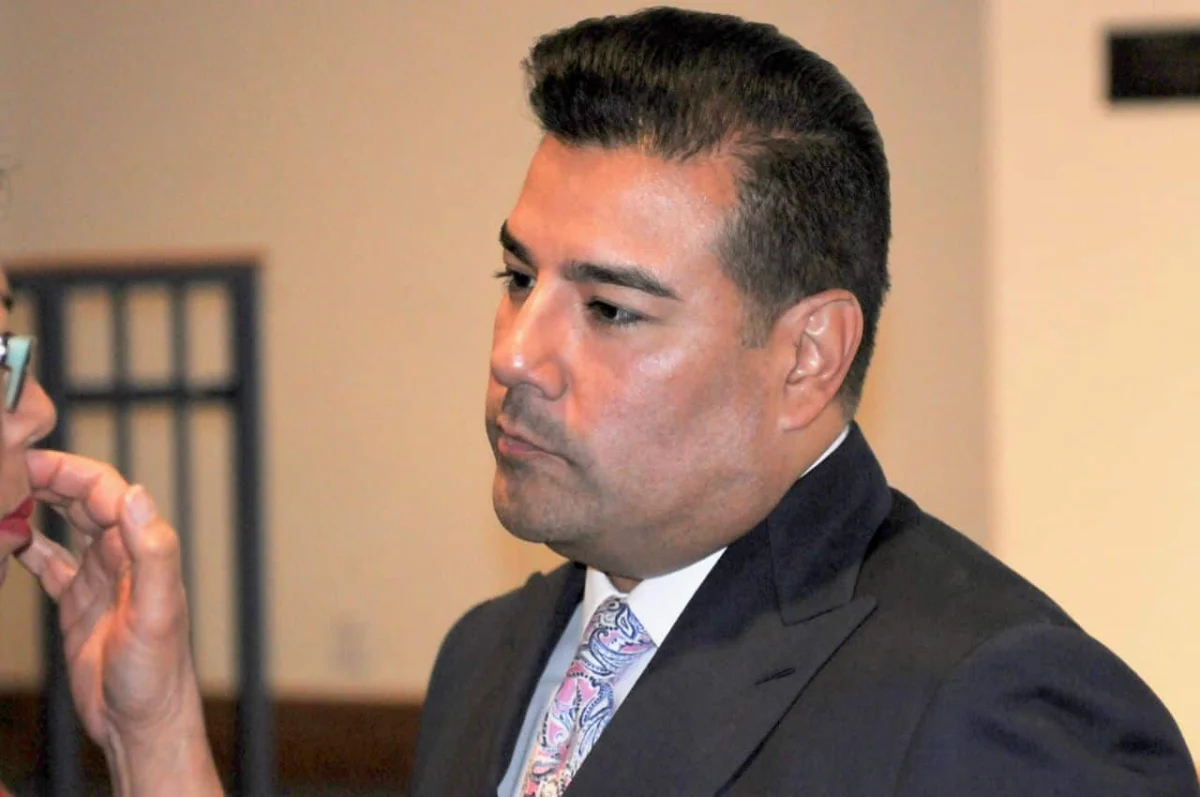
LOS ANGELES, CA — A quiet but profound shift in California’s regulatory landscape has sparked a firestorm between consumer advocates and the state’s Department of Insurance. At the heart of the conflict are new "intervenor regulations" enacted by Insurance Commissioner Ricardo Lara, which critics argue effectively dismantle the public participation rights enshrined in Proposition 103—the landmark 1988 voter initiative designed to rein in insurance company excesses.
By granting the Commissioner broad, subjective discretion to deny compensation for legal and actuarial work performed by consumer advocates, the new rules risk silencing the only entities standing between massive insurance conglomerates and the wallets of everyday Californians. As the state grapples with a volatile insurance market, the question of who guards the gatekeepers has never been more critical.
The Core Conflict: Participation as a Right vs. a Privilege
Proposition 103 transformed the California insurance market from a "take it or leave it" landscape into one where the public has a seat at the table. It provided every Californian with the right to intervene in Department of Insurance proceedings, challenge the Commissioner’s actions, and enforce the law. Central to this democratic check was the requirement that consumer representatives—who often spend thousands of hours and substantial resources dissecting complex actuarial data—receive "reasonable compensation" when they make a substantial contribution to an insurance matter.
Under the new regulations, however, the landscape has shifted. Consumer Watchdog, a non-profit advocacy group, warns that the Commissioner now possesses the authority to withhold reimbursement for these services after the work has already been completed.
“Proposition 103 gives Californians rights to participate in insurance ratemaking, and those rights do not depend on favors from the insurance commissioner,” says Will Pletcher, Litigation Director at Consumer Watchdog. “The Commissioner’s new rules threaten to turn voter-enacted rights into privileges the commissioner may grant or withhold at his whim.”
Chronology: From Landmark Protection to Regulatory Drift
The tension between the Department of Insurance and consumer advocates did not materialize overnight. To understand the current crisis, one must look at the historical trajectory of Proposition 103.
The 1988 Mandate
Voters passed Proposition 103 to end the unchecked power of insurance companies in California. It created the elected position of Insurance Commissioner and established the "intervenor" process, ensuring that when an insurance company asks to hike rates, they must justify that request in a public forum.
Decades of Success
For over 20 years, the system functioned through a predictable standard: if an advocate provided evidence that forced an insurance company to lower its requested rate, the advocate was reimbursed for their time and expertise. This created a high-efficiency oversight mechanism. Between 2002 and 2024, Consumer Watchdog interventions resulted in more than $6 billion in documented savings for policyholders.
The 2025 Turning Point
The current crisis reached a fever pitch in 2025, when the Department of Insurance denied compensation to both Consumer Watchdog and the Consumer Federation of California. The official justification cited the groups’ "adversarial" nature and their "sustained opposition" to Department policies. Critics argue that this rejection signals a move toward a system where advocacy is only tolerated if it aligns with the Commissioner’s agenda—a direct contradiction of the spirit of Proposition 103.
Supporting Data: The Efficiency of Intervention
The economic argument for robust consumer intervention is compelling. Data shows that the cost of these interventions is remarkably low compared to the billions returned to the pockets of California residents.
- The Return on Investment: For every $100 saved for policyholders through these interventions, the cost of the legal and actuarial work performed was less than 25 cents. This represents a return of approximately 400 to one.
- Selective Engagement: Contrary to the narrative that advocates are "obstructionist," the data shows that intervention is an extreme rarity. In 2024 alone, the California Department of Insurance (CDI) approved more than 4,000 insurance filings. Over the previous 21 years, Consumer Watchdog challenged only about 160.
- The State Farm Case Study: A primary example of why this system matters is the recent State Farm rate proceeding. The insurer sought massive increases: 30% for homeowners, 52% for renters, 36% for condos, and 38% for rental dwellings. Due to Consumer Watchdog’s intervention, the final rates were drastically reduced—homeowners saw a 17% rate (no increase over the emergency rate), and renters saw an increase of less than 1%. This intervention saved consumers approximately $530 million, including interest-bearing refunds and protections for wildfire survivors.
The Imbalance of Power: Insurers vs. The Public
One of the most alarming aspects of the new regulations is the asymmetry they create between corporations and the public.
Insurance companies, when appearing before the Department, are permitted to spend unlimited funds on attorneys, actuaries, lobbyists, and consultants. These expenses are not merely an internal cost; they are passed directly to policyholders as part of the insurer’s "cost of doing business."
Under the new rules, the playing field is tilted even further:
- Staffing Limits: Consumer representatives now face arbitrary limits on the resources they can dedicate to a case.
- Retrospective Second-Guessing: The Commissioner can deny reimbursement after the work is complete, based on vague or subjective interpretations of what constitutes a "substantial contribution."
- Concealment of Costs: The new regulations eliminate the requirement that an insurer disclose its own legal spending during a rate proceeding. Consequently, insurers can shield their massive expenditures while simultaneously lobbying the Commissioner to reject the modest costs incurred by consumer advocates.
Implications: A Future Without Watchdogs?
The implications of these rules extend far beyond a few legal fees. If the risk of non-payment becomes too high, professional consumer advocates will be forced to retreat from the field.
“That could make the right to participate practically meaningless,” Pletcher warns. “Consumer advocates must commit thousands in time and expertise to understand complex insurer rate applications, without knowing whether the commissioner will later deny reimbursement for vague or subjective reasons. The predictable result will be fewer professional consumer advocates in insurance proceedings, leaving insurers and their armies of lawyers unopposed.”
Without the counterweight of intervenors, the Department of Insurance risks becoming a "captured" agency, where the pressure from industry lobbyists becomes the only voice in the room. This effectively strips the public of their right to scrutinize the math behind their premiums.
Toward a Resolution: Restoring Public Trust
As California faces a precarious insurance market defined by climate change, rising wildfire risks, and economic volatility, the need for transparent, adversarial oversight is greater than ever.
Consumer advocates are calling for a fundamental repair of the current regulatory framework. According to Pletcher, the next steps must include:
- Predictable Compensation: Establishing clear, objective standards for what constitutes a "substantial contribution" that cannot be overridden by the Commissioner’s political preferences.
- Independent Review: Moving the decision-making process for intervenor compensation away from the Commissioner to ensure impartiality.
- Prompt Decisions: Mandating that requests for compensation be handled in a timely manner, preventing the "financial death by a thousand cuts" that results from prolonged administrative uncertainty.
- Non-Retaliation: Explicitly prohibiting the Commissioner from using "adversarial" behavior or policy disagreements as grounds for denying payment.
Without these reforms, California’s insurance landscape risks a return to the pre-1988 era, where the public was a bystander in their own financial security. The battle over these regulations is not just about a few legal bills; it is a battle for the integrity of the democratic process in the nation’s largest insurance market.
As the regulatory dust settles, one truth remains: the rights created by Proposition 103 were designed to protect policyholders from being overwhelmed by the insurance industry. If the system for funding that protection is destroyed, the public will once again find itself without a voice, leaving the insurance giants to dictate the price of coverage in a vacuum of accountability.
