

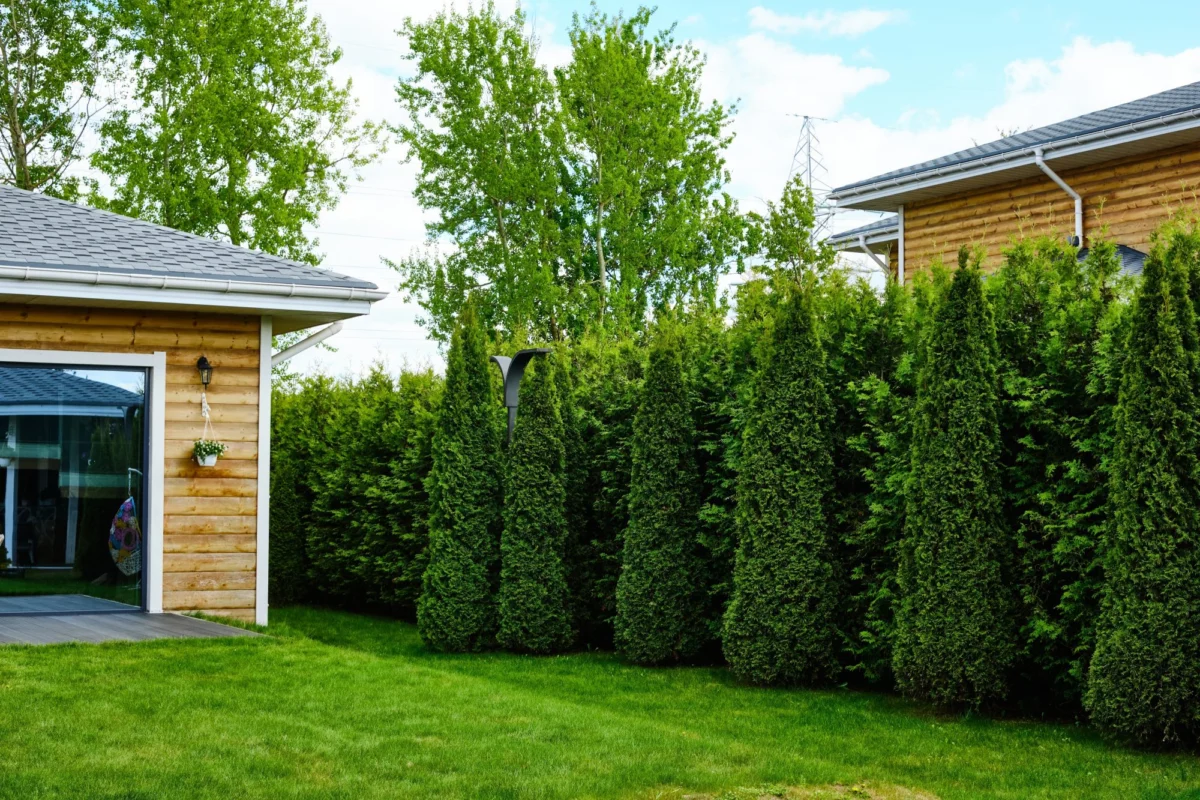
As the crisp air of autumn settles in and the vibrant canopy of summer begins to thin, many homeowners find themselves facing an unexpected seasonal dilemma: the "fishbowl effect." With leaves falling and natural screens thinning, the privacy once afforded by lush summer foliage vanishes, leaving backyards exposed to the prying eyes of neighbors and passersby. For those who cherish their outdoor living spaces as private retreats for morning coffee, evening cookouts, or quiet moments with a book, this loss of seclusion can feel like a breach of sanctuary.
However, achieving privacy does not have to mean walling yourself in with imposing, industrial-grade fencing that stifles the flow of light and air. In fact, modern landscape design emphasizes "soft" privacy—solutions that provide a visual buffer while maintaining an airy, organic connection to the environment. Whether you are looking to block a specific sightline or cultivate a total perimeter shield, there are sophisticated, aesthetic strategies to reclaim your backyard without sacrificing the open feel of your property.
The Seasonal Challenge: Why Autumn Changes the Landscape
The shift in seasons serves as a stark reminder of the limitations of deciduous landscaping. During the peak of summer, trees and shrubs act as living walls, effectively obscuring neighbors’ views. As temperatures drop and trees enter dormancy, the structural reality of your yard is exposed.
"The best way to create privacy from a design standpoint is to select evergreen trees strategically for their height and to create a layered privacy barrier," notes Ward Dilmore, founder and head landscape designer at Petrus Landscaping in San Francisco, California. By understanding the seasonal evolution of your garden, you can pivot from passive seasonal screening to a permanent, year-round solution that stands resilient against the elements.
1. The Power of Evergreen Architecture
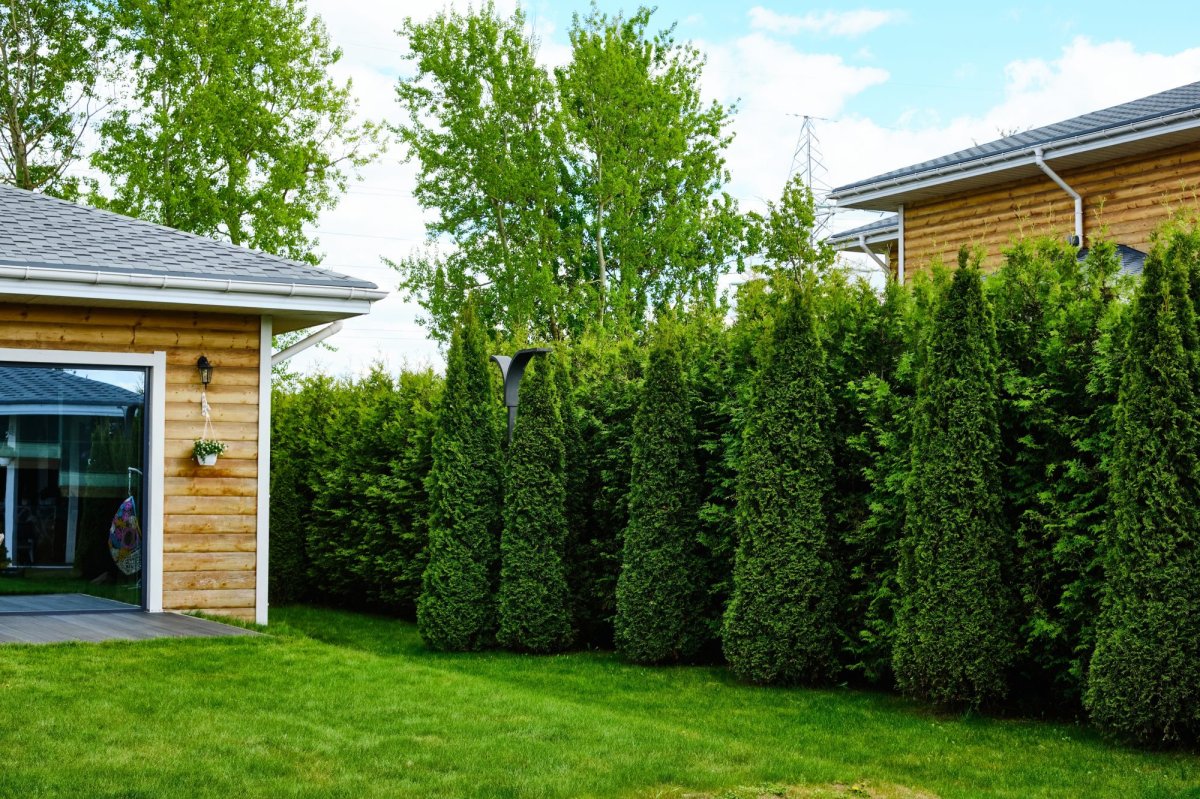
If your goal is a permanent, natural barrier that requires minimal maintenance, evergreen selection is your most effective tool. Unlike deciduous species that drop their leaves, evergreens retain their foliage throughout the winter months, ensuring that your privacy is never compromised by the calendar.
Selecting the Right Species for Your Region
The effectiveness of a living wall depends heavily on regional suitability. Mirela Bajic, senior garden designer at House Designer in London, suggests that specific varieties offer different textures and densities:
- For the West Coast: Consider Pittosporum, English Laurel, or native oaks, which thrive in temperate climates and offer thick, waxen leaves that provide excellent sound dampening and visual cover.
- For the East Coast and Northern Climates: Hardier conifers such as Spruce, Pine, and Fir are indispensable. They offer a rugged, vertical structure that can withstand harsh winters while maintaining a dense, deep green hue.
- The Classics: Boxwood, Juniper, and Cypress remain the gold standard for formal hedging. These can be shaped into tight, manicured walls or allowed to grow into taller, more natural forms depending on your aesthetic preference.
The Art of Layering: A Professional Approach
One of the most common mistakes in residential landscaping is planting a single row of uniform trees. This creates a monotonous look and, if one tree fails, a significant gap in your screen. Professionals advocate for a "layered" approach.
- The Anchor Row: Plant large privacy trees (like Arborvitae or Leyland Cypress) at the back. These provide the necessary height to block second-story views.
- The Mid-Level Screen: In front of the tall trees, install a row of medium-sized, flowering, or dense shrubs. This fills the "eye-level" gap where most neighborly sightlines occur.
- The Foreground: Complete the border with garden beds, perennials, or ornamental grasses. This adds visual interest and softens the transition from the manicured lawn to the privacy barrier.
2. Structured Elegance: Trellises and Pergolas
Sometimes, you cannot afford to wait years for trees to mature. For homeowners seeking immediate results, structural elements provide a sophisticated alternative to living hedges.
The Versatility of the Trellis
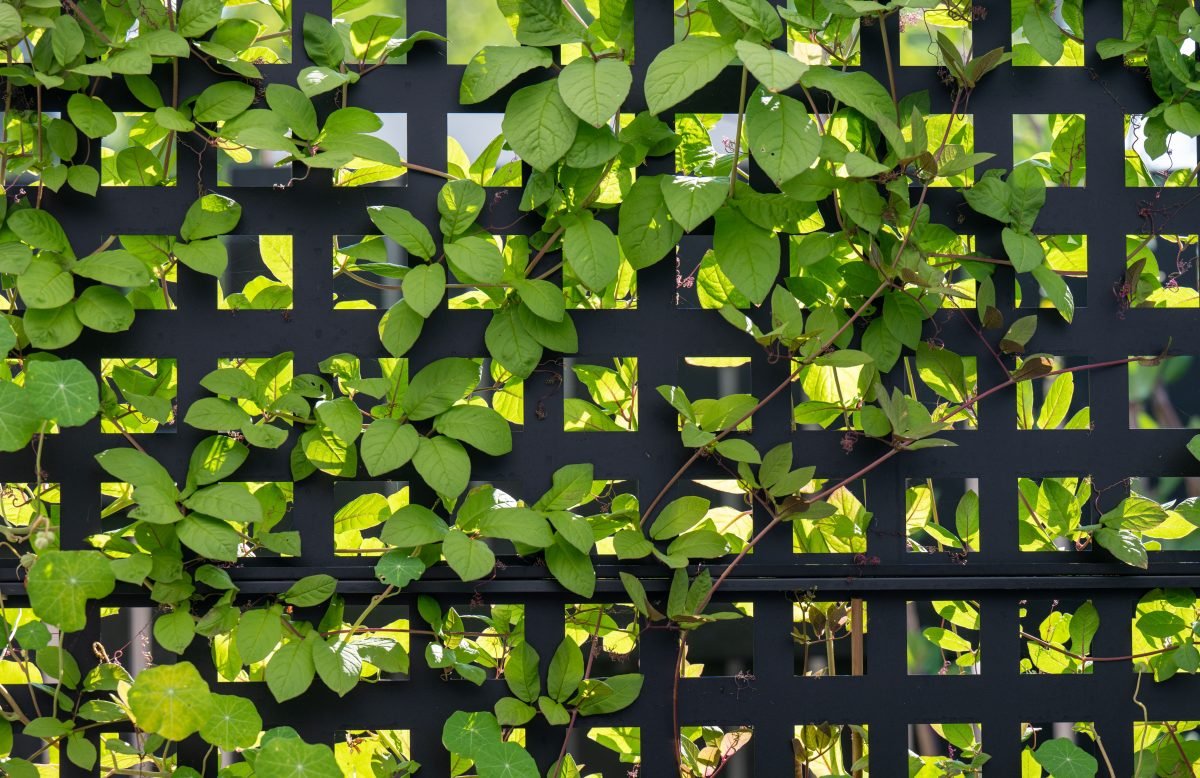
A trellis is more than just a support for climbing plants; it is an architectural feature that defines space. By installing a high-quality wood or metal trellis, you can instantly break up a direct line of sight. These structures are highly versatile, available in various configurations—from fixed panels attached to existing fences to freestanding units that can be placed exactly where they are needed most.
The aesthetic beauty of a trellis lies in its transparency. By choosing designs with open grids, you allow for wind circulation and filtered light, preventing the "boxed-in" feeling associated with solid privacy walls. Over time, as climbing vines such as Clematis, Ivy, or even edible varieties like Hops or Beans fill in the grid, the trellis evolves from a structural element into a lush, living screen.
The Pergola: Creating an Outdoor Room
Pergolas offer a more substantial, room-like feel. By extending the architecture of your home into the yard, a pergola creates a defined "ceiling" and "walls" for your patio area. To maximize privacy, focus on the following enhancements:
- Privacy Slats: Install horizontal or vertical slats on the sides of the pergola to block views from neighboring yards.
- Outdoor Curtains: Weather-resistant curtains provide a luxury resort feel and offer the flexibility to open or close the space at will.
- Integrated Lattice: Incorporating lattice panels into the rafters or side beams allows for the integration of climbing plants, creating a verdant, secluded oasis.
3. The Modern Solution: Standalone Privacy Screens
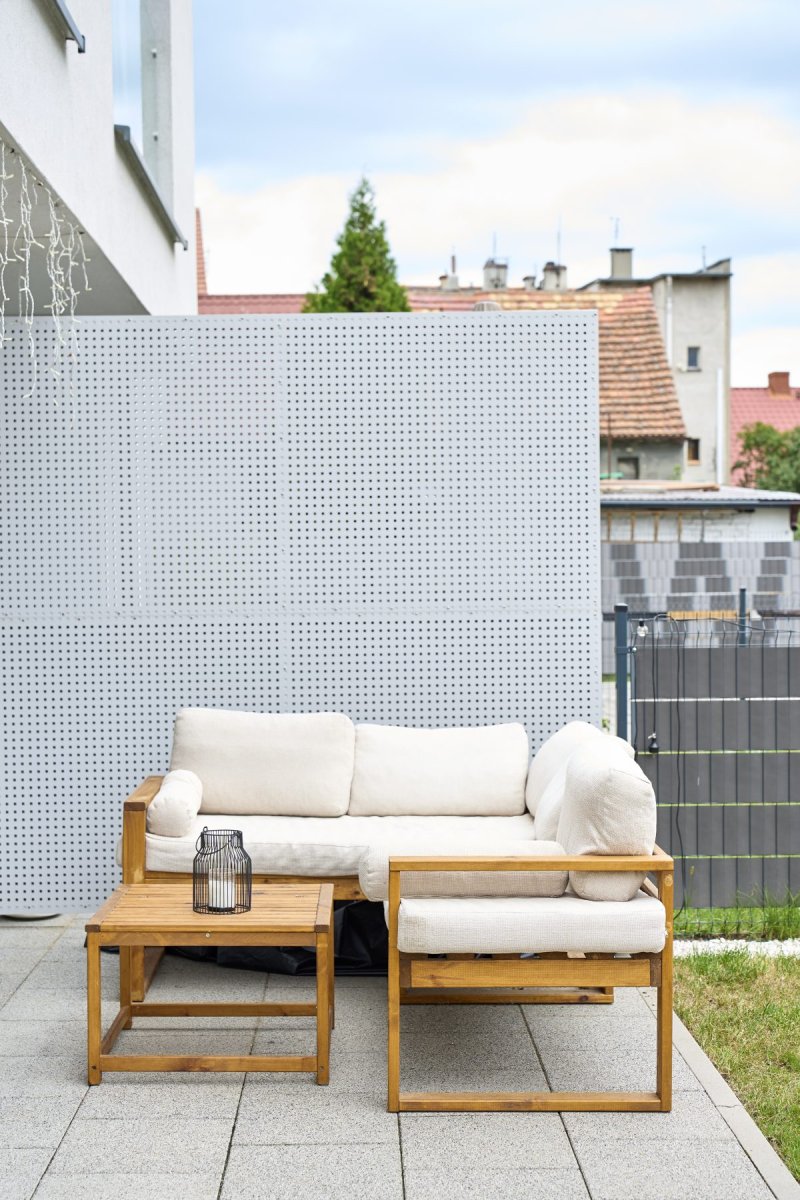
In urban and suburban environments where space is at a premium, a standalone privacy screen may be the most efficient solution. Modern design has moved far beyond the basic lattice of the past. Today’s market offers screens crafted from powder-coated aluminum, laser-cut steel, sustainable bamboo, and reclaimed timber.
Strategic Placement for Maximum Impact
The beauty of a standalone screen is its mobility. Unlike a row of trees, a screen can be moved as your needs change. Use them to:
- Zone the Yard: Use a screen to separate a dining area from a grilling station or a hot tub.
- Masking Specific Views: If you only need to block a view of a neighbor’s driveway or an AC unit, a single, well-placed screen is far more cost-effective than a landscape-wide overhaul.
- Living Walls: Many modern screens feature integrated planters. By planting cascading greens or vertical herbs, you turn your privacy shield into a productive and beautiful garden feature.
Supporting Data and Industry Trends
According to recent landscape design surveys, the demand for "multi-functional outdoor spaces" has risen by 35% over the last three years. Homeowners are no longer satisfied with simple grass lawns; they are looking for "outdoor rooms" that mirror the functionality of indoor living spaces.
Data indicates that properties with well-designed, mature landscape screening can see a valuation increase of up to 10-15%. Beyond the financial implications, the mental health benefits of having a private, secluded garden space cannot be overstated. A sense of enclosure fosters relaxation, reduces stress, and encourages homeowners to spend more time outdoors, ultimately increasing the return on investment for their property.
Implications for Long-Term Maintenance
While the aesthetic benefits are clear, it is essential to consider the implications of your chosen privacy solution.
- Planting Costs: Evergreens, while effective, require consistent watering and annual pruning to maintain their density. Neglected hedges can become leggy and unsightly.
- Structural Maintenance: Wood structures like pergolas and trellises require periodic sealing or staining to prevent rot and weather damage. Metal screens, conversely, offer a lower-maintenance alternative but may require occasional cleaning to maintain their finish.
- Legal Considerations: Before installing large structures or planting trees along property lines, always consult your local zoning ordinances and HOA guidelines. Some municipalities have strict height limits on structures, and planting too close to a property line can lead to disputes regarding root encroachment or branch overhang.
Expert Recommendations for Success
To ensure the longevity of your privacy project, consider these expert tips:
- Start with the "View-Shed": Spend time in your yard at different times of the day. Identify exactly where the privacy breach is occurring. You may find that you only need a screen in one specific corner, rather than a full-yard barrier.
- Plan for Growth: If opting for living privacy, research the mature size of your plants. It is tempting to plant closely for "instant" privacy, but overcrowding will lead to poor air circulation, disease, and the eventual death of your plants.
- Invest in Quality Materials: Whether you are buying a pergola or a privacy screen, choose materials that are rated for your local climate. Investing in high-grade cedar, pressure-treated lumber, or architectural-grade metal will save you significant repair costs in the long run.
Conclusion
Reclaiming your backyard sanctuary from the exposure of the thinning autumn landscape is a project that balances art and science. By blending the organic beauty of evergreens, the architectural structure of pergolas and trellises, and the modern utility of decorative screens, you can create a space that feels both open and entirely your own.
Privacy is not merely about exclusion; it is about creating a deliberate, curated environment where you can disconnect from the outside world and reconnect with your home. With the right strategy and a bit of planning, your backyard can transition from a public space into a private, year-round haven.
