

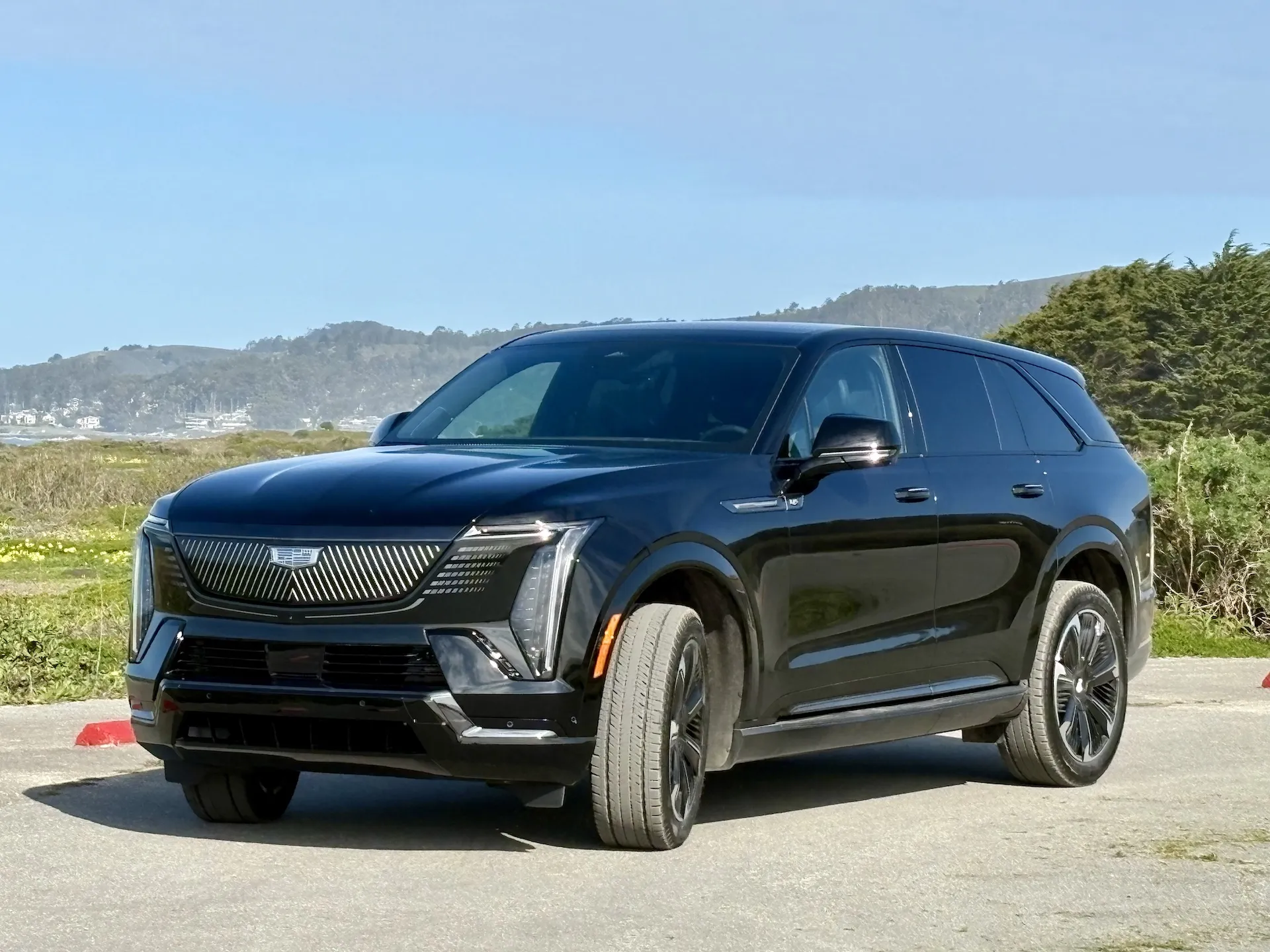
For over two decades, the Cadillac Escalade has occupied a singular position in the automotive landscape. It has been the undisputed king of the valet line, a staple of red-carpet arrivals, and the preferred vessel for those whose definition of "hardship" is limited to a slow hotel Wi-Fi connection. Historically, the Escalade was defined by the formula that birthed it: massive proportions, large-displacement V-8 engines, an abundance of chrome, and a sticker price that commanded respect.
However, the automotive world is shifting beneath the Escalade’s 24-inch wheels. In an era where legacy manufacturers are racing to catch up to the electrified disruption pioneered by companies like Rivian and Tesla, the "business-as-usual" approach was no longer sustainable. Enter the 2025 Cadillac Escalade IQ—a vehicle that retains the iconic nameplate but represents a fundamental departure from everything that preceded it.

The Paradigm Shift: Redefining an Icon
The "IQ" suffix is more than just a nod to the vehicle’s electric nature; it signifies a smarter, more calculated approach to the full-size SUV segment. While the internal combustion Escalade has always been a product of traditional brute force, the IQ is a product of engineering finesse.
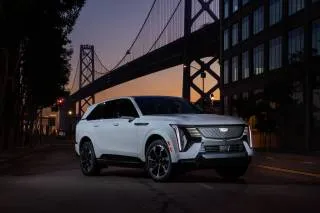
Sharing little more than a name with its gas-powered stablemate, the Escalade IQ is built upon a dedicated electric architecture shared with other high-end General Motors electric trucks and SUVs. It represents the pinnacle of Cadillac’s transition into the "Zeppelin era" of design and technology—a move away from the boxy, utilitarian shapes of the 20th century toward a sleek, aerodynamic, and tech-forward aesthetic. With a claimed range that positions it at the front of the electric SUV pack, just edging out the forthcoming Lucid Gravity, the IQ is not merely an adaptation; it is a declaration of intent.
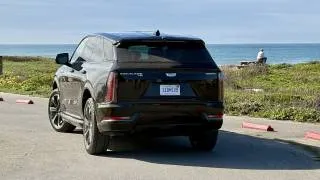
Chronology of the Electric Transition
The journey to the Escalade IQ was neither swift nor impulsive. It was the culmination of years of development within General Motors’ "Ultium" battery platform initiative.
- The Conceptual Foundation: GM began signaling its intent to electrify its flagship SUV line years ago, recognizing that the Escalade’s customer base would eventually demand the refinement of an electric powertrain.
- Architectural Development: Unlike previous efforts that involved "electrifying" existing chassis, the IQ was developed from the ground up to utilize a skateboard-style EV platform, allowing for a lower center of gravity and optimized cabin space.
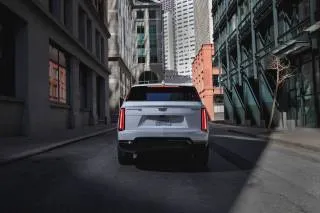
- Design Iteration: Cadillac’s design team spent significant time refining the aerodynamic profile. The goal was to maintain the commanding presence of an Escalade while achieving a 15% reduction in the coefficient of drag compared to the gasoline version, a critical metric for maintaining efficiency in a vehicle of this mass.
- Market Launch: The 2025 model year marks the official arrival of the IQ, arriving in showrooms with a tiered trim strategy (Sport and Luxury) designed to capture the attention of both traditional luxury buyers and the new generation of tech-forward high-net-worth individuals.
Performance: The Power of the Glide
To drive the Escalade IQ is to experience a jarring contrast between the vehicle’s sheer size and its surprising agility. Underpinned by a massive, estimated 205-kwh battery pack, the dual-motor all-wheel-drive system produces up to 750 horsepower and 785 lb-ft of torque.
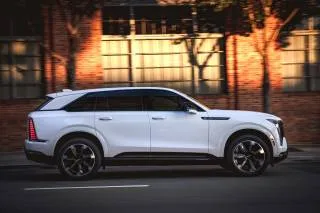
In a world obsessed with "WTF" modes and aggressive acceleration, the Escalade IQ takes a more sophisticated path. While it can sprint to 60 mph in a blistering 4.8 seconds—thanks to its "Velocity Max" drive mode—its true character is found in its composure. The vehicle utilizes fourth-generation magnetically controlled dampers paired with a four-corner air suspension system. The result is a ride that effectively "glides" over imperfections, isolating the cabin from the harsh realities of poorly maintained infrastructure.
The performance is bolstered by standard rear-wheel steering, which serves as a technological cheat code, allowing the massive SUV to pivot through urban tight spots with the turning radius of a much smaller vehicle. The ability to raise the ride height by an inch or lower it by two inches further enhances its versatility, balancing the needs for ground clearance against the requirements for high-speed aerodynamic efficiency.
Supporting Data and Technical Specifications
The technical specifications of the 2025 Escalade IQ reflect the sheer scale of the engineering required to move a 9,000-pound luxury vehicle with such grace:
- Battery Capacity: Estimated 205-kwh (usable).
- Performance: 750 hp / 785 lb-ft (Velocity Max).
- 0-60 MPH: 4.8 seconds.
- Towing Capacity: 8,000 lbs.
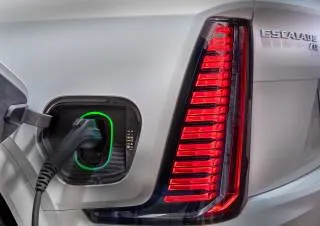
- Charging: 800-volt architecture capable of adding 100 miles of range in just 10 minutes on a 350-kw DC fast charger.
- Dimensions: 224.3 inches in total length, with a wheelbase exceeding the Cadillac Escalade ESV by 2.1 inches.
- Interior Volume: 119.2 cubic feet of passenger space.
The vehicle’s charging capabilities also extend beyond the road. GM is currently piloting home-energy solutions that integrate the Escalade IQ into a vehicle-to-grid (V2G) ecosystem, allowing the car to act as a massive battery backup for a residence—a feature currently being tested in the California market.
Official Stance and Strategic Vision
General Motors has positioned the Escalade IQ as the definitive answer to the question of whether luxury can coexist with sustainability. In official communications, Cadillac emphasizes that the IQ does not compromise. While some critics point to the slight reduction in total interior volume compared to the gasoline-powered ESV—due to the packaging of the battery pack and electric motors—Cadillac maintains that the trade-off is necessary for the superior driving dynamics and the inclusion of the "frunk" (front trunk), which provides 12.2 cubic feet of additional storage.
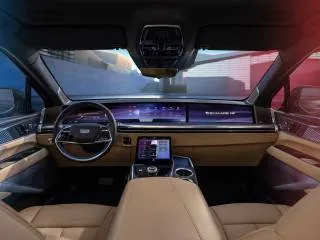
Cadillac’s decision to omit Apple CarPlay and Android Auto in favor of a proprietary Google-integrated system has been a point of contention. However, the company argues that this integration allows for a more seamless experience across the vehicle’s massive 55-inch pillar-to-pillar display. By controlling the entire software stack, Cadillac aims to offer a more immersive, "Cadillac-native" experience that can be updated via over-the-air (OTA) patches.

The Interior Experience: Luxury or Limitation?
Stepping inside the IQ reveals a cabin that is undeniably striking. The 55-inch display is the centerpiece, complemented by ambient lighting that cascades through slatted "rain" trim on the door panels. The build quality is largely premium, featuring materials that feel substantial, though some testers have noted that certain trim pieces exhibit minor flexing under pressure.
The third row remains the most debated aspect of the interior. While the first two rows offer unrivaled comfort, the third row is better suited for occasional use rather than long-distance hauling. The space is slightly compromised by the vehicle’s architecture, which moves the passenger cell back over the wheels to accommodate the electric drivetrain. Despite this, the inclusion of an executive rear-seat package—which adds a console between the middle-row captain’s chairs—elevates the experience for those who prefer to be driven rather than drive.
Future Implications: The Road Ahead
The launch of the Escalade IQ serves as a bellwether for the entire luxury SUV segment. If the market embraces this electric transition, it will validate the massive R&D expenditure GM has poured into its platform.
The lack of Dolby Atmos in the initial 2025 model year—a feature already slated for the 2026 update—suggests that the IQ will remain a living, breathing product. As software updates roll out and the home-energy ecosystem matures, the vehicle’s utility will only increase.
However, the implications go beyond the car itself. By pricing the IQ in the $130,000 to $160,000 range, Cadillac is daring its core demographic to make the leap. They are betting that the prestige of the Escalade name, combined with the undeniable benefits of electric propulsion, will outweigh the attachment to the V-8 engine.
As we look toward the 2026 model year and the arrival of the extended IQL, the message is clear: the age of the chrome-laden, fuel-hungry, internal-combustion SUV is not necessarily over, but it has officially been given a smarter, more efficient, and undeniably more sophisticated successor. The Escalade IQ is not just a car; it is a high-voltage statement that even the most traditional of icons must eventually evolve to survive the future.
