


Discord, the platform that revolutionized how communities communicate in real-time, is undergoing a profound structural evolution. For years, the service was defined by its "walled garden" approach—a series of private, invitation-only, or community-gated spaces that existed largely outside the reach of traditional web crawlers. However, that era is drawing to a close. In a significant policy shift aimed at increasing the discoverability of its vast network of communities, Discord has announced that messages from its "Discoverable Servers" will soon be indexed by search engines like Google.
This move marks a departure from Discord’s traditional privacy-first identity, positioning the platform more as a public-facing knowledge base similar to Reddit or specialized internet forums. While the update aims to help users find niche communities and information more efficiently, it has sparked a complex debate regarding the balance between accessibility and user anonymity.
The Core Transformation: Public Indexing and Server Web Pages
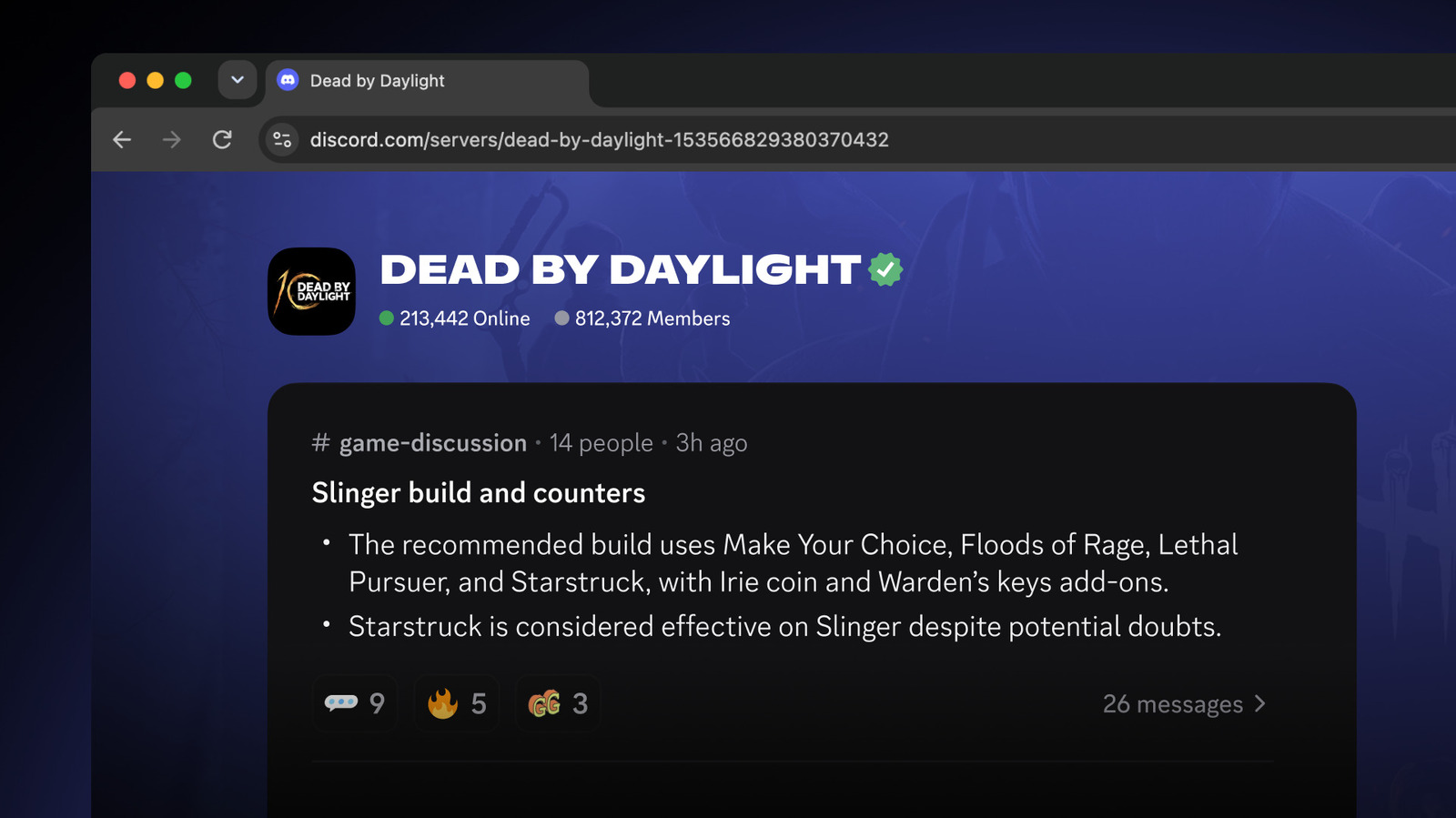
Starting November 16, Discord began rolling out "Server Web Pages" for all servers categorized under its "Discoverable" banner. These pages are designed to act as digital front doors for communities. They provide a high-level overview of the server, including descriptions, member counts, and, crucially, summaries of ongoing discussions within public channels.
By mid-December, this initiative expands further. Discord intends to enable search engine indexing for these channels. This means that if a user asks a specific question about a game, a coding problem, or a hobby on a public Discord server, that conversation could potentially appear as a direct search result on Google or Bing.
According to Discord’s official blog post regarding the update, the goal is to bridge the gap between private community knowledge and public search utility. By surfacing this content, Discord aims to become a more integral part of the "open" internet. Notably, while the text of the messages will be displayed, Discord has confirmed that the author’s username and avatar will be stripped from the data, attempting to maintain a degree of pseudonymity even as the content itself becomes public.
A Chronology of the Policy Shift
The transition to a more public-facing platform did not happen overnight. To understand the gravity of this change, it is helpful to look at the timeline of Discord’s evolution:
- The Early Years (2015–2019): Discord focused on private, invite-only servers. Search engines could index the platform’s landing page, but the internal "meat" of the servers remained inaccessible to crawlers.
- The Introduction of "Discoverable" Servers (2020): As the platform grew, Discord launched the "Discoverable" feature, allowing servers with over 1,000 members to appear in a public directory within the app, provided they met strict community guidelines.
- The November 2023 Announcement: Discord confirmed the rollout of Server Web Pages, effectively pushing the walls of the garden outward to the wider web.
- The Mid-December Integration: The slated date for full search engine indexing, marking the point where internal channel conversations become part of the global SEO (Search Engine Optimization) landscape.
Supporting Data and Technical Implementation
The scope of this change is limited to "Discoverable Servers"—those large, public-facing communities where no invitation is required to join. This is a crucial distinction. Private servers, Direct Messages (DMs), and Group DMs are explicitly excluded from this policy and will remain private.
The Mechanism of Opt-Outs
Discord has implemented a multi-layered opt-out system to address potential privacy blowback:
- For Administrators: Server owners have the power to opt out specific channels from being included in their web presence.
- For Users: Individuals can navigate to their "Data and Privacy" settings to prevent their specific posts from being indexed by search engines.
- Regional Variations: In the EU, UK, Canada, Brazil, Australia, and South Korea, the feature is disabled by default to comply with stricter regional data protection regulations (such as GDPR). In these regions, users must manually opt-in if they wish for their content to be searchable.
- Age-Gated Protections: Discord has confirmed that teen users are strictly excluded from this feature. Their messages will not be indexed, and they are not provided the option to toggle this setting on, ensuring a layer of protection for minors on the platform.
Official Responses and Rationale
Discord’s rationale centers on the concept of "discoverability." In their public communication, the company highlighted that many users currently turn to Discord to find answers to specific technical or hobby-related questions. However, because those answers are locked behind a server-specific login wall, the information is often lost to the broader internet.
"We want to make it easier for people to find the communities and information they are looking for," a Discord representative noted. By indexing these conversations, Discord argues that it is helping preserve the "collective wisdom" of its communities, allowing a user searching for a fix for a Minecraft mod or a specific coding error to find the exact answer in a Discord thread without needing to join the server first.
However, the company has had to navigate this change carefully. Having recently faced significant backlash regarding its age-verification policies, Discord is acutely aware of the sensitivity surrounding user data. The decision to strip usernames and avatars from the indexed content is a direct response to anticipated privacy concerns, aimed at decoupling a user’s permanent identity from their searchable public statements.
Implications: The Web, Privacy, and the Future of Discord
The shift toward searchability has far-reaching implications for the internet ecosystem.
The "Reddit-ification" of Discord
For years, Reddit has been the primary beneficiary of "search-driven" community traffic. When users search for a solution, a Reddit thread is usually the first result. By enabling search indexing, Discord is positioning itself to compete directly with Reddit as a repository of human-curated information. If the indexing proves successful, it could fundamentally alter the way we search for niche information online.
The Privacy Trade-off
Despite the safety measures in place, the change creates a "privacy paradox." Users who have grown comfortable in Discord’s semi-private environment may now find their comments—which were written with the assumption of a limited, community-only audience—appearing on public search engines. Even without a username attached, the context of the message, the topic discussed, and the specific phrasing could still potentially deanonymize a user to those who know them.
The Burden on Users and Admins
The reliance on an "opt-out" model in many regions places the burden of privacy on the user. For the average, non-technical user, navigating the "Data and Privacy" settings to ensure their comments remain private may be an insurmountable hurdle. This creates a risk where the "default" state of the internet becomes increasingly public, regardless of the user’s original intent when they hit "send."
The Regulatory Landscape
The fact that Discord has opted to restrict this feature in the EU and other regions suggests that the company is bracing for further regulatory scrutiny. As governments continue to tighten laws around how data is indexed and utilized by search engines, Discord’s policy may serve as a bellwether for how social platforms handle the tension between openness and privacy in the coming decade.
Conclusion
Discord’s decision to allow search engines to index public server messages is a transformative moment for the platform. It signals a shift away from the "hidden community" model toward a more transparent, searchable, and interconnected internet. While the benefits for information access are clear—making niche knowledge more available to the public—the potential impact on user expectations of privacy remains a significant point of contention.
As we approach the mid-December full rollout, the platform will be under a microscope. Whether this change leads to a richer, more helpful web or a decline in the comfort users feel within their digital communities will depend largely on how effectively Discord communicates these changes and how diligently users and admins manage their privacy settings. One thing is certain: the walls of the Discord garden have been lowered, and the internet is watching to see if the flowers inside can thrive under the public sun.
