


In the pursuit of a pristine home, the instinct to grab a microfiber cloth and a bottle of glass cleaner is powerful. We are conditioned to treat every smudge, streak, or speck of dust as a personal affront to our home’s hygiene. However, in the realm of home maintenance, sometimes "less is more." Wiping away certain markings on your window glass, frames, and sills might be the equivalent of painting over a structural crack—you are merely masking a symptom while the underlying disease continues to compromise your home’s integrity.
According to home improvement experts and restoration specialists, window-related “messes” are often the only outward communication your house has with you regarding hidden water damage, failing thermal seals, or burgeoning pest infestations. Before you reach for the cleaning spray, it is vital to pause and evaluate whether you are looking at simple dirt or a high-stakes warning sign.
Main Facts: The Importance of Diagnostic Cleaning
The primary rule of home maintenance is that your windows act as the "eyes" of the house. They are the first point of contact for external elements and the primary interface for internal climate control. When a window shows signs of persistent grime, moisture, or debris, it is rarely a coincidence.
Most homeowners commit the error of viewing these signs through an aesthetic lens rather than a diagnostic one. By cleaning away the evidence, you lose the opportunity to track the frequency and severity of the problem. If you observe a recurring issue, you are likely witnessing a progressive failure of a building component. The following five indicators are non-negotiable red flags that require a structural investigation rather than a quick wipe-down.

Chronology of Window Decay
Window degradation is rarely an overnight event. It follows a predictable, albeit slow, trajectory:
- Stage 1: The Breach. Whether through improper installation, aging weatherstripping, or high indoor humidity, the protective seal of the window system is compromised.
- Stage 2: The Symptom. You notice the first signs of the breach: a faint fog, a small pile of debris, or a minor water stain. At this stage, the problem is often localized and manageable.
- Stage 3: The Neglect. The homeowner cleans the surface, believing the issue is resolved. Because the root cause (a leak or a pest entry point) remains unaddressed, the process accelerates.
- Stage 4: Structural Compromise. Moisture rots the wood frame or invites termites to colonize the interior wall structure. At this point, the "window problem" has evolved into a "home structural repair," which can cost thousands of dollars more than a simple seal repair or pest treatment.
Supporting Data: Why Small Signs Matter
Experts note that the cost of inaction is significantly higher than the cost of early intervention. For instance, a broken thermal seal—indicated by fog between the panes—leads to a total loss of the window’s R-value (insulation efficiency). A home with multiple failed seals can see heating and cooling bills climb by 10 to 15 percent annually.
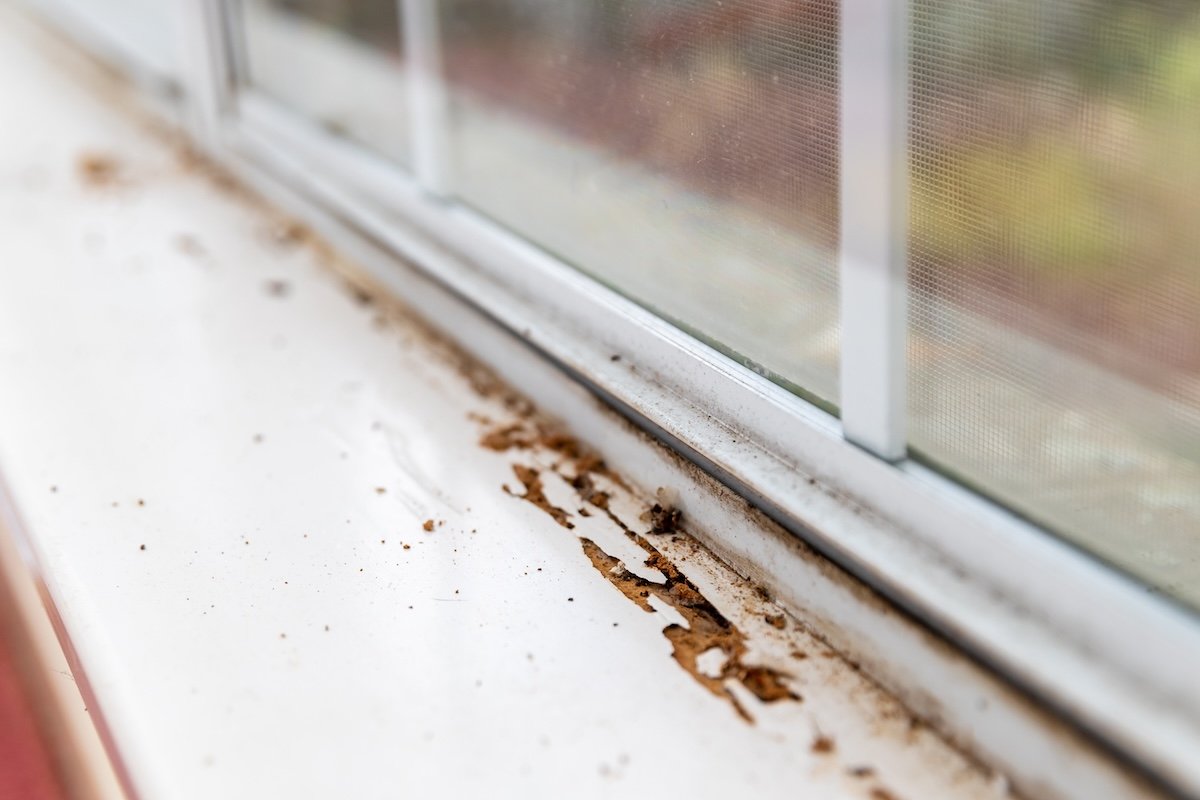
Furthermore, data from pest control organizations indicates that windows are the primary point of entry for carpenter ants and wood-boring beetles. If you find "sawdust" (frass) near a sill, it suggests that a colony has already established a network within your wall cavity. By simply wiping away the frass, you are giving the colony a head start on expanding their tunnels, potentially leading to thousands of dollars in timber damage.
Official Perspectives: Expert Insights
We consulted with industry leaders, including Constantine Anest of Ethos Roofing and Restoration and Corbett Proctor of Window World Panama City, to break down the science behind these visual cues.
1. Condensation: The Silent Humidity Killer
"Condensation is a major indicator of an imbalanced indoor environment," says Anest. While surface-level moisture is common, persistent wetness on the sill is a harbinger of mold. When water sits, it penetrates the finish of the window frame. Once the finish is broken, the wood beneath becomes susceptible to rot and fungal growth. Anest recommends using a hygrometer to track indoor humidity levels, aiming for a range between 30 and 50 percent. If your home’s humidity is optimal, yet the windows remain perpetually wet, the issue is likely a failed installation or compromised weatherstripping.
2. The Sawdust Indicator
Small, conical piles of debris near your frames are not just dust; they are a byproduct of insect labor. Whether it is carpenter ants or beetles, the presence of frass means wood is being consumed. "Identify the source," urges Anest. "If you see a hole in the wood, you have an active infestation that a surface cleaner will never reach."
3. The "Fog" That Never Clears
Corbett Proctor emphasizes that fog between glass panes is a definitive failure of the Insulated Glass Unit (IGU). "If you’ve cleaned both sides of the glass and the cloudiness persists, the seal that keeps the argon or krypton gas inside the unit has failed," Proctor explains. This isn’t just about aesthetics; it means your window has lost its thermal efficiency. The moisture inside is likely mineral-heavy, and as it cycles through condensation and evaporation, it can etch the interior surface of the glass, making the damage permanent.
Implications: The High Cost of Ignoring Cues
The implications of ignoring these signs are not merely financial; they are safety-related.
- Structural Integrity: Rot-weakened sills can lead to the window shifting, which in turn stresses the glass, increasing the risk of breakage.
- Air Quality: Mold spores originating from window frames circulate throughout the home, potentially exacerbating allergies and respiratory issues for the household.
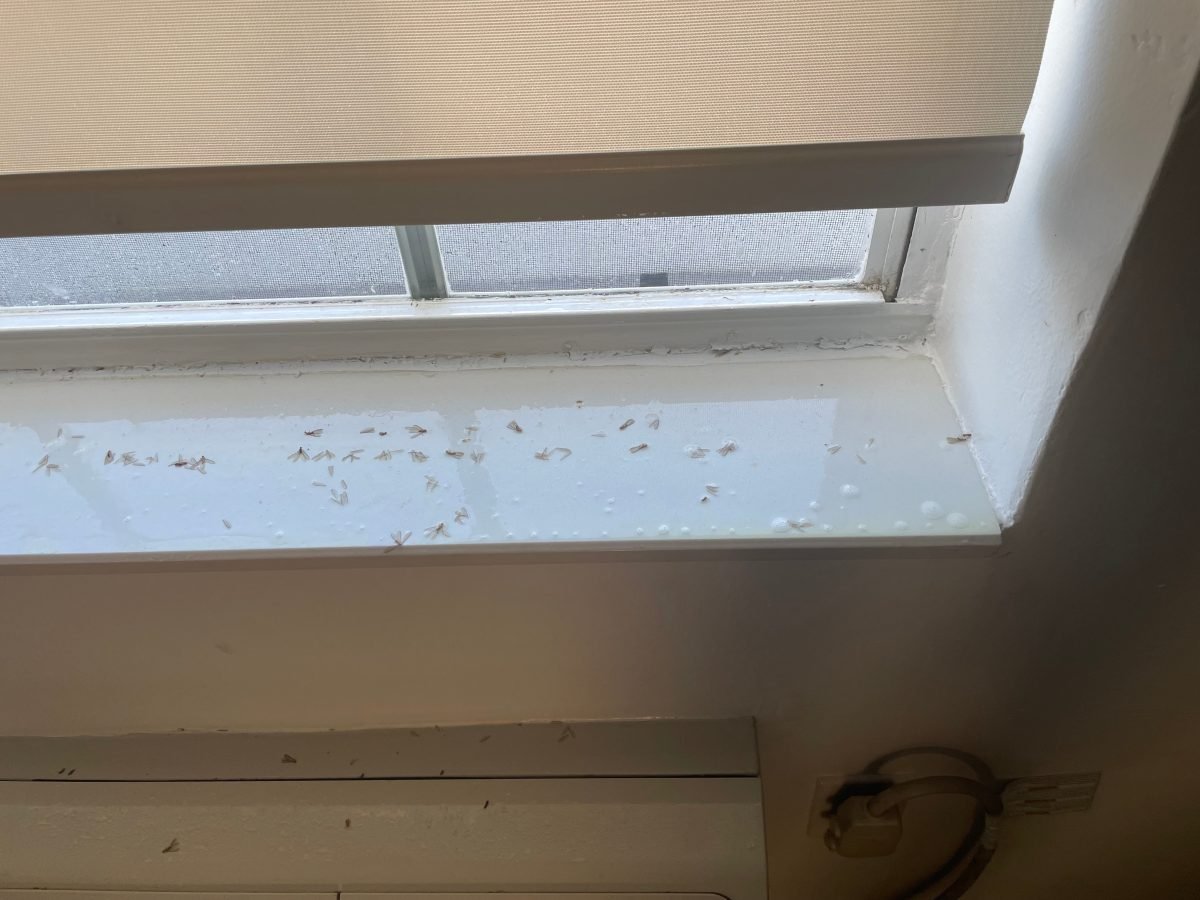
- Pest Propagation: Once an entry point is established by one species, it becomes a gateway for others. Termites, in particular, look for the moisture-damaged wood that results from window leaks.
When to Call a Professional
If you find yourself cleaning the same spot on a window frame week after week, you are not maintaining your home; you are documenting its decline. A professional window inspection can differentiate between a minor condensation issue and a major seal failure. Similarly, a pest control expert can identify whether that "sawdust" is a minor nuisance or the start of a structural infestation.
A New Approach to Window Care
Next time you pick up that rag, change your perspective. Instead of viewing the window as a surface to be cleared, treat it as a window into the health of your home. If you see something that looks "off," don’t just scrub it away. Investigate the source, check your humidity levels, and if the issue persists, contact a specialist.
Modern home maintenance is not about keeping things spotless; it is about keeping things sound. By recognizing these five critical cues—condensation, debris piles, persistent fog, dark staining, and insect evidence—you can catch small problems before they require the heavy machinery of a full-scale renovation. Remember, your home is talking to you through these signs; it is up to you to listen.
