

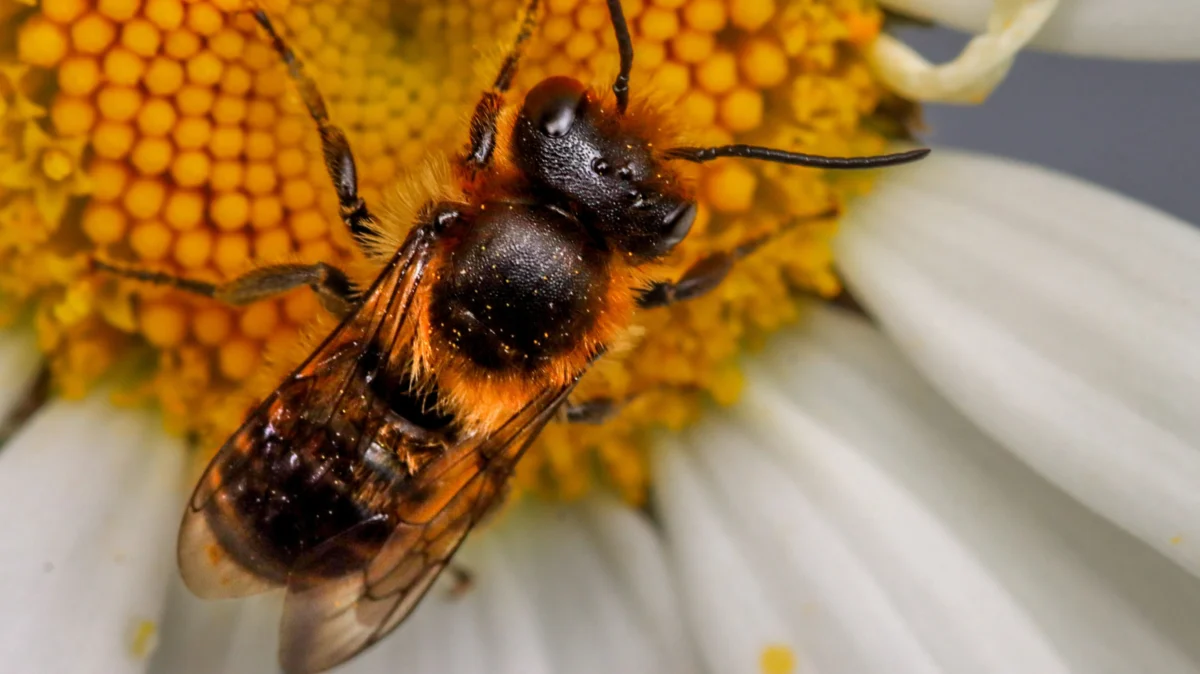
A flourishing garden is a symphony of color and texture, but its true vitality lies in the quiet, industrious work of pollinators. While honeybees often capture the public imagination, the unsung heroes of the backyard ecosystem are the solitary mason bees. These gentle, non-aggressive pollinators are responsible for an outsized share of fruit and flower fertilization. However, as natural habitats vanish under the pressure of urban sprawl and sterile landscaping, these vital insects are finding it increasingly difficult to locate suitable nesting sites.
Fortunately, a growing movement of citizen scientists and home gardeners is discovering that the solution to declining pollinator populations doesn’t require a massive budget or specialized construction skills. By repurposing common materials—such as an extra cedar fence board—gardeners can create bespoke, functional habitats that invite mason bees to thrive.
The Essential Role of Solitary Pollinators
To understand the importance of building a bee house, one must first understand the life cycle of the mason bee (Osmia genus). Unlike honeybees, which live in complex, social hives, mason bees are solitary. A female mason bee works alone to provision her own nesting cavity, laying eggs and sealing each cell with mud—hence the name "mason."
In the wild, these bees seek out hollow reeds, abandoned beetle tunnels in wood, or small crevices in stone. In a modern suburban environment, these natural cavities are often unavailable. By providing a "bee house" stocked with appropriate nesting tubes, gardeners act as stewards, providing the necessary infrastructure for these bees to reproduce and sustain the local pollinator population. This not only benefits the garden’s floral display but also plays a critical role in local food security by supporting the pollination of vegetable and fruit crops.
Chronology of a DIY Habitat: From Scrap to Sanctuary
The transformation of a leftover fence board into a functional wildlife habitat is a straightforward, rewarding process. Following the methodology popularized by resources such as the Nature Yardlife tutorial, the construction can be broken down into a series of logical, manageable steps.
Phase 1: Planning and Material Procurement
Before the first cut is made, the project requires careful planning based on the specific nesting tubes you intend to use. Mason bee nesting tubes come in various lengths and diameters; the depth of your bee house must accommodate these tubes fully, ensuring they are protected from rain and wind.
Essential Materials List:
- Untreated Cedar Fence Board: Cedar is preferred due to its natural resistance to rot and moisture, which is vital for outdoor longevity without the need for toxic chemicals.
- Fasteners: Weather-resistant screws or brad nails.
- Tools: A saw (circular or miter), a tape measure, a pencil, and a sander or sandpaper.
- Hardware: Mounting strips and appropriate fasteners for wall or tree installation.
- Nesting Tubes: Cardboard or paper-lined tubes specifically designed for mason bees.
Phase 2: Fabrication and Assembly
Once the planning is complete, the physical construction begins. The builder must clamp the cedar board securely before marking the cuts. A professional design typically involves:
- Side Panels: These should be cut with an angle, creating a slope that allows the roof to shed water away from the front of the house.
- Back and Floor: These pieces form the structural skeleton of the house.
- The Roof: This must be cut to provide a significant overhang, acting as an eave to protect the interior nesting tubes from driving rain.
- Finishing: Sanding the edges is not merely for aesthetics; it removes splinters that could damage a bee’s delicate wings.
Phase 3: Installation and Maintenance
The final step is the most critical for long-term success. The house should be mounted securely in a location that receives the morning sun. Orientation is key—facing the house toward the east ensures that the bees receive the early warmth necessary to stimulate activity after cool nights. Once established, the house becomes a permanent fixture of the garden’s infrastructure.
Supporting Data: Why Mason Bees Matter
The decline of global pollinator populations has been a point of significant concern for agricultural scientists and environmentalists alike. Data from the Xerces Society for Invertebrate Conservation indicates that native bees are significantly more efficient pollinators than honeybees for many types of crops. For instance, a single mason bee can do the work of dozens of honeybees in terms of floral visitation rates, largely because they are less meticulous about grooming, allowing pollen to transfer more effectively between flowers.
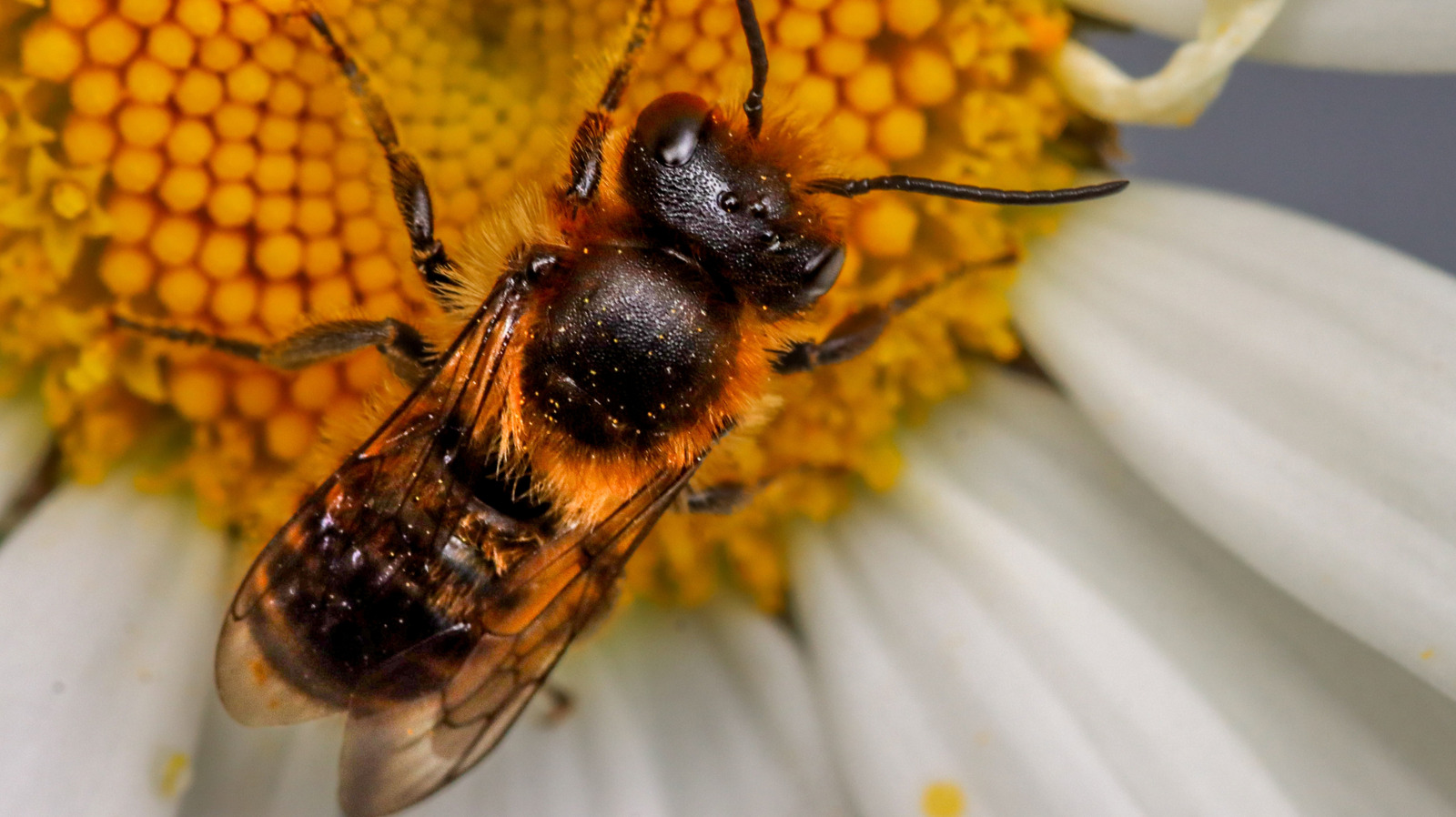
Furthermore, because mason bees are solitary, they do not possess a colony or a queen to defend. They are remarkably docile, making them an ideal choice for families with children or pets. By installing a DIY house, a gardener is effectively increasing the "carrying capacity" of their local ecosystem, allowing a larger population of these high-efficiency pollinators to inhabit a small square footage.
Official Perspectives: The Expert Consensus
Entomologists and wildlife biologists generally support the concept of "backyard conservation," provided that specific guidelines are met. The primary concern among experts is the "disease trap." If nesting tubes are left in place for years without cleaning or replacement, they can become breeding grounds for mites, mold, and parasites.
"The key to a successful bee house is maintenance," notes an expert from a regional agricultural extension office. "The use of removable, replaceable paper liners inside the nesting tubes is not just a convenience; it is a sanitary necessity. By cleaning out old nests or discarding used tubes in the autumn, the gardener prevents the accumulation of pathogens that could wipe out the following year’s population."
Furthermore, officials emphasize the importance of "habitat connectivity." A bee house is only as good as the food sources surrounding it. Experts recommend planting a sequence of native blooming plants that provide pollen and nectar from early spring through late autumn to ensure the bees have a consistent food supply throughout their active period.
The Broader Implications: Gardening as Conservation
The movement to build simple bee houses from fence boards represents a shift in how we perceive our personal outdoor spaces. No longer viewed solely as a canvas for manicured lawns or exotic ornamentals, the backyard is being reclaimed as a critical link in the broader environmental chain.
Environmental Impact
When a homeowner chooses to repurpose a fence board rather than purchasing a mass-produced, plastic-heavy alternative, they are reducing their carbon footprint while simultaneously fostering biodiversity. This circular approach to gardening—using what is on hand to solve ecological problems—is a hallmark of sustainable living.
Educational Value
For families, this project serves as a practical, hands-on lesson in biology. Observing the life cycle of the mason bee—from the initial mud-plugging in the spring to the emergence of the next generation—provides a profound connection to the natural world. It demystifies the "scary" side of insects and fosters a sense of responsibility toward the environment.
Policy and Community
On a community level, when enough neighbors adopt these practices, they create "pollinator corridors." These are interconnected patches of habitat that allow bees and other insects to move safely through suburban landscapes, effectively buffering the impact of habitat fragmentation.
Conclusion: A Small Gesture with Massive Returns
The humble mason bee, with its fuzzy body and industrious spirit, asks for very little: a bit of shelter, a nearby source of mud, and a garden full of blooms. By dedicating a few hours to building a simple, roofed structure from a spare fence board, a gardener can ensure that their backyard remains a vibrant, buzzing hub of life.
As we look toward the future of urban and suburban development, the importance of these small-scale interventions cannot be overstated. We are moving toward a paradigm where every garden is a sanctuary, and every gardener is a guardian of the ecosystem. The next time you find a leftover piece of cedar in your garage, consider not just its utility as a board, but its potential as a home. In doing so, you aren’t just building a structure; you are participating in a global movement to protect the silent workers who keep our world in bloom.
